Behavior
What are quick tips for Pomeranian bloat (gastric dilatation-volvulus/gdv)?
Feed smaller, more frequent meals and use slow feeders to prevent rapid eating. Keep your dog calm after meals to reduce stress on their stomach.
Pomeranian bloat, or gastric dilatation-volvulus (GDV), is a serious health issue that can affect your furry friend quickly. (Pomeranian bloat (gastric dilatation-volvulus/gdv))
Owners of Pomeranians, especially those who are first-time pet parents or who may not be familiar with canine health issues, often struggle with this problem. Busy lifestyles that limit attention to feeding routines can also contribute to the risk of GDV.
This guide is not medical advice. If your dog shows pain, sudden behavior change, or worsening symptoms, consult a licensed veterinarian.
Some links may be affiliate links. We may earn a commission at no extra cost to you. We only suggest products we believe are helpful for dog owners.
Pomeranian bloat, or gastric dilatation-volvulus (GDV), is a serious and often life-threatening condition. It occurs when a dog's stomach fills with gas, twists, and can cut off blood supply. This often leads to symptoms like a distended abdomen, restlessness, and excessive drooling, which can escalate quickly and requires immediate veterinary attention.
While any dog can experience bloat, smaller breeds like Pomeranians are at a higher risk. It's crucial for owners to recognize the signs early, as prompt treatment can be the difference between life and death.
Pomeranians are small dogs with a deep chest, making them more prone to bloat. Their playful and energetic nature can lead them to eat quickly or gulp air while eating, which increases the risk of gastric dilatation-volvulus (GDV). Additionally, certain genetic factors may make them more susceptible to this condition.
Stressful environments, such as loud noises or changes in routine, can trigger bloat in Pomeranians. Rapid eating due to anxiety or competition with other pets can also contribute. Furthermore, feeding large meals or providing water immediately after eating can exacerbate the risk.
If your Pomeranian continues to eat too quickly despite these changes, consider consulting a professional trainer. They can help modify your dog's behavior and provide strategies to reduce anxiety around food.
If your Pomeranian shows signs of bloat, such as a swollen abdomen, restlessness, or attempts to vomit without success, contact your vet immediately. Bloat is a life-threatening condition that requires urgent medical attention.
If your Pomeranian is diagnosed with bloat, treatment typically happens quickly, often within hours. Recovery can take days to weeks, depending on the severity of the condition and any complications.
Success means your Pomeranian is eating and drinking normally again, shows no signs of pain, and resumes regular activity without distress.
Avoiding common pitfalls can help manage Pomeranian bloat (gastric dilatation-volvulus/gdv) more effectively. Here are some frequent mistakes owners make and safer alternatives to consider.
Pomeranian bloat (gastric dilatation-volvulus/GDV) can be a life-threatening issue. It's crucial to recognize when it's an emergency and when you can monitor your dog at home. If you notice any red-flag signs, call your vet immediately.
These signs indicate your Pomeranian needs urgent veterinary attention: - Distended abdomen or swelling - Unproductive retching or vomiting - Signs of distress or pain, such as pacing or whining - Rapid heart rate or weakness - Excessive drooling - Collapse or sudden lethargy
In mild cases, you can monitor your Pomeranian for these symptoms: - Slight discomfort or soft stomach - Occasional burping or gas - Mild lethargy but still responsive - Eating and drinking normally. Make a plan to observe their behavior closely and consult your vet if symptoms worsen.
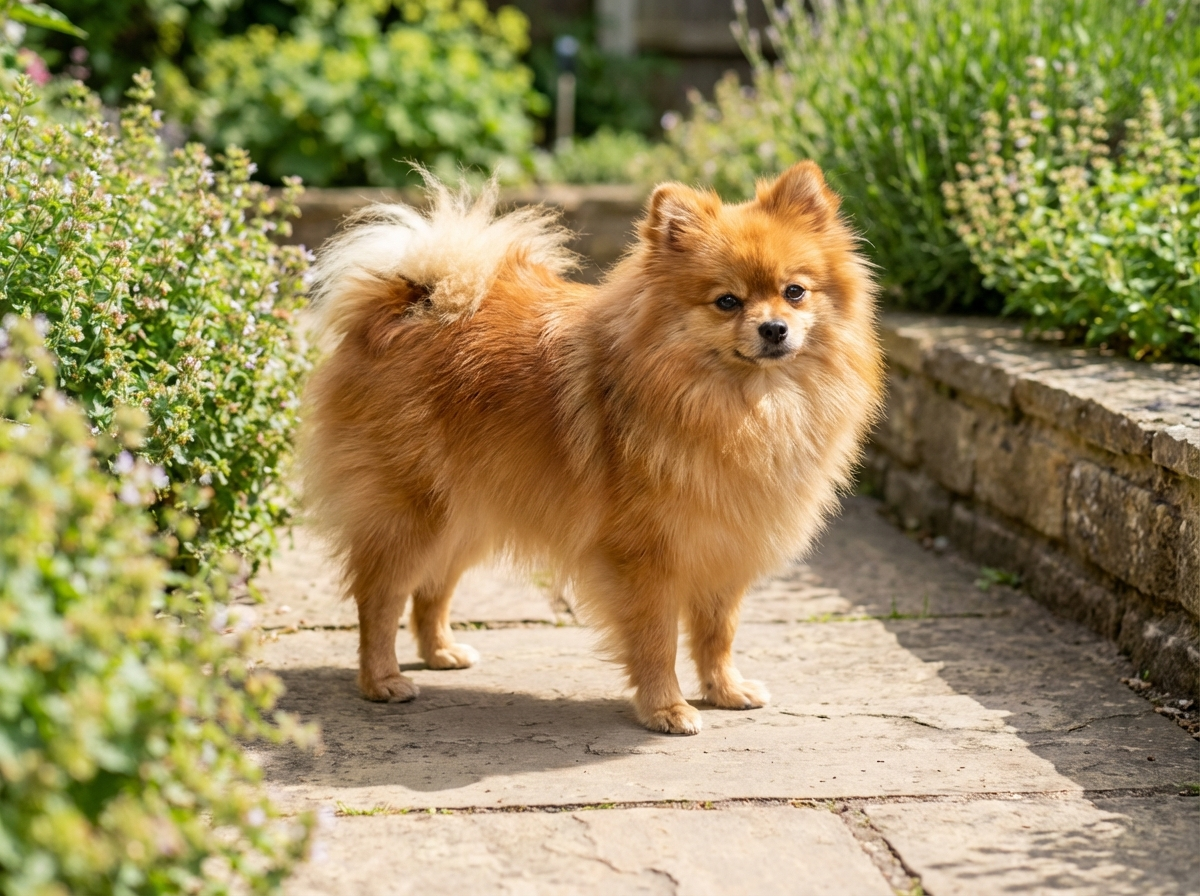
Emily, a first-time dog owner in San Diego, noticed her Pomeranian, Bella, was unusually restless and bloated one evening. After a frantic trip to the vet, she learned Bella was suffering from GDV, a serious condition requiring immediate surgery. The vet explained the risks, and Emily felt overwhelmed but made the decision to proceed with the surgery. Fortunately, Bella recovered well and has since returned to her playful self. Emily now carefully monitors Bella's eating habits and feeds her smaller meals throughout the day to prevent future issues.
Key takeaway: Recognizing the signs of Pomeranian bloat early and acting fast can save your dog's life. Regular monitoring and adjustments to feeding can help prevent this serious condition.
Pomeranians can experience bloat due to rapid eating, excessive drinking, or stress. This condition involves gas buildup in the stomach, which can twist and cut off blood supply. It's crucial to monitor your Pom's eating habits and environment to reduce the risk.
To prevent bloat in your Pomeranian, feed smaller meals throughout the day instead of one large meal. Use a slow feeder bowl to help regulate their eating speed. Lastly, limit vigorous activities right after meals.
Signs of bloat include a swollen abdomen, restlessness, drooling, and attempts to vomit without success. If you notice these symptoms, seek veterinary help immediately, as this condition is life-threatening.
Feeding your Pomeranian high-quality, easily digestible food can help lower the risk of bloat. Avoid foods that cause gas and ensure they have access to fresh water throughout the day. Consult your vet for personalized dietary recommendations.
Treatment for bloat often requires emergency care, which may include decompression of the stomach and surgery to fix any twisting. Costs can range from $1,500 to $7,500 depending on the severity. Early intervention is crucial for a better outcome.
Early signs of Pomeranian bloat can include a swollen abdomen, excessive drooling, restlessness, and attempts to vomit without success. If you notice these symptoms, it's crucial to seek veterinary care immediately, as bloat can escalate quickly.
Yes, once a Pomeranian experiences bloat, they may be at a higher risk for future occurrences. It’s important to discuss preventive measures with your vet, which may include dietary changes or surgical options.
If you suspect your Pomeranian has bloat, do not attempt home remedies. Instead, get them to a veterinarian immediately, as this condition requires urgent medical attention to prevent serious complications.
Yes, older Pomeranians may have a higher risk of developing bloat due to age-related health issues. Regular vet check-ups can help monitor their health and catch potential problems early.
Feeding smaller, more frequent meals can help reduce the risk of bloat in Pomeranians. Avoiding high-risk foods and ensuring they have calm eating environments can also be beneficial.
Feed smaller, more frequent meals and use slow feeders to prevent rapid eating. Keep your dog calm after meals to reduce stress on their stomach.
Look for signs like a swollen belly, excessive drooling, or unsuccessful attempts to vomit. If you see these, contact your vet immediately.
Yes, avoid letting your dog drink too much water after meals and reduce vigorous exercise during this time. These steps can help prevent bloat.