DogBreedCompass
← Back to breed profile

Understanding Pomeranian Back Problems

Pomeranian back problems are common due to their unique body structure. These issues can lead to discomfort and mobility challenges.

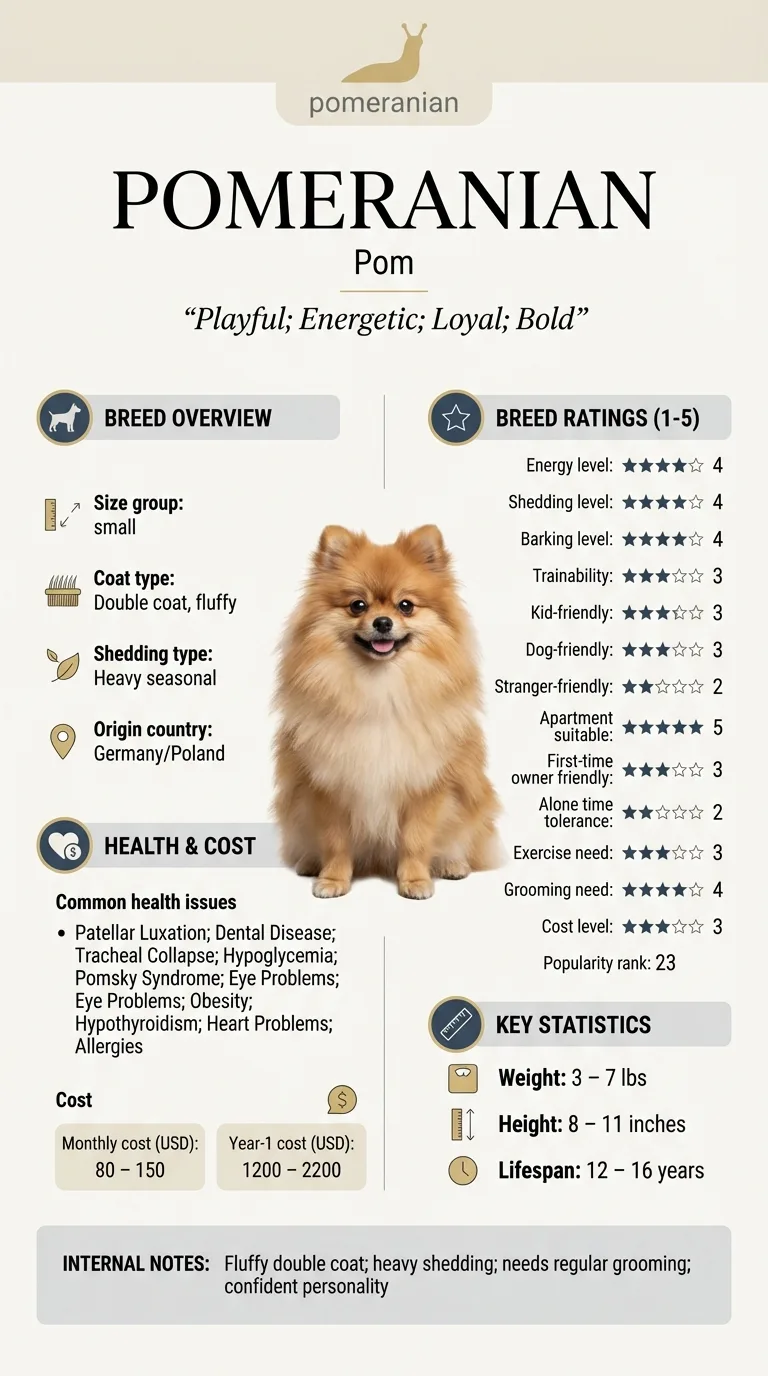
Understanding Pomeranian Back Problems infographic

New Pomeranian owners or those with aging pets often face these challenges. If you notice your Pom struggling to jump or showing signs of pain, it’s time to take action.

Important reminder

This guide is not medical advice. If your dog shows pain, sudden behavior change, or worsening symptoms, consult a licensed veterinarian.

Some links may be affiliate links. We may earn a commission at no extra cost to you. We only suggest products we believe are helpful for dog owners.

What this problem looks like

Pomeranian back problems are common due to their long spine and short legs. Daily, you may notice your Pom struggling to jump, experiencing discomfort when playing, or showing reluctance to walk. These issues can lead to pain and anxiety, impacting their overall happiness.

Common triggers

  • Jumping from heights, like sofas or beds
  • Overexertion during playtime
  • Sudden movements or twisting
  • Obesity, which adds strain on the back

Back problems in Pomeranians are quite prevalent, especially as they age. Many owners report these issues by the time their dog is middle-aged, making awareness crucial for prevention and care.

Why this happens

Breed factors

Pomeranians have a long spine and short legs, which makes them more prone to back problems. This unique body structure can lead to conditions like intervertebral disc disease (IVDD). Additionally, their playful and energetic nature might encourage risky jumps and rough play, putting extra strain on their backs.

Environment factors

Environmental factors can also contribute to back problems in Pomeranians. For example, slippery floors can cause them to slip and fall, leading to injuries. Moreover, lifting them improperly or allowing them to gain excess weight can increase the pressure on their spines.

What you can try

At-home strategies

  • Create a safe environment by covering slippery floors with rugs or mats to prevent falls.
  • Monitor their playtime and avoid rough games that could lead to jumping or landing awkwardly.
  • Maintain a healthy weight by providing a balanced diet and regular exercise, as obesity can worsen back issues.
  • Support them when lifting by using both hands and keeping their spine aligned to avoid unnecessary strain.

When to consider a trainer

If your Pomeranian exhibits signs of anxiety or struggles with basic commands, consider consulting a trainer. A professional can help with training techniques that promote safe play and can address behavioral issues related to their back problems.

When to talk to your vet

If you notice your Pom showing signs of pain, difficulty walking, or reluctance to jump, it's essential to talk to a vet. Early intervention can prevent more serious conditions and ensure appropriate treatment for your dog's back problems.

Realistic expectations

You can expect to see improvements in your Pomeranian's back problems within 4 to 6 weeks of consistent training and care adjustments.

Success means your Pomeranian shows reduced discomfort, increased mobility, and a more active lifestyle without pain or hesitation.

Mistakes that make this worse

Avoiding these common mistakes can help manage Pomeranian back problems more effectively.

  • Ignoring early signs of pain: If your Pomeranian shows any discomfort, like yelping or hesitation to jump, it’s crucial to consult a vet. Early intervention can prevent more serious issues later.
  • Allowing excessive jumping: Pomeranians love to jump, but repeated jumping can strain their backs. Instead, use ramps or steps to help them get on and off furniture safely.
  • Overexercising: While Pomeranians need exercise, too much can lead to injury. Aim for short, regular walks rather than long, strenuous outings.
  • Neglecting weight management: Extra weight can put more stress on their backs. Ensure your Pomeranian maintains a healthy diet and regular exercise to keep their weight in check.
  • Using harsh training methods: Training should be positive and gentle. Negative reinforcement can increase anxiety and worsen back issues. Focus on rewards and praise instead.
  • Not providing proper support: When your Pom needs to be carried, avoid holding them improperly, as this can strain their back. Use a supportive pet carrier to keep them secure and comfortable.
  • Skipping regular vet check-ups: Regular veterinary visits help catch issues early. Don’t skip these appointments, as they can provide valuable insights into your dog’s health.

When Pomeranian Back Problems Are an Emergency

Pomeranian back problems can escalate quickly, and knowing when to act is crucial. If your dog shows any signs of severe pain, such as yelping when touched, or inability to walk, these are red flags. Other emergency signs include loss of bladder or bowel control, or noticeable weakness in the hind legs. If you observe any of these symptoms, call your vet immediately.

In contrast, mild back problems may present as reluctance to jump or difficulty getting up after resting. If your Pom seems a bit stiff after play but still engages in activities, it could be a sign to monitor rather than panic. You can keep an eye on their behavior and consider implementing gentle exercise or stretches. If symptoms persist for more than a few days or worsen, it's best to consult your vet for an evaluation.

It's essential to remember that early intervention is key. Catching these issues early can lead to better outcomes. Regular check-ups can also help prevent serious back problems. Always err on the side of caution when it comes to your furry friend’s health.

Understanding Pomeranian Back Problems - When Pomeranian Back Problems Are an Emergency

Emily's Journey with Bella's Back Problems

Emily, a busy nurse in Seattle, noticed her Pomeranian, Bella, struggling to jump onto the sofa. She learned that Pomeranians are prone to back problems due to their long spine and short legs. After consulting her vet, Emily started a gentle exercise routine and limited Bella's jumping. She also set up a cozy ramp to help Bella access her favorite spots. Within weeks, Bella was more energetic and playful, and Emily felt relieved seeing her pup happier.

Key takeaway: With patience and the right adjustments, you can help your Pomeranian manage back problems and improve their quality of life.

Frequently asked questions

Why does my Pomeranian have back problems?

Pomeranians can experience back problems due to their long spine and short legs. This unique body structure puts pressure on their spine, making them more susceptible to issues like intervertebral disc disease. Regular vet check-ups can help catch these problems early.

How can I stop my Pomeranian from having back problems?

To stop Pomeranian back problems, focus on maintaining a healthy weight and providing proper support when they jump or climb. Consider using ramps or steps to help them reach higher places. Always consult your vet for tailored advice.

What are the signs of back problems in Pomeranians?

Signs of back problems in Pomeranians may include difficulty walking, whining when moving, or reluctance to jump. If you notice these symptoms, it’s important to consult a vet as soon as possible for an evaluation.

Can training help with Pomeranian back problems?

Yes, training can help with Pomeranian back problems. Teaching your Pom commands like 'stay' can prevent excessive jumping and promote safer movement. Incorporating gentle exercises can also strengthen their back muscles.

Are back problems common in Pomeranians?

Yes, back problems are relatively common in Pomeranians due to their physical traits. It's essential for owners to be aware of these issues and take preventive measures to ensure their dog's well-being.

What treatments are available for Pomeranian back problems?

Treatment options for Pomeranian back problems can include medication, physical therapy, and in severe cases, surgery. Always consult your vet for the best course of action based on your dog's specific condition.

What are the early signs of Pomeranian back problems?

Early signs of Pomeranian back problems include difficulty jumping, reluctance to play, and noticeable changes in posture. You might also notice your Pom being less active or showing signs of pain when touched along the back.

Can Pomeranian back problems develop as they age?

Yes, Pomeranian back problems can develop as they age due to wear and tear on their spine and joints. Regular vet check-ups can help monitor any changes and catch potential issues early.

How can I prevent back problems in my Pomeranian?

To prevent back problems in your Pomeranian, maintain a healthy weight, provide regular low-impact exercise, and avoid strenuous activities that strain their back. Training them to use ramps instead of jumping can also help reduce risk.

When should I see a vet for my Pomeranian's back issues?

If your Pomeranian shows persistent signs of discomfort, such as yelping when picked up or difficulty walking, it's time to see a vet. Early intervention can prevent more serious back problems and improve their quality of life.

Are there specific training techniques to help Pomeranians with back problems?

Yes, gentle training techniques that focus on positive reinforcement can help Pomeranians with back problems. Teaching them commands for controlled movements, like 'sit' or 'stay,' can reduce unnecessary strain on their backs.

Quick answers

View more answers
Behavior

What are Pomeranian back problems quick tips?

To help prevent back problems in Pomeranians, ensure they maintain a healthy weight and avoid high jumps. Regular vet check-ups and gentle exercise are also crucial.

Living

How can I support my Pomeranian's back?

Use ramps or steps to help your Pomeranian access furniture safely, reducing the strain on their back and joints.

Health

What should I do if my Pomeranian shows signs of back pain?

If your Pomeranian shows signs of back pain, such as reluctance to move or whining, take them to the vet immediately for an evaluation.

Training

Can I prevent back problems in my Pomeranian?

Yes, preventing back problems involves managing your Pom's weight, avoiding excessive jumping, and providing a safe environment.

Costs

How much does it cost to treat Pomeranian back problems?

Treatment costs for Pomeranian back problems can vary widely, ranging from medication and therapy to possible surgery costs. Discuss estimates with your vet.

Related DogBreedCompass guides

Related guides