Behavior
How do I know if my Corgi has patellar luxation?
Look for signs like limping or difficulty using their leg. If you notice any unusual movements, consult your vet.
Pembroke Welsh Corgi patellar luxation is a common knee issue that can lead to pain and mobility problems.
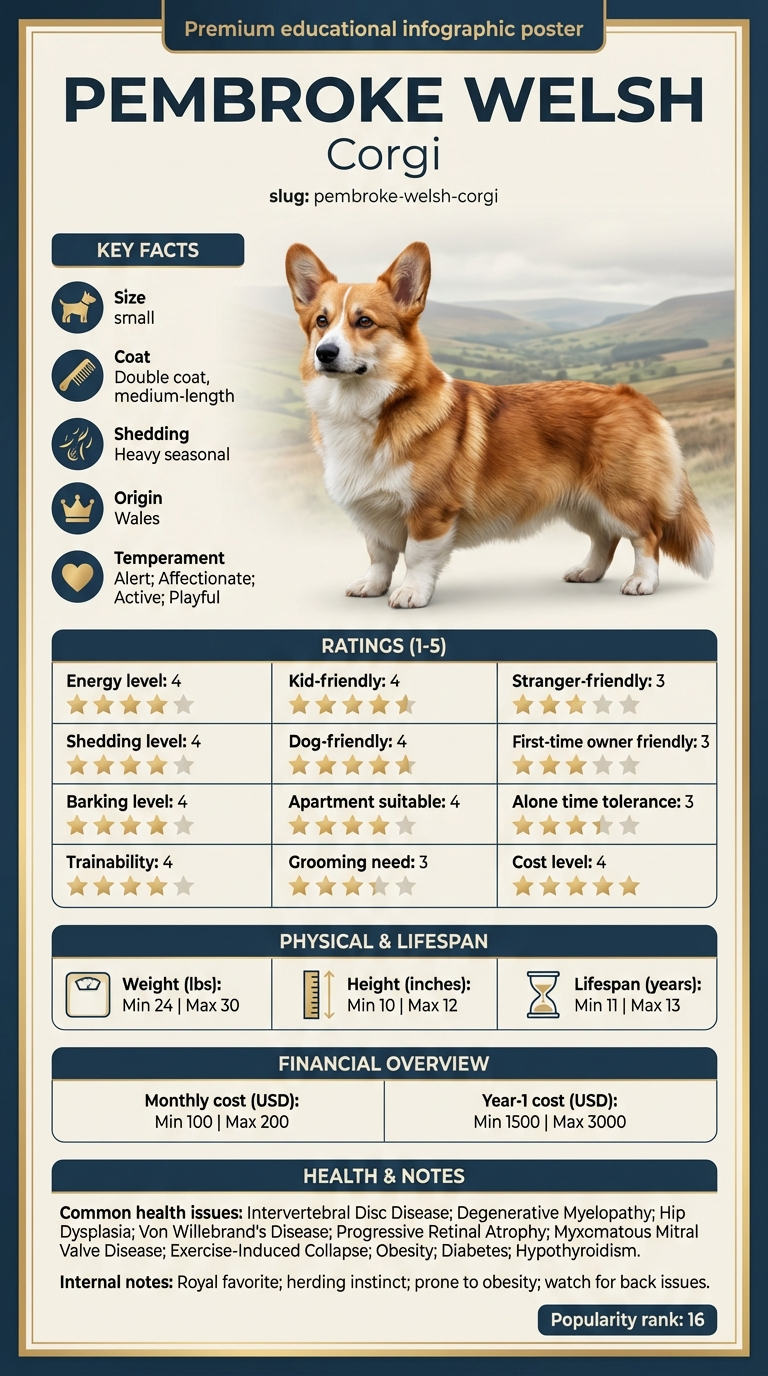
Owners of Pembroke Welsh Corgis, especially those with active lifestyles or older dogs, often face this challenge. Understanding patellar luxation is crucial for providing your dog with the best quality of life.
This guide is not medical advice. If your dog shows pain, sudden behavior change, or worsening symptoms, consult a licensed veterinarian.
Some links may be affiliate links. We may earn a commission at no extra cost to you. We only suggest products we believe are helpful for dog owners.
Pembroke Welsh Corgi patellar luxation is a common issue where the kneecap dislocates from its normal position. This can cause pain, limping, and difficulty in walking or running. Owners may notice their Corgi suddenly lifting a leg while playing or moving, which can be distressing for both the dog and the owner.
Patellar luxation is relatively common in Pembroke Welsh Corgis, particularly in small breeds. It's estimated that around 20% of Corgis may experience this issue at some point in their lives, especially if they have a genetic predisposition.
Pembroke Welsh Corgis are small dogs with a structure that can predispose them to patellar luxation. This condition is often inherited, meaning that genetics play a significant role. Additionally, their active nature can cause strain on their knees, especially if they are overweight.
Environmental factors can also contribute to this issue. If your Corgi engages in high-impact activities, like jumping or climbing stairs frequently, it may put added stress on their joints. Moreover, slippery floors can lead to accidents that exacerbate knee problems.
If your Corgi shows signs of discomfort while walking or playing, consider consulting a trainer. They can help you develop a safe exercise routine tailored to your dog's needs. A trainer can also assist with behavior modifications to prevent jumping or running in ways that might aggravate the condition.
If you notice persistent limping, difficulty standing, or signs of pain, it's crucial to talk to your vet. They can assess the severity of the patellar luxation and recommend treatment options, including medication or surgery if necessary. Regular check-ups can help monitor your Corgi's joint health over time.
You can expect to see improvements in your Pembroke Welsh Corgi's patellar luxation symptoms within 4 to 8 weeks of consistent training and care.
Success means your Corgi can move comfortably, engage in play, and enjoy daily walks without signs of pain or discomfort.
Avoiding common mistakes can help manage Pembroke Welsh Corgi patellar luxation effectively. Here are some behaviors to steer clear of.
Recognizing when your Pembroke Welsh Corgi's patellar luxation is an emergency can be crucial for their health. If your Corgi suddenly stops using their leg, experiences severe pain, or shows signs of swelling, it's time to call your vet immediately. Other red flags include difficulty walking, a noticeable limp, or if they are crying out in pain when moving. These symptoms suggest a more serious injury that requires prompt veterinary attention.
In contrast, if your Corgi occasionally shifts their kneecap back and forth without displaying severe discomfort, you can monitor the situation. Mild cases may involve slight limping or temporary lameness, especially after exercise. For these situations, keep a close eye and consider scheduling a veterinary check-up to discuss management strategies. Keeping your dog at a healthy weight and ensuring they get appropriate exercise can help reduce incidents, but always consult your vet on a tailored plan for your Corgi's needs.
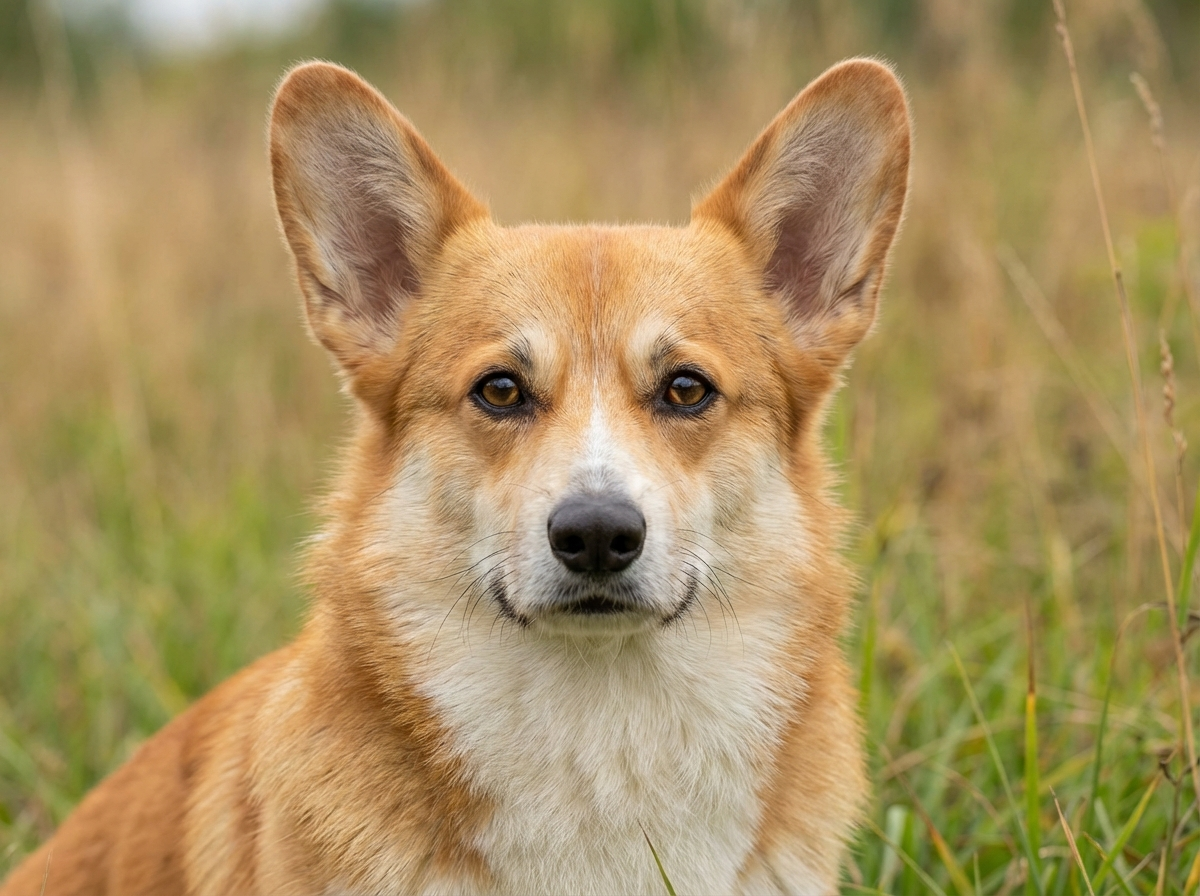
Maggie, a busy nurse in Chicago, noticed her Pembroke Welsh Corgi, Max, limping during their walks. After a vet visit, she learned Max had patellar luxation. Initially overwhelmed, Maggie researched how to stop Pembroke Welsh Corgi patellar luxation. With the vet's guidance, she began a training regimen focusing on strengthening Max's leg muscles and incorporating low-impact exercises. Within six weeks, Max was running around the park again, and Maggie felt relieved and grateful.
Key takeaway: With patience and the right training, you can effectively manage your Pembroke Welsh Corgi's patellar luxation and improve their quality of life.
Pembroke Welsh Corgi patellar luxation is often caused by genetic factors that affect the knee structure. It can also happen due to injury or trauma. If your Corgi shows signs of lameness, consult your vet for a proper diagnosis.
Treatment options for Pembroke Welsh Corgi patellar luxation range from lifestyle changes to surgical intervention. Weight management, physical therapy, and specific exercises can help. If the condition is severe, your vet may recommend surgery to stabilize the knee.
Common symptoms include limping, skipping on the affected leg, or a noticeable 'pop' sound when the knee cap dislocates. If your Corgi is reluctant to walk or plays less than usual, it may indicate patellar luxation. Always consult your vet for an accurate assessment.
While not all cases can be prevented, maintaining a healthy weight and providing regular exercise can help reduce the risk. Avoid high-impact activities that may strain their joints. Early detection and intervention are key to managing this condition.
Surgery is not always necessary but may be required for severe cases. If your Corgi experiences frequent dislocations or significant pain, the vet may recommend surgical options. A thorough evaluation will help determine the best course of action.
This condition is often hereditary, meaning it can be passed down from their parents. It may also develop due to an injury or poor knee structure. Regular check-ups with your vet can help catch such issues early.
If you notice your Pembroke Welsh Corgi limping or favoring a leg, it's important to consult your vet. They can determine the severity of the patellar luxation and recommend appropriate treatment options, which may include surgery or physical therapy.
Older Pembroke Welsh Corgis may need more gentle care if they have patellar luxation. Ensure they have a comfortable place to rest and consider low-impact exercises to keep their joints healthy. A vet may also recommend joint supplements to ease discomfort.
While you can't fully prevent patellar luxation, keeping your Pembroke Welsh Corgi at a healthy weight can help reduce strain on their joints. Regular exercise and proper training can also strengthen their leg muscles, providing better support.
Surgery may be necessary if your Pembroke Welsh Corgi experiences frequent dislocations or severe pain. Your vet will evaluate their condition and discuss the best options based on their age, health, and activity level.
Patellar luxation in Pembroke Welsh Corgis can be caused by genetic factors, injuries, or muscle imbalances. It's often seen in small breeds, and if you have concerns, discussing them with your vet can help identify the underlying issues.
Look for signs like limping or difficulty using their leg. If you notice any unusual movements, consult your vet.
Keep your Corgi at a healthy weight and provide gentle exercises. Avoid high-impact activities that can worsen the condition.
Surgery can range from $1,500 to $3,000, depending on the severity and vet prices in your area.
Yes, proper training can strengthen the muscles around the knee and help with stabilization. Consult your vet for suitable exercises.


