Behavior
What are Pembroke Welsh Corgi elbow dysplasia quick tips?
Maintain a healthy weight and provide low-impact exercise to help manage elbow dysplasia. Regular vet check-ups can also help monitor joint health.

Quick answer
What are Pembroke Welsh Corgi elbow dysplasia quick tips?
Maintain a healthy weight and provide low-impact exercise to help manage elbow dysplasia. Regular vet check-ups can also help monitor joint health.
Pembroke Welsh Corgi elbow dysplasia is a joint malformation that can lead to pain and mobility issues in your dog.
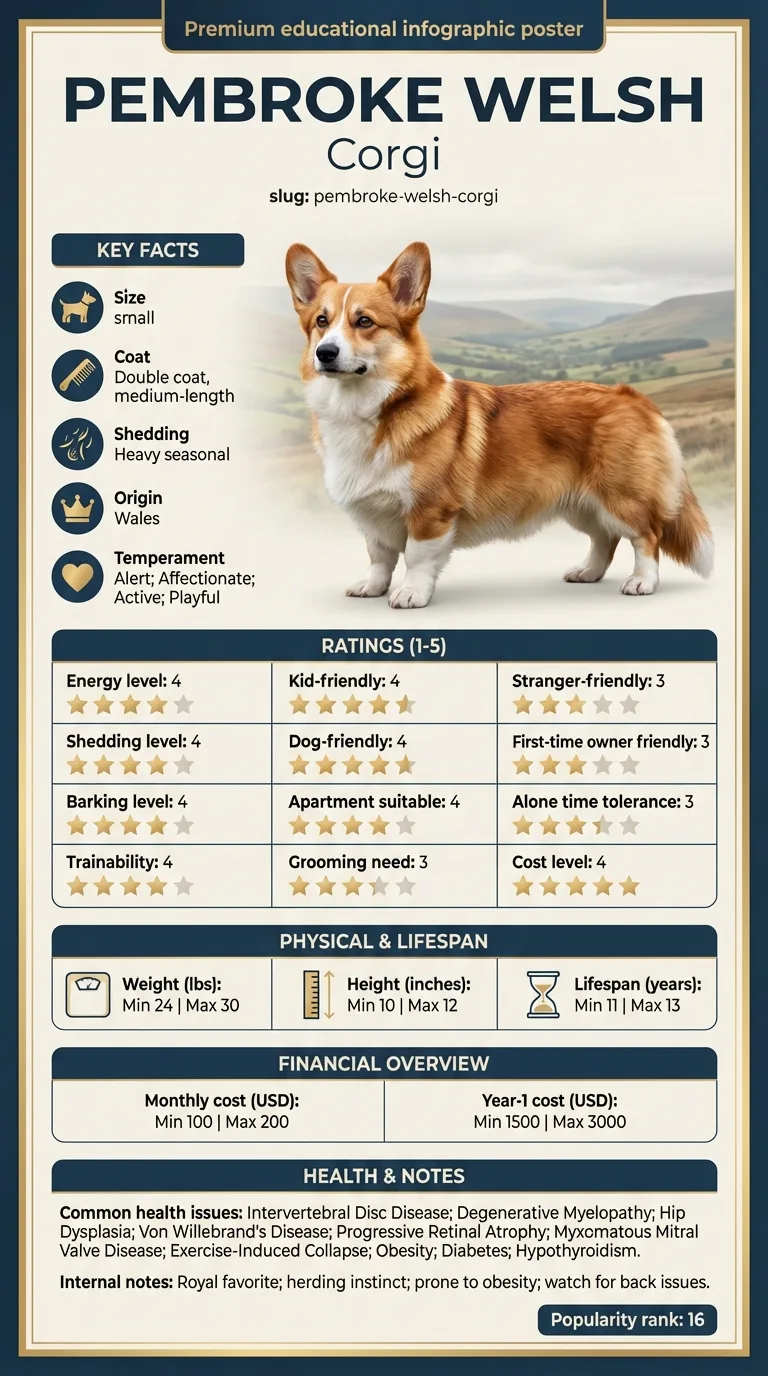
Owners of Pembroke Welsh Corgis often face challenges with elbow dysplasia. This issue can be particularly concerning for those who want active, playful companions but find their dog struggling with mobility.
This guide is not medical advice. If your dog shows pain, sudden behavior change, or worsening symptoms, consult a licensed veterinarian.
Some links may be affiliate links. We may earn a commission at no extra cost to you. We only suggest products we believe are helpful for dog owners.
We research and check what we publish, but we do not warrant that any figure, date, price, or statement is accurate, complete, or current, and we accept no liability for any loss, cost, injury, or other harm arising from the use of this site. Use it as one reference among several. You remain responsible for your own decisions and for your dog's care - confirm anything that matters with a licensed veterinarian or another qualified professional before you act on it. Full disclaimer.
Check this first
Recognizing when Pembroke Welsh Corgi elbow dysplasia is an emergency is crucial for your pet's health. Some signs indicate that you should call your vet immediately, while others can be monitored at home. Understanding these differences can help you act quickly when needed.
If any of these apply, call your vet or an emergency clinic now. The rest of this page is for the cases that are not an emergency.
Pembroke Welsh Corgi elbow dysplasia is a common condition where the elbow joint does not develop properly, leading to pain and mobility issues. This can manifest in your Corgi as limping, difficulty in getting up, or hesitance to engage in play or exercise. It's important to recognize these signs early to manage the condition effectively.
Elbow dysplasia is relatively common in Pembroke Welsh Corgis. Many owners report experiencing this issue, especially in younger dogs or those with a family history of joint problems.
Pembroke Welsh Corgis are prone to elbow dysplasia due to their genetics. This condition often results from inherited factors that affect joint formation. Breeds with a history of this issue, like the Corgi, may have a higher risk of developing it as they grow.
Environmental factors can also contribute to elbow dysplasia. Overweight Corgis or those that experience rapid growth due to poor diet may put extra stress on their joints. Additionally, high-impact activities during their development stage can exacerbate these issues.
If your Pembroke Welsh Corgi displays symptoms like limping, swelling, or reluctance to use their front legs, it’s important to consult a veterinarian. They can assess the severity of the condition and recommend appropriate treatments, which may include medication or surgery.
Managing Pembroke Welsh Corgi elbow dysplasia can be tricky. Here are common mistakes that can make the situation worse, along with safer alternatives.
Start here: Pembroke Welsh Corgi Most Common Genetic Disorders
See all Pembroke Welsh Corgi health problems, which breeds are prone to elbow dysplasia, or the full Pembroke Welsh Corgi breed guide for temperament, exercise needs and ownership costs.
With proper management and care, you can see improvements in your Pembroke Welsh Corgi's mobility within 4 to 6 weeks. However, some dogs may require ongoing treatment and lifestyle adjustments throughout their lives.
Success means your Corgi can move comfortably without pain, engage in regular play, and maintain a good quality of life. You'll also notice them enjoying their daily activities more and showing less reluctance to exercise.
If your Corgi shows any of these symptoms, seek veterinary help right away: - Severe lameness or inability to bear weight on the affected leg - Swelling around the elbow joint - Persistent crying or signs of pain when moving or being touched - Sudden changes in behavior, like aggression or withdrawal - Difficulty in performing everyday activities, like climbing stairs or jumping.

If your Corgi has mild elbow dysplasia symptoms, you can monitor them at home. Look for less severe signs, such as occasional limping or stiffness after exercise. Keep track of their activity levels and pain responses, and maintain regular vet appointments to assess their condition.

When Sarah adopted Bella, her Pembroke Welsh Corgi, she quickly noticed Bella was hesitant to jump or play for long. After a vet visit, Sarah learned Bella had elbow dysplasia, a joint malformation in her elbows. Determined to help her pup, Sarah researched treatment options and started a combination of physical therapy and weight management. She also adjusted Bella's exercise routine to include low-impact activities, like swimming. Over the next few months, Bella grew stronger and more active. She was able to enjoy walks and playtime without discomfort, which brought joy back into both their lives.
Key takeaway: With the right care and adjustments, managing Pembroke Welsh Corgi elbow dysplasia can lead to significant improvements in mobility and quality of life.
Elbow dysplasia in Pembroke Welsh Corgis is often due to genetic factors that affect joint development. Overweight dogs are more prone to this condition, so maintaining a healthy weight is crucial. Early signs can include limping or reluctance to play.
While you can't completely prevent elbow dysplasia, managing your dog's weight and ensuring they get regular, low-impact exercise can help. Consult with your vet about a tailored exercise plan and consider joint supplements to support their health.
Signs of elbow dysplasia include limping, stiffness after resting, and difficulty in activities like jumping or climbing stairs. If you notice any of these symptoms, it's best to consult your veterinarian for a proper diagnosis.
Surgery can be an option for severe cases of elbow dysplasia, but many dogs can manage with weight control, physical therapy, and pain relief medications. Discuss the best course of action with your vet based on your dog's specific condition.
Training can be beneficial, particularly in teaching your dog to avoid excessive jumping and rough play. Focus on gentle training that reinforces calm behavior and minimizes strain on their joints.
Elbow dysplasia in Pembroke Welsh Corgis is often due to genetic factors, but it can also result from environmental influences. Factors like rapid growth, improper nutrition, and excessive exercise during puppyhood can contribute to joint malformation.
Managing elbow dysplasia typically involves a combination of weight management, low-impact exercise, and medication to control pain or inflammation. Regular vet check-ups are essential to monitor the condition and adjust treatment as needed.
Signs of elbow dysplasia can appear as early as six months, but symptoms may not be obvious until your dog is older. If your Corgi shows limping or difficulty in movement, consult your vet for an evaluation.
While elbow dysplasia is primarily a developmental issue, older Pembroke Welsh Corgis can still suffer from joint problems, including arthritis. It's important to monitor their mobility and consult your vet for appropriate care.
Long-term effects of elbow dysplasia can include chronic pain, decreased mobility, and a higher risk of arthritis. Early intervention and ongoing management can significantly improve your dog's quality of life and mobility.
Maintain a healthy weight and provide low-impact exercise to help manage elbow dysplasia. Regular vet check-ups can also help monitor joint health.
Treatment costs for elbow dysplasia can vary widely, ranging from $1,500 to $3,000 for surgery and ongoing care. Regular vet visits and medications can add to the monthly expenses.
If you see signs of elbow dysplasia, schedule a vet appointment as soon as possible. Early intervention can help manage the condition more effectively.
Yes, excess weight can worsen joint problems like elbow dysplasia. Keeping your Corgi at a healthy weight is crucial for joint health.
Yes, avoid high-impact activities like jumping or running on hard surfaces. Focus on gentle walks and swimming, which are easier on their joints.
A one-page prep sheet for this condition: the signs, the questions to ask, what to get priced. Unlocks here.
You get: Vet visit prep sheet
No spam. One-click unsubscribe. See our privacy policy.
See a sample page before you decide.
Early access list
The free prep sheet covers the same-day warning signs, a symptom log and the questions to ask. We are considering a fuller kit that adds a cost worksheet for the usual tests and treatments (US price ranges with their sources) and a plain-English guide to ways of covering the bill. It is not built yet; this list tells us whether it is worth building.
One email, no spam, unsubscribe anytime. Information only, not veterinary advice.