Behavior
What are quick tips for Pembroke Welsh Corgi cherry eye?
Keep your Corgi's environment calm and stress-free to help minimize flare-ups. Regular vet check-ups can catch issues early. Ensure your Corgi isn’t rubbing their eyes excessively.

Quick answer
What are quick tips for Pembroke Welsh Corgi cherry eye?
Keep your Corgi's environment calm and stress-free to help minimize flare-ups. Regular vet check-ups can catch issues early. Ensure your Corgi isn’t rubbing their eyes excessively.
Cherry eye is a common problem in Pembroke Welsh Corgis that can affect their health and comfort.
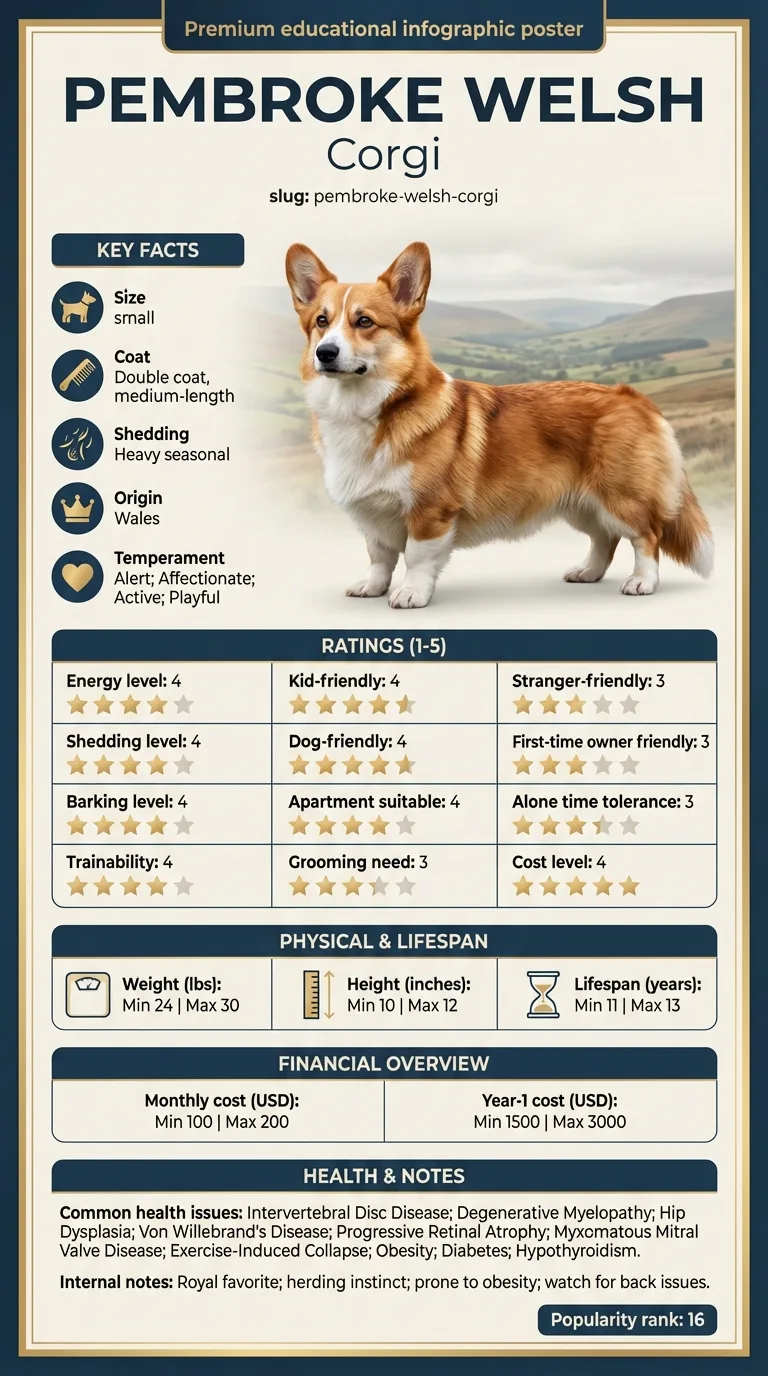
Many Corgi owners, especially first-time pet parents, find themselves confused and worried when they notice cherry eye in their furry friends. This issue can be particularly challenging for those who want to ensure their pet's happiness and well-being.
This guide is not medical advice. If your dog shows pain, sudden behavior change, or worsening symptoms, consult a licensed veterinarian.
Some links may be affiliate links. We may earn a commission at no extra cost to you. We only suggest products we believe are helpful for dog owners.
We research and check what we publish, but we do not warrant that any figure, date, price, or statement is accurate, complete, or current, and we accept no liability for any loss, cost, injury, or other harm arising from the use of this site. Use it as one reference among several. You remain responsible for your own decisions and for your dog's care - confirm anything that matters with a licensed veterinarian or another qualified professional before you act on it. Full disclaimer.
Check this first
Not all cases of cherry eye in your Pembroke Welsh Corgi require immediate action. However, there are specific signs that indicate you should call your vet right away. If your dog shows severe swelling, redness, or discharge from the affected eye, these are red flags that need prompt veterinary attention. Additionally, if your dog is in noticeable pain or is pawing at their eye, don’t wait for an appointment—seek help immediately.
In less severe cases, you can monitor your dog's condition at home. If the cherry eye is a mild prolapse without discomfort and doesn’t seem to affect their vision, you can keep an eye on it for a few days. Make sure to watch for any changes, such as increased swelling or signs of discomfort. A scheduled vet visit can help determine if treatment is necessary.
It's essential to distinguish between these situations. Severe cases can lead to complications like infection or chronic irritation, while mild cases may resolve on their own or with home care. Always trust your instincts—if you’re concerned, it’s better to get a professional opinion.
If any of these apply, call your vet or an emergency clinic now. The rest of this page is for the cases that are not an emergency.
Cherry eye in Pembroke Welsh Corgis appears as a noticeable, red mass in the corner of the eye. This occurs when the tear gland in the eyelid prolapses or moves out of its normal position. It's not just a cosmetic issue; if left untreated, it can lead to discomfort and potential long-term eye problems.
Cherry eye is relatively common in Pembroke Welsh Corgis, especially in younger dogs. Estimates suggest that around 10-20% of Corgis may experience this issue at some point in their lives.
The Pembroke Welsh Corgi is prone to cherry eye due to its unique anatomy. Their eyes and eyelids can be more susceptible to issues like gland prolapse. This condition often arises in breeds with prominent eyes, which makes Corgis more vulnerable.
Environmental factors can also contribute to cherry eye. Allergies, irritants, or excessive rubbing of the eyes may exacerbate the problem. Stress and anxiety in a Corgi's environment can lead to increased eye irritation.
If the cherry eye persists or worsens, it's essential to talk to your vet. They may recommend treatment options, including surgical intervention, to prevent further complications.
Avoiding common pitfalls can help manage Pembroke Welsh Corgi cherry eye effectively. Here are some mistakes to avoid and better alternatives.
Start here: Pembroke Welsh Corgi Most Common Genetic Disorders
See all Pembroke Welsh Corgi health problems, which breeds are prone to cherry eye, or the full Pembroke Welsh Corgi breed guide for temperament, exercise needs and ownership costs.
Most Pembroke Welsh Corgis with cherry eye can see improvement within a few weeks of starting treatment or lifestyle changes. However, complete recovery may take several months, especially if surgery is required.
Success looks like your Corgi having reduced redness and swelling in the eye area, returning to normal behavior, and not experiencing further episodes of cherry eye.
Megan, a new dog owner living in a small apartment, noticed her Pembroke Welsh Corgi, Bella, had a swollen eyelid that looked like a cherry. Concerned, she took Bella to the vet, who explained that it was cherry eye, a common issue in Corgis. Megan learned about treatment options and opted for a non-surgical approach, including eye drops and adjusting Bella's diet. Over the next few months, with consistent care, Bella's eye improved significantly, and her overall health thrived as well. Megan realized the importance of staying on top of health issues and maintaining good vet communication.
Key takeaway: Addressing cherry eye early with veterinary guidance can lead to effective management and a happier, healthier pet.
Cherry eye occurs when the third eyelid gland prolapses and becomes visible. This can happen due to genetics or stress. It's important to consult a vet as it can lead to further complications if untreated. This answer relates to Pembroke Welsh Corgi cherry eye.
To manage cherry eye, consult your veterinarian for advice on treatment options. Surgery is often recommended to reposition the gland. Additionally, keeping your Corgi calm and reducing stress can help prevent flare-ups.
Yes, cherry eye is relatively common in Pembroke Welsh Corgis due to their genetics. It's important to be aware of this condition, especially if you notice any symptoms. Early intervention can help manage the issue effectively.
While some minor cases can be managed with careful monitoring, it's best to seek professional veterinary help. Home remedies are not a substitute for proper medical treatment. Surgery is often needed to correct the issue.
Cherry eye occurs when the gland in the dog's third eyelid prolapses. This condition can be caused by genetics, breed predisposition, or even stress. It's important to consult your vet if you notice this issue.
While some mild cases may temporarily improve, cherry eye usually doesn't resolve without treatment. It's best to address the issue promptly to prevent complications, including irritation or infection.
Surgery is often recommended to reposition the prolapsed gland. Non-surgical options, like medication, may help manage symptoms but won't fix the underlying issue. Always discuss treatment plans with your vet.
Preventing cherry eye involves maintaining your Corgi's overall health and managing stress. Regular vet check-ups and addressing any health issues early can also help. However, some dogs may be genetically predisposed, making prevention challenging.
Keep your Corgi's environment calm and stress-free to help minimize flare-ups. Regular vet check-ups can catch issues early. Ensure your Corgi isn’t rubbing their eyes excessively.
Treatment for cherry eye can range from $500 to $1,500, depending on the severity and whether surgery is needed. Always consult with your vet for a more accurate estimate.
Cherry eye can lead to discomfort and further eye issues if not treated. It's important to address it promptly with your vet to prevent complications.
Training may not directly impact cherry eye, but reducing stress through positive reinforcement can help. A calm dog is less likely to exacerbate the issue.
A one-page prep sheet for this condition: the signs, the questions to ask, what to get priced. Unlocks here.
You get: Vet visit prep sheet
No spam. One-click unsubscribe. See our privacy policy.
See a sample page before you decide.
Early access list
The free prep sheet covers the same-day warning signs, a symptom log and the questions to ask. We are considering a fuller kit that adds a cost worksheet for the usual tests and treatments (US price ranges with their sources) and a plain-English guide to ways of covering the bill. It is not built yet; this list tells us whether it is worth building.
One email, no spam, unsubscribe anytime. Information only, not veterinary advice.