DogBreedCompass
← Back to breed profile

Pembroke Welsh Corgi Cataracts: What You Need to Know

Cataracts are a common eye issue in Pembroke Welsh Corgis that can lead to vision problems. (Pembroke Welsh Corgi cataracts)

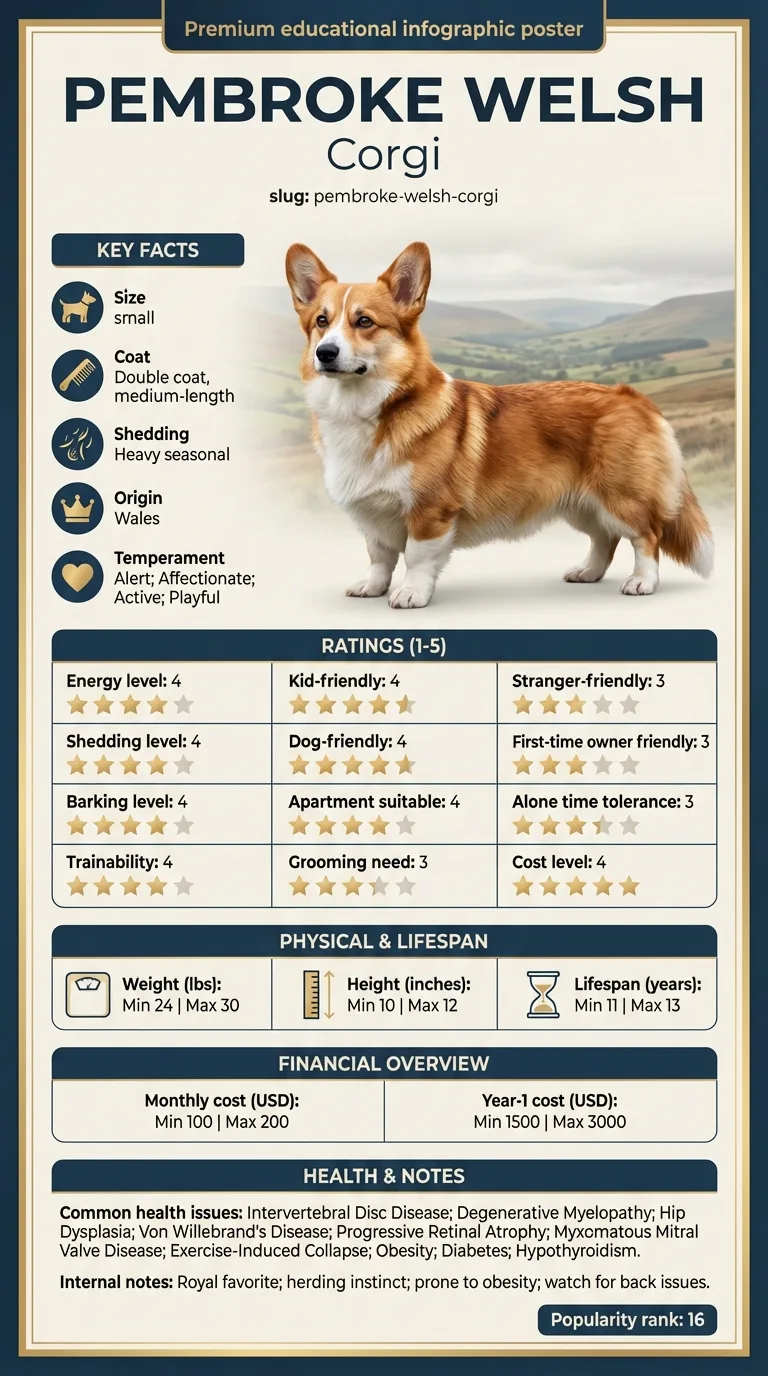
Pembroke Welsh Corgi Cataracts: What You Need to Know infographic

Pet owners who adore their playful Corgis may face challenges if their dog develops cataracts. Often, these owners are proactive caretakers who want the best for their furry companions but might feel overwhelmed by health issues.

Important reminder

This guide is not medical advice. If your dog shows pain, sudden behavior change, or worsening symptoms, consult a licensed veterinarian.

Some links may be affiliate links. We may earn a commission at no extra cost to you. We only suggest products we believe are helpful for dog owners.

What this problem looks like

Pembroke Welsh Corgi cataracts can be a serious issue for many owners. This condition involves the clouding of the eye lens, leading to blurred vision and potential blindness. It commonly affects older Corgis, but young dogs can also show signs due to genetics or other health conditions.

Common triggers

  • Aging, as cataracts are more prevalent in older dogs.
  • Genetic predisposition, which is common in the Pembroke Welsh Corgi breed.
  • Health issues like diabetes that can exacerbate cataract development.

Cataracts are relatively common among Pembroke Welsh Corgis, particularly as they age. Many Corgis will experience some form of eye issue in their lifetime, making regular veterinary check-ups essential.

Why this happens

Breed factors

Pembroke Welsh Corgis can be genetically predisposed to developing cataracts. This breed is known for several eye-related issues, including cataracts, due to inherited traits. The likelihood of cataracts increases as they age, especially if there's a family history.

Environment factors

Environmental factors can also contribute to cataracts in Corgis. Prolonged exposure to sunlight without protection may increase the risk. Additionally, poor nutrition or underlying health problems, like diabetes, can lead to cataract formation.

What you can try

At-home strategies

  • Ensure your Corgi has a balanced diet rich in antioxidants to support eye health.
  • Limit their exposure to direct sunlight by providing shaded areas during outdoor play.
  • Regularly check your Corgi's eyes for any changes or cloudiness, and keep their eyes clean and free of irritants.

When to consider a trainer

If your Corgi shows signs of anxiety or stress related to their vision, consider working with a trainer who specializes in behavior issues. They can help with desensitization techniques.

When to talk to your vet

If you notice any signs of cataracts, such as cloudiness in the eyes or changes in your Corgi's behavior, contact your vet. They can assess the condition and recommend the best course of action.

Realistic expectations

You can expect to see improvements in your Pembroke Welsh Corgi's cataract symptoms within a few weeks of starting treatment. Regular vet check-ups and consistent care will play a key role in monitoring progress.

Success means your Corgi can see better and navigate their environment more comfortably. You may notice them becoming more active and engaging in play, showing a brighter demeanor overall.

Mistakes that make this worse

Avoiding these common mistakes can help improve your Pembroke Welsh Corgi's cataracts and overall health.

  • Ignoring early signs: Many owners overlook the initial signs of cataracts, like cloudy eyes. Early detection through regular vet check-ups can lead to better treatment options.
  • Skipping vet visits: Some owners delay vet appointments thinking their Corgi's cataracts aren't severe. Regular check-ups are crucial for monitoring the progression and discussing treatment options.
  • Using home remedies: Trying DIY treatments for cataracts can be risky. Always consult your vet before attempting any home remedies to avoid worsening the condition.
  • Overlooking diet: Feeding a poor diet can affect your Corgi's overall health, including eye health. A balanced diet rich in antioxidants can help support eye function.
  • Neglecting exercise: Some owners think less activity is better for a dog with cataracts. Gentle, regular exercise is important for maintaining their overall health and well-being.
  • Failing to manage other health issues: Unmanaged health problems can exacerbate cataracts. It's essential to address any other existing conditions, like obesity or diabetes, with your vet's guidance.
  • Not providing mental stimulation: A bored Corgi may develop stress, which can worsen health issues. Engage your Corgi with interactive toys and training to keep their mind active.

When Pembroke Welsh Corgi Cataracts Become an Emergency

Cataracts in your Pembroke Welsh Corgi can be concerning, but knowing when to act is crucial. If your dog shows signs of severe eye pain or has sudden changes in vision, these are red flags. Other emergency symptoms include excessive squinting, tearing, or a visible change in eye appearance, such as a cloudy lens. If you notice any of these signs, call your vet immediately.

On the other hand, if your Corgi has mild cataracts without significant discomfort, you can monitor the situation. Changes in behavior, like bumping into objects, could indicate a need for evaluation, but they don’t always mean urgent action is required. Regular check-ups can help track the progression of cataracts. Maintain a plan with your vet for ongoing assessment and discuss options for managing your pet’s comfort.

Being proactive can make a big difference in your Pembroke Welsh Corgi's quality of life. Routine eye examinations are key to catching problems early. If you’re unsure, it’s always better to err on the side of caution and consult your vet for guidance.

Pembroke Welsh Corgi Cataracts: What You Need to Know - When Pembroke Welsh Corgi Cataracts Become an Emergency

Max's Journey with Cataracts

Emily, a dedicated pet owner from Denver, noticed her Pembroke Welsh Corgi, Max, bumping into furniture and struggling to find his favorite toys. After a vet visit, she learned that Max had developed cataracts. Determined to help her furry friend, Emily followed the vet's recommendations for treatment and made adjustments to their home to create a safe space. Over the next few months, Max's vision improved, and he returned to his playful self, confidently exploring their backyard once again.

Key takeaway: If your Pembroke Welsh Corgi shows signs of vision issues, early intervention and consistent care can significantly improve their quality of life.

Frequently asked questions

Why does my Pembroke Welsh Corgi have cataracts?

Cataracts in Pembroke Welsh Corgis can happen due to age, genetics, or underlying health issues. They may also develop due to diabetes or other health problems. It's essential to monitor your dog's eyes and consult a vet if you notice cloudiness.

How can I help my Pembroke Welsh Corgi with cataracts?

To help your Pembroke Welsh Corgi with cataracts, ensure they have regular vet check-ups. If the cataracts are affecting their vision, your vet may discuss surgical options. Additionally, maintaining a healthy diet and managing any underlying conditions can be beneficial.

What are the signs of cataracts in Pembroke Welsh Corgis?

Signs of cataracts include cloudy or bluish eyes, difficulty seeing in low light, and changes in behavior like bumping into things. You might also notice your Corgi being less active or hesitant to play. If you see these signs, consult your veterinarian.

Can cataracts be treated in Pembroke Welsh Corgis?

Yes, cataracts can often be treated through surgery, which can restore vision in many cases. However, this surgery is usually only recommended if the cataracts are significantly affecting the dog's quality of life. Your vet can provide guidance on the best course of action.

Are Pembroke Welsh Corgis prone to cataracts?

Yes, Pembroke Welsh Corgis can be prone to cataracts due to their genetic background. Regular vet check-ups can help catch any issues early. Early detection can lead to better management and treatment options.

What should I do if my Pembroke Welsh Corgi is showing signs of cataracts?

If you notice cloudiness in your Pembroke Welsh Corgi's eyes, it's best to consult your veterinarian. They can assess the condition and recommend treatment options to help manage your dog's vision.

Are cataracts hereditary in Pembroke Welsh Corgis?

Yes, cataracts can be hereditary in Pembroke Welsh Corgis. If you have a breeding pair, it's important to check their health history for any eye conditions to reduce the risk in their offspring.

How can I help my older Pembroke Welsh Corgi with cataracts?

For older Corgis struggling with cataracts, consider making your home more navigable. Keeping furniture in the same place and minimizing obstacles can help your dog move around safely.

Can cataracts in Pembroke Welsh Corgis lead to other health issues?

Yes, untreated cataracts can lead to more serious problems, such as glaucoma. Regular check-ups with your vet can help catch these complications early and provide the best care.

What are the treatment options for Pembroke Welsh Corgi cataracts?

Treatment for cataracts usually involves surgery to remove the cloudy lens. Your veterinarian can help determine if your dog is a good candidate for this procedure and discuss post-surgery care.

Quick answers

View more answers
Health

What are quick tips for managing Pembroke Welsh Corgi cataracts?

Keep up with regular vet visits to monitor your Corgi's eye health. Ensure they are eating a balanced diet to support overall health. Consider discussing surgical options if cataracts affect their quality of life.

Living

How can I identify cataracts in my Pembroke Welsh Corgi?

Look for cloudy eyes or changes in your Corgi's behavior, like bumping into furniture. If you notice these signs, schedule a vet appointment promptly.

Health

What should I do if my Pembroke Welsh Corgi has cataracts?

Consult your veterinarian for a full evaluation and discuss treatment options. They can provide guidance tailored to your dog's specific situation.

Living

Are cataracts common in older Pembroke Welsh Corgis?

Yes, cataracts are more common in older Corgis, but they can also occur in younger dogs due to genetics or health issues. Regular check-ups are crucial.

Related DogBreedCompass guides

  • Common health issues in Pembroke Welsh CorgisUnderstand the common health issues affecting Pembroke Welsh Corgis, including cataracts.
  • Pembroke Welsh Corgi behavior problemsLearn effective training techniques to help manage your Pembroke Welsh Corgi's behavior problems.
  • Pembroke Welsh Corgi separation anxiety guideFind out how to support your Pembroke Welsh Corgi with separation anxiety, which can be related to health issues.
  • Pembroke Welsh Corgi cost breakdownExplore the costs associated with caring for a Pembroke Welsh Corgi, including potential health issues like cataracts.
  • How to stop Pembroke Welsh Corgi cataractsDiscover how to train your Pembroke Welsh Corgi to manage or prevent cataracts through proper care.

Related guides