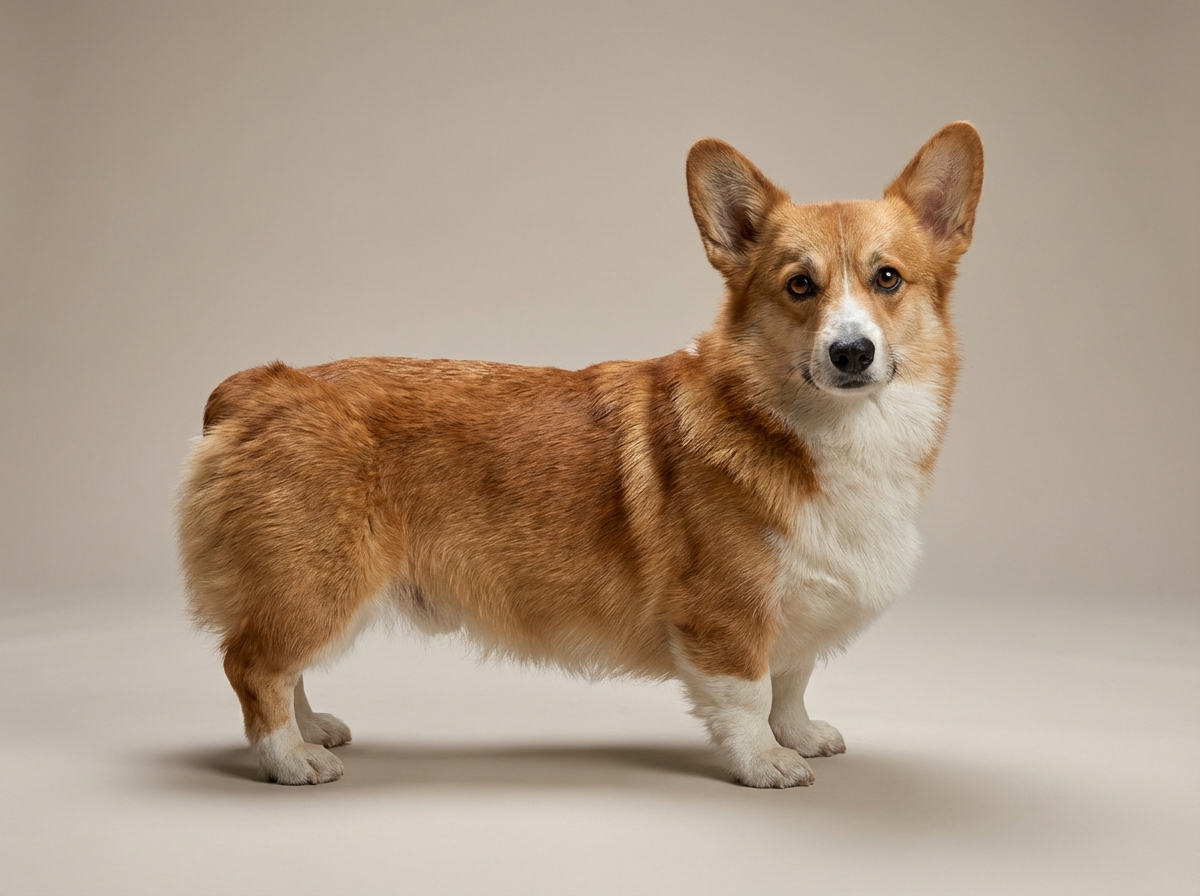
Behavior
What are Pembroke Welsh Corgi bloat (gdv) quick tips?
Feed smaller meals, avoid exercise after eating, and monitor for signs of distress. These steps can help reduce the risk of bloat.

Quick answer
What are Pembroke Welsh Corgi bloat (gdv) quick tips?
Feed smaller meals, avoid exercise after eating, and monitor for signs of distress. These steps can help reduce the risk of bloat.
Pembroke Welsh Corgi bloat (GDV) is a serious condition that can threaten your dog's life. Understanding its causes and symptoms is crucial for every Corgi owner.
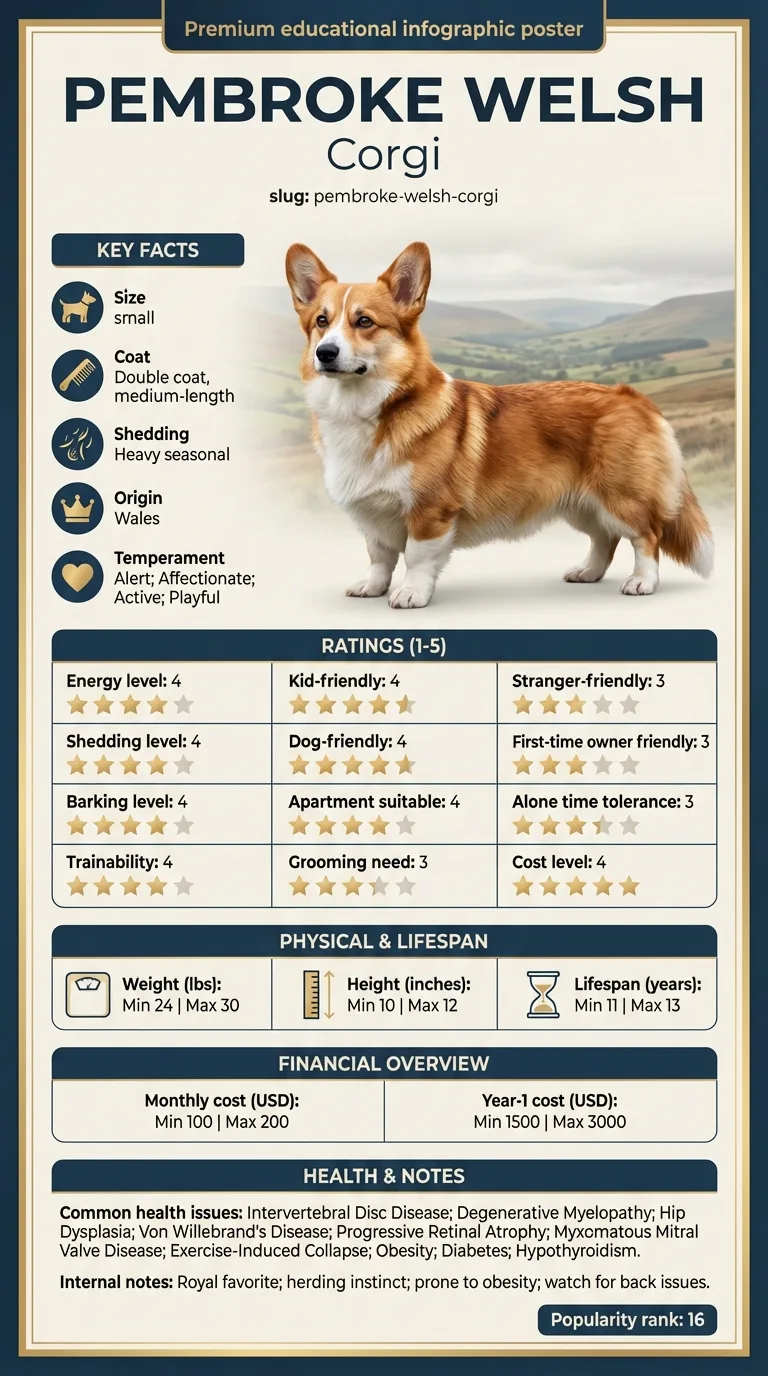
Owners of Pembroke Welsh Corgis, especially those with active or anxious dogs, often face this problem. It can be distressing for first-time dog owners who may not recognize the signs of bloat quickly enough.
This guide is not medical advice. If your dog shows pain, sudden behavior change, or worsening symptoms, consult a licensed veterinarian.
Some links may be affiliate links. We may earn a commission at no extra cost to you. We only suggest products we believe are helpful for dog owners.
We research and check what we publish, but we do not warrant that any figure, date, price, or statement is accurate, complete, or current, and we accept no liability for any loss, cost, injury, or other harm arising from the use of this site. Use it as one reference among several. You remain responsible for your own decisions and for your dog's care - confirm anything that matters with a licensed veterinarian or another qualified professional before you act on it. Full disclaimer.
Check this first
Recognizing the signs of Pembroke Welsh Corgi bloat (GDV) can be life-saving. Immediate vet care is crucial if you notice any of the following red flags. These symptoms include severe abdominal swelling, unproductive retching, excessive drooling, and signs of distress like pacing or restlessness.
If any of these apply, call your vet or an emergency clinic now. The rest of this page is for the cases that are not an emergency.
Pembroke Welsh Corgi bloat (GDV) is a serious condition where the stomach fills with gas and can twist. This can happen suddenly and often presents with signs like restlessness, drooling, and a swollen abdomen. If not treated quickly, it can be life-threatening, making it crucial for Corgi owners to recognize the symptoms.
Bloat (GDV) is relatively common in Pembroke Welsh Corgis, especially as they age. While not every Corgi will experience this issue, being aware of the signs and triggers can help owners take preventive measures.
Pembroke Welsh Corgis are at a higher risk for bloat (GDV) due to their anatomy. Their deep chest and relatively short legs can lead to a twisting stomach, especially if they eat quickly or are overly active soon after meals. Additionally, genetics can play a role, as certain lines may be more prone to this condition.
Environmental factors can also contribute to bloat. Stressful situations, such as loud noises or changes in routine, can increase anxiety in your Corgi, making them more likely to gulp air while eating. Feeding habits, like using a raised bowl or allowing vigorous play after meals, can further elevate the risk.
If your Pembroke Welsh Corgi exhibits symptoms of bloat, such as a swollen abdomen, restlessness, or attempts to vomit without success, contact your vet immediately. Also, discuss any weight management or dietary concerns with your vet to ensure your dog stays healthy.
Avoiding these common mistakes can help prevent Pembroke Welsh Corgi bloat (GDV) and support your dog's health.
Start here: Pembroke Welsh Corgi Most Common Genetic Disorders
See all Pembroke Welsh Corgi health problems, which breeds are prone to bloat gdv, or the full Pembroke Welsh Corgi breed guide for temperament, exercise needs and ownership costs.
Managing Pembroke Welsh Corgi bloat (GDV) can take several weeks to months, depending on the severity of your dog's condition and the effectiveness of care routine.
Success means your Corgi shows reduced anxiety during feeding, maintains a healthy weight, and has a stable digestion, all while you feel confident in managing their diet and exercise.
In less severe cases, you can monitor your Pembroke Welsh Corgi at home. Symptoms to keep an eye on include mild bloating, decreased appetite, and occasional stomach discomfort. If these signs persist or worsen, however, it's important to consult your veterinarian for further evaluation.

Sarah, a busy dog mom from Denver, noticed her Pembroke Welsh Corgi, Max, was bloated after meals. She learned that feeding him too quickly was a common cause. By investing in a slow feeder bowl and training Max to eat calmly, she gradually saw improvements. After a few weeks, Max was eating slower and seemed much happier and healthier. Sarah also adjusted his exercise routine to help manage his weight, ultimately leading to fewer bloat episodes.
Key takeaway: With the right tools and patience, you can significantly reduce the risks of Pembroke Welsh Corgi bloat (GDV) and improve your dog's overall well-being.
Bloat, or gastric dilatation-volvulus (GDV), can occur in Pembroke Welsh Corgis due to a mix of genetic factors, diet, and eating habits. Rapid eating, large meals, or exercise after eating can increase the risk. Monitoring your dog's behavior and feeding routine can help prevent this serious condition.
To reduce the risk of bloat in your Pembroke Welsh Corgi, feed smaller meals throughout the day rather than one large meal. Avoid vigorous exercise right after meals, and consider using a raised feeding bowl to encourage slower eating. Regular vet check-ups are essential to monitor your dog's health.
Signs of bloat in Pembroke Welsh Corgis can include a swollen abdomen, restlessness, excessive drooling, and attempts to vomit without success. If you notice these symptoms, seek emergency veterinary care immediately. Time is critical in treating GDV.
Yes, Pembroke Welsh Corgis with a history of bloat can still be trained. Focus on positive reinforcement techniques and ensure that training sessions are not scheduled immediately after meals. Adjusting their feeding routine can aid in management.
Preventive measures include feeding your Pembroke Welsh Corgi smaller, more frequent meals, and avoiding exercise for at least an hour after eating. Additionally, consider discussing preventive surgeries with your vet if your dog is at high risk.
Early signs of Pembroke Welsh Corgi bloat (gdv) include restlessness, a swollen abdomen, and attempts to vomit without success. You might also notice excessive drooling and signs of discomfort. If you see these symptoms, seek veterinary help immediately.
Yes, older Pembroke Welsh Corgis can experience bloat (gdv) due to decreased digestive efficiency or other health issues. It's crucial to monitor their eating habits and overall health closely. Regular vet check-ups can help catch any underlying issues early.
To reduce the risk of Pembroke Welsh Corgi bloat (gdv), feed smaller, more frequent meals instead of one large meal. Avoid feeding them right before or after vigorous exercise. Consult your vet for dietary recommendations tailored to your Corgi's needs.
Signs that your Pembroke Welsh Corgi is in pain from bloat (gdv) include whining, pacing, and a hunched posture. They may also refuse food and appear lethargic. If you suspect bloat, it's crucial to get them to the vet quickly.
Feed smaller meals, avoid exercise after eating, and monitor for signs of distress. These steps can help reduce the risk of bloat.
Feeding your Pembroke Welsh Corgi two to three smaller meals a day is recommended to help prevent bloat.
Yes! A slow feeder can help reduce the speed at which your Pembroke Welsh Corgi eats, lowering the risk of bloat.
If your dog shows signs like a swollen belly or difficulty breathing, contact your vet immediately, as GDV is a medical emergency.
A one-page prep sheet for this condition: the signs, the questions to ask, what to get priced. Unlocks here.
You get: Vet visit prep sheet
No spam. One-click unsubscribe. See our privacy policy.
Preview page 1 before you decide.