DogBreedCompass
← Back to breed profile

Dealing with Pembroke Welsh Corgi Allergies

Pembroke Welsh Corgi allergies can be a frustrating challenge for owners and their furry friends.

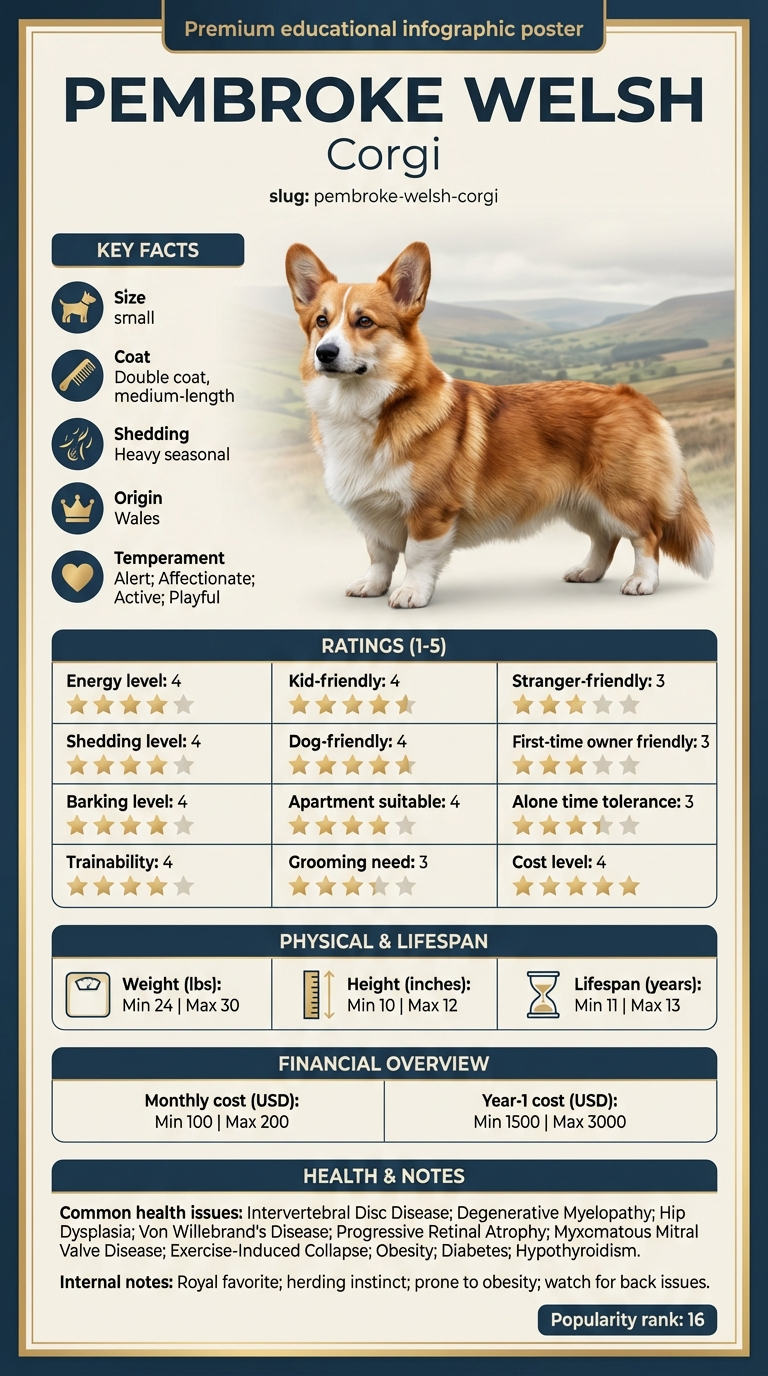
Dealing with Pembroke Welsh Corgi Allergies infographic

Many Corgi owners find themselves navigating this issue, especially those who live in areas with high pollen counts or who have recently changed their dog's diet. First-time dog owners may also feel overwhelmed by the need to identify and manage these allergies effectively.

Important reminder

This guide is not medical advice. If your dog shows pain, sudden behavior change, or worsening symptoms, consult a licensed veterinarian.

Some links may be affiliate links. We may earn a commission at no extra cost to you. We only suggest products we believe are helpful for dog owners.

What this problem looks like

Pembroke Welsh Corgi allergies can be a frustrating issue for both dogs and their owners. Many Corgis suffer from food and environmental allergies, leading to symptoms like itchy skin, ear infections, and gastrointestinal distress. These allergies can cause discomfort, making daily life challenging for your furry friend.

Common triggers

  • Certain foods, including grains, dairy, and specific proteins
  • Pollen, dust mites, and mold in the environment
  • Fleas and other parasites that can cause allergic reactions

Allergies are fairly common among Pembroke Welsh Corgis, with many experiencing some form of allergic reaction at least once in their lives. This breed's double coat may contribute to skin issues, making them more susceptible to allergies.

Why this happens

Breed factors

Pembroke Welsh Corgis can be more prone to allergies due to their genetics. Certain breeds, including Corgis, have a higher likelihood of developing food allergies or sensitivities. Additionally, their double coat can trap allergens, leading to skin irritations.

Environment factors

Allergies in Corgis can also stem from their environment. Common triggers include pollen, dust mites, mold, and certain household cleaners. Changes in diet or exposure to new materials can also cause allergic reactions.

What you can try

At-home strategies

  • Regularly groom your Corgi to reduce allergens trapped in their coat. Bathing them with hypoallergenic shampoo can also help alleviate skin irritation.
  • Keep your home clean by vacuuming frequently and using air purifiers to reduce airborne allergens. Wash bedding and toys regularly.
  • Consider a limited-ingredient diet to identify potential food allergies. Gradually introduce new foods and monitor for any reactions.

When to consider a trainer

If your Corgi shows signs of anxiety or distress related to their allergies, a trainer can provide strategies to help them cope. Training can also assist in managing behaviors that arise from discomfort, such as excessive scratching or biting.

When to talk to your vet

If home remedies don't improve your Corgi's allergies, or if they experience severe symptoms like swelling or difficulty breathing, consult your vet. They can recommend allergy testing or prescribe medication to alleviate your dog's discomfort.

Realistic expectations

Managing Pembroke Welsh Corgi allergies can take 1 to 3 months to identify triggers and see improvements with treatment.

Success looks like reduced allergy symptoms, such as less itching or fewer ear infections, enabling your Corgi to enjoy daily life more comfortably.

Mistakes that make this worse

Avoiding common pitfalls can significantly improve your Pembroke Welsh Corgi's allergy situation.

  • Ignoring Symptoms: Not addressing signs like itching or sneezing promptly can lead to worsening allergies. Consult your vet for a proper diagnosis and treatment plan.
  • Over-Bathing: Frequent baths can strip natural oils from your Corgi's skin, worsening irritation. Instead, limit baths to once a month and use hypoallergenic shampoos.
  • Changing Diets Too Often: Regularly switching foods can upset your Corgi's stomach and complicate allergy management. Stick to a consistent, vet-recommended diet and introduce new foods slowly.
  • Using Harsh Cleaners: Cleaning products with strong chemicals can trigger allergic reactions. Opt for pet-safe, non-toxic cleaners to maintain a healthy environment.
  • Neglecting Regular Grooming: Failing to brush your Corgi regularly can lead to a buildup of allergens in their fur. Aim to groom them weekly to reduce dander and loose hair.
  • Not Monitoring Environment: Allowing your Corgi to roam in allergy-prone areas, like tall grass or heavily polluted spaces, can exacerbate issues. Be mindful of their surroundings, especially during allergy season.
  • Forgetting to Manage Stress: Stress can worsen allergy symptoms in dogs. Create a calm environment and consider relaxation techniques to help your Corgi feel secure.

When Pembroke Welsh Corgi Allergies Are an Emergency

Emergency signs include severe swelling, difficulty breathing, or excessive vomiting. If your Corgi suddenly has hives or shows signs of anaphylaxis, such as collapsing or extreme lethargy, call your vet immediately. These symptoms can indicate a life-threatening allergic reaction that requires prompt treatment.

On the other hand, mild symptoms like occasional itching, sneezing, or minor skin irritation can often be monitored at home. Keep track of your dog’s behavior and consult a vet for advice on how to manage these issues. Implementing a plan for their allergies can help improve their quality of life without the need for urgent care.

If you notice any changes in your Corgi’s appetite or energy levels, it’s wise to keep an eye on them. Documenting these changes can aid your vet in diagnosing the problem. While waiting for your appointment, ensure your dog is comfortable and avoid any known allergens where possible.

Dealing with Pembroke Welsh Corgi Allergies - When Pembroke Welsh Corgi Allergies Are an Emergency

Megan's Journey with Her Allergic Corgi

Megan, a busy nurse in Minneapolis, noticed her Pembroke Welsh Corgi, Benny, scratching more than usual. After a vet visit confirmed allergies, Megan learned to identify triggers in Benny's diet and environment. With a tailored diet and regular vet check-ups, Benny's symptoms improved significantly within two months. Now, he happily plays at the park without constant itching.

Key takeaway: Identifying and managing your Pembroke Welsh Corgi's allergies requires patience, but success leads to a happier, healthier pet.
Frequently asked questions

Why does my Pembroke Welsh Corgi have allergies?

Pembroke Welsh Corgi allergies can stem from various sources, including food ingredients, pollen, and dust mites. Environmental allergies are common and may cause symptoms like itching or skin infections. If your Corgi shows signs of allergies, a vet can help identify the specific triggers.

How can I stop my Pembroke Welsh Corgi's allergies?

To manage Pembroke Welsh Corgi allergies, start by identifying the allergens with your vet. You might need to change their diet or use hypoallergenic dog food. Regular baths with mild shampoo can also help soothe skin irritation.

What are common symptoms of allergies in Pembroke Welsh Corgis?

Symptoms of Pembroke Welsh Corgi allergies include excessive scratching, ear infections, and skin rashes. You may also notice gastrointestinal issues like vomiting or diarrhea. Keeping an eye on these signs can help you address allergies early.

Is allergy testing necessary for my Pembroke Welsh Corgi?

Allergy testing can be beneficial if your Pembroke Welsh Corgi has persistent symptoms. It helps pinpoint specific allergens and can guide treatment options. Consult your vet to discuss whether testing is right for your dog.

Can allergies in Pembroke Welsh Corgis be treated at home?

While some home remedies can help alleviate symptoms, it is essential to consult your vet for a proper diagnosis and treatment plan. Home treatments like oatmeal baths may soothe skin irritation but do not replace professional care.

What are common allergens for Pembroke Welsh Corgis?

Common allergens for Pembroke Welsh Corgis include certain foods, pollen, dust mites, and mold. Identifying and eliminating these allergens can help reduce allergy symptoms.

How can I tell if my Pembroke Welsh Corgi has allergies?

Signs of allergies in Pembroke Welsh Corgis may include excessive itching, redness of the skin, and chronic ear infections. If you notice these symptoms, it’s best to consult your vet for a proper diagnosis.

Are Pembroke Welsh Corgis more prone to allergies as they age?

Yes, as Pembroke Welsh Corgis age, they may develop allergies or show increased sensitivity to allergens. Regular vet check-ups can help manage their health and identify any emerging allergy issues.

When should I take my Pembroke Welsh Corgi to the vet for allergies?

If your Pembroke Welsh Corgi is experiencing severe itching, swelling, or persistent ear infections, it’s time to visit the vet. Early intervention can prevent more serious health issues.

Can I manage my Pembroke Welsh Corgi's allergies at home?

You can manage mild allergies at home by keeping your Corgi's environment clean and using hypoallergenic products. However, it's essential to consult your vet for a tailored treatment plan.

Quick answers

View more answers
Behavior

What are Pembroke Welsh Corgi allergies quick tips?

To manage Pembroke Welsh Corgi allergies, keep your home clean and free of dust. Monitor their diet closely and consider hypoallergenic options. Regular vet check-ups can help track and treat any allergy-related issues.

Living

How often should I bathe my Pembroke Welsh Corgi for allergies?

Bathe your Pembroke Welsh Corgi every 4 to 6 weeks using a gentle, hypoallergenic shampoo. This can help remove allergens from their coat and soothe irritated skin.

Health

Are certain foods better for Corgis with allergies?

Yes, a grain-free or limited ingredient diet may benefit Pembroke Welsh Corgis with allergies. Consult your vet for recommendations on specific brands or formulations.

Behavior

What signs indicate my Corgi's allergies are worsening?

If your Pembroke Welsh Corgi shows increased scratching, persistent ear infections, or swollen areas on the skin, it's time to consult your vet. These signs may indicate that their allergies are getting worse.

Related DogBreedCompass guides

Related guides