Behavior
What are quick tips for managing Miniature Schnauzer progressive retinal atrophy (pra-rcd3)?
Keep your home layout consistent and use non-slip mats to prevent falls. Training with verbal cues can also help your dog navigate safely.
Miniature Schnauzer progressive retinal atrophy (PRA-RCD3) leads to vision loss, affecting your pup's quality of life.
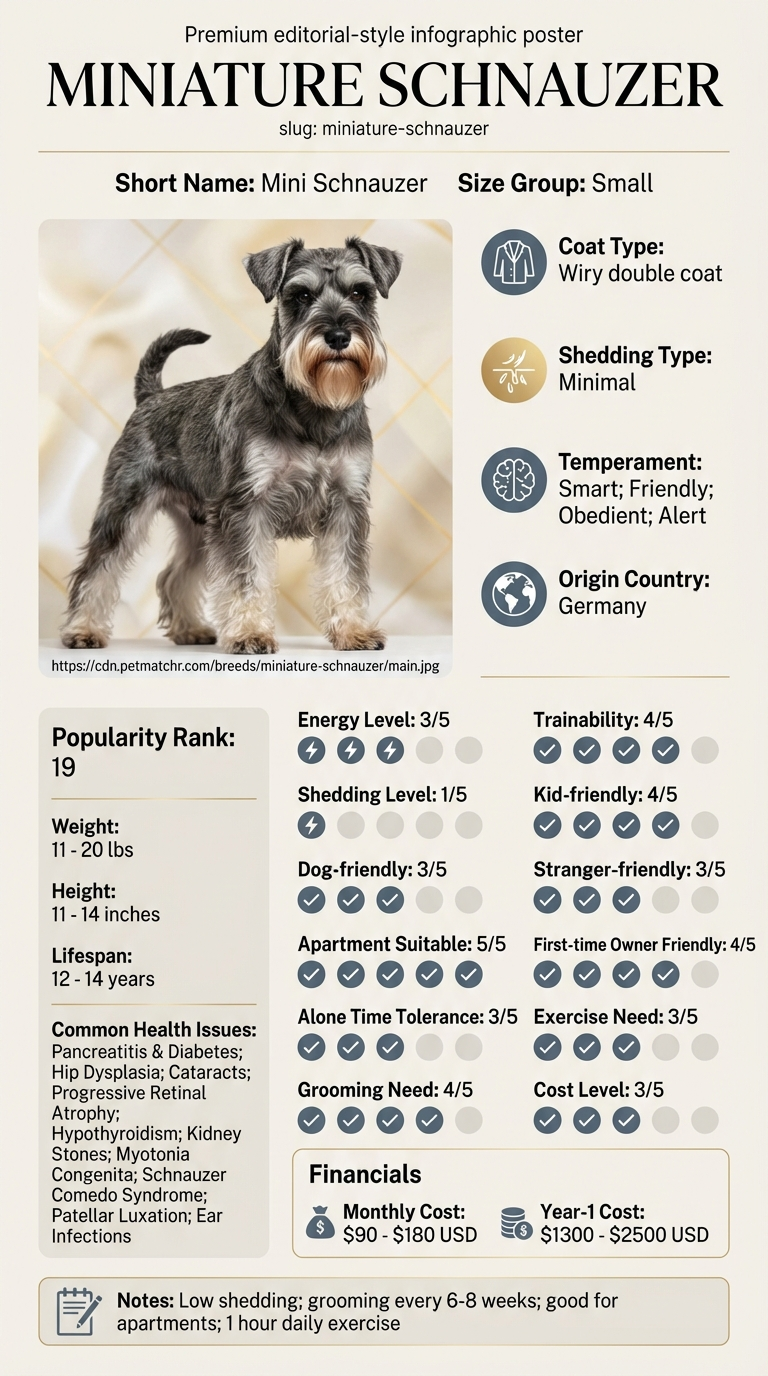
Typically, owners of Miniature Schnauzers facing PRA-RCD3 may notice their dog becoming hesitant in unfamiliar environments or struggling with stairs. This can be particularly challenging for first-time dog owners or those with busy lifestyles who may miss early signs of the condition.
This guide is not medical advice. If your dog shows pain, sudden behavior change, or worsening symptoms, consult a licensed veterinarian.
Some links may be affiliate links. We may earn a commission at no extra cost to you. We only suggest products we believe are helpful for dog owners.
Miniature Schnauzer progressive retinal atrophy (pra-rcd3) is a genetic condition that leads to gradual vision loss. This problem typically manifests as a dog appearing hesitant in new environments, bumping into objects, or struggling to navigate stairs. Owners may notice their Mini Schnauzer becoming less active or more cautious, especially in dim lighting.
Progressive retinal atrophy (pra-rcd3) is relatively common in Miniature Schnauzers, with some studies suggesting that up to 20% of affected individuals may show signs of the condition. It's essential for owners to be aware of this risk when considering this breed.
Miniature Schnauzers are genetically predisposed to Progressive Retinal Atrophy (PRA-rcd3). This condition is inherited and leads to gradual vision loss, affecting their ability to see well, especially in low light. Being a small breed, they may also have higher risks of certain eye conditions due to their size and genetics.
Environmental factors, such as lack of proper nutrition, can worsen eye health in Miniature Schnauzers. Additionally, exposure to toxins or extreme conditions may exacerbate underlying genetic conditions. Regular veterinary check-ups are crucial to monitor their eye health.
If your Miniature Schnauzer shows signs of anxiety or confusion due to vision loss, an experienced trainer can help them adjust. Training can focus on commands that enhance their confidence and mobility.
Consult your veterinarian if you notice any changes in your dog's eyesight, such as bumping into objects or reluctance to walk. Regular eye check-ups can help catch issues early, and your vet can guide you on managing PRA-rcd3 effectively.
Managing Miniature Schnauzer progressive retinal atrophy (pra-rcd3) takes time. Expect gradual changes in your dog's behavior over 6 to 12 months as they adapt to their vision loss.
Success means your Mini Schnauzer can navigate familiar spaces confidently and rely on other senses. Training can enhance their comfort, making daily life enjoyable despite vision challenges.
Many owners unknowingly reinforce issues related to Miniature Schnauzer progressive retinal atrophy (pra-rcd3). Here are some common mistakes to avoid, along with safer alternatives.
Noticing signs of Miniature Schnauzer progressive retinal atrophy (PRA-rcd3) can be concerning. It's essential to know when to call your vet immediately and when you might monitor the situation. If your dog shows severe vision loss, sudden changes in behavior, or signs of pain, these require immediate veterinary attention.
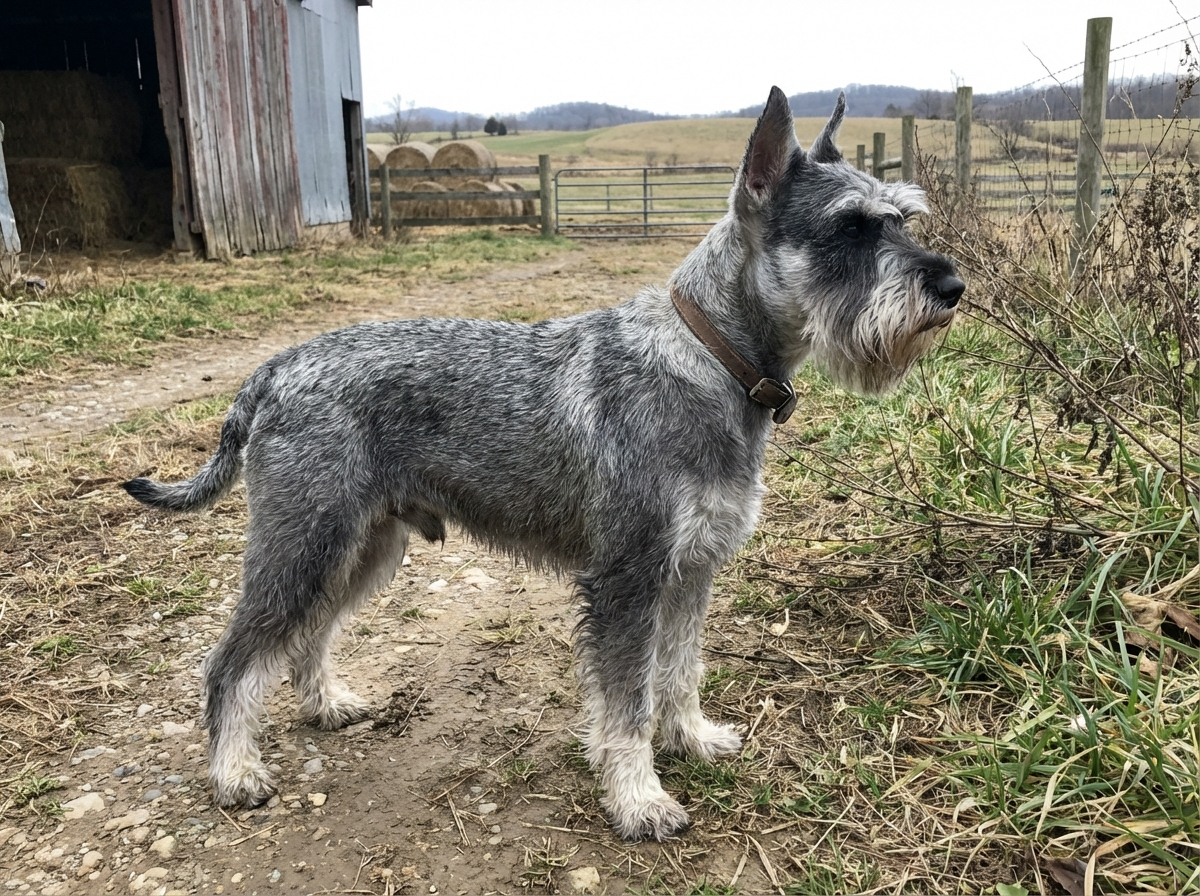
Emma, a first-time dog owner, adopted her Miniature Schnauzer, Max, who began showing signs of vision loss due to PRA-rcd3. Initially, Emma struggled to manage Max's anxiety as he bumped into furniture and hesitated on walks. After consulting her vet and attending a training class focused on sensory cues, Emma learned to guide Max using voice commands and tactile markers around the house. Over time, Max became more confident, eventually navigating their home with ease and enjoying walks again.
Key takeaway: With patience and the right training, dogs with progressive retinal atrophy can still lead happy lives. It's essential to provide consistent guidance and support.
Miniature Schnauzer progressive retinal atrophy (pra-rcd3) is a genetic condition that leads to gradual vision loss. It affects the retina, leading to difficulty seeing in low light and eventually blindness.
This condition is usually inherited, meaning it's passed down from parent dogs. If your Miniature Schnauzer shows signs of vision loss, it's important to consult a vet for a proper diagnosis and to discuss genetic testing options.
To help your dog navigate their environment, keep furniture in the same place and use tactile markers for important areas. Training them to respond to voice commands can also enhance their confidence and safety.
You may notice your Miniature Schnauzer bumping into objects, hesitating in dark areas, or showing reluctance to go outside. These behaviors often indicate that they are struggling with vision loss.
Yes, many dogs adapt well to vision loss. With the right support and training, they can lead fulfilling lives. It's essential to provide a safe environment and maintain regular vet check-ups.
Currently, there is no cure for this condition. Management focuses on helping your dog adjust and ensuring their safety. Regular veterinary visits will help monitor their condition.
Progressive retinal atrophy (PRA-rcd3) in Miniature Schnauzers is a genetic condition that leads to vision loss. It is caused by a mutation in specific genes that affects the retina's function over time. If you notice symptoms, it's important to consult a vet for a thorough examination.
To help your Miniature Schnauzer adapt to vision loss from PRA-rcd3, keep their environment consistent and free from obstacles. Use verbal cues to guide them and consider training techniques that focus on sound and smell. Patience and positive reinforcement are essential during this transition.
If you notice signs of vision problems, such as bumping into objects or difficulty finding toys, it's time to see a vet. Early diagnosis can help manage symptoms and improve your dog's quality of life. Regular eye check-ups are also recommended for Miniature Schnauzers, especially as they age.
Currently, there is no cure for progressive retinal atrophy (PRA-rcd3). However, early detection can help manage the condition through supportive care. Your vet may recommend supplements or modifications to your dog's environment to enhance their comfort.
Yes, older Miniature Schnauzers can develop PRA-rcd3 even if they previously showed no symptoms. This condition is progressive and may not manifest until later in life. Regular veterinary check-ups can help catch these issues early.
Keep your home layout consistent and use non-slip mats to prevent falls. Training with verbal cues can also help your dog navigate safely.
Watch for signs like bumping into objects or hesitating in low light. If you notice these behaviors, consult your vet for a thorough examination.
Budget for regular vet visits and potential specialty care. Monthly costs can range from $90 to $180, depending on your dog's needs.