Behavior
What are quick tips for managing Miniature Schnauzer BOAS?
To manage Miniature Schnauzer BOAS, keep them in a cool environment, limit exercise on hot days, and watch for breathing difficulties.
Miniature Schnauzers can suffer from Brachycephalic Obstructive Airway Syndrome (BOAS), which leads to serious breathing issues. (Miniature Schnauzer brachycephalic obstructive airway syndrome (boas))
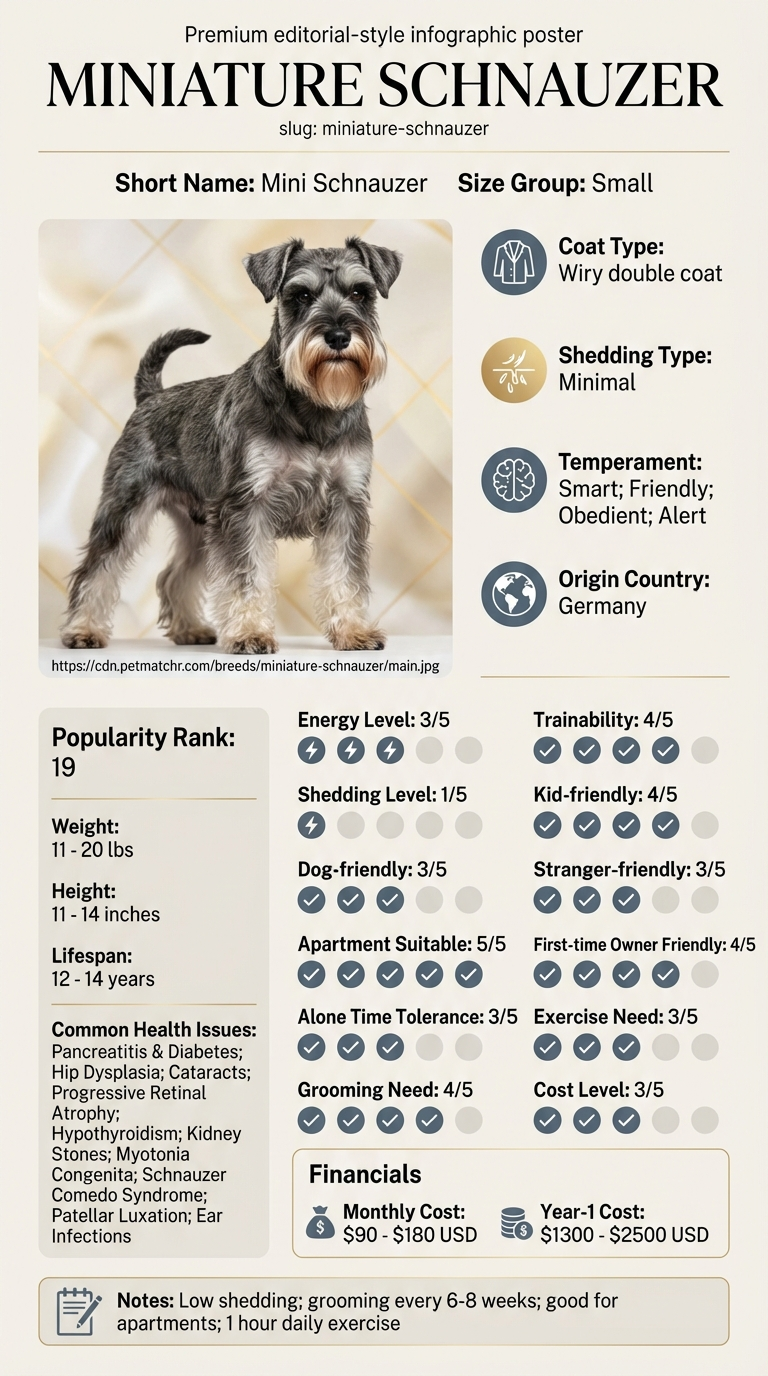
Owners of Miniature Schnauzers, especially those in warm climates or active households, may notice these symptoms. First-time dog owners might be particularly unprepared for the challenges BOAS presents.
This guide is not medical advice. If your dog shows pain, sudden behavior change, or worsening symptoms, consult a licensed veterinarian.
Some links may be affiliate links. We may earn a commission at no extra cost to you. We only suggest products we believe are helpful for dog owners.
Miniature Schnauzers can suffer from Brachycephalic Obstructive Airway Syndrome (BOAS), which leads to breathing difficulties. This condition is common in small breeds with short muzzles. Owners may notice their Mini Schnauzer snoring, experiencing labored breathing, or showing signs of distress in hot weather.
BOAS is relatively common among Miniature Schnauzers, especially if they have a more pronounced brachycephalic face. Many owners may not realize their dog is affected until they observe the symptoms.
Miniature Schnauzers are at risk for brachycephalic obstructive airway syndrome (BOAS) due to their short snouts and unique facial structure. This breed's anatomy can lead to narrowing of the airways, making it harder for them to breathe. It's a common trait in many small breeds, which can exacerbate these issues.
Environmental factors can also contribute to BOAS. For instance, heat and humidity can worsen breathing difficulties, especially in a warmer climate. Excessive exercise or stress can increase their breathing strain, leading to more noticeable symptoms.
If your Miniature Schnauzer shows signs of anxiety or stress during training, consider working with a professional trainer. They can help you develop a plan to manage your dog's behavior and improve their comfort level with training exercises.
If you notice persistent difficulty in breathing, snoring, or other concerning symptoms, it's essential to consult your vet. They can assess the severity of your dog's condition and recommend appropriate treatment options, which may include medical or surgical interventions.
It may take several weeks to months to effectively manage Miniature Schnauzer brachycephalic obstructive airway syndrome (BOAS) through training and lifestyle changes.
Success looks like your Mini Schnauzer breathing more easily, enjoying activities without excessive panting, and becoming more comfortable during hot weather.
Many owners unintentionally make their Miniature Schnauzer's brachycephalic obstructive airway syndrome (BOAS) worse. Here are common mistakes and better alternatives.
If your Miniature Schnauzer shows signs of severe breathing distress, such as gasping for air, blue-tinged gums, or excessive panting, call your vet immediately. Other emergencies include collapse, lethargy, or if your dog cannot settle down and is restless due to breathing difficulties. These symptoms indicate that your dog needs urgent medical attention.
On the other hand, if your Miniature Schnauzer occasionally snores or has mild labored breathing during exercise, it may not be an immediate concern. You can monitor these symptoms by keeping track of your dog's breathing patterns and behavior. If the signs worsen or persist, it’s wise to consult your vet for a more thorough evaluation.
It's important to stay observant and proactive. Regular vet check-ups can help identify any underlying health issues early. And remember, while some symptoms might seem manageable, it’s always better to err on the side of caution if you’re unsure.
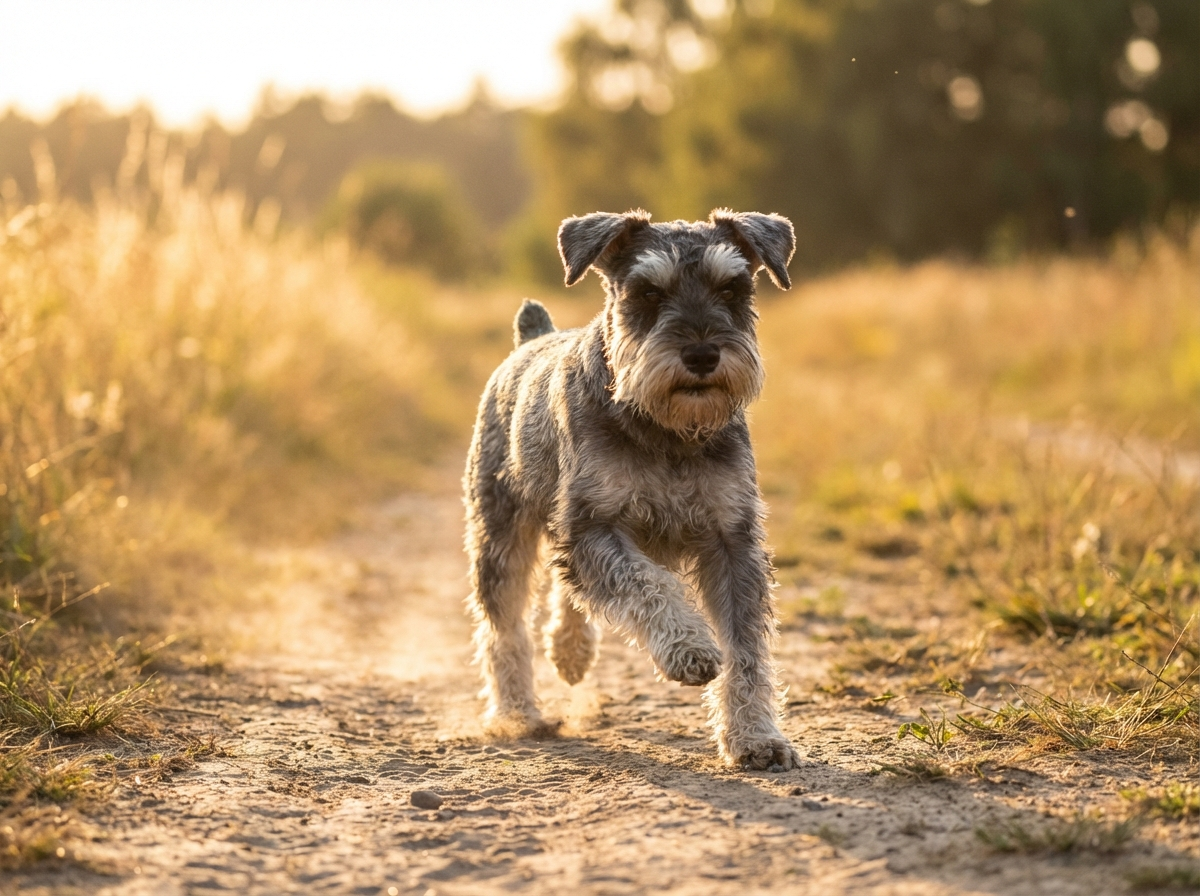
When Lily adopted Ruby, her Miniature Schnauzer, she quickly noticed Ruby's heavy breathing and difficulty during walks. Concerned about the signs of brachycephalic obstructive airway syndrome (BOAS), Lily researched and consulted her vet. With a training plan focused on gentle exercise and managing Ruby's environment, Lily learned to recognize signs of overheating and adjust their activities accordingly. Over a few months, Ruby became healthier, enjoying longer walks and playtime without struggling to breathe. This journey taught Lily the importance of understanding her pet's needs and advocating for her well-being.
Key takeaway: Managing Miniature Schnauzer BOAS requires patience, awareness, and a commitment to adjusting your dog's lifestyle for better health.
Brachycephalic obstructive airway syndrome (BOAS) in Miniature Schnauzers is caused by their short snouts and flat faces. This leads to narrowed airways, making it hard for them to breathe, especially during exercise or in hot weather.
To help your Miniature Schnauzer with BOAS, avoid strenuous exercise, and keep them cool in hot weather. Regular vet check-ups are essential, as surgical options may be available to improve airflow.
Signs of BOAS include snoring, coughing, difficulty breathing, and heat intolerance. If your Miniature Schnauzer shows any of these symptoms, consult your vet for advice and possible treatment.
Training can help manage your Miniature Schnauzer's behavior but won't cure BOAS. Focus on calm environments and avoid overexertion during training sessions to minimize stress on their airways.
Surgery may be recommended for severe cases of BOAS in Miniature Schnauzers. A veterinarian will assess the severity of the condition and discuss the best options based on your dog's needs.
Common signs of BOAS include loud snoring, difficulty breathing, and excessive panting. If your Miniature Schnauzer shows these symptoms, it's essential to consult your vet for a proper diagnosis.
To help your Miniature Schnauzer cope with heat, ensure they have access to plenty of fresh water and a cool environment. Avoid vigorous exercise during peak temperatures, and consider using cooling mats or vests.
In severe cases of BOAS, surgery may be recommended to correct anatomical issues causing breathing difficulties. Speak with your vet to discuss the potential benefits and risks of surgical intervention for your Miniature Schnauzer.
Yes, even older Miniature Schnauzers can develop symptoms of BOAS as they age. Regular vet check-ups are important to monitor their respiratory health and address any changes in breathing patterns.
To manage BOAS in your Miniature Schnauzer, consider reducing their weight if they're overweight, keeping them in a cool environment, and avoiding strenuous activities. Training techniques that promote calm behavior can also be beneficial.
To manage Miniature Schnauzer BOAS, keep them in a cool environment, limit exercise on hot days, and watch for breathing difficulties.
Signs of overheating include excessive panting, drooling, and restlessness. If you notice these, cool them down immediately and provide water.
If your Miniature Schnauzer coughs frequently, contact your vet. It may indicate a problem with their airways and needs professional evaluation.