Behavior
What are quick tips to prevent Miniature Schnauzer bloat (gastric dilatation-volvulus/gdv)?
Feed smaller meals throughout the day and avoid exercise around mealtime. Using slow feeders can also help your dog eat more slowly.
Miniature Schnauzer bloat, also known as gastric dilatation-volvulus (GDV), is a serious condition that can become life-threatening quickly. (Miniature Schnauzer bloat (gastric dilatation-volvulus/gdv))
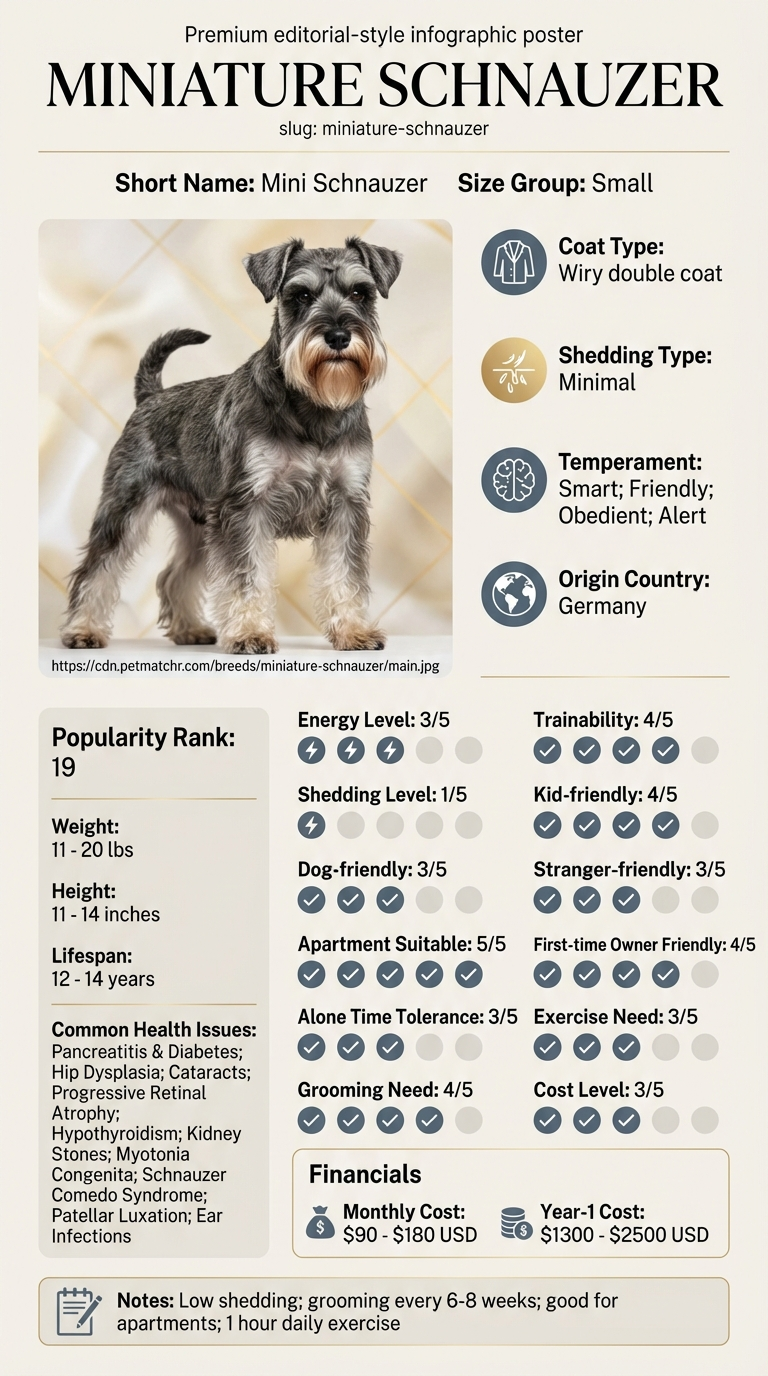
Owners of Miniature Schnauzers, especially those with busy lifestyles or limited experience, often find themselves unprepared for the signs of bloat. This condition can occur suddenly, leaving owners feeling anxious and concerned for their pet's well-being.
This guide is not medical advice. If your dog shows pain, sudden behavior change, or worsening symptoms, consult a licensed veterinarian.
Some links may be affiliate links. We may earn a commission at no extra cost to you. We only suggest products we believe are helpful for dog owners.
Miniature Schnauzer bloat, also known as gastric dilatation-volvulus (GDV), is a serious condition that can occur suddenly. It typically presents with symptoms such as a swollen abdomen, restlessness, and attempts to vomit without producing anything. This condition is life-threatening and requires immediate veterinary attention.
Bloat is relatively common in Miniature Schnauzers, especially in older dogs or those with specific dietary habits. While not every Mini Schnauzer will experience this problem, awareness and preventive measures are crucial.
Miniature Schnauzers are prone to bloat due to their small size and deep chest. Their energetic nature may lead them to eat quickly, increasing the risk of gas buildup. Additionally, certain hereditary factors can make them more susceptible to this life-threatening condition.
Environmental factors such as stress, feeding habits, and physical activity can contribute to bloat. For instance, feeding your Miniature Schnauzer large meals at once or allowing vigorous exercise right after eating can heighten the risk. Stressful situations, like loud noises or changes in routine, may also impact their digestive health.
If your Miniature Schnauzer shows signs of anxiety while eating or during stressful situations, consider working with a professional dog trainer. They can provide strategies to help your dog feel more comfortable during mealtimes.
If you notice symptoms like bloating, restlessness, or attempts to vomit without success, contact your vet immediately. Bloat is a medical emergency that requires prompt attention to prevent severe complications.
If you start noticing signs of bloat in your Miniature Schnauzer, immediate veterinary attention is crucial. With prompt treatment, recovery can happen within a few days, but prevention and management take ongoing effort.
Success means regularly monitoring your dog's eating habits and behavior, implementing preventive measures, and having a solid action plan in case of emergency. You'll feel confident and informed about keeping your Mini Schnauzer safe.
Certain behaviors can worsen Miniature Schnauzer bloat (gastric dilatation-volvulus/GDV). Here are some common pitfalls to avoid.
Recognizing when Miniature Schnauzer bloat (gastric dilatation-volvulus/GDV) is an emergency can save your dog's life. If your Mini Schnauzer shows signs of severe bloating, such as a distended abdomen, pacing, or repeated attempts to vomit without success, these are red flags. Other critical symptoms include lethargy, rapid breathing, and signs of shock like weakness or collapse. If you see these signs, call your vet immediately.
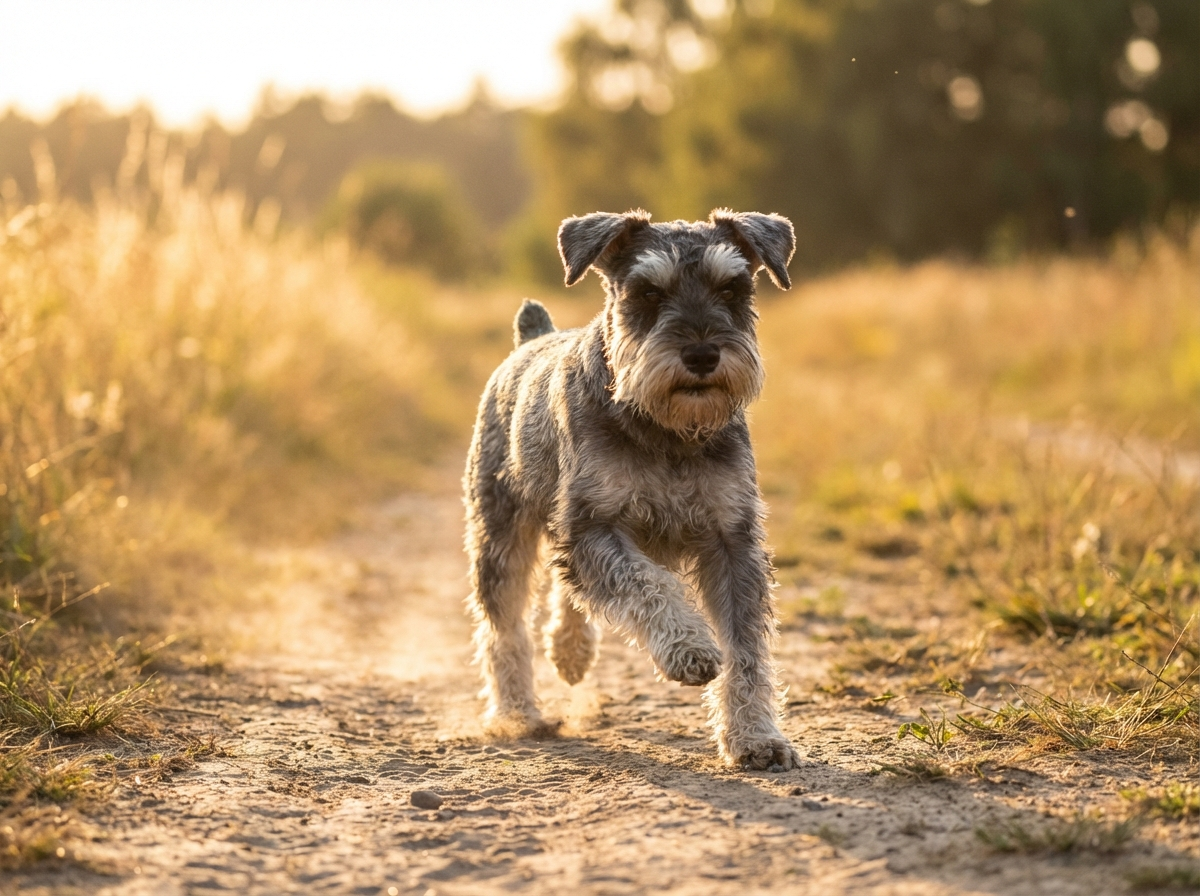
In less severe cases, you might notice mild bloating or signs of discomfort after eating. If your Miniature Schnauzer is still active, playful, and able to drink water, you can monitor them at home. Keep an eye on their behavior and appetite, and note any changes that might indicate worsening symptoms. If the mild signs persist for more than a few hours, contacting your vet is wise.
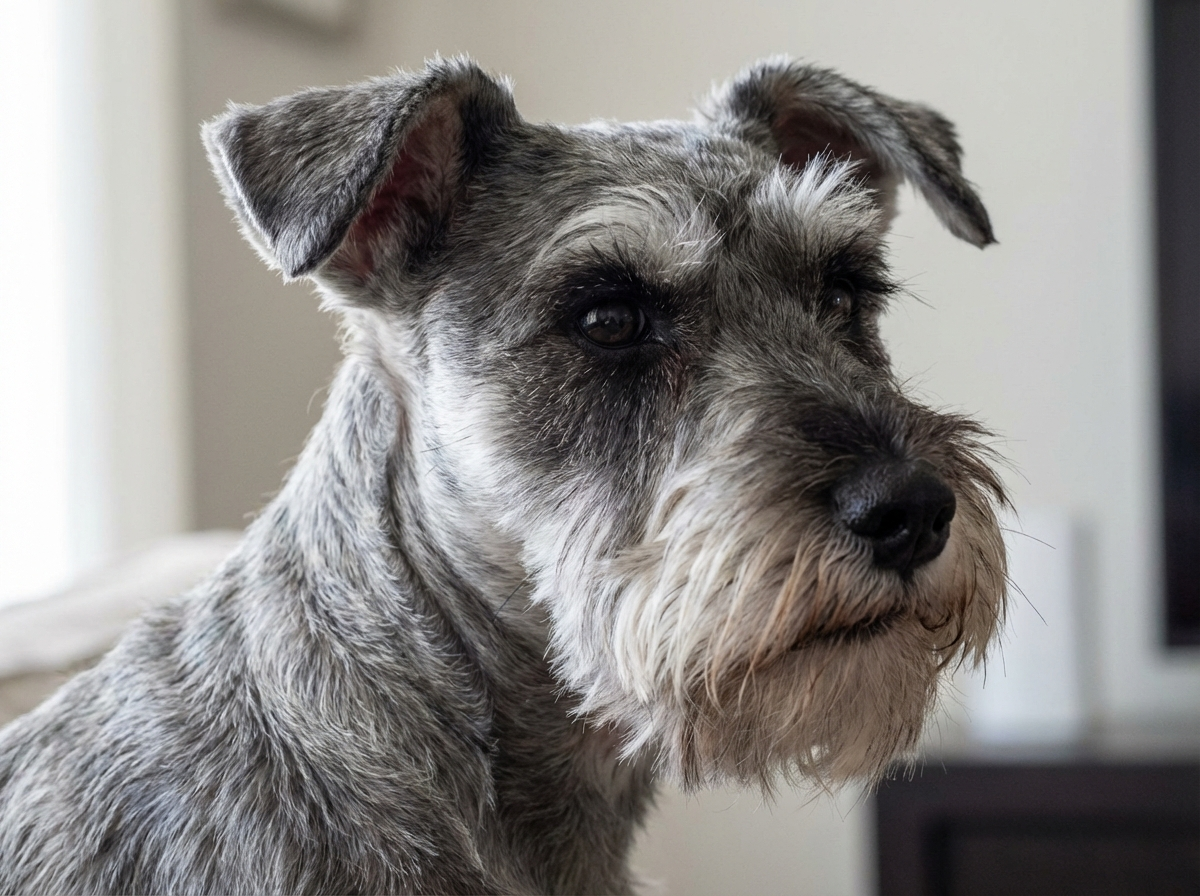
Emma, a busy nurse in Chicago, noticed her Miniature Schnauzer, Max, acting strangely after meals. He seemed restless and had a swollen belly. After a frantic trip to the vet, they confirmed it was bloat, and Max required emergency surgery. Afterward, Emma learned about managing his diet, feeding smaller portions, and avoiding vigorous exercise right after meals. Now, she closely monitors Max during mealtime, and they enjoy their daily walks together, both feeling healthier and happier.
Key takeaway: Being proactive about your Miniature Schnauzer's eating habits can save their life. Regular vet check-ups and understanding the signs of bloat are essential for every owner.
Bloat in Miniature Schnauzers can occur due to several factors, including eating too quickly, consuming large meals, or exercising right after eating. Stress and anxiety can also play a role in triggering this condition. It's essential to monitor your dog for signs and adjust feeding habits and routines accordingly.
Common signs include a swollen abdomen, restlessness, excessive drooling, and attempts to vomit without success. If you notice these symptoms, it’s crucial to seek veterinary help immediately, as GDV can be life-threatening.
To reduce the risk of bloat, feed smaller, more frequent meals instead of one large meal. Avoid vigorous exercise right before or after feeding. Additionally, consider using a slow feeder to encourage your dog to eat more slowly.
While there's no guaranteed way to prevent bloat, you can minimize risk by maintaining a consistent feeding schedule, ensuring your dog is calm during meals, and providing fresh water at all times. Regular veterinary check-ups can also help monitor your dog's health.
If you suspect bloat, take your dog to the vet immediately. Time is critical, as bloat can lead to severe complications, including shock or death if not treated quickly.
Treatment typically involves surgery to correct the twisting of the stomach and may include stabilizing the dog with intravenous fluids. The cost can range from $1,500 to $7,500, depending on the severity and location.
Common symptoms include a swollen abdomen, restlessness, excessive drooling, and retching without producing vomit. If you notice any of these signs, it's crucial to seek veterinary help immediately.
To help prevent bloat, feed your Miniature Schnauzer smaller meals throughout the day instead of one large meal. Avoid vigorous exercise right after eating, and consider using a slow feeder to reduce gulping.
Yes, older Miniature Schnauzers are generally at a higher risk for bloat. Their digestive systems can change with age, making them more susceptible to this condition, so regular vet check-ups are important.
Bloat can occur after eating due to rapid ingestion of food, which may cause gas buildup. It's essential to monitor their eating habits and adjust their feeding schedule to minimize this risk.
If you suspect bloat, it’s critical to get your Miniature Schnauzer to a vet immediately. Bloat is a life-threatening condition that requires prompt treatment to prevent serious complications.
Feed smaller meals throughout the day and avoid exercise around mealtime. Using slow feeders can also help your dog eat more slowly.
Dogs with a history of bloat, older age, or those who eat rapidly are at higher risk. Monitor for any signs of distress after meals.
Yes, stress and anxiety can contribute to gastrointestinal issues, including bloat. Keeping your dog calm during meals can help.
Treatment can cost between $1,500 and $7,500 depending on severity and care required. Always consult with your vet for an accurate estimate.


