Maltese Dilated Cardiomyopathy (DCM): What You Need to Know
Quick answer
What are quick tips for Maltese dilated cardiomyopathy (DCM)?
Monitor your Maltese for signs of fatigue or breathing issues, and consult your vet regularly. Provide a balanced diet and maintain a moderate exercise routine. Follow prescribed medications strictly.
Maltese dilated cardiomyopathy (DCM) is a serious heart condition that can affect your dog's health and lifespan.
Owners of Maltese dogs, especially those with older pets or a family history of heart issues, may struggle with the emotional and financial burden of this condition.
Important reminder
This guide is not medical advice. If your dog shows pain, sudden behavior change, or worsening symptoms, consult a licensed veterinarian.
Some links may be affiliate links. We may earn a commission at no extra cost to you. We only suggest products we believe are helpful for dog owners.
We research and check what we publish, but we do not warrant that any figure, date, price, or statement is accurate, complete, or current, and we accept no liability for any loss, cost, injury, or other harm arising from the use of this site. Use it as one reference among several. You remain responsible for your own decisions and for your dog's care - confirm anything that matters with a licensed veterinarian or another qualified professional before you act on it. Full disclaimer.
Check this first
When Maltese Dilated Cardiomyopathy (DCM) is an Emergency
Red-flag signs that indicate you should call your vet immediately include:
- Difficulty breathing or rapid breathing.
- Persistent coughing, especially after exercise or while resting.
- Unusual lethargy or weakness that seems out of character.
- Fainting or collapsing episodes.
Any of these symptoms could signal the heart is struggling significantly, making prompt action essential.
In contrast, some mild symptoms of Maltese dilated cardiomyopathy (DCM) that you can watch and wait with include:
- Occasional coughing without other symptoms.
- Slight changes in energy levels that do not persist.
- Minor weight loss or decreased appetite that stabilizes.
- Mild changes in behavior, such as temporary anxiety.
While these issues should still be monitored closely, they often do not require immediate veterinary intervention. Instead, maintain a close watch and keep a log of any changes to discuss with your vet during your next visit.
Ultimately, awareness and quick response can help manage Maltese dilated cardiomyopathy (DCM) effectively. If you notice any concerning signs, err on the side of caution and consult your vet promptly.
If any of these apply, call your vet or an emergency clinic now. The rest of this page is for the cases that are not an emergency.
What this problem looks like
Maltese dilated cardiomyopathy (DCM) is a serious heart condition that affects many Maltese dogs. It can cause their heart to become enlarged and weakened, leading to reduced blood flow and potentially sudden cardiac death. Daily signs may include lethargy, coughing, and difficulty breathing, which can be alarming for owners.
Common triggers
Genetic predisposition
Age-related heart changes
Obesity and lack of exercise
Stress from environmental changes
Dilated cardiomyopathy is particularly prevalent in the Maltese breed. While exact statistics are hard to pin down, many Maltese owners report experiencing this condition, especially as their dogs age.
Why this happens
Breed factors
Maltese dogs are predisposed to dilated cardiomyopathy (DCM) due to their genetics. This condition affects the heart muscles, leading to reduced efficiency in pumping blood. As a result, it can cause serious health issues, including sudden cardiac death.
Environment factors
Environmental factors can also contribute to DCM in Maltese dogs. Stressful situations, poor diet, and lack of exercise can exacerbate heart problems. Additionally, overweight Maltese dogs may face a higher risk of developing DCM.
What you can do at home (once it is not an emergency)
When to talk to your vet
If you observe symptoms such as coughing, fatigue, or difficulty breathing, consult your vet immediately. Regular check-ups are essential, especially if DCM is suspected or diagnosed.
At home, alongside your vet's plan
Maintain a balanced diet that supports heart health. Look for high-quality dog food with appropriate nutrients.
Encourage regular, moderate exercise to keep your Maltese active without overexertion.
Monitor your Maltese for signs of fatigue or distress during activities. Short walks are better than long sessions.
Reduce stress in your dog's environment. Create a calm space with familiar toys and blankets.
Mistakes that make Dilated Cardiomyopathy (DCM) worse
When dealing with Maltese dilated cardiomyopathy (DCM), certain mistakes can inadvertently worsen the problem. Here are common pitfalls to avoid, along with safer alternatives.
Ignoring Vet Check-Ups: Skipping regular vet visits can allow DCM to progress unnoticed. Regular check-ups help monitor heart health and adjust treatment as needed.
Overfeeding or Poor Diet: Feeding high-calorie or low-quality diets can lead to obesity, straining your Maltese's heart. Focus on a balanced diet recommended by your vet to maintain a healthy weight.
Lack of Exercise: Too much inactivity can weaken your dog's heart. Instead, provide moderate exercise suited to their condition, like short walks, to keep them active without overexertion.
Stressful Environments: Exposing your Maltese to high-stress situations can aggravate their condition. Create a calm, safe space for them to relax and reduce anxiety triggers.
Neglecting Signs of Distress: Dismissing symptoms like coughing, fatigue, or rapid breathing can delay necessary treatment. Always report any unusual behaviors to your vet promptly.
Self-Medicating: Using over-the-counter medications without vet approval can be dangerous. Always consult your vet before trying any new treatments or supplements.
Managing Maltese dilated cardiomyopathy (DCM) typically takes a few months of consistent care and monitoring. Regular vet check-ups and medication adjustments may be needed over time.
Success looks like a stable condition where the dog maintains a good quality of life. Regular vet visits show improved heart function and the dog remains active and happy.
A Journey with Bella: Managing DCM in a Maltese
When Sarah adopted Bella, her adorable Maltese, she was excited about sharing her life with a new companion. However, after a routine vet visit, she learned Bella had dilated cardiomyopathy (DCM). This diagnosis was overwhelming, but Sarah committed to managing Bella's health. She followed her vet's advice on medication, adjusted Bella's diet, and incorporated gentle exercise into their daily routine. Over several months, with consistent effort and regular check-ups, Bella's condition stabilized, and she was able to enjoy her walks again, albeit at a slower pace.
Key takeaway: With dedication and proper management, Maltese with DCM can lead fulfilling lives. Consistent vet care and a supportive home environment are crucial for success.
Frequently asked questions
Why does my Maltese have dilated cardiomyopathy (DCM)?
Maltese dilated cardiomyopathy (DCM) is often inherited, meaning genetics play a significant role. It can lead to weakened heart muscles, which may cause symptoms like lethargy or coughing. Regular vet check-ups can help catch these issues early.
How can I manage my Maltese's dilated cardiomyopathy (DCM)?
Managing Maltese dilated cardiomyopathy (DCM) involves medication prescribed by your vet. Adjusting their diet to include heart-healthy options can also be beneficial. Regular exercise, tailored to their energy levels, is important but should be monitored closely.
Are there specific training methods for a Maltese with DCM?
While training a Maltese with DCM, focus on gentle, positive reinforcement techniques. Avoid overly strenuous activities that could stress their heart. Short, frequent training sessions can help keep them engaged without overexerting them.
What signs should I look for in my Maltese with DCM?
Watch for signs like excessive panting, coughing, or a decreased interest in play. Sudden changes in behavior, like increased lethargy, can also indicate heart problems. If you notice these signs, consult your vet promptly.
Can diet affect my Maltese's DCM?
Yes, a balanced diet plays a crucial role in managing Maltese dilated cardiomyopathy (DCM). Foods rich in omega-3 fatty acids and low in sodium can support heart health. Always discuss dietary changes with your vet to ensure they meet your dog's specific needs.
What is the life expectancy of a Maltese with DCM?
Life expectancy for Maltese dogs with dilated cardiomyopathy (DCM) varies widely based on the severity of the condition and treatment. With proper management, they can live for several years, but regular veterinary care is essential to monitor their health.
What are the early signs of Maltese dilated cardiomyopathy (DCM)?
Early signs of Maltese dilated cardiomyopathy (DCM) can include lethargy, difficulty breathing, and decreased exercise tolerance. You might also notice a cough or occasional fainting spells. If you see any of these symptoms, it's important to consult your vet promptly.
Is Maltese dilated cardiomyopathy (DCM) hereditary?
Yes, Maltese dilated cardiomyopathy (DCM) is believed to have a genetic component. If your Maltese has a family history of heart disease, they may be at higher risk. Regular vet check-ups can help monitor their heart health.
How can I support my Maltese with DCM at home?
Supporting a Maltese with dilated cardiomyopathy (DCM) involves providing a low-sodium diet and ensuring they remain calm and relaxed. It's also beneficial to monitor their weight and avoid strenuous exercise. Always follow your vet's recommendations for medications and care.
What should I do if my older Maltese develops symptoms of DCM?
If your older Maltese shows symptoms of dilated cardiomyopathy (DCM), such as coughing or fatigue, take them to the vet as soon as possible. Early diagnosis can lead to better management of the condition. Your vet may recommend tests like X-rays or an ultrasound.
Can Maltese with DCM still enjoy training and playtime?
Yes, Maltese with dilated cardiomyopathy (DCM) can still enjoy training and playtime, but it should be low-impact and not overly strenuous. Short, gentle sessions are best. Always monitor their energy levels and stop if they seem tired or stressed.
What are quick tips for Maltese dilated cardiomyopathy (DCM)?
Monitor your Maltese for signs of fatigue or breathing issues, and consult your vet regularly. Provide a balanced diet and maintain a moderate exercise routine. Follow prescribed medications strictly.
Living
How can I help my Maltese with DCM feel comfortable?
Create a calm environment and avoid stressful situations. Ensure they have a cozy place to rest and minimize loud noises. Regular, gentle playtime can keep their spirits up.
Health
Is Maltese dilated cardiomyopathy (DCM) treatable?
While there is no cure for DCM, it can often be managed with medication and lifestyle changes. Early detection and ongoing veterinary support are key to improving their quality of life.
Costs
What is the average cost of caring for a Maltese with DCM?
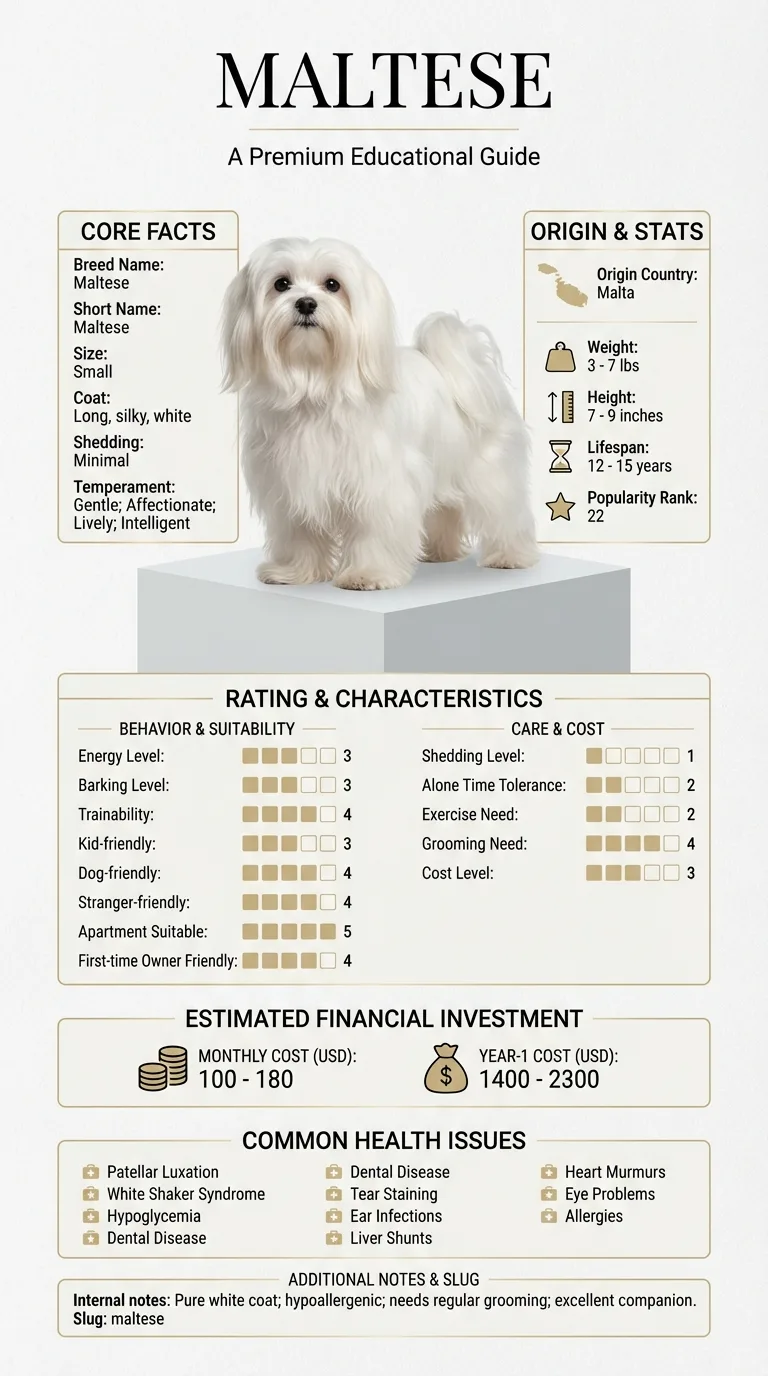
Caring for a Maltese with dilated cardiomyopathy (DCM) can range from $100 to $180 per month, depending on medication and vet visits. Be prepared for additional costs related to specialized care.
A fuller vet-visit kit for Maltese Dilated Cardiomyopathy DCM
The free prep sheet covers the same-day warning signs, a symptom log and the questions to ask. We are considering a fuller kit that adds a cost worksheet for the usual tests and treatments (US price ranges with their sources) and a plain-English guide to ways of covering the bill. It is not built yet; this list tells us whether it is worth building.
One email, no spam, unsubscribe anytime. Information only, not veterinary advice.