Behavior
What are quick tips for Maltese with boas?
Keep your Maltese cool in hot weather and avoid strenuous exercise to help manage boas symptoms.
Maltese Brachycephalic Obstructive Airway Syndrome (BOAS) can lead to serious breathing issues.
Owners of Maltese dogs, especially first-time pet parents or those living in warmer climates, often face challenges managing BOAS. If your furry friend seems to struggle with breathing or gets tired easily, this problem is likely on your radar.
This guide is not medical advice. If your dog shows pain, sudden behavior change, or worsening symptoms, consult a licensed veterinarian.
Some links may be affiliate links. We may earn a commission at no extra cost to you. We only suggest products we believe are helpful for dog owners.
Maltese brachycephalic obstructive airway syndrome (BOAS) is a common issue in this breed, leading to breathing difficulties and potential discomfort. Daily life with a Maltese suffering from BOAS can be challenging, as they may snore, have trouble breathing during play, or struggle in hot weather. These symptoms can impact their overall happiness and health, making it crucial for owners to recognize and address the problem.
BOAS is fairly common among Maltese dogs due to their brachycephalic (short-nosed) structure. Many Maltese experience varying degrees of this condition, especially if they are not properly monitored or managed.
Maltese dogs are part of the brachycephalic breed group, which means they have short noses and flat faces. This physical structure can lead to breathing difficulties, especially during hot weather or when they're excited. Their small size also makes them more prone to airway obstructions.
Environmental factors can exacerbate breathing issues in Maltese dogs. High temperatures, humidity, and excessive exercise can lead to overheating and increased respiratory distress. Additionally, allergens and pollutants in their surroundings can further irritate their airways.
If your Maltese displays severe anxiety or behavioral issues related to their breathing difficulties, consider consulting a trainer. They can help with training techniques that reduce stress during situations that may trigger breathing issues.
Talk to your vet if your Maltese shows signs of persistent coughing, snoring, or difficulty breathing. If their breathing worsens or if you notice sudden changes in energy levels, seek immediate veterinary care.
Improvement may take 2 to 6 months with consistent training and care.
Your Maltese experiences fewer breathing difficulties and shows improved exercise tolerance and comfort.
Avoiding these common mistakes can help improve your Maltese's condition.
It’s crucial to know when Maltese brachycephalic obstructive airway syndrome (BOAS) requires immediate veterinary attention. If your Maltese shows severe breathing difficulties, struggles to catch their breath, or turns blue around the gums, these are red flags that mean you should call your vet right away. Additionally, if your dog collapses, is excessively lethargic, or has a rapid heartbeat, don’t hesitate to seek help.
In less severe cases, you can monitor your Maltese's condition. If they occasionally snore or breathe heavily during exercise but recover quickly, this may be manageable at home. Mild symptoms like slight coughing or unusual panting can often be observed, especially during hot weather or after physical activity. Keeping your dog calm and cool can help.
Understanding the difference between emergencies and manageable situations can save your Maltese's life. Always err on the side of caution; if you're unsure, it's better to consult your vet. Regular check-ups can also help monitor your dog's condition and prevent emergencies before they arise.
Nina, a first-time dog owner, noticed her Maltese, Bella, snoring loudly and struggling to breathe after just a short walk. Concerned about Brachycephalic Obstructive Airway Syndrome (BOAS), she consulted her vet, who advised training and environmental adjustments. Nina started working on Bella's breathing exercises daily and limited her activity during hot weather. After a few months, Bella was not only breathing better but also enjoying longer walks without distress.
Key takeaway: With patience and proper care, you can significantly improve your Maltese's quality of life despite BOAS challenges.
Maltese dogs have short noses and flat faces, which can lead to breathing difficulties known as brachycephalic obstructive airway syndrome (boas). This condition often results from their unique anatomy, causing narrowed airways. Factors like obesity, heat, and exercise levels can exacerbate these breathing issues. This answer relates to Maltese brachycephalic obstructive airway syndrome (boas).
To help your Maltese, ensure they maintain a healthy weight to minimize breathing strain. Provide regular but gentle exercise, and avoid extreme heat, which can worsen their condition. Discuss treatment options with your vet, which may include surgery for severe cases.
Training your Maltese with boas should focus on positive reinforcement to encourage calm behavior. Short training sessions can prevent overexertion, and teaching relaxation commands can help during stressful situations. Consistency is key to managing their anxiety and breathing difficulties.
Common signs of brachycephalic obstructive airway syndrome in a Maltese include excessive snoring, difficulty breathing, and lethargy during exercise. You may also notice your dog panting heavily or having trouble during hot weather. If you see these signs, consult your veterinarian for advice.
While there is no cure for brachycephalic obstructive airway syndrome, management strategies can significantly improve your Maltese's quality of life. Maintaining a healthy weight, avoiding heat, and considering surgical options for severe cases can alleviate symptoms. Regular vet check-ups are essential for monitoring their condition.
Common signs include noisy breathing, snoring, coughing, and difficulty exercising. If your Maltese seems to tire easily or struggles to breathe, it’s essential to consult your vet.
Keep your Maltese indoors in a cool environment and limit outdoor activities during peak heat. Make sure they have plenty of water and consider using fans or air conditioning to help them stay comfortable.
Yes, older Maltese can develop BOAS, especially if they have had prior breathing issues. Regular vet check-ups are crucial to monitor their condition and adjust care as needed.
In many cases, surgery can help alleviate breathing problems associated with BOAS. Discuss options with your veterinarian to determine if this is suitable for your dog.
Brachycephalic obstructive airway syndrome (BOAS) is primarily a genetic issue due to the breed's short snouts. This anatomical structure can lead to breathing difficulties, so it's important to be aware of these risks when choosing a Maltese.
Keep your Maltese cool in hot weather and avoid strenuous exercise to help manage boas symptoms.
Use short, positive training sessions to reduce stress and avoid overexertion during training.
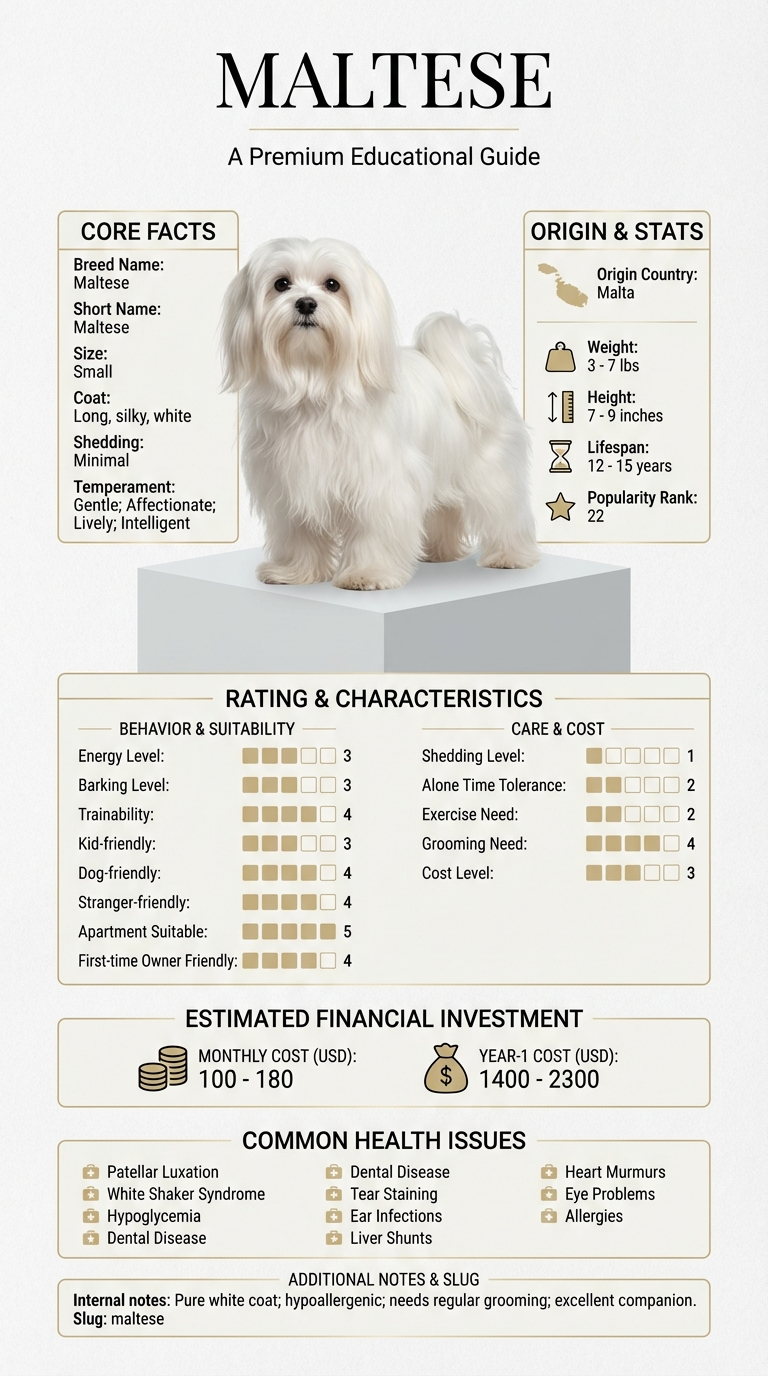
Treatment for boas can vary, but expect to spend on vet visits, potential surgeries, and management costs that can range from $100 to $180 monthly.
Yes, but keep it light and avoid hot weather to prevent breathing difficulties during exercise.
If your Maltese struggles to breathe, seek immediate veterinary assistance to address the situation.

