Behavior
How to stop Maltese bloat (gastric dilatation-volvulus/gdv)?
Feed smaller, more frequent meals and use slow feeder bowls to help prevent bloat.
Maltese bloat, also known as gastric dilatation-volvulus (GDV), is a serious and life-threatening condition that requires immediate attention. (Maltese bloat (gastric dilatation-volvulus/gdv))
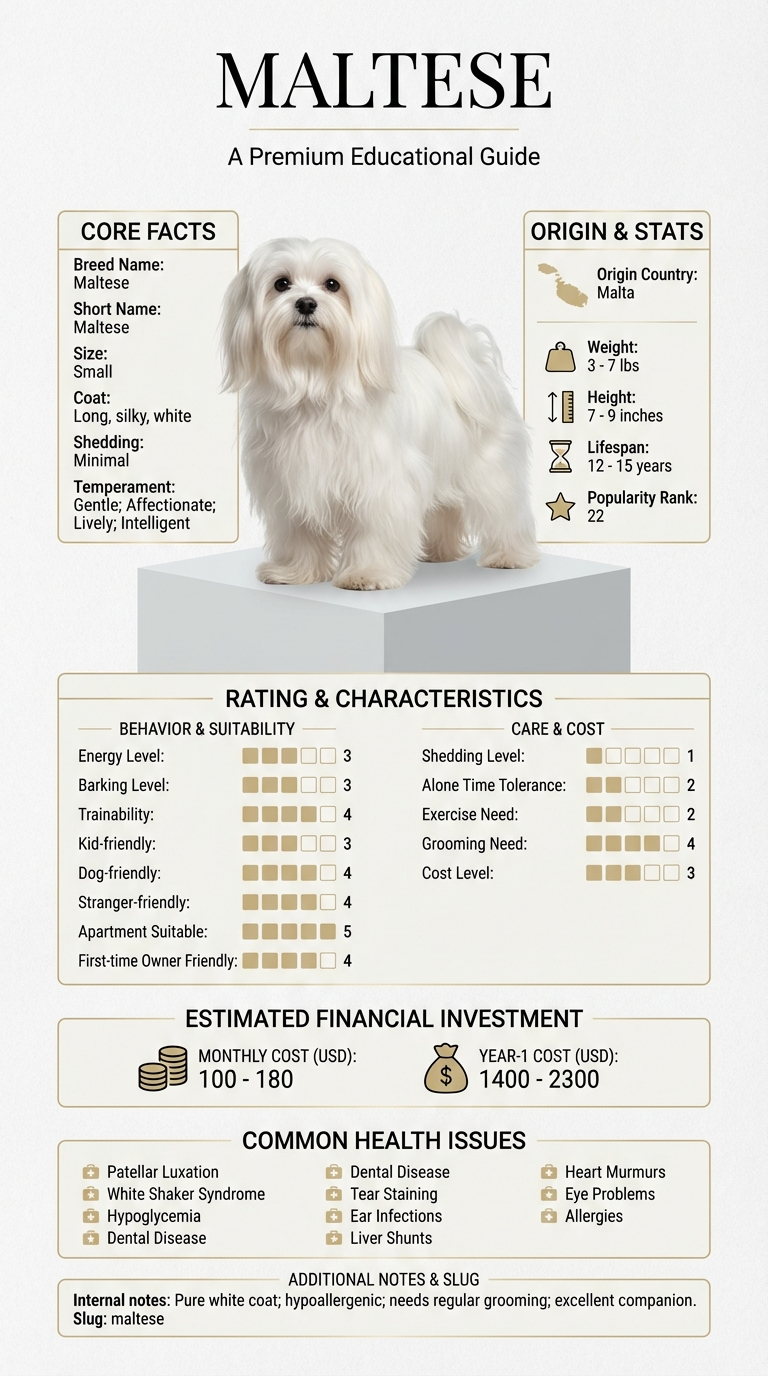
New Maltese owners or those unfamiliar with this breed's specific health risks often face challenges in identifying and managing bloat. Busy families or first-time dog owners may find it especially difficult to notice the subtle signs before it becomes critical.
This guide is not medical advice. If your dog shows pain, sudden behavior change, or worsening symptoms, consult a licensed veterinarian.
Some links may be affiliate links. We may earn a commission at no extra cost to you. We only suggest products we believe are helpful for dog owners.
Maltese bloat, known as gastric dilatation-volvulus (GDV), is a serious condition that can affect your Maltese. It typically manifests as a swollen abdomen, restlessness, and distress. Dogs may try to vomit but are unable to do so, leading to panic and discomfort.
Bloat is relatively uncommon in Maltese compared to larger breeds, but it's still a significant risk. Owners should be aware of the signs, as immediate veterinary care is crucial.
Maltese dogs are small and have a deep chest, which makes them more susceptible to bloat. Their energetic and excitable nature can also lead to gulping food or water quickly, increasing the risk of gastric dilatation-volvulus (GDV). Additionally, certain genetic factors may make some Maltese more prone to this serious condition.
Environmental factors can trigger bloat in Maltese dogs. Stressful situations, such as travel or loud noises, can contribute to anxiety that leads to rapid eating or drinking. Additionally, a lack of proper exercise and inconsistent feeding schedules can further increase the risk of GDV.
If your Maltese shows signs of anxiety or stress while eating, consider consulting a dog trainer. A trainer can help implement strategies to create a relaxed mealtime routine and address behavior issues that contribute to bloat.
If your Maltese exhibits symptoms of bloat, such as a swollen abdomen, excessive drooling, or difficulty breathing, contact your vet immediately. This condition is life-threatening and requires urgent medical attention.
If detected early, you can see improvements in your Maltese's condition within a few days of treatment. However, managing and preventing future occurrences may take several weeks of consistent care and monitoring.
Success means your Maltese is comfortably eating, showing normal energy levels, and not displaying signs of distress. Regular vet check-ups and proper training help maintain their health.
Avoid these common mistakes that can worsen Maltese bloat (gastric dilatation-volvulus/GDV) and hinder recovery.
Maltese bloat, or gastric dilatation-volvulus (GDV), can be a life-threatening condition. It’s crucial to recognize when this problem requires immediate veterinary attention versus when it can be monitored at home. If your Maltese shows any of these red-flag signs, you should call your vet right away.
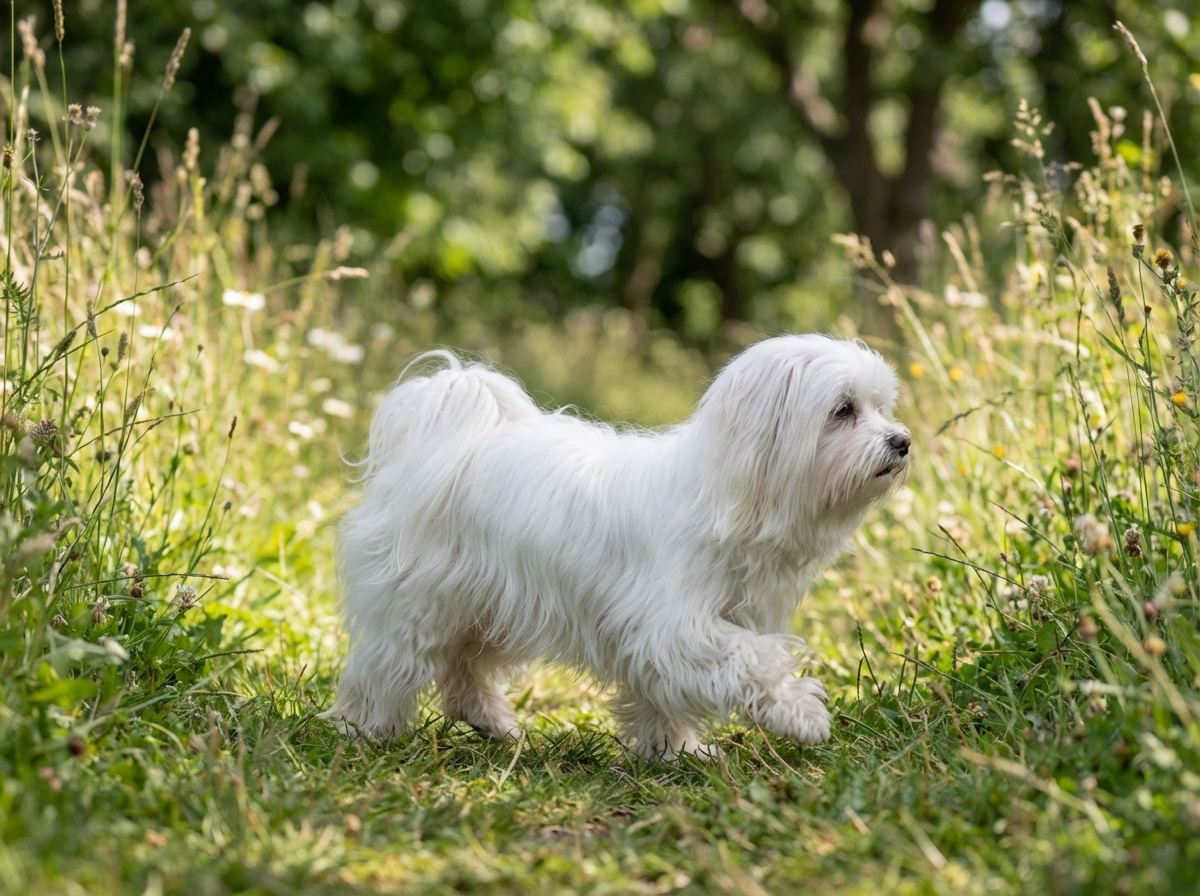
Jenna, a busy nurse in Los Angeles, noticed that her Maltese, Max, was acting strangely after meals. He would pace and whine, which led her to worry about potential bloat. After a vet visit confirmed the diagnosis of gastric dilatation-volvulus (GDV), Jenna quickly organized a treatment plan involving dietary changes and training exercises to help Max eat more slowly. With consistent effort and regular vet follow-ups, Max began to thrive again, enjoying his meals and playtime without distress.
Key takeaway: Understanding the signs of Maltese bloat and acting quickly can save your dog's life. Regular vet visits and proper training can significantly reduce the risks.
Maltese bloat, or gastric dilatation-volvulus (GDV), is a serious condition where the stomach fills with gas and twists. This can cut off blood flow and cause severe pain. Immediate veterinary care is crucial.
Bloat can occur due to various factors, including eating too quickly, stress, and genetics. Some Maltese are more prone to this condition, especially if they have a history of digestive issues. Monitoring feeding habits can help reduce risk.
To prevent bloat, feed your Maltese smaller meals throughout the day instead of one large meal. Use slow feeder bowls to encourage slower eating and avoid vigorous exercise right after meals.
Symptoms include a swollen abdomen, restlessness, drooling, and signs of pain. If you notice these symptoms, take your dog to the vet immediately. Quick action is essential for their safety.
Treatment often involves emergency surgery to untwist the stomach and remove any damaged tissue. Costs can range from $1,500 to $7,500, depending on the severity and care needed. Early intervention is key.
While you can't train out the risk of bloat, you can train your Maltese to eat slowly and manage stress. Positive reinforcement for calm behavior at mealtime can help reduce anxiety and improve feeding habits.
Early signs of Maltese bloat can include restlessness, pacing, and an anxious demeanor. You might also notice your dog attempting to vomit without success or having a swollen abdomen. If you see these symptoms, it’s essential to seek veterinary help immediately.
Yes, Maltese puppies can experience bloat, but it's more common in adult dogs. Puppies are generally at lower risk, yet any sudden changes in behavior or eating habits should be monitored closely. Always consult your vet if you're unsure.
If you suspect your Maltese has bloat, you should go to the vet immediately. This condition can escalate quickly and is life-threatening. Do not delay, as timely treatment can save your dog's life.
To help prevent Maltese bloat, feed smaller meals throughout the day rather than one large meal. Avoid vigorous exercise right after eating. Keeping your dog calm and relaxed during feeding times can also be beneficial.
While there's no guaranteed diet to prevent bloat, a high-quality, well-balanced diet can help. Consult your vet for personalized dietary recommendations that suit your Maltese's needs, factoring in their health and lifestyle.
Feed smaller, more frequent meals and use slow feeder bowls to help prevent bloat.
Seek immediate veterinary care if your Maltese exhibits symptoms like a swollen belly or excessive drooling.
Yes, genetics and previous digestive issues can make some Maltese more susceptible to bloat.
Yes, stressful situations can contribute to the risk of bloat in Maltese dogs, so managing their environment is important.
Treatment can range from $1,500 to $7,500, depending on the severity and required care.