DogBreedCompass
← Back to breed profile

Jack Russell Terrier Wobbler Syndrome: Causes and Solutions

Jack Russell Terrier wobbler syndrome causes instability in the neck, leading to difficulty in movement and coordination. This condition is important to address as it affects your dog's quality of life.

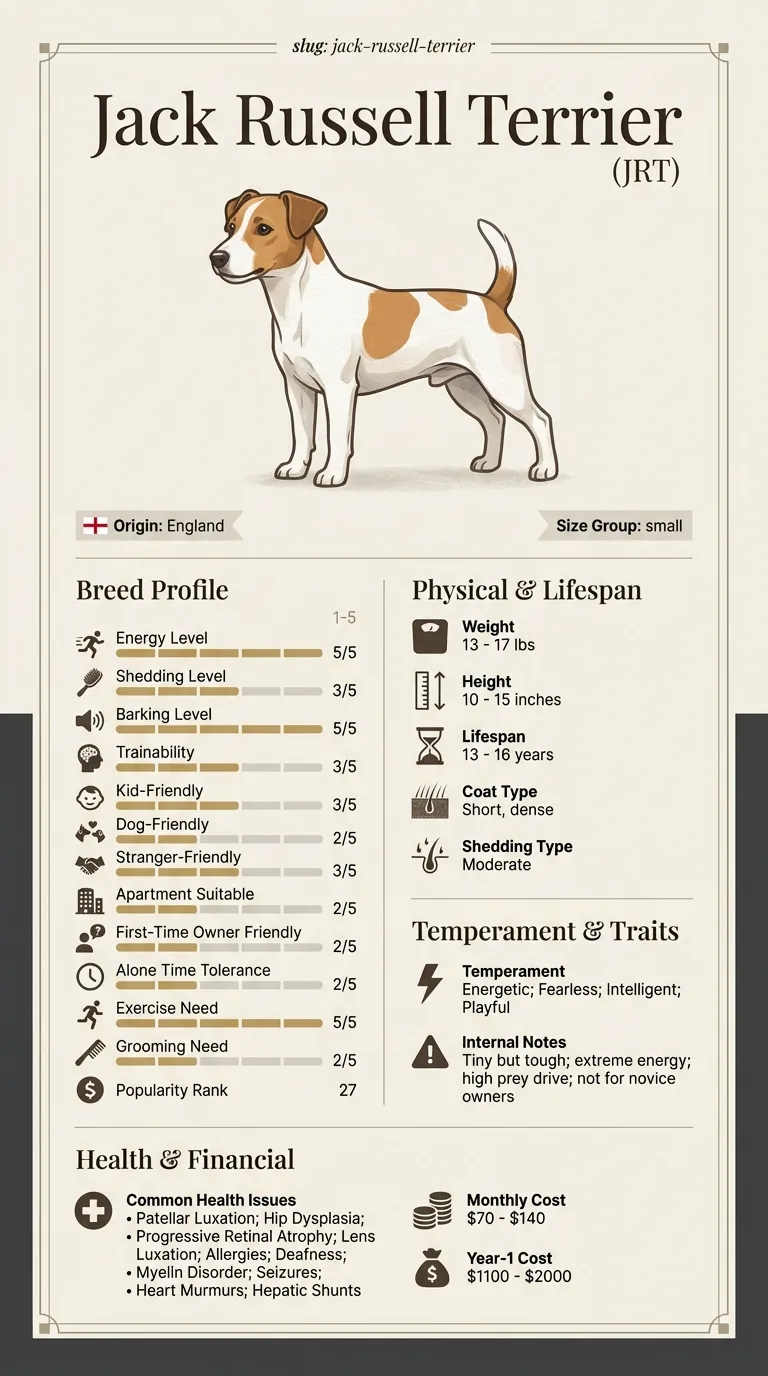
Jack Russell Terrier Wobbler Syndrome: Causes and Solutions infographic

This issue typically affects Jack Russell Terrier owners who are not familiar with these symptoms. First-time dog owners or busy individuals who may overlook subtle changes in their pet’s behavior can struggle the most with identifying and managing this syndrome.

Important reminder

This guide is not medical advice. If your dog shows pain, sudden behavior change, or worsening symptoms, consult a licensed veterinarian.

Some links may be affiliate links. We may earn a commission at no extra cost to you. We only suggest products we believe are helpful for dog owners.

What this problem looks like

Jack Russell Terrier wobbler syndrome affects balance and coordination, causing the dog to wobble when walking. This condition can be frustrating as it impacts their lively nature, making daily activities tougher. Owners may notice their JRT stumbling or having difficulty with basic movements, which can be alarming and distressing.

Common triggers

  • Genetic predisposition to cervical vertebral instability
  • Injury or trauma to the neck area
  • Rapid growth in young dogs

Wobbler syndrome is relatively uncommon in Jack Russell Terriers but can occur, especially in those with a family history of neck issues. While it’s not a widespread concern, awareness is important for early detection and management.

Why this happens

Breed factors

Jack Russell Terriers (JRTs) are energetic and fearless dogs, which can contribute to their risk of developing wobbler syndrome. Their small size and active nature may lead to injuries or stress on their cervical spine, making them prone to this condition. Additionally, their genetic makeup may play a role in their susceptibility to this disorder.

Environment factors

Environmental factors can also contribute to wobbler syndrome in JRTs. For example, a lack of proper exercise can lead to weight gain, which puts additional strain on their spine. Furthermore, activities that involve jumping or rough play can increase the risk of cervical injuries, exacerbating the issue.

What you can try

At-home strategies

  • Limit high-impact activities such as jumping or rough play to reduce strain on your dog's spine.
  • Introduce gentle exercises like short walks or swimming to maintain physical fitness without overexertion.
  • Provide a supportive environment with comfortable bedding and ramps to help your dog get around without excessive strain.

When to consider a trainer

If your Jack Russell Terrier shows signs of wobbler syndrome, such as unsteady movement or difficulty walking, it's a good idea to consult a professional trainer. A trainer can help you implement specialized exercises and techniques that support your dog's physical health and training needs.

When to talk to your vet

If you notice persistent symptoms like wobbling, weakness, or pain in your dog, schedule a visit with your veterinarian. They can provide a proper diagnosis and discuss potential treatments, which may include medication or surgery.

Realistic expectations

With consistent care and training, you may see improvements in your Jack Russell Terrier's condition within a few months. However, managing symptoms can be an ongoing process.

Success means your Jack Russell Terrier is more stable and can navigate their environment without excessive wobbling. They may also show reduced anxiety and increased confidence.

Mistakes that make this worse

Avoiding common pitfalls can help improve your Jack Russell Terrier's wobbler syndrome. Here are some mistakes to watch out for:

  • Ignoring early symptoms: Many owners dismiss initial signs of wobbling. Early intervention is crucial for effective management.
  • Overlooking weight management: Allowing your JRT to become overweight can worsen wobbler syndrome. Maintain a healthy diet and regular exercise.
  • Skipping vet visits: Neglecting regular veterinary check-ups can delay necessary treatments. Schedule follow-ups to monitor your dog's condition.
  • Inconsistent training: Changing training methods can confuse your dog. Stick to a consistent training approach to reinforce good behavior.
  • Using harsh corrections: Punishing your dog can increase anxiety and worsen symptoms. Focus on positive reinforcement instead.
  • Neglecting physical therapy: Many owners forget the benefits of physical therapy. Consult your vet for tailored exercises to improve mobility.
  • Failing to adapt the living environment: Not modifying your home can pose risks. Remove hazards to create a safe space for your dog.

When Jack Russell Terrier Wobbler Syndrome is an Emergency

Identifying when your Jack Russell Terrier's wobbler syndrome becomes an emergency is crucial. If you notice severe symptoms, it's time to contact your vet immediately. Signs like inability to walk, sudden weakness in the limbs, or loss of coordination indicate a critical situation that requires urgent care.

Jack Russell Terrier Wobbler Syndrome: Causes and Solutions - When Jack Russell Terrier Wobbler Syndrome is an Emergency

When to Watch and Wait

In less severe cases, you may only need to monitor your dog's condition. Mild wobbling, slight difficulty in movement, or occasional stumbling can often be managed with a watchful eye. Keeping a log of their symptoms and behaviors will help you communicate effectively with your vet during check-ups.

Jack Russell Terrier Wobbler Syndrome: Causes and Solutions - When to Watch and Wait

Finding Stability: A Journey with Max

Emily, a devoted owner from Texas, noticed her Jack Russell Terrier, Max, began to wobble and struggle with coordination. After a vet diagnosed him with wobbler syndrome, she felt overwhelmed. Determined to help Max, Emily implemented a structured training and care plan that involved physical therapy exercises and gradual changes to his environment. Over time, Max became more stable and started enjoying walks again. Emily learned the importance of patience and persistence in managing the condition.

Key takeaway: With proper training and care, you can help your Jack Russell Terrier with wobbler syndrome lead a more comfortable and active life.

Frequently asked questions

What is Jack Russell Terrier wobbler syndrome?

Jack Russell Terrier wobbler syndrome is a condition that affects the cervical spine, leading to instability and neurological issues. It can cause your dog to wobble or have difficulty moving. Understanding this syndrome is vital for timely intervention.

Why does my Jack Russell Terrier have wobbler syndrome?

Wobbler syndrome can be caused by genetic factors, injuries, or age-related changes in the spine. It's common in certain breeds like the Jack Russell Terrier due to their active nature. Regular vet check-ups can help catch these issues early.

How can I stop my Jack Russell Terrier from suffering due to wobbler syndrome?

Managing Jack Russell Terrier wobbler syndrome involves working closely with your vet. Treatment options may include medication, physical therapy, or even surgery, depending on severity. Regular exercise and maintaining a healthy weight are also important.

What are the signs of wobbler syndrome in my Jack Russell Terrier?

Signs of wobbler syndrome include loss of coordination, difficulty walking, or a wobbly gait. You might also notice your dog hesitating to jump or play. If you see these signs, consult your vet immediately.

How much does it cost to treat Jack Russell Terrier wobbler syndrome?

Treating Jack Russell Terrier wobbler syndrome can range from $500 to $7,000, depending on the treatment approach. Costs may include vet consultations, medications, or surgical procedures. It's essential to budget accordingly and explore pet insurance options.

Can wobbler syndrome be cured in Jack Russell Terriers?

While there is no guaranteed cure for wobbler syndrome, many dogs can live comfortably with appropriate management. Treatments focus on alleviating symptoms and improving quality of life. Early detection is key to maximizing outcomes.

What training can help my Jack Russell Terrier with wobbler syndrome?

Training for Jack Russell Terriers with wobbler syndrome should be gentle and focused on building confidence. Consider low-impact activities and avoid strenuous exercises. Positive reinforcement techniques can also help them feel secure.

What are the early signs of Jack Russell Terrier wobbler syndrome?

Early signs of Jack Russell Terrier wobbler syndrome include wobbling or unsteady gait, difficulty walking, and changes in coordination. You may also notice your dog having trouble with jumping or climbing stairs. If you see these symptoms, consult your vet for an evaluation.

Can older Jack Russell Terriers develop wobbler syndrome?

Yes, older Jack Russell Terriers can develop wobbler syndrome due to age-related degeneration of the cervical spine. Regular check-ups with a vet are crucial for older dogs, as early detection can lead to better management of the condition.

Are there specific training methods for Jack Russell Terrier wobbler syndrome?

Training for a Jack Russell Terrier with wobbler syndrome should focus on gentle, low-impact exercises that do not strain their neck. Positive reinforcement techniques can help your dog adjust to any mobility limitations while keeping their mind engaged.

How can I help my Jack Russell Terrier feel more comfortable with wobbler syndrome?

To help your Jack Russell Terrier feel more comfortable, provide a safe, clutter-free environment. Use supportive bedding and avoid slippery surfaces to prevent falls. Talk to your vet about pain management options and supportive gear like harnesses.

Why does my Jack Russell Terrier have wobbler syndrome?

Jack Russell Terrier wobbler syndrome can be caused by genetic factors, injury, or degenerative changes in the spine. It is essential to discuss your dog's specific situation with your veterinarian to determine the best treatment options.

Quick answers

View more answers
Behavior

What are quick tips for managing Jack Russell Terrier wobbler syndrome?

Focus on low-impact exercise and ensure your dog maintains a healthy weight. Regular vet visits are crucial for monitoring the condition. Consider physical therapy to improve mobility.

Living

How can I help my Jack Russell Terrier with mobility issues?

Use ramps or steps to help your dog access favorite places without jumping. Creating a safe space free of obstacles can also make movement easier.

Health

What dietary changes can support my dog with wobbler syndrome?

A balanced diet with joint supplements can support overall health. Consult your vet for specific dietary recommendations tailored to your dog's needs.

Training

Are there specific exercises I should avoid?

Avoid high-impact exercises and strenuous activities that may strain your dog's neck or spine. Instead, opt for gentle walks and swimming as alternatives.

Health

Is Jack Russell Terrier wobbler syndrome hereditary?

Yes, wobbler syndrome can have a genetic component, particularly in breeds like the Jack Russell Terrier. Responsible breeding practices can help reduce the risk.

Related DogBreedCompass guides

Related guides