Behavior
What are quick tips for preventing GDV/bloat?
Feed smaller, frequent meals and avoid vigorous exercise after eating. Monitor your dog's eating habits closely to prevent gulping food.
Jack Russell Terrier gastric dilatation-volvulus (GDV/bloat) is a serious condition that can threaten your dog's life. Understanding this issue is crucial for every owner.
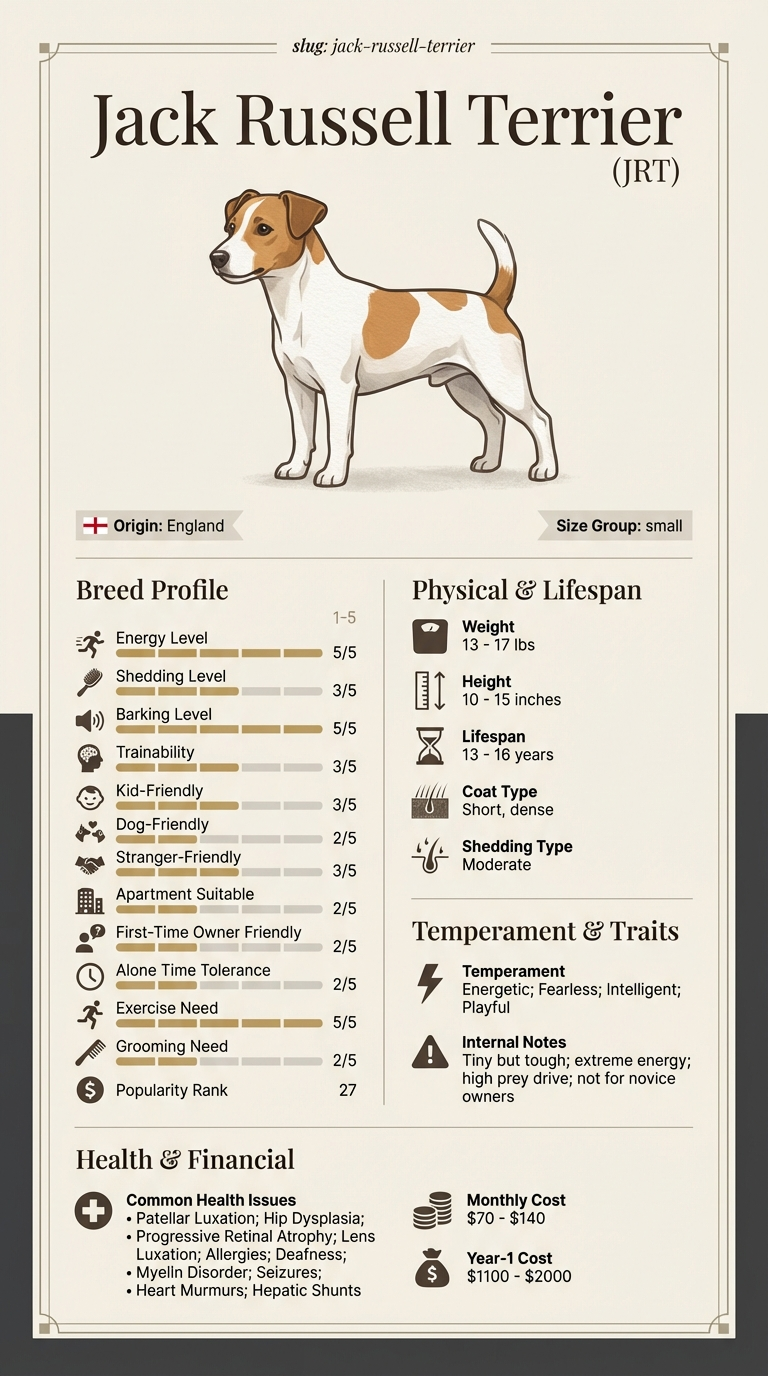
Typically, owners of Jack Russell Terriers may face challenges with GDV due to their dog's active nature and tendency to eat quickly. This condition can be particularly concerning for first-time owners who may not be aware of the risks and symptoms.
This guide is not medical advice. If your dog shows pain, sudden behavior change, or worsening symptoms, consult a licensed veterinarian.
Some links may be affiliate links. We may earn a commission at no extra cost to you. We only suggest products we believe are helpful for dog owners.
Jack Russell Terrier gastric dilatation-volvulus (GDV/bloat) is a serious condition that can happen quickly. It usually occurs when the stomach fills with gas and twists, which can cut off blood flow. This dangerous situation can lead to shock or even death if not treated immediately.
GDV is more common in small to medium-sized breeds like the Jack Russell Terrier. While not all Jack Russells will experience this condition, it's essential to be aware of the risks, especially if they have a history of bloat.
Jack Russell Terriers are small, energetic dogs with a tendency to gulp their food. Their high energy levels can lead to rapid eating, which increases the risk of gastric dilatation-volvulus (GDV) or bloat. Additionally, their fearless nature might encourage them to overexert themselves, contributing to this serious condition.
Stressful environments can also trigger GDV in Jack Russell Terriers. Factors like sudden changes in routine, lack of regular exercise, or feeding habits—such as eating too close to vigorous activity—can lead to bloat. It's essential to create a calm, stable atmosphere for your dog to minimize these risks.
If your Jack Russell Terrier continues to display signs of anxiety during feeding or if they have developed a habit of eating too quickly, it may be time to consult a professional trainer. They can provide strategies to manage your dog's behavior and help create a more relaxed feeding environment.
If you notice symptoms like a swollen abdomen, excessive drooling, restlessness, or attempts to vomit without producing anything, contact your vet immediately. These could be signs of GDV, which is a medical emergency that requires prompt treatment.
Managing Jack Russell Terrier gastric dilatation-volvulus (GDV/bloat) takes consistent effort and vigilance. You should expect to see improvement in your dog's behavior within a few weeks of implementing changes, but it may take several months to fully prevent episodes.
Success looks like your Jack Russell being more relaxed during meals, showing less anxiety around food, and not experiencing any further episodes of GDV. Additionally, regular vet check-ups and a tailored diet will help ensure long-term health.
Avoiding common mistakes can help your Jack Russell Terrier with gastric dilatation-volvulus (GDV/bloat). Here are some behaviors to steer clear of.
Gastric dilatation-volvulus (GDV) is a serious condition that requires immediate attention. If your Jack Russell Terrier shows signs like a swollen belly, attempts to vomit without producing anything, or is excessively drooling, these are red flags. Additionally, if your dog seems weak, restless, or in distress, don't wait—call your vet right away.
On the other hand, if your Jack Russell is experiencing mild symptoms such as occasional abdominal discomfort but is still eating and drinking normally, you may be able to monitor the situation. It's important to have a plan in place, such as keeping an eye on their behavior, and avoiding heavy exercise after meals. However, never hesitate to seek veterinary advice if you're unsure about their condition or if symptoms worsen.
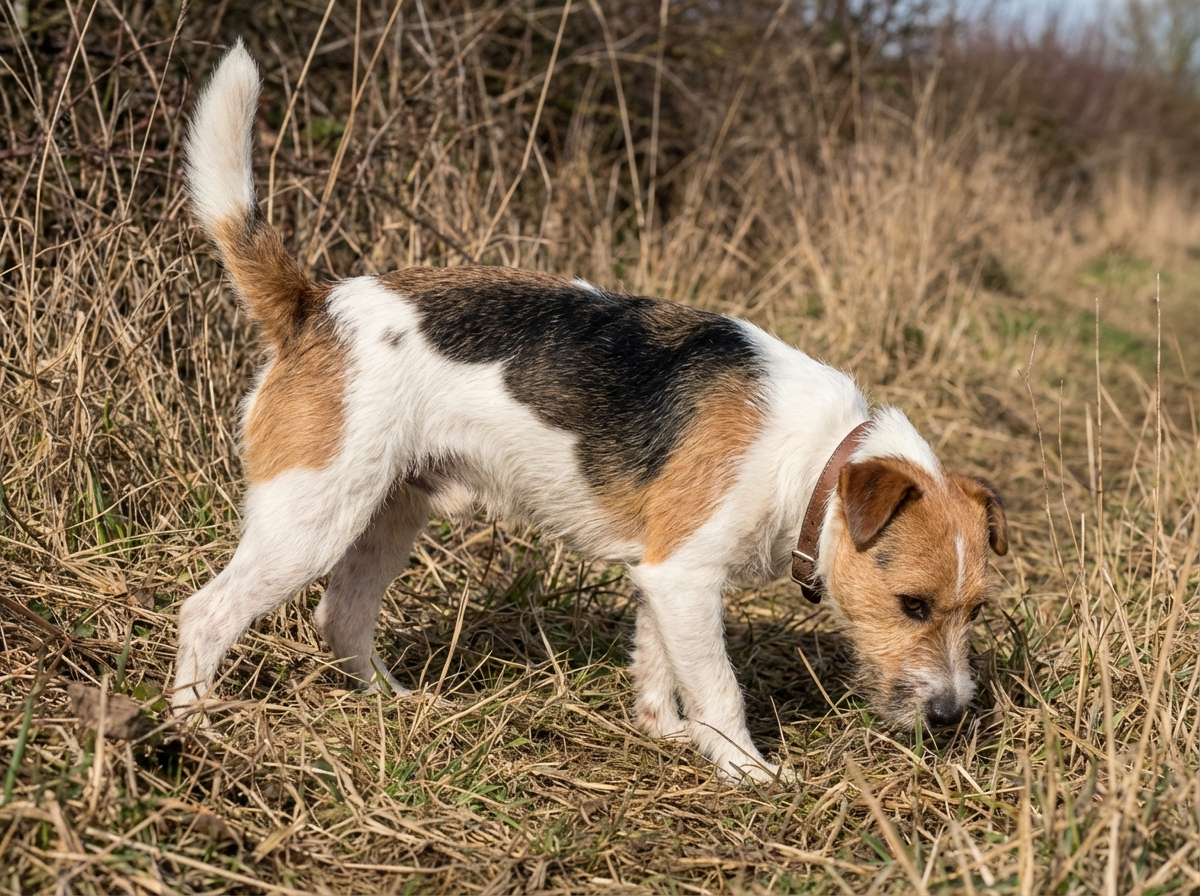
Anna, a busy nurse in New York, adopted Max, her energetic Jack Russell Terrier. After a couple of months, Max showed signs of distress after eating, eventually diagnosed with gastric dilatation-volvulus (GDV). Realizing the seriousness of the condition, Anna worked closely with her vet to adjust Max's diet and feeding schedule. She started feeding him smaller meals throughout the day and avoided vigorous play right after eating. Gradually, Max became calmer during meal times, and Anna felt relieved as he no longer showed signs of distress.
Key takeaway: With the right approach and support, managing Jack Russell Terrier gastric dilatation-volvulus (GDV/bloat) is achievable. Consistent dietary changes and close vet collaboration can lead to a healthier, happier pup.
GDV or bloat occurs when a dog's stomach fills with gas and twists. This can happen due to rapid eating, drinking large amounts of water quickly, or even exercise right after meals. Understanding these triggers is essential for prevention. This answer relates to Jack Russell Terrier gastric dilatation-volvulus (gdv/bloat).
To prevent GDV, feed your Jack Russell smaller meals throughout the day rather than one large meal. Avoid vigorous exercise after meals, and consider using slow-feed bowls to reduce the speed at which your dog eats.
Symptoms of GDV include a swollen abdomen, retching without vomiting, excessive drooling, and signs of distress. If you notice these symptoms, seek immediate veterinary care, as GDV is a medical emergency.
If your Jack Russell shows any symptoms of GDV, take them to the vet immediately. Time is critical, as the condition can rapidly become life-threatening. Don’t wait to see if symptoms improve.
Training can help by teaching your dog to eat more slowly and avoid excessive excitement around mealtime. Positive reinforcement techniques can be effective in encouraging calm behavior during feeding.
If your Jack Russell Terrier shows signs of GDV, such as a distended abdomen, restlessness, or retching without producing vomit, seek emergency veterinary care immediately. This condition can be life-threatening and requires prompt treatment.
Yes, older Jack Russell Terriers can develop GDV, especially if they have a history of eating large meals or exercising immediately after eating. It's important to monitor their eating habits and consult your vet if you notice any unusual symptoms.
Preventing GDV involves feeding smaller, more frequent meals and avoiding vigorous exercise right after eating. Additionally, consider using elevated feeding bowls or slow-feeder dishes to help reduce the risk.
GDV can occur due to various factors, including genetics, stress, and rapid eating. While some dogs may be more prone to this condition, any dog can develop GDV under the right circumstances.
Surviving GDV can lead to complications such as stomach damage or long-term digestive issues. Regular follow-ups with your vet can help manage any lasting effects and ensure your dog remains healthy.
Feed smaller, frequent meals and avoid vigorous exercise after eating. Monitor your dog's eating habits closely to prevent gulping food.
Look for a swollen belly, restlessness, or attempts to vomit without success. These signs indicate an urgent need for veterinary attention.
While not the most common issue, GDV can occur in Jack Russell Terriers, especially those that eat quickly or are prone to anxiety.
Yes, using slow-feed bowls or spreading food out can help train your Jack Russell to eat more slowly and reduce the risk of bloat.
Immediately take your Jack Russell to the vet, as GDV requires urgent medical treatment to prevent serious complications.


