DogBreedCompass
← Back to breed profile

Understanding Jack Russell Terrier Dilated Cardiomyopathy (DCM)

Jack Russell Terrier dilated cardiomyopathy (DCM) is a serious heart condition that can lead to sudden cardiac death.

Understanding Jack Russell Terrier Dilated Cardiomyopathy (DCM) infographic

Owners of Jack Russell Terriers, especially those who are new to the breed or unaware of its health risks, often face challenges related to DCM. Busy families or individuals may find it hard to monitor their dog's health closely.

Important reminder

This guide is not medical advice. If your dog shows pain, sudden behavior change, or worsening symptoms, consult a licensed veterinarian.

Some links may be affiliate links. We may earn a commission at no extra cost to you. We only suggest products we believe are helpful for dog owners.

What this problem looks like

Jack Russell Terrier dilated cardiomyopathy (DCM) is a serious heart condition affecting this energetic breed. It often leads to symptoms like lethargy, coughing, and difficulty breathing. Many owners might not notice anything wrong until their dog shows severe signs, making it critical to be aware of the warning signs.

Common triggers

  • Genetic predisposition, as certain lines of Jack Russell Terriers are more prone to DCM.
  • Age, as older dogs are at a higher risk of developing heart conditions.
  • High-stress situations, which can exacerbate heart issues.

DCM is one of the most common cardiac diseases in Jack Russell Terriers. While not every JRT will develop this condition, it's essential for owners to be vigilant, especially as their dog ages.

Why this happens

Breed factors

Jack Russell Terriers are prone to certain genetic factors that can lead to dilated cardiomyopathy (DCM). Their small size and energetic nature can put extra strain on their hearts, making them more vulnerable to this serious condition. Additionally, some bloodlines may carry hereditary issues that predispose them to heart diseases.

Environment factors

Environmental factors can also contribute to DCM in Jack Russell Terriers. Poor diet, lack of exercise, and exposure to stress can negatively impact their heart health. If their living conditions are unstable or if they experience significant anxiety, these factors can exacerbate underlying heart issues.

What you can try

At-home strategies

  • Maintain a balanced diet: Choose high-quality dog food that supports heart health. Consult with your vet for recommendations tailored to your JRT's needs.
  • Ensure regular exercise: Aim for daily walks and playtime to keep your Jack Russell active. Moderate exercise helps maintain a healthy heart and weight.
  • Monitor their weight: Obesity can worsen heart conditions. Keep track of your dog's weight and adjust food portions as needed.
  • Reduce stress: Create a calm environment for your dog. Use calming aids like anxiety wraps or soothing music during stressful situations.

When to consider a trainer

If your Jack Russell displays excessive anxiety or stress-related behaviors, consider hiring a professional dog trainer. They can help you implement training techniques to manage anxiety and promote a sense of security.

When to talk to your vet

If you notice signs like coughing, fatigue, or difficulty breathing, talk to your vet immediately. These could be symptoms of DCM or other heart issues that require professional evaluation.

Realistic expectations

Improving a Jack Russell Terrier with dilated cardiomyopathy (DCM) often takes several months. Regular vet visits and monitoring are crucial.

Success means your dog shows fewer symptoms, maintains a healthy weight, and enjoys regular activities without excessive fatigue.

Mistakes that make this worse

Avoiding these common mistakes can help manage Jack Russell Terrier dilated cardiomyopathy (DCM) more effectively.

  • Ignoring symptoms of lethargy or coughing: If your Jack Russell Terrier shows signs of fatigue or persistent coughing, it’s crucial to consult a vet. These could be early warning signs of DCM.
  • Overexerting during exercise: While Jack Russells need regular activity, pushing them too hard can strain their hearts. Opt for moderate exercise sessions instead.
  • Skipping regular vet check-ups: Regular health screenings are vital for early detection of DCM. Make sure to schedule routine appointments with your veterinarian.
  • Feeding an unbalanced diet: Poor nutrition can exacerbate heart problems. Provide a diet rich in essential nutrients and consider supplements as recommended by your vet.
  • Neglecting dental health: Oral health impacts overall well-being, including heart health. Brush your dog's teeth regularly and provide dental chews.
  • Delaying treatment for heart-related issues: If a vet diagnoses DCM, starting treatment promptly can improve quality of life. Don’t wait to see if symptoms improve on their own.
  • Not monitoring stress levels: Stress can worsen heart conditions. Create a calm environment and engage in relaxing activities with your Jack Russell.

When Jack Russell Terrier Dilated Cardiomyopathy (DCM) is an Emergency

Recognizing when Jack Russell Terrier dilated cardiomyopathy (DCM) becomes an emergency is crucial. There are specific signs that indicate immediate veterinary attention is needed. If your dog shows symptoms like sudden collapse, difficulty breathing, persistent coughing, or extreme lethargy, you should call your vet right away. These could be signs of heart failure or other serious complications from DCM.

On the other hand, some symptoms can be monitored at home. If your Jack Russell Terrier experiences mild fatigue, occasional coughing, or a slightly decreased appetite, these may not require immediate action. Instead, create a monitoring plan with your vet. Regular check-ins can help track any changes in your dog's condition, ensuring you stay informed about their health.

It's essential to stay vigilant. If mild symptoms worsen or new signs appear, don’t hesitate to reach out to your veterinarian. Early intervention can make a significant difference in managing Jack Russell Terrier dilated cardiomyopathy (DCM).

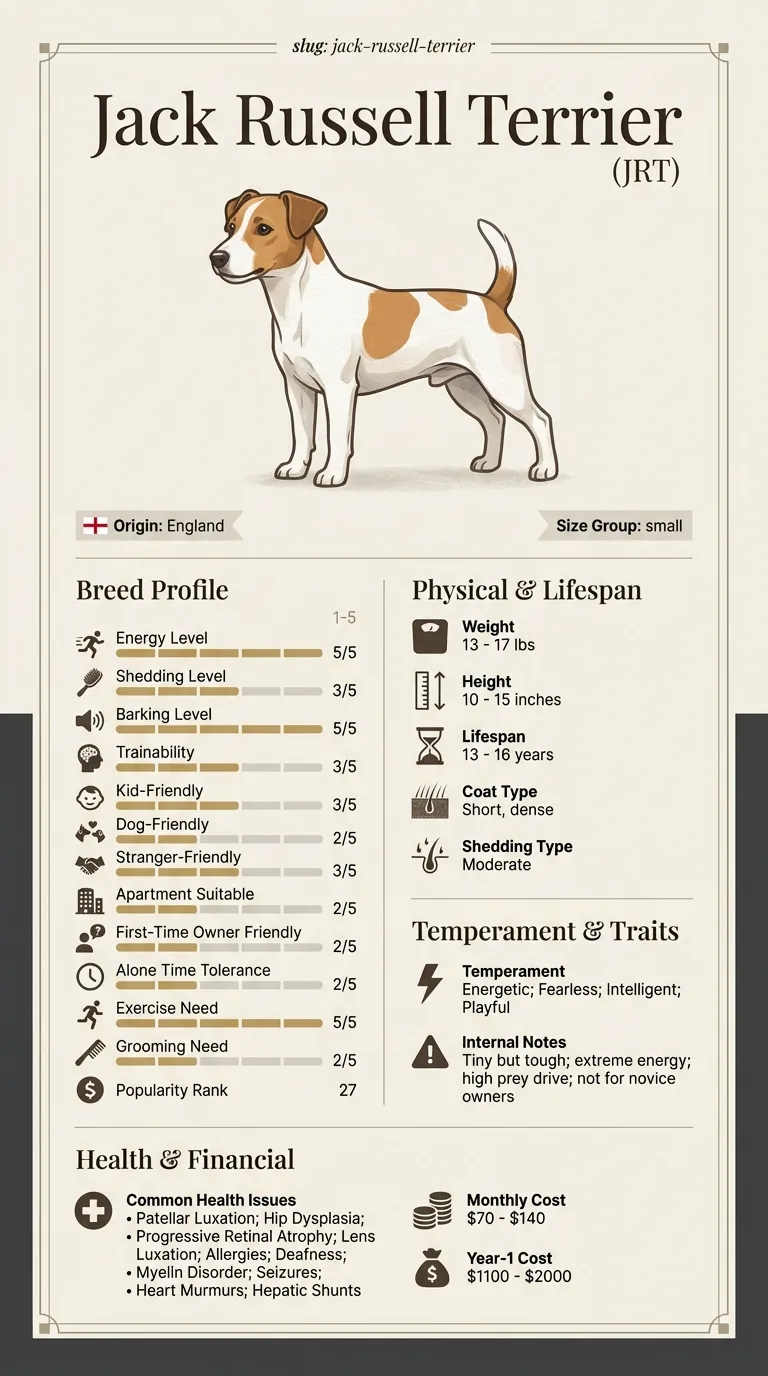
Understanding Jack Russell Terrier Dilated Cardiomyopathy (DCM) - When Jack Russell Terrier Dilated Cardiomyopathy (DCM) is an Emergency

Maria and Bella's Journey with DCM

Maria, a busy nurse from Atlanta, noticed her Jack Russell Terrier, Bella, was more tired than usual. After a vet visit, she learned Bella had dilated cardiomyopathy (DCM). Initially overwhelmed, Maria worked closely with her vet to create a tailored diet and exercise plan. Over the next few months, Bella's energy improved significantly, allowing them to take longer walks together. Maria learned to recognize signs of fatigue and adjusted activities accordingly. This partnership made both of them feel more connected and active.

Key takeaway: With the right support and adjustments, you can help your Jack Russell Terrier thrive even with DCM.

Frequently asked questions

Why does my Jack Russell Terrier have dilated cardiomyopathy (DCM)?

Jack Russell Terriers can develop dilated cardiomyopathy (DCM) due to genetic predisposition or underlying health issues. Factors like obesity, high-stress levels, and poor diet can exacerbate the condition. Regular vet check-ups and a balanced diet are essential for early detection and management.

How can I manage my Jack Russell Terrier's dilated cardiomyopathy (DCM)?

Management of DCM in Jack Russell Terriers often includes regular veterinary care, a heart-healthy diet, and possibly medications. Your vet may also recommend monitoring your dog's activity levels to avoid overexertion. Consistent follow-ups will help track the condition and adjust treatment as needed.

What are the symptoms of dilated cardiomyopathy (DCM) in Jack Russell Terriers?

Common symptoms of DCM in Jack Russell Terriers include coughing, lethargy, difficulty breathing, and fainting spells. If you notice any of these signs, it's crucial to consult your veterinarian promptly. Early detection can significantly impact treatment outcomes.

Can training help a Jack Russell Terrier with DCM?

While training won't cure dilated cardiomyopathy (DCM), it can help manage your dog's anxiety and stress levels. Ensure that training sessions are short and calm, focusing on positive reinforcement to create a supportive environment. This can help reduce stress, which is beneficial for dogs with heart conditions.

What lifestyle changes should I make for my Jack Russell Terrier with DCM?

Consider adjusting your Jack Russell Terrier's lifestyle by reducing strenuous activities and providing a calm home environment. A heart-healthy diet and regular vet visits are crucial, as is monitoring their weight. Creating a stress-free atmosphere can contribute to their overall well-being.

What are the early signs of dilated cardiomyopathy (DCM) in Jack Russell Terriers?

Early signs of Jack Russell Terrier dilated cardiomyopathy (DCM) can include coughing, difficulty breathing, lethargy, and reduced exercise tolerance. Keep an eye on any sudden changes in your dog's energy levels or appetite, as these can be important indicators.

Is Jack Russell Terrier dilated cardiomyopathy (DCM) hereditary?

Yes, dilated cardiomyopathy (DCM) can have a genetic component in Jack Russell Terriers. If your dog has a family history of heart issues, it's crucial to discuss this with your vet for early screening and monitoring.

How can I support my Jack Russell Terrier with DCM?

Supporting a Jack Russell Terrier with dilated cardiomyopathy (DCM) includes regular vet check-ups and following a tailored exercise plan. A heart-healthy diet and medications prescribed by your vet can also help manage symptoms and improve quality of life.

When should I take my Jack Russell Terrier to the vet for DCM?

You should take your Jack Russell Terrier to the vet if you notice persistent coughing, weight loss, or signs of distress, such as rapid breathing. Early intervention can be key in managing dilated cardiomyopathy (DCM) effectively.

Can older Jack Russell Terriers develop dilated cardiomyopathy (DCM)?

Yes, older Jack Russell Terriers are at an increased risk of developing dilated cardiomyopathy (DCM). As dogs age, it's essential to monitor their heart health closely and consult your vet about appropriate screenings and care.

Quick answers

View more answers
Health

What are quick tips for managing Jack Russell Terrier dilated cardiomyopathy (DCM)?

To manage DCM, ensure regular vet check-ups, maintain a balanced diet, and avoid intense exercise. Monitoring your dog's weight and stress levels is also essential.

Behavior

How can I help my Jack Russell Terrier with anxiety related to DCM?

Use calming techniques like gentle training sessions and creating a quiet space for your dog. Consider anxiety-reducing products or consult your vet for further options.

Health

What should I feed my Jack Russell Terrier with DCM?

Feed a heart-healthy diet with low sodium and high-quality proteins. Consult your vet for specific dietary recommendations tailored to your dog's needs.

Related DogBreedCompass guides

  • Jack Russell Terrier behavior problemsLearn about common behavior issues that may arise with Jack Russell Terriers, including handling their energetic nature.
  • Jack Russell Terrier dilated cardiomyopathy (dcm) trainingExplore training techniques specifically for Jack Russell Terriers that can help manage their energy and anxiety.
  • Jack Russell Terrier separation anxiety guideUnderstand the signs and effects of separation anxiety in Jack Russell Terriers and how to address them.
  • Jack Russell Terrier cost breakdownGet a detailed overview of costs associated with owning a Jack Russell Terrier, including healthcare and maintenance.
  • Understanding dilated cardiomyopathy in dogsFind out about dilated cardiomyopathy in other breeds to compare symptoms and care strategies.

Related guides