Behavior
What are quick tips for managing Havanese wobbler syndrome?
Focus on gentle exercises and consult your vet for pain management options. Regular check-ups are key to monitoring progress.

Quick answer
What are quick tips for managing Havanese wobbler syndrome?
Focus on gentle exercises and consult your vet for pain management options. Regular check-ups are key to monitoring progress.
Havanese wobbler syndrome is a serious condition affecting your dog's mobility and comfort. Understanding it is key to helping your furry friend live a happy life.
Typically, owners of Havanese dogs may notice their pets struggling to walk or showing signs of discomfort. This condition can be alarming, especially for first-time dog owners who may not recognize the symptoms.
This guide is not medical advice. If your dog shows pain, sudden behavior change, or worsening symptoms, consult a licensed veterinarian.
Some links may be affiliate links. We may earn a commission at no extra cost to you. We only suggest products we believe are helpful for dog owners.
We research and check what we publish, but we do not warrant that any figure, date, price, or statement is accurate, complete, or current, and we accept no liability for any loss, cost, injury, or other harm arising from the use of this site. Use it as one reference among several. You remain responsible for your own decisions and for your dog's care - confirm anything that matters with a licensed veterinarian or another qualified professional before you act on it. Full disclaimer.
Check this first
Recognizing when Havanese wobbler syndrome becomes an emergency is crucial for your dog's health. If your Havanese shows severe signs such as difficulty walking, sudden weakness, or loss of coordination, you should call your vet immediately. These symptoms can indicate severe nerve damage or spinal issues that require urgent medical attention.
In addition, if your dog experiences difficulty swallowing, persistent vomiting, or severe neck pain, these are red flags that necessitate an emergency vet visit. Any signs of distress, such as whining or excessive panting, should also be taken seriously. On the other hand, if your Havanese is wobbly but still able to walk and play, you may monitor them closely at home while keeping your vet informed.
For milder cases, you can establish a management plan. Monitor their behavior and keep track of any changes. Regular vet check-ups can help you assess the condition without triggering panic. Remember to provide a safe environment, avoid strenuous activities, and consider training techniques that may help with their balance and coordination. It's essential to stay proactive about their health while also being prepared for emergencies.
If any of these apply, call your vet or an emergency clinic now. The rest of this page is for the cases that are not an emergency.
Havanese wobbler syndrome is a neurological condition that affects the cervical spine, leading to instability and potential nerve compression. This can result in coordination issues, wobbling when walking, and difficulty maintaining balance. Owners may notice their Havanese struggling to walk or having a stiff neck, which can be alarming.
While wobbler syndrome is not extremely common, it does occur in Havanese dogs, particularly as they age. It's essential for owners to be aware of this condition and monitor for signs of wobbling or coordination problems.
Havanese wobbler syndrome is often linked to their small size and genetic predispositions. This breed may have a genetic tendency to develop issues with their cervical vertebrae, leading to instability. Over time, this can result in nerve compression and mobility problems.
Environmental factors can also contribute to this condition. For instance, a lack of physical exercise or activities that strain the neck can exacerbate symptoms. Additionally, poor nutrition may affect their overall health and worsen any existing conditions.
If you notice persistent signs of wobbler syndrome, such as difficulty walking, pain, or changes in appetite, contact your vet. They can assess the situation and recommend appropriate treatments, which might include medication or surgery for severe cases.
Understanding what not to do can help improve your Havanese's condition. Here are some common mistakes and safer alternatives.
Start here: Havanese Most Common Genetic Disorders: What to Screen For
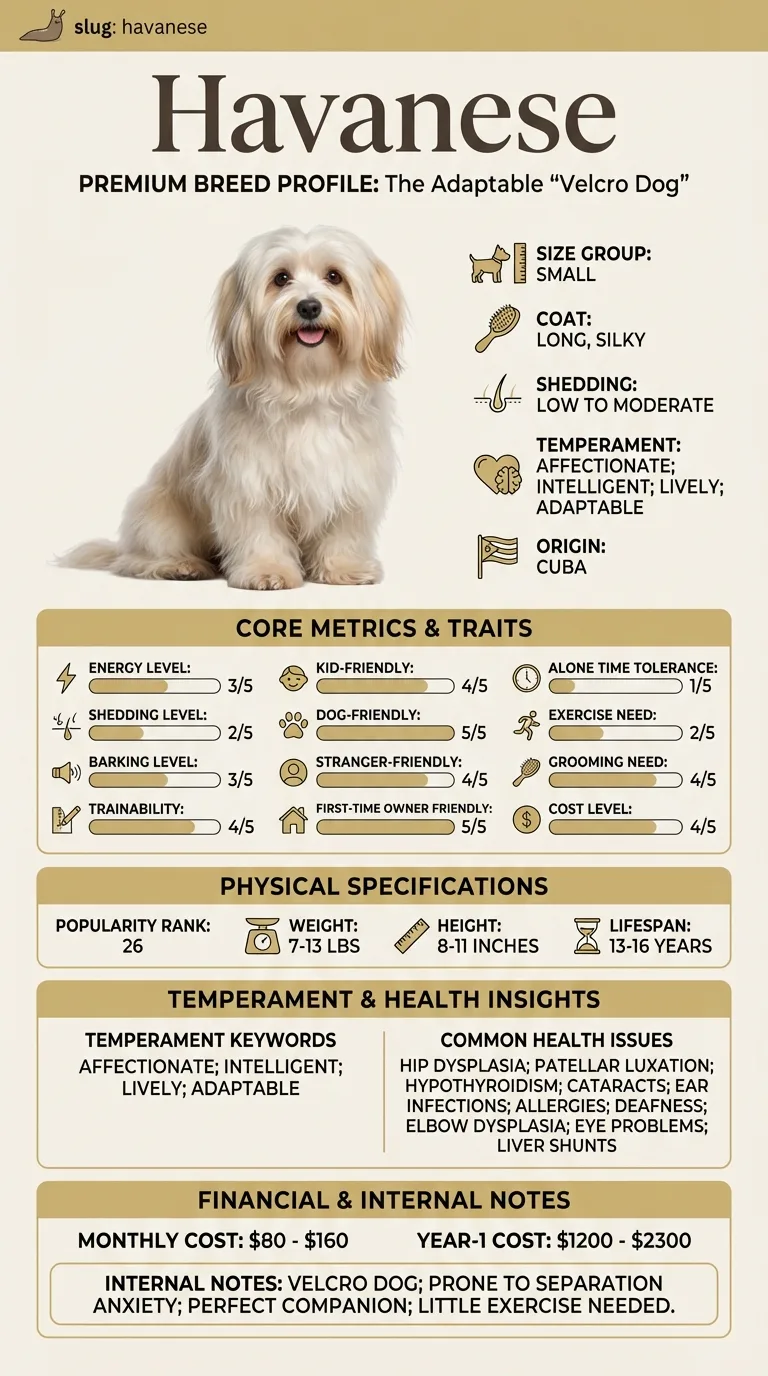
See all Havanese health problems, which breeds are prone to wobbler syndrome, or the full Havanese breed guide for temperament, exercise needs and ownership costs.
Managing Havanese wobbler syndrome typically takes several months of consistent care and veterinary follow-up to see significant improvement.
Success looks like your Havanese walking steadily with fewer wobbling episodes, showing improved confidence and comfort in their movements.
When Sarah adopted Bella, her new Havanese puppy, she quickly noticed Bella’s unusual wobbly gait. Concerned, Sarah took Bella to the vet, who diagnosed her with wobbler syndrome. Determined to help Bella, Sarah learned about the condition and began a tailored training regimen. With patience and consistency, she focused on gentle exercises that strengthened Bella’s muscles. After a few months, Bella could walk more steadily and had fewer falls. Sarah felt relieved and grateful to see Bella enjoying her walks again.
Key takeaway: With the right training and veterinary support, you can help your Havanese manage wobbler syndrome and lead a happier, more active life.
Havanese wobbler syndrome is a condition that affects the cervical spine, causing instability and resulting in wobbling or difficulty walking. This condition can lead to pain and discomfort for your dog. Early detection and treatment are crucial for managing symptoms.
While there's no cure for wobbler syndrome, managing your Havanese's symptoms is possible. This may include physical therapy, pain management medications, and in severe cases, surgery. Consult your vet for a tailored approach.
Training can help improve your Havanese's mobility and confidence. Focus on low-impact exercises and gentle training methods that encourage movement without straining their neck. Always consult your vet before starting any new training regimen.
Yes, a balanced diet can help maintain your Havanese's overall health and potentially alleviate some symptoms. High-quality dog food rich in essential nutrients supports their spine and joints. Always consult your vet for dietary recommendations.
Treatment costs for Havanese wobbler syndrome can range from $500 to $7,000, depending on the severity of the condition and the treatment required. Regular vet visits and preventive care can help manage costs over time.
Early signs of Havanese wobbler syndrome include neck pain, difficulty walking, or a wobbly gait. You might also notice your Havanese struggling to keep its balance or hesitating to jump. If you see these signs, consult your vet for a thorough evaluation.
In some cases, Havanese wobbler syndrome can be managed with medication, physical therapy, and weight management. However, if your dog has severe symptoms, surgery may be the best option. Always consult your veterinarian for the most appropriate treatment plan.
Yes, Havanese wobbler syndrome can have a genetic component. If you have a Havanese with a history of this condition, consider seeking advice from a responsible breeder who screens for genetic disorders. Awareness of your dog's lineage can help in understanding potential health issues.
Older Havanese may experience worsening symptoms of wobbler syndrome due to age-related changes in their spine. It's essential to monitor their behavior and mobility closely. Regular vet check-ups can help manage any emerging issues effectively.
Training can help improve your Havanese's overall comfort and confidence, especially if they struggle with mobility. Focus on gentle exercises and obedience training to keep them engaged. However, avoid any activities that put stress on their neck and spine.
Focus on gentle exercises and consult your vet for pain management options. Regular check-ups are key to monitoring progress.
Create a safe space with soft bedding and avoid stairs or slippery floors. Use ramps if needed for easy access to furniture.
Schedule a vet appointment immediately to assess their condition and discuss treatment options.
Yes, training should focus on low-impact activities that promote mobility without causing strain. Always consult your vet for guidance.
Foods rich in omega-3 fatty acids and joint supplements can support your Havanese's health. Consult your vet for recommendations.
A one-page prep sheet for this condition: the signs, the questions to ask, what to get priced. Unlocks here.
You get: Vet visit prep sheet
No spam. One-click unsubscribe. See our privacy policy.
See a sample page before you decide.
Early access list
The free prep sheet covers the same-day warning signs, a symptom log and the questions to ask. We are considering a fuller kit that adds a cost worksheet for the usual tests and treatments (US price ranges with their sources) and a plain-English guide to ways of covering the bill. It is not built yet; this list tells us whether it is worth building.
One email, no spam, unsubscribe anytime. Information only, not veterinary advice.