Behavior
What are quick tips for Havanese insurance claims?
Regular vet visits and a healthy diet can help prevent common health issues. Training for anxiety can reduce behavioral claims. Keep your Havanese engaged with toys and activities.

Quick answer
What are quick tips for Havanese insurance claims?
Regular vet visits and a healthy diet can help prevent common health issues. Training for anxiety can reduce behavioral claims. Keep your Havanese engaged with toys and activities.
Havanese insurance claims can be a frustrating issue for dog owners. These claims often arise from common health problems that the breed is prone to.
This problem typically affects first-time Havanese owners, busy families, or anyone unaware of the breed's health tendencies. If you find yourself frequently filing claims, it may be time to reassess your pet care approach.
This guide is not medical advice. If your dog shows pain, sudden behavior change, or worsening symptoms, consult a licensed veterinarian.
Some links may be affiliate links. We may earn a commission at no extra cost to you. We only suggest products we believe are helpful for dog owners.
We research and check what we publish, but we do not warrant that any figure, date, price, or statement is accurate, complete, or current, and we accept no liability for any loss, cost, injury, or other harm arising from the use of this site. Use it as one reference among several. You remain responsible for your own decisions and for your dog's care - confirm anything that matters with a licensed veterinarian or another qualified professional before you act on it. Full disclaimer.
Check this first
Understanding when to take your Havanese to the vet regarding insurance claims is crucial. Some situations require immediate attention, while others can be monitored over time. Recognizing the difference can save your dog’s life and help manage costs effectively.
If any of these apply, call your vet or an emergency clinic now. The rest of this page is for the cases that are not an emergency.
Havanese insurance claims can be a significant concern for owners. These small, affectionate dogs are often prone to health issues like hip dysplasia and cataracts, which can lead to increased veterinary visits and insurance claims. Owners may find themselves frequently navigating the claims process, especially when unexpected health problems arise.
Insurance claims are relatively common among Havanese due to their specific health vulnerabilities. Many owners report frequent claims related to conditions that are typical for the breed. This trend highlights the importance of understanding potential health risks and preparing for them.
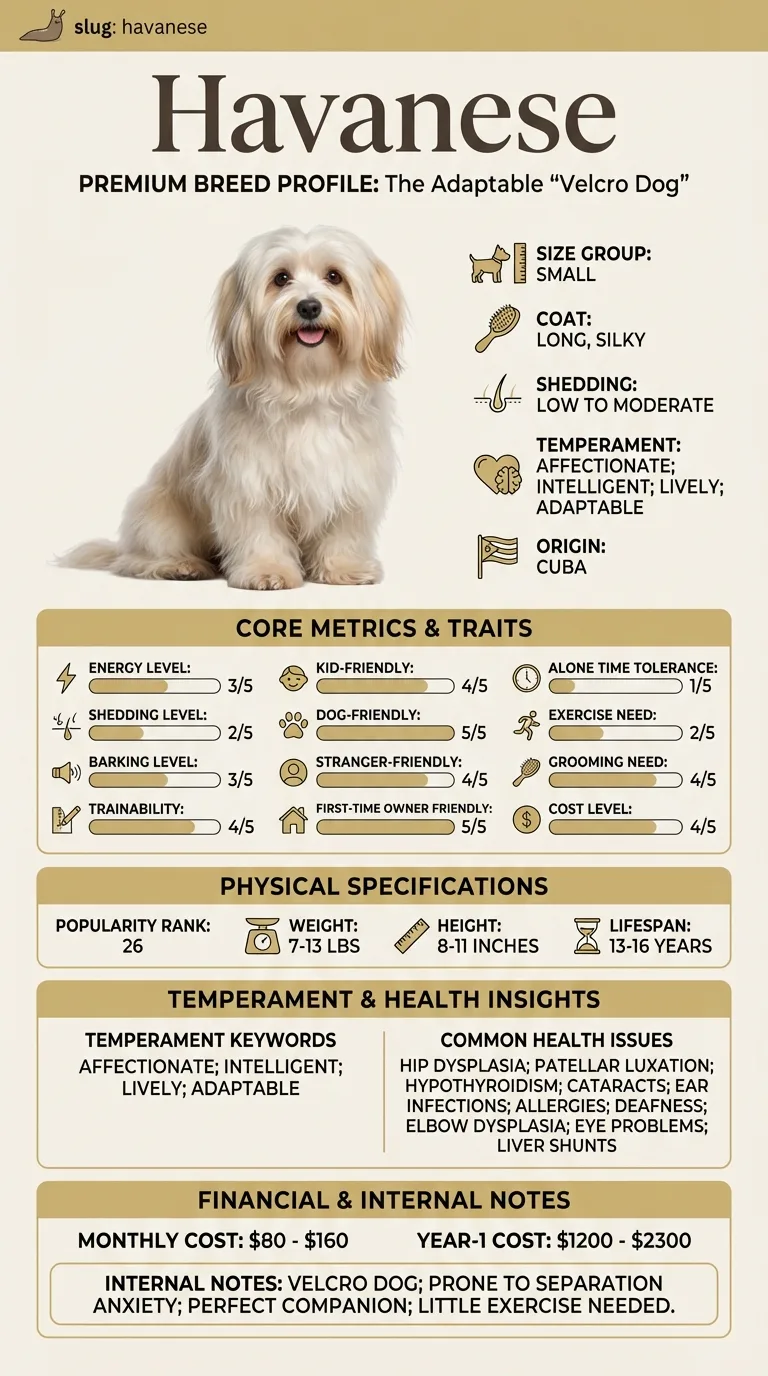
Havanese dogs tend to be prone to certain health issues, such as hip dysplasia and patellar luxation. These breed-specific conditions can lead to more frequent insurance claims. Their affectionate nature can also make them more susceptible to separation anxiety, which may cause behavioral problems that could result in claims.
The environment plays a significant role in a Havanese's health and behavior. Factors like lack of socialization, insufficient exercise, and stressful living conditions can increase anxiety and lead to health issues. If a Havanese is left alone for long periods, the stress can trigger behavioral problems, leading to more claims.
If your Havanese shows signs of persistent anxiety or develops health issues, consult your veterinarian. They can assess any underlying medical conditions that may contribute to your dog's behavior and provide guidance on treatment options.
Avoiding certain behaviors can help reduce Havanese insurance claims. Here are some common mistakes to watch out for.
Start here: Havanese Most Common Genetic Disorders: What to Screen For
See all Havanese health problems, which breeds are prone to insurance claims, or the full Havanese breed guide for temperament, exercise needs and ownership costs.
You may start seeing improvements in your Havanese's behavior within 4 to 6 weeks of consistent care under your vet's plan. Full resolution might take several months, depending on the severity of the issues.
Success means your Havanese will show reduced anxiety and fewer triggers for insurance claims. You’ll notice a calmer dog who can be left alone without excessive barking or destructive behaviors.
If you notice any of the following signs, call your vet immediately: - Severe vomiting or diarrhea lasting more than a day. - Difficulty breathing or persistent coughing. - Sudden lethargy or unresponsiveness. - Excessive bleeding or signs of pain that don’t improve. - Changes in appetite or water intake that seem alarming.

In less urgent situations, you can often monitor your Havanese. These include: - Mild digestive issues that pass within a few hours. - Occasional barking due to anxiety but not affecting daily life. - Minor skin irritations that improve with basic care. Create a plan to observe and document changes, and consult your vet if issues persist.

When Sarah adopted Bella, she quickly discovered that her new Havanese was prone to anxiety. Bella wouldn't stop barking when left alone, leading to several insurance claims for behavioral issues. After speaking with a trainer, Sarah learned that Bella needed more structured training and a routine. They began practicing short separations and left interactive toys to keep Bella engaged. Over time, Bella became more comfortable being alone, and Sarah saw a significant drop in the claims.
Key takeaway: With patience and proper training, you can help your Havanese overcome anxiety and reduce insurance claims.
Havanese dogs may have insurance claims due to their predisposition to certain health issues like hip dysplasia and cataracts. Additionally, their social nature can lead to separation anxiety, which might cause behavioral problems requiring treatment. Regular vet visits and proper training can help mitigate some of these risks.
To reduce Havanese insurance claims, ensure your dog is well-exercised and mentally stimulated. Implement training programs focused on reducing anxiety and behavioral issues. Regular vet check-ups can also catch potential health problems early.
Common health issues for Havanese include hip dysplasia, patellar luxation, and cataracts. These conditions often lead to higher insurance claims as they necessitate regular veterinary care or surgeries. Being proactive with health screenings can help manage these risks.
Insurance for Havanese can range from $80 to $160 monthly, depending on coverage levels. The overall cost can increase if your dog has specific health issues that require frequent veterinary attention. Comparing plans can help find the best fit for your budget.
Training options like behavioral modification classes can greatly benefit Havanese, especially for anxiety-related issues. Positive reinforcement techniques are effective in teaching your dog to cope with stressors. Look for trainers who specialize in small breeds or anxiety.
To manage your Havanese's anxiety, create a consistent routine that includes exercise and mental stimulation. Consider using calming products like anxiety wraps or pheromone diffusers. Consulting a trainer or a vet for a tailored plan can also be beneficial.
If your Havanese has frequent insurance claims, it’s essential to review their medical history and consult your vet. Understanding the underlying health issues can help you address the problems and potentially reduce claims.
Yes, older Havanese may have higher insurance claims due to age-related health issues. Regular vet check-ups and preventive care can help manage their health and minimize claims.
To prevent behavior-related insurance claims, focus on training and socialization from a young age. Consistent training and positive reinforcement can help address issues like anxiety or aggression.
Yes, allergies are a common issue for Havanese, leading to insurance claims. Regular vet visits can help identify and manage allergies effectively.
Consider switching your Havanese's insurance policy if you notice rising premiums without adequate coverage. Research different policies to find one that better suits your dog's needs and potential health issues.
Regular vet visits and a healthy diet can help prevent common health issues. Training for anxiety can reduce behavioral claims. Keep your Havanese engaged with toys and activities.
Expect to budget between $80 and $160 monthly for Havanese insurance. This amount can vary based on coverage and health needs.
Signs of anxiety in Havanese include excessive barking, destructive behavior, and clinginess. If you notice these signs, consider consulting a vet or trainer.
Yes, training can be very helpful in preventing behavioral claims related to anxiety. Consistent training helps your Havanese feel secure and reduces stress.
A one-page prep sheet for this condition: the signs, the questions to ask, what to get priced. Unlocks here.
You get: Vet visit prep sheet
No spam. One-click unsubscribe. See our privacy policy.
Preview page 1 before you decide.