Behavior
What are quick tips for Havanese heat sensitivity?
Always keep water available and avoid exercise during peak heat. Use cooling mats or vests to help them stay cool. Monitor for signs of overheating, and know the symptoms of heatstroke.
Havanese heat sensitivity & hyperthermia can be serious concerns for these small dogs. They are particularly susceptible to heat-related issues.
This issue often affects first-time dog owners or those living in warmer climates. Busy families or individuals who might not recognize the signs of overheating can also find themselves in a tough spot.
This guide is not medical advice. If your dog shows pain, sudden behavior change, or worsening symptoms, consult a licensed veterinarian.
Some links may be affiliate links. We may earn a commission at no extra cost to you. We only suggest products we believe are helpful for dog owners.
Havanese heat sensitivity and hyperthermia can be serious issues for this small breed. On hot days, you might notice your Havanese panting excessively, appearing lethargic, or even refusing to play. These signs can escalate quickly, leading to heatstroke if not addressed promptly.
Heat sensitivity is relatively common in Havanese dogs. Their small size and thick coat make them particularly vulnerable to overheating, especially in warmer climates. Owners should be vigilant, as even a short exposure to heat can lead to serious health risks.
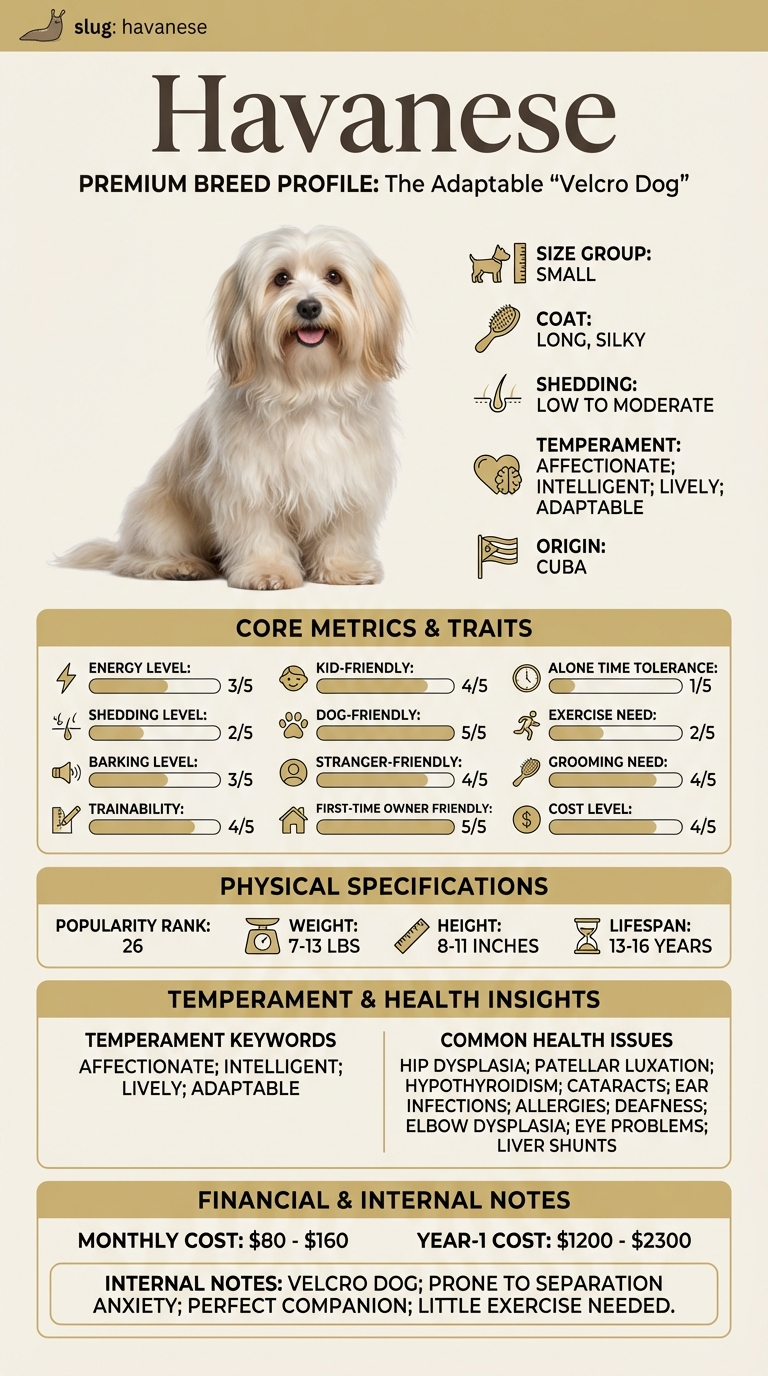
Havanese dogs are small with long, silky coats that can trap heat. Their compact size and low exercise needs mean they may not cool off easily. This breed is also prone to certain health issues that can affect their ability to regulate temperature.
Heat sensitivity in Havanese can be worsened by environmental factors. Hot, humid weather, lack of shade, or insufficient water can all increase their risk of overheating. Additionally, confined spaces without ventilation can exacerbate the situation.
If your Havanese shows consistent signs of anxiety or discomfort in heat, a trainer can help. They can provide guidance on acclimation techniques and stress-reduction strategies tailored to your dog's needs.
Consult your vet if your Havanese experiences severe heat sensitivity or shows signs of hyperthermia, such as excessive panting, drooling, or disorientation. Your vet can check for underlying health issues and provide specific advice.
Improving your Havanese's heat sensitivity can take 1 to 3 months of consistent management and training.
Success means your Havanese can enjoy outdoor activities without overheating, and you can confidently recognize the signs of heat stress.
Avoiding certain behaviors can help manage Havanese heat sensitivity and prevent hyperthermia. Here are some common mistakes to steer clear of, along with safer alternatives.
Understanding when Havanese heat sensitivity and hyperthermia become emergencies is crucial for your dog's safety. If you notice any severe symptoms, it’s time to call your vet immediately. Watch for signs like excessive panting, lethargy, vomiting, or loss of consciousness. These can indicate heatstroke, which is a serious condition that needs immediate attention.
On the other hand, there are mild cases that you can monitor at home. If your Havanese is simply panting lightly, seems a bit tired, or is drinking more water than usual, you may not need to panic. Instead, provide a cool area and ensure they stay hydrated. It's important to keep a close eye on them during hot weather and adjust their activities accordingly.
Remember, Havanese dogs are particularly vulnerable to heat-related issues due to their small size and long, silky coats. Ensuring they have access to shade and fresh water is vital. Having a plan in place for hot days can help you prevent heat sensitivity issues before they escalate. Keep your vet's number handy, and when in doubt, it's always best to err on the side of caution.
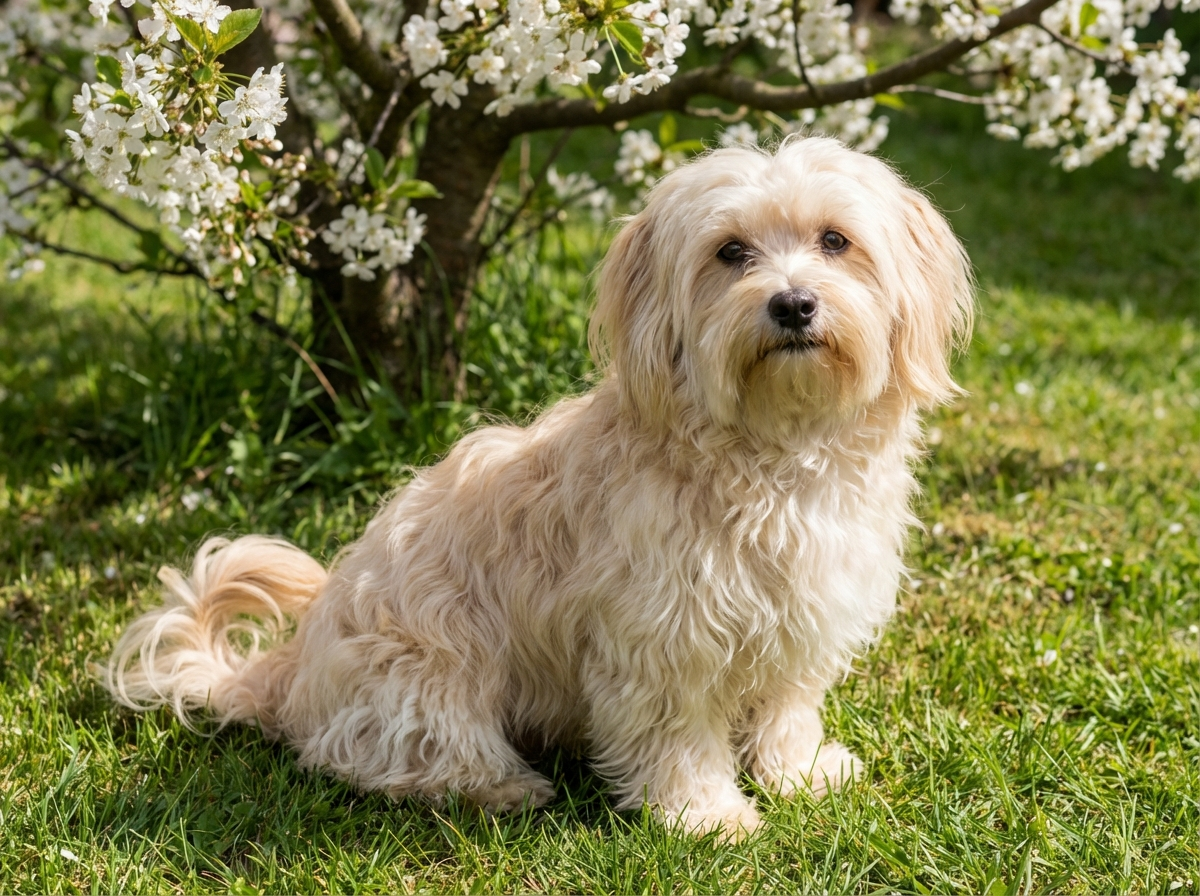
When Sarah adopted Bella, she was thrilled to have a playful companion. However, she quickly noticed Bella struggled during warm days, panting heavily and refusing to play outside. Concerned, Sarah researched Havanese heat sensitivity & hyperthermia and learned how to create a safe environment for Bella. She set up shaded areas in the yard and ensured plenty of fresh water was always available. Over time, Bella learned to recognize when it was too hot to be outside, and they developed a routine for early morning walks. With patience and care, Bella became more comfortable in the summer heat.
Key takeaway: With proper management and training, you can help your Havanese thrive despite heat sensitivity, ensuring both you and your furry friend enjoy the outdoors safely.
Havanese are small dogs with thick, long coats that can trap heat. Their bodies struggle to cool down in high temperatures, making them prone to heat sensitivity and hyperthermia. Factors like age, health, and activity level also contribute to their vulnerability.
To prevent overheating, always provide fresh water and shade during outdoor activities. Limit exercise during hot weather and consider using cooling vests or mats. If your Havanese starts panting excessively or seems lethargic, bring them indoors immediately.
Symptoms of hyperthermia include excessive panting, drooling, weakness, and disorientation. You might also notice a rapid heartbeat and dark red gums. If you see these signs, cool your dog down with water and contact a veterinarian right away.
Training alone won't eliminate heat sensitivity, but it can help your Havanese learn to recognize when to retreat to cooler areas. Teaching commands like 'inside' or 'cool down' can encourage them to seek shade or air conditioning when needed.
If you suspect heatstroke, move your Havanese to a cooler place immediately. Offer cool (not ice-cold) water and apply cool, wet cloths to their body. Seek veterinary assistance urgently, as heatstroke can be life-threatening.
Watch for excessive panting, drooling, weakness, or confusion. If your Havanese seems lethargic or has difficulty standing, these may be signs of heat exhaustion or hyperthermia.
Yes, individual Havanese can vary in their heat tolerance. Factors like age, health conditions, and physical fitness can affect their sensitivity to heat.
Older Havanese may need extra care during hot weather. Ensure they have access to shade and fresh water, and limit exercise to cooler times of the day to help prevent overheating.
If your Havanese shows severe symptoms like vomiting, collapse, or seizures, seek veterinary attention immediately. Quick action can be crucial in heat-related emergencies.
Provide plenty of water, avoid prolonged outdoor activity during peak heat, and consider using cooling products like mats or vests. These steps can help manage Havanese heat sensitivity & hyperthermia effectively.
Always keep water available and avoid exercise during peak heat. Use cooling mats or vests to help them stay cool. Monitor for signs of overheating, and know the symptoms of heatstroke.
Keep your home air-conditioned and provide plenty of shade outdoors. Plan walks during cooler parts of the day, and consider short, frequent outings instead of long walks.
Regular grooming helps remove excess fur and reduces heat retention. Trim their coat lightly, but avoid shaving as it can expose them to sunburn.