Health
What should I do if my Great Dane bleeds excessively?
If your Great Dane bleeds excessively, apply pressure to the wound and contact your veterinarian immediately. Quick action can prevent serious complications.
Great Dane von Willebrand's disease (vWD1) is a genetic bleeding disorder that can significantly affect your dog's health.
Typically, first-time Great Dane owners or those unaware of genetic health issues may struggle with vWD1. Owners who have active Great Danes or those involved in dog sports may face additional challenges if their dog develops this condition.
This guide is not medical advice. If your dog shows pain, sudden behavior change, or worsening symptoms, consult a licensed veterinarian.
Some links may be affiliate links. We may earn a commission at no extra cost to you. We only suggest products we believe are helpful for dog owners.
Great Dane von Willebrand's disease (vWD1) is a genetic bleeding disorder that can significantly impact your dog's health. Day-to-day, you might notice unusual bleeding, such as nosebleeds or excessive bleeding after minor injuries. This condition can be concerning since it affects the blood's ability to clot, making even small cuts a potential risk.
Von Willebrand's disease (vWD1) is relatively common among Great Danes, as it's a hereditary condition. While not every Great Dane will develop vWD1, it's vital for owners to be aware of the signs, especially if there's a family history of bleeding disorders.
Great Danes are predisposed to von Willebrand's Disease (vWD1) due to their genetics. This inherited condition affects their blood's ability to clot properly. As a result, they may experience excessive bleeding from injuries or surgical procedures.
Environmental factors can also play a role in managing vWD1 in Great Danes. Stressful situations or injuries can exacerbate the symptoms of this disorder. Ensuring a calm and safe environment can help minimize bleeding episodes.
If your Great Dane is anxious or stressed, consider hiring a trainer experienced with large breeds. They can provide strategies to help your dog feel more secure. Training can also minimize behavioral issues that could lead to injuries.
If you suspect your Great Dane has von Willebrand's Disease (vWD1) or if you notice excessive bleeding, contact your vet. Regular check-ups and blood tests can help manage the condition. Your vet can recommend specific care tailored to your dog's needs.
Managing Great Dane von Willebrand's disease (vWD1) can take several weeks to months. Regular vet visits and consistent monitoring of your dog's health are essential.
Success means having a clear management plan in place, understanding your dog's condition, and minimizing bleeding risks through proper care and training.
Avoiding these common mistakes can help improve your Great Dane's experience with von Willebrand's Disease (vWD1). Here are key behaviors to watch out for.
Not all cases of Great Dane von Willebrand's disease (vWD1) require immediate action, but some situations are critical. If your Great Dane shows signs of severe bleeding, such as excessive nosebleeds, bleeding gums, or blood in the urine or stool, these are red flags. Call your vet immediately if your dog experiences any of these symptoms, as they can indicate a serious health risk.
Milder symptoms can often be monitored at home. If your Great Dane has minor bleeding that stops quickly or shows no other concerning signs, you can keep an eye on them. Track their behavior and any changes, but create a plan to consult your vet if symptoms persist or worsen. Always err on the side of caution with bleeding disorders, as early intervention can save your dog's life.
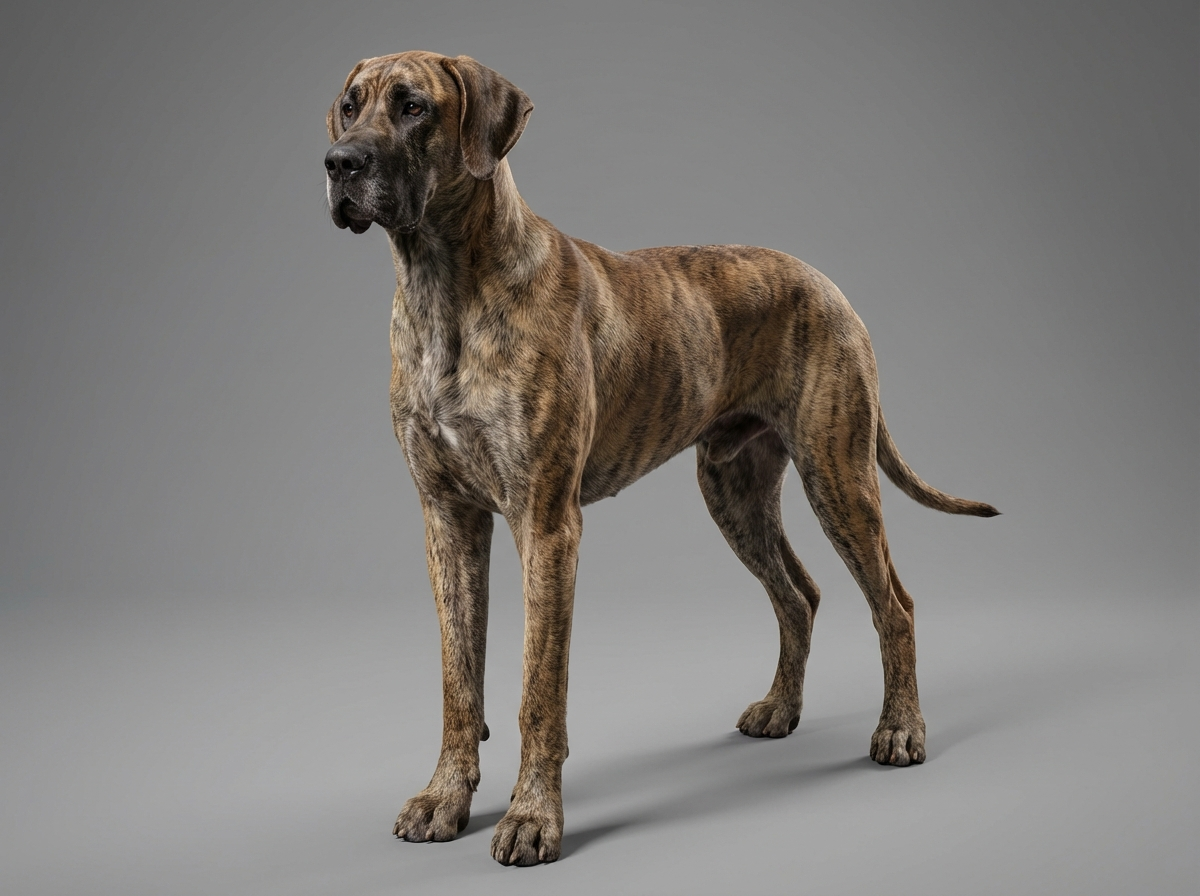
Sara, a busy veterinarian in Seattle, adopted Max, a Great Dane, only to discover he had von Willebrand's disease (vWD1). Initially overwhelmed, she learned to manage his condition with regular vet check-ups and careful monitoring. Through positive reinforcement training, she taught Max to be gentle during play and avoid rough interactions that could lead to injuries. Sara also became active in a local support group, sharing experiences and advice with other Great Dane owners. With time and dedication, Max led a happy, healthy life despite his condition.
Key takeaway: Understanding and managing vWD1 is possible with the right knowledge and support. Building a strong bond with your dog can help you both navigate challenges together.
Great Dane von Willebrand's disease (vwd1) is a genetic bleeding disorder that affects the blood's ability to clot. It results from a deficiency in a specific clotting factor, leading to excessive bleeding after injuries or surgeries. If you notice unusual bleeding in your Great Dane, consult your vet.
Great Danes inherit von Willebrand's disease (vwd1) from their parents, as it is passed down genetically. Both parents must carry the gene for their offspring to be affected. This condition is more common in certain breeds, including Great Danes.
Managing Great Dane von Willebrand's disease (vwd1) involves regular vet check-ups and monitoring for signs of bleeding. You should avoid situations that could lead to injury, and discuss treatment options with your veterinarian, which may include medications or special care during surgeries.
Symptoms of von Willebrand's disease (vwd1) in Great Danes can include excessive bleeding from the nose, gums, or during heat cycles. You might also notice prolonged bleeding from cuts or bruises. If you observe these signs, it's crucial to consult your vet immediately.
Currently, there is no cure for von Willebrand's disease (vwd1) in Great Danes. However, with proper management and care, affected dogs can lead happy lives. Regular vet visits and careful monitoring are essential to prevent complications.
Symptoms of von Willebrand's disease (vwd1) in Great Danes can include excessive bleeding from cuts, nosebleeds, and prolonged bleeding after surgery. You may also notice your dog bruising easily or having blood in their urine. If you observe any of these symptoms, consult your veterinarian for further evaluation.
Von Willebrand's disease (vwd1) is a genetic condition, so it is present from birth. However, older Great Danes may show symptoms as their health declines. Regular veterinary check-ups can help monitor for any signs of bleeding disorders as your dog ages.
Managing a Great Dane with von Willebrand's disease (vwd1) involves regular veterinary care, including blood tests to monitor clotting levels. You should also avoid situations that could lead to injuries and bleeding. Your vet may recommend medications or treatments to help manage the condition.
Yes, von Willebrand's disease (vwd1) is hereditary, passed down through genes. If you are planning to breed your Great Dane, it's important to have them tested for this condition. Responsible breeding practices can help reduce the occurrence of this disease in future generations.
If you notice any signs of excessive bleeding, such as prolonged bleeding from minor cuts or frequent nosebleeds, you should take your Great Dane to the vet right away. Regular check-ups are also important for early detection, especially for breeds prone to von Willebrand's disease (vwd1).
If your Great Dane bleeds excessively, apply pressure to the wound and contact your veterinarian immediately. Quick action can prevent serious complications.
Yes, von Willebrand's disease (vwd1) can be tested through a simple blood test at your vet's office. Early detection can help manage the condition effectively.
To prevent injury, keep your Great Dane in a safe environment and avoid activities that could lead to cuts or trauma. Supervised playtime is essential.
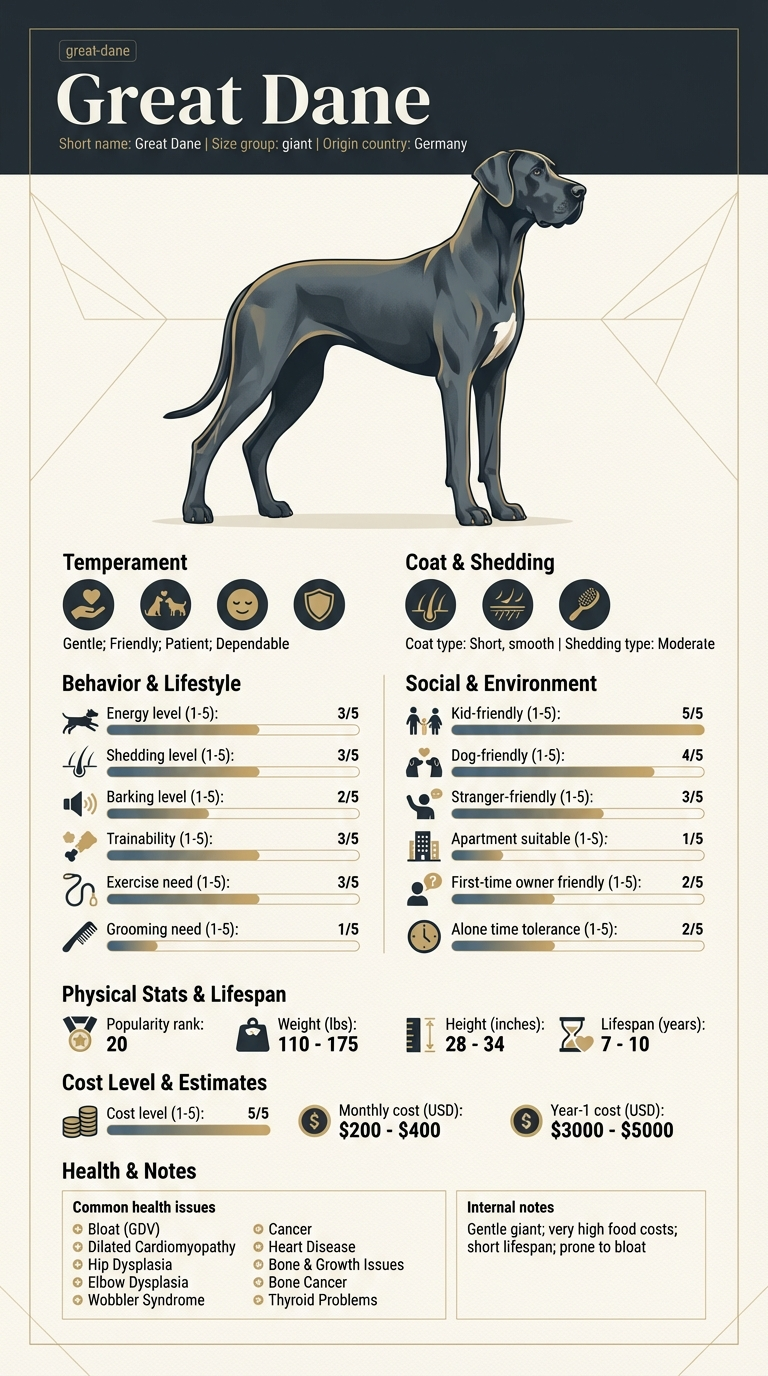
Managing Great Dane von Willebrand's disease (vwd1) can vary, but expect to spend on regular vet visits, medications, and potential emergency care. Budgeting around $200 to $400 monthly for overall care is wise.