DogBreedCompass
← Back to breed profile

Managing Great Dane Small Nostrils (Stenotic Nares)

Great Dane small nostrils (stenotic nares) can lead to breathing difficulties, affecting your dog's quality of life.

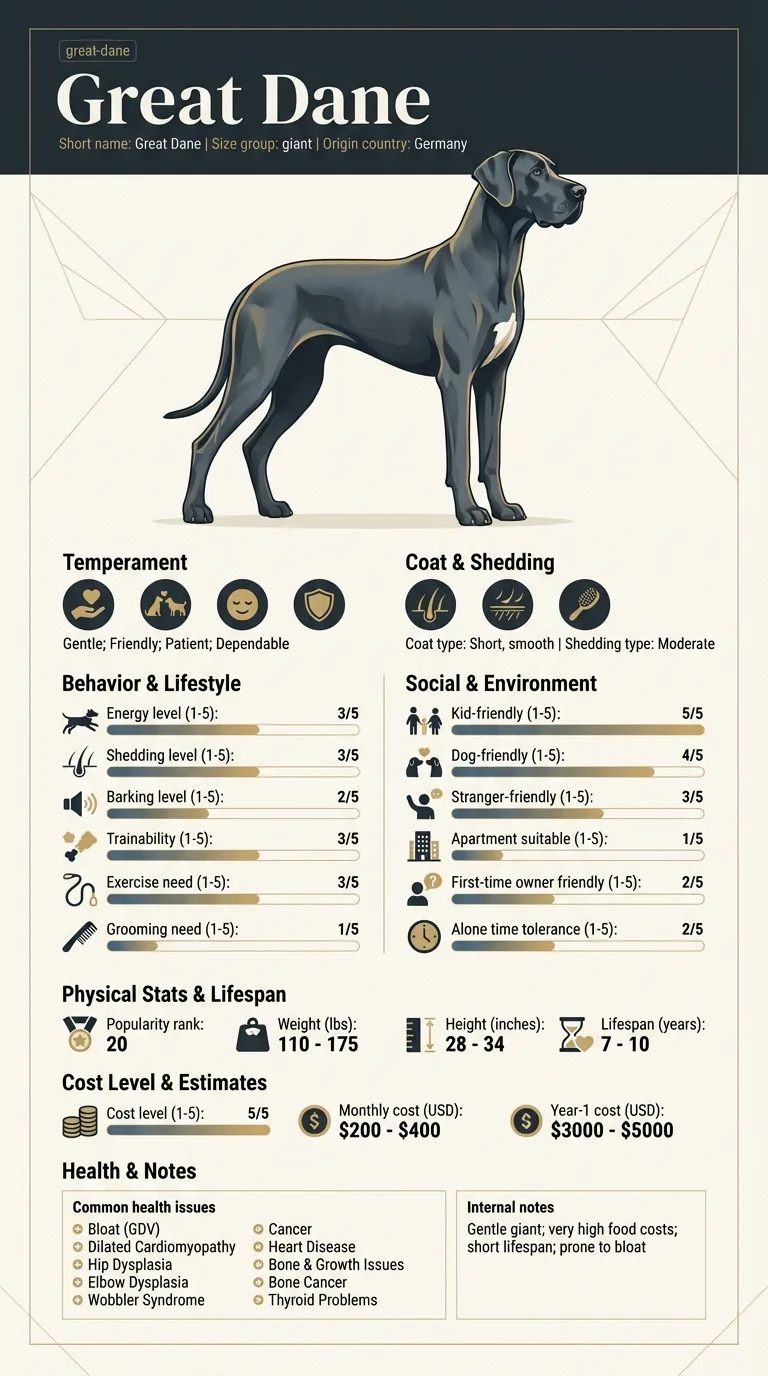
Managing Great Dane Small Nostrils (Stenotic Nares) infographic

Owners of Great Danes often face this challenge, particularly those who live in warmer climates or are active with their dogs. First-time Great Dane owners may feel overwhelmed by the health implications, and those with older dogs might worry about worsening symptoms over time.

Important reminder

This guide is not medical advice. If your dog shows pain, sudden behavior change, or worsening symptoms, consult a licensed veterinarian.

Some links may be affiliate links. We may earn a commission at no extra cost to you. We only suggest products we believe are helpful for dog owners.

What this problem looks like

Great Danes with small nostrils, known as stenotic nares, often face daily breathing challenges. This condition can lead to noisy breathing, snoring, and even exercise intolerance. Owners might notice their dog struggling for air, especially during physical activities or in hot weather.

Common triggers

  • High temperatures and humidity
  • Intense physical activity
  • Allergies or respiratory irritants

Stenotic nares are relatively common in Great Danes, especially among those with shorter muzzles. Many owners report these issues during their dog's early years, making it a significant concern for potential owners.

Why this happens

Breed factors

Great Danes often have small nostrils, or stenotic nares, as a genetic trait. This can cause breathing difficulties due to the reduced airflow. Their large size and deep chest can exacerbate these issues, making it more noticeable.

Environment factors

Environmental factors like high humidity, heat, or allergens can worsen breathing problems for Great Danes with small nostrils. Stressful situations, such as loud noises or crowded places, may also trigger respiratory issues. Proper ventilation and a calm environment can help ease their discomfort.

What you can try

At-home strategies

  • Keep your Great Dane in a cool, well-ventilated area to help with breathing.
  • Limit exercise during hot weather to reduce strain on their respiratory system.
  • Use a harness instead of a collar to prevent pressure on their throat while walking.
  • Monitor your dog's breathing and note any changes, such as wheezing or excessive panting.

When to consider a trainer

If your Great Dane shows ongoing anxiety or behavioral issues related to their breathing, consider consulting a professional trainer. They can help your dog feel more secure and comfortable in various environments.

When to talk to your vet

Talk to your vet if your Great Dane experiences severe breathing difficulties or if their nostrils seem obstructed. It's essential to get a professional evaluation to determine if surgery or other medical interventions are necessary.

Realistic expectations

Many owners notice improvements in their Great Dane's breathing and overall comfort within 4 to 8 weeks of consistent training and veterinary guidance.

Success means your Great Dane will have easier breathing, especially during exercise. You'll notice them being more active and less distressed during physical activities.

Mistakes that make this worse

It's easy to unintentionally make your Great Dane's small nostrils (stenotic nares) worse. Here are some common mistakes to avoid and safer alternatives to consider.

  • Ignoring Symptoms: Many owners overlook the signs of breathing difficulty. Regularly monitor your Great Dane's breathing and consult a vet if you notice wheezing or excessive panting.
  • Overexertion: Pushing your Great Dane to exercise too hard can exacerbate breathing issues. Opt for gentle, shorter walks and avoid hot weather to keep their breathing manageable.
  • Using Harsh Training Methods: Negative reinforcement can increase anxiety and worsen breathing problems. Instead, use positive reinforcement techniques to encourage good behavior without stress.
  • Neglecting Weight Management: Obesity can worsen breathing difficulties. Keep your Great Dane at a healthy weight by providing a balanced diet and regular exercise tailored to their needs.
  • Skipping Regular Vet Check-Ups: Some owners may think they can manage stenotic nares without professional help. Consistent vet visits are crucial for monitoring health and recommending treatments.
  • Ignoring Environmental Factors: Poor air quality or allergens can trigger breathing issues. Make sure your home is well-ventilated and free from smoke or strong odors to help your dog breathe easier.

When Great Dane Small Nostrils (Stenotic Nares) is an Emergency

Recognizing when your Great Dane’s small nostrils (stenotic nares) are a serious issue is crucial for their health. Some signs indicate that you should call your vet immediately, while others can be monitored at home. Immediate veterinary attention is needed if your dog is struggling to breathe, has a blue or gray tongue, or collapses after exercise. These are red flags that indicate your Great Dane may be in serious distress.

On the other hand, mild cases can often be watched and managed. If your dog experiences occasional snoring, light wheezing, or seems to breathe heavily during play, these symptoms may not be emergencies. Keep track of these behaviors and create a plan to monitor their condition. If breathing issues worsen or new symptoms develop, don’t hesitate to consult your vet.

Understanding the difference between emergency and non-emergency signs can help you act quickly and appropriately. It’s always better to be safe and reach out to a professional when unsure. Regular check-ups and discussions with your vet about your Great Dane's breathing can also provide peace of mind and ensure your dog remains healthy.

Managing Great Dane Small Nostrils (Stenotic Nares) - When Great Dane Small Nostrils (Stenotic Nares) is an Emergency

Emily and Max: Overcoming Breathing Challenges

Emily, a first-time Great Dane owner, was concerned when she noticed Max, her 2-year-old Great Dane, struggling to breathe during playtime. After researching, she learned about stenotic nares, a common issue in the breed. With her vet's help, she started a training program focused on breath control and explored options like surgical correction. Over several weeks, Emily practiced controlled exercises with Max, gradually building his stamina. She also made sure to avoid overly strenuous activities until he adjusted. With patience and regular vet check-ins, Max's breathing improved significantly, allowing him to enjoy playtime without distress.

Key takeaway: Addressing stenotic nares requires a combination of training, veterinary advice, and patience. With the right approach, you can enhance your Great Dane's quality of life.

Frequently asked questions

Why does my Great Dane have small nostrils (stenotic nares)?

Great Danes can inherit small nostrils (stenotic nares), which may lead to breathing difficulties. This condition can be due to genetics, as certain breeds are more prone to it. If you notice signs of labored breathing or excessive snoring, it's best to consult your vet. This answer relates to Great Dane small nostrils (stenotic nares).

What are the symptoms of small nostrils in Great Danes?

Common symptoms include difficulty breathing, snoring, and excessive panting. You may also see your Great Dane struggling during exercise or showing signs of distress when breathing. Monitoring these behaviors can help you catch any issues early.

How can I help my Great Dane with small nostrils (stenotic nares)?

To help your Great Dane, ensure they stay calm and avoid strenuous activities in hot weather. You can also focus on weight management, as excess weight can worsen breathing issues. Always consult your veterinarian for tailored advice.

What treatments are available for Great Danes with small nostrils (stenotic nares)?

Surgical options are available to widen the nostrils and improve airflow. Your vet can discuss the best approach based on your dog's specific needs. Early intervention often leads to better outcomes.

When should I see a vet for my Great Dane's breathing issues?

If you notice persistent labored breathing, excessive panting, or your dog seems lethargic, it's time to see a vet. Regular check-ups can help manage stenotic nares before they become serious. Early diagnosis is key.

What are the signs that my Great Dane's small nostrils (stenotic nares) are causing problems?

If your Great Dane is experiencing difficulty breathing, snoring, or excessive panting, these can be signs of stenotic nares. You may also notice your dog has a reduced exercise tolerance or seems to tire easily during walks.

Can small nostrils (stenotic nares) worsen with age in Great Danes?

Yes, as your Great Dane ages, the condition of stenotic nares can become more pronounced. It's important to monitor your dog’s breathing and consult a vet if you notice any changes or worsening symptoms.

How can I help my Great Dane with small nostrils (stenotic nares) at home?

To assist your Great Dane, ensure they have a cool, comfortable environment and avoid strenuous activities during hot weather. Additionally, you can work on light training exercises that promote calm and controlled breathing.

When should I take my Great Dane to the vet for small nostrils (stenotic nares)?

You should see a vet if your Great Dane shows signs of severe breathing difficulty, excessive coughing, or lethargy. If you notice any sudden changes in their behavior or health, it’s best to seek professional advice.

Are there any surgical options for Great Danes with small nostrils (stenotic nares)?

Yes, surgery is an option for Great Danes with severe stenotic nares. A veterinarian can perform a corrective procedure to improve airflow and breathing. Discuss this option with your vet to see if it's suitable for your dog.

Quick answers

View more answers
Behavior

What are quick tips for Great Dane small nostrils (stenotic nares)?

Keep your Great Dane cool and calm, especially in the heat. Regular vet visits are crucial to monitor their breathing. Consider weight management to lessen strain on their respiratory system.

Training

How can I train my Great Dane with small nostrils (stenotic nares)?

Focus on gentle training methods that minimize stress. Avoid strenuous exercises and opt for short, calm walks instead. Training sessions should be brief to prevent breathing difficulties.

Costs

Are there costs associated with treating Great Dane small nostrils?

Treatment costs can vary widely depending on the severity and chosen intervention. Surgical options can range from a few hundred to several thousand dollars. Be prepared for ongoing vet check-ups as well.

Related DogBreedCompass guides

  • Common health issues for Great DanesLearn about common health issues for Great Danes, including stenotic nares.
  • Great Dane behavior problemsFind out more about how to manage Great Dane behavior problems effectively.
  • Great Dane separation anxiety guideUnderstand how to prevent and address separation anxiety in Great Danes.
  • Great Dane training techniquesExplore training techniques specific to Great Danes, including those for breathing issues.
  • Great Dane ownership costsGet insights on the costs associated with owning a Great Dane, including health care.

Related guides