Health
What to do if my Great Dane shows signs of vision loss?
Schedule a vet appointment for an eye exam to assess the situation and discuss options.
Great Dane progressive retinal atrophy (PRA-RCD3) is a serious condition that causes vision loss in these gentle giants. Understanding this issue is crucial for their care.
Owners of Great Danes, particularly those with older dogs or a family history of this condition, often face the emotional difficulty of watching their beloved pet lose sight. New dog owners may feel overwhelmed by how to support their dogs through this change.
This guide is not medical advice. If your dog shows pain, sudden behavior change, or worsening symptoms, consult a licensed veterinarian.
Some links may be affiliate links. We may earn a commission at no extra cost to you. We only suggest products we believe are helpful for dog owners.
Great Dane progressive retinal atrophy (pra-rcd3) is a genetic condition that leads to vision loss. Affected dogs may initially show signs of night blindness, difficulty navigating in low light, and eventually loss of vision in bright conditions. This condition can significantly impact their quality of life and the bond they share with their owners.
Progressive retinal atrophy (pra-rcd3) is relatively common in Great Danes, particularly as they age. Many Great Danes will experience some form of vision impairment during their lives, making awareness and early intervention crucial.
Great Danes are genetically predisposed to Progressive Retinal Atrophy (PRA-rcd3). This breed-specific condition causes the retina to deteriorate, leading to vision loss. Unfortunately, it's a hereditary issue, meaning it can be passed down from parents to puppies.
Environmental factors can also influence the severity of PRA-rcd3. Poor lighting conditions or lack of mental stimulation may exacerbate anxiety in dogs with vision issues. Additionally, if a Great Dane is not given proper care or health check-ups, early signs might be overlooked.
If your Great Dane shows signs of severe anxiety or if training at home isn't effective, consider hiring a professional trainer. A trainer can help design a personalized program that addresses both the dog's behavioral and emotional needs.
Consult a vet if you notice any sudden changes in your Great Dane's behavior or if their vision seems to be deteriorating rapidly. It's important to rule out other health issues and discuss potential treatment options for PRA-rcd3.
Managing Great Dane progressive retinal atrophy (pra-rcd3) typically takes several months to adjust to, with noticeable changes in behavior and routine as the condition progresses.
Success means your Great Dane adapts to their vision loss, maintains a good quality of life, and continues to enjoy interaction and play without fear or anxiety.
Avoid these common mistakes to better manage your Great Dane's progressive retinal atrophy (PRA-rcd3). These behaviors can unintentionally worsen the situation or slow down progress.
As a Great Dane owner, it's crucial to recognize when progressive retinal atrophy (PRA-rcd3) becomes an emergency. If you notice sudden changes in your dog's vision, such as stumbling, bumping into objects, or refusing to move, these are red flags. Immediate veterinary attention is necessary if your dog shows signs of pain, excessive eye discharge, or sudden blindness.
On the other hand, if your Great Dane is experiencing mild vision changes that develop gradually, you may monitor the situation. Look for behaviors like hesitance in low-light areas or slight disorientation. These can be signs of PRA-rcd3 that may not require immediate intervention but still warrant a vet visit soon for a proper assessment. Create a plan with your vet to track your dog's condition and provide the necessary support as their vision changes.
In summary, call your vet immediately for any sudden or severe symptoms. For more gradual changes, keep a close watch and consult your vet during regular check-ups. Early intervention can help manage the effects of PRA-rcd3, ensuring your Great Dane stays as comfortable and happy as possible.
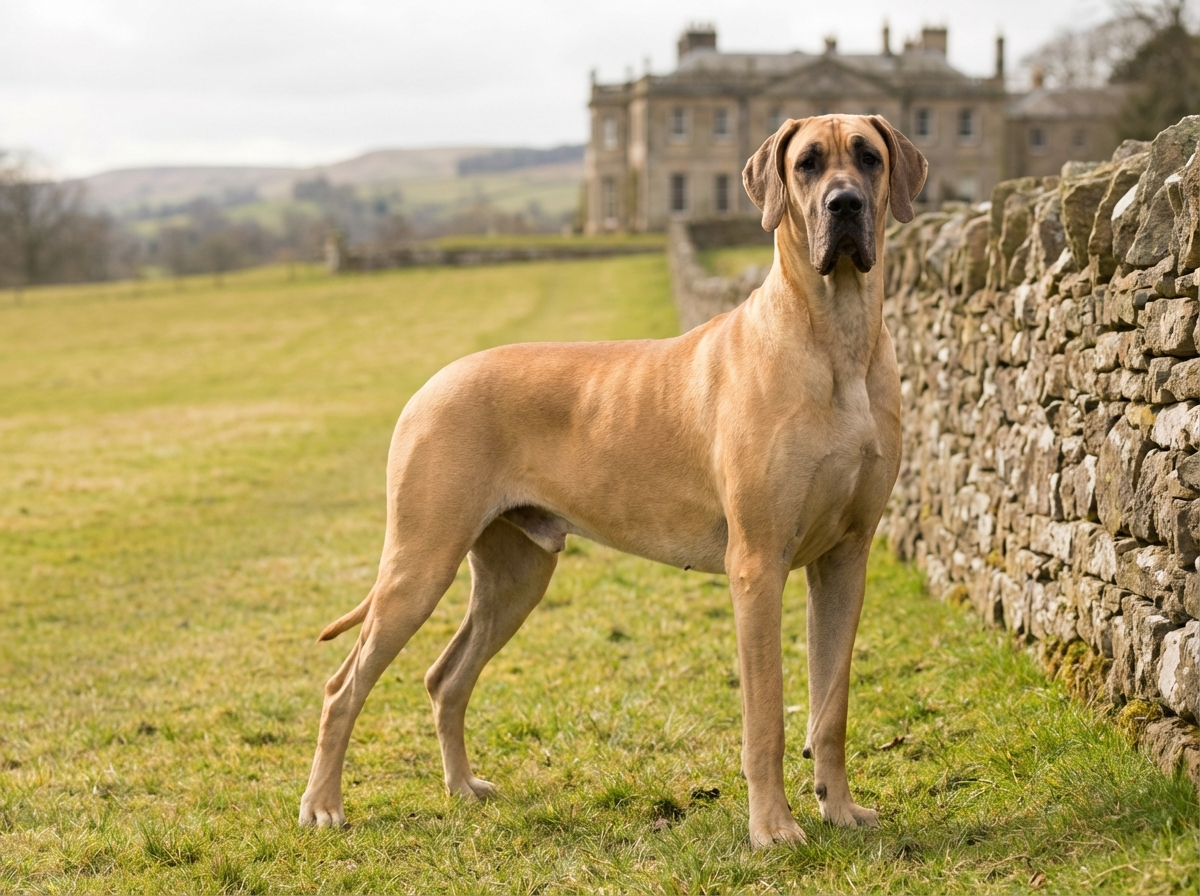
When Sarah adopted Bella, her Great Dane, she quickly noticed Bella was having trouble seeing in low light. After consulting with her vet, Sarah learned that Bella had progressive retinal atrophy (pra-rcd3). Determined to help Bella, Sarah adjusted their home by removing obstacles and using voice commands to guide her. They also enrolled in a positive reinforcement training class, which helped Bella feel more confident despite her vision loss. Over time, Sarah noticed Bella was able to navigate their home with ease, showcasing her adaptability and resilience.
Key takeaway: With patience and adjustments, Great Danes with progressive retinal atrophy (pra-rcd3) can lead fulfilling lives. Supportive training and a safe environment are essential.
Great Dane progressive retinal atrophy (pra-rcd3) is a genetic condition that leads to gradual vision loss. It affects the retina, causing it to deteriorate over time. This condition typically starts in young dogs and can lead to blindness.
This condition is often inherited, meaning it can be passed down from the parents. If your Great Dane has been diagnosed, it's likely due to a genetic predisposition. Regular veterinary check-ups can help monitor their vision and overall health.
While there is no cure for Great Dane progressive retinal atrophy (pra-rcd3), you can support your dog by creating a safe environment. Keep furniture in the same place to help them navigate and consider using sound cues for commands. Training can focus on non-visual cues to enhance their confidence.
Using verbal commands and tactile signals can be very effective for training dogs with vision loss. Positive reinforcement methods encourage desired behaviors, helping your Great Dane adapt. Consistency and patience are key in this process.
Yes, products like harnesses with reflective materials can help keep your Great Dane safe during walks. Additionally, consider using bells or noise-making collars to help guide them. Consult your vet for tailored recommendations.
While vision loss can be challenging, many dogs adapt well with the right support. Maintaining a stable routine and creating a safe space can help your Great Dane lead a happy, fulfilling life. Monitor their comfort and emotional well-being closely.
Early signs of Great Dane progressive retinal atrophy (pra-rcd3) may include difficulty seeing in low light, reluctance to go outside at night, or bumping into objects. As the condition progresses, you might notice your Great Dane becoming more hesitant or anxious in unfamiliar environments.
Yes, many Great Danes with progressive retinal atrophy (pra-rcd3) can still enjoy a fulfilling life. With proper training, environmental adjustments, and lots of love, they can adapt well to their vision loss and remain active and engaged.
For older Great Danes, creating a stable and familiar environment is crucial. Use consistent furniture placements and provide tactile cues to help them navigate. Regular vet check-ups will also ensure their overall health is monitored.
Yes, there are genetic tests available that can identify carriers of the gene causing progressive retinal atrophy (pra-rcd3). If you're considering breeding, testing can help prevent passing this condition to future litters.
If you notice any sudden changes in your Great Dane's vision or behavior, it’s important to consult a vet promptly. Early diagnosis and intervention can help manage progressive retinal atrophy (pra-rcd3) and improve their quality of life.
Schedule a vet appointment for an eye exam to assess the situation and discuss options.
Currently, there is no cure for progressive retinal atrophy (pra-rcd3), but supportive care can help.
Focus on verbal commands and tactile signals to help guide your Great Dane effectively.
Symptoms include difficulty seeing in low light, bumping into objects, or reluctance to go outside.
While there's no specific diet for this condition, maintaining a balanced diet supports overall health.