Behavior
What are quick tips for Great Dane patellar luxation?
Monitor your dog's weight and keep them active with low-impact exercises. Regular vet check-ups can help manage their health effectively.
Great Dane patellar luxation is a condition where the kneecap slips out of place. This can lead to pain and mobility issues.
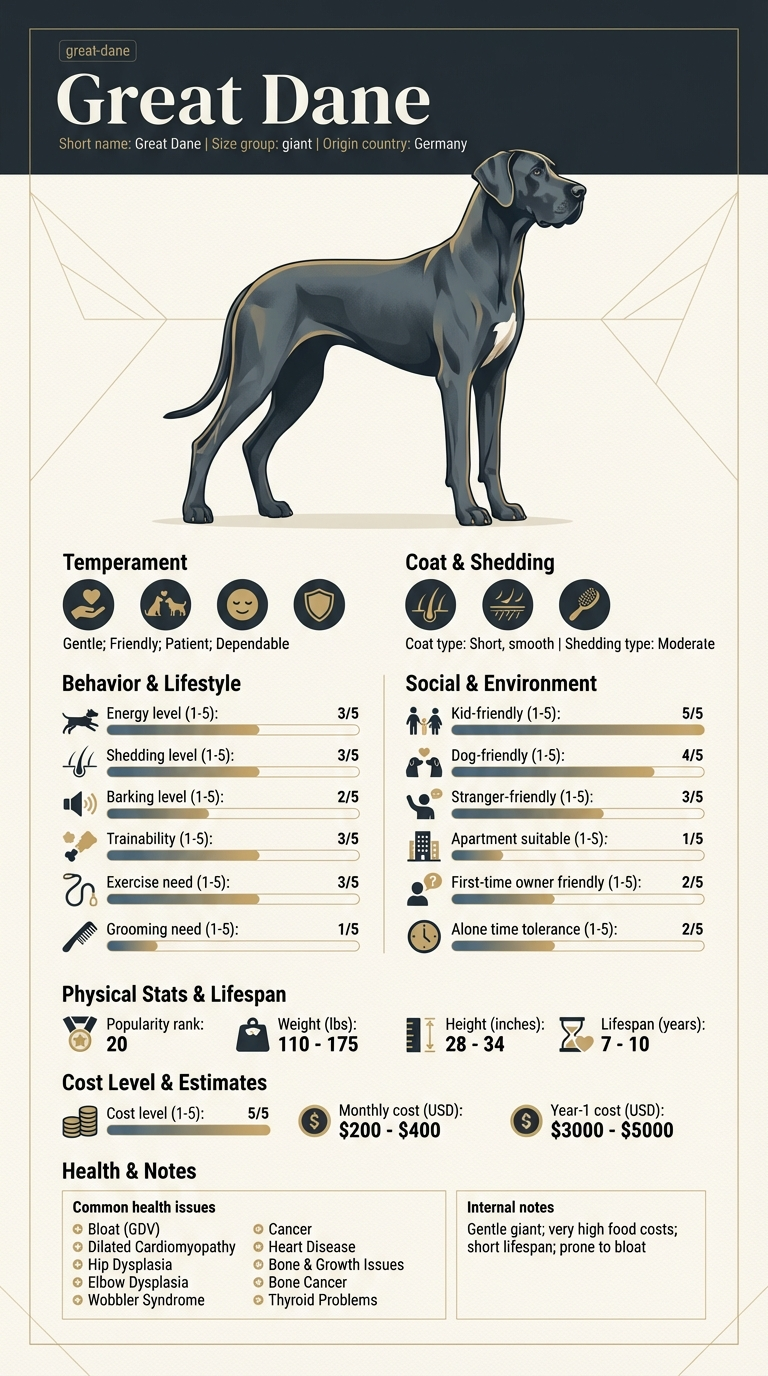
Typically, first-time Great Dane owners or those unfamiliar with giant breeds may struggle with this issue. Understanding the signs and seeking appropriate training or medical advice is crucial.
This guide is not medical advice. If your dog shows pain, sudden behavior change, or worsening symptoms, consult a licensed veterinarian.
Some links may be affiliate links. We may earn a commission at no extra cost to you. We only suggest products we believe are helpful for dog owners.
Great Dane patellar luxation occurs when the kneecap dislocates or moves from its normal position. This can cause limping, pain, and reluctance to exercise. Owners may notice their Great Dane favoring one leg or experiencing difficulty when standing up after resting.
Patellar luxation is relatively common in Great Danes, especially among those with a family history of the issue. While it can affect dogs of any age, younger dogs are often more susceptible due to their developing joints.
Great Danes are large, heavy dogs, which puts extra stress on their joints. Their size can lead to structural weaknesses in the knee area, making them more prone to conditions like patellar luxation. Additionally, genetic factors can influence their joint stability, increasing the risk of dislocation.
A dog's environment can also contribute to patellar luxation. Excessive jumping or rough play on hard surfaces can strain their knees. Furthermore, being overweight can exacerbate joint issues, making it crucial to maintain a healthy weight for your Great Dane.
If your Great Dane shows signs of persistent limping or difficulty with mobility, consider consulting a professional trainer. They can guide you on safe physical activities and exercises to strengthen the muscles around the knee, which may help manage symptoms.
If you notice your Great Dane frequently dislocating their kneecap or showing signs of pain, it's essential to talk to a vet. They can assess the severity of the condition and recommend treatment options such as braces, medications, or surgery if necessary.
With consistent training and care, you can see improvements in your Great Dane's patellar luxation within 3 to 6 months. However, full recovery might take longer, especially if surgery is needed.
Success means your Great Dane can walk and play comfortably without pain. You should notice a reduction in limping and an increase in their activity level.
Avoiding common mistakes can help manage Great Dane patellar luxation effectively. Here are some behaviors to steer clear of.
Recognizing when your Great Dane's patellar luxation becomes an emergency is crucial for their well-being. If your dog shows severe signs like inability to walk, extreme pain, or a visible deformity in the leg, you should call your vet immediately. These red flags indicate that your Great Dane may need urgent medical attention to prevent further injury or complications.
On the other hand, if your dog occasionally limps or seems to favor one leg but can still walk and play, you might be able to monitor the situation for a while. In these mild cases, keep a close eye on their behavior and consider implementing a plan to manage their discomfort. Regular vet check-ups can also help assess the severity of their condition.
Here’s a quick breakdown:
**Emergency Signs:** - Inability to bear weight on the leg - Severe pain or distress when the leg is touched - Visible deformity or swelling in the knee area
**Monitor and Wait:** - Occasional limping or favoring a leg - Mild discomfort that doesn’t worsen over time - Normal activity levels despite the issue
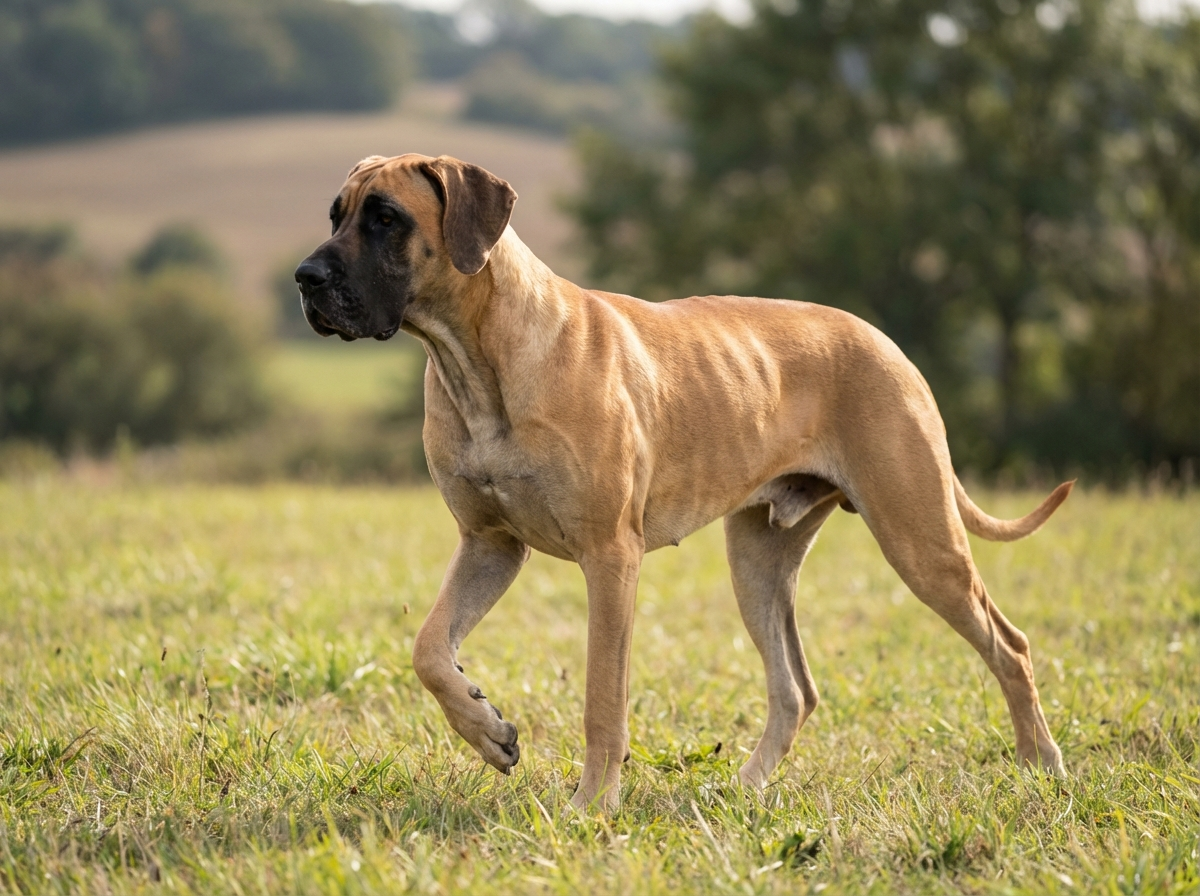
Emily, a first-time dog owner, adopted Max, a Great Dane, and soon noticed he was limping after walks. After a vet visit, she learned that Max had patellar luxation. Unsure of what to do, Emily researched and started a training routine focused on strengthening Max's legs. She also adjusted his diet to maintain a healthy weight, which helped ease the strain on his joints. After several months of dedication, Max was moving better and even joined Emily in a local dog park for playtime. Though he still had occasional limps, he was much more active and happier.
Key takeaway: With the right training and care, you can help manage your Great Dane's patellar luxation and improve their quality of life.
Great Danes can develop patellar luxation due to genetic factors, improper bone structure, or injury. This condition, where the kneecap dislocates, is more common in larger breeds. Regular vet check-ups can help catch these issues early.
To manage Great Dane patellar luxation, focus on maintaining a healthy weight and providing low-impact exercise. Consult your vet for a tailored exercise plan and consider physical therapy to strengthen the leg muscles.
Treatment options for Great Dane patellar luxation vary from rest and weight management to surgical interventions. Your vet may recommend surgery if the luxation is severe or recurrent, allowing the kneecap to stay in place effectively.
Signs of patellar luxation in Great Danes include limping, skipping on the affected leg, and reluctance to exercise. If you notice these symptoms, consult your vet to discuss potential treatments.
Yes, training can help your Great Dane manage patellar luxation. Focus on positive reinforcement and gentle movements that do not strain the knees, and work closely with a trainer who understands your dog's specific needs.
Patellar luxation is relatively common in large breeds like Great Danes. Awareness of this condition can help you take preventive measures and act quickly if symptoms arise.
Great Dane patellar luxation is often caused by genetic factors, which means it can be hereditary. Additionally, it can result from conditions like hip dysplasia or other structural issues in the knee, which are common in large breeds.
Signs of patellar luxation include limping, difficulty standing or jumping, and a noticeable shift in their gait. If you notice your Great Dane is favoring one leg or seems in pain when walking, it may be time to consult your vet.
Treatment for Great Dane patellar luxation varies based on the severity of the condition. Mild cases may be managed with physical therapy and weight management, while more severe cases may require surgical intervention to correct the dislocation.
Yes, older Great Danes can develop patellar luxation, especially if they have underlying joint issues. Regular vet check-ups are essential to monitor their joint health as they age and to detect any emerging problems early.
If your Great Dane shows signs of pain, limping, or reluctance to exercise, it's important to see your vet. Early intervention can prevent further complications and improve your dog's quality of life.
Monitor your dog's weight and keep them active with low-impact exercises. Regular vet check-ups can help manage their health effectively.
Consider physical therapy and consult your vet for tailored exercise plans. Keeping your dog at a healthy weight is crucial.
If your Great Dane shows signs of pain or limping, schedule a vet visit immediately. Early intervention can prevent further issues.
Yes, a balanced diet can help maintain a healthy weight, which is vital for dogs with patellar luxation. Consult your vet for dietary recommendations.