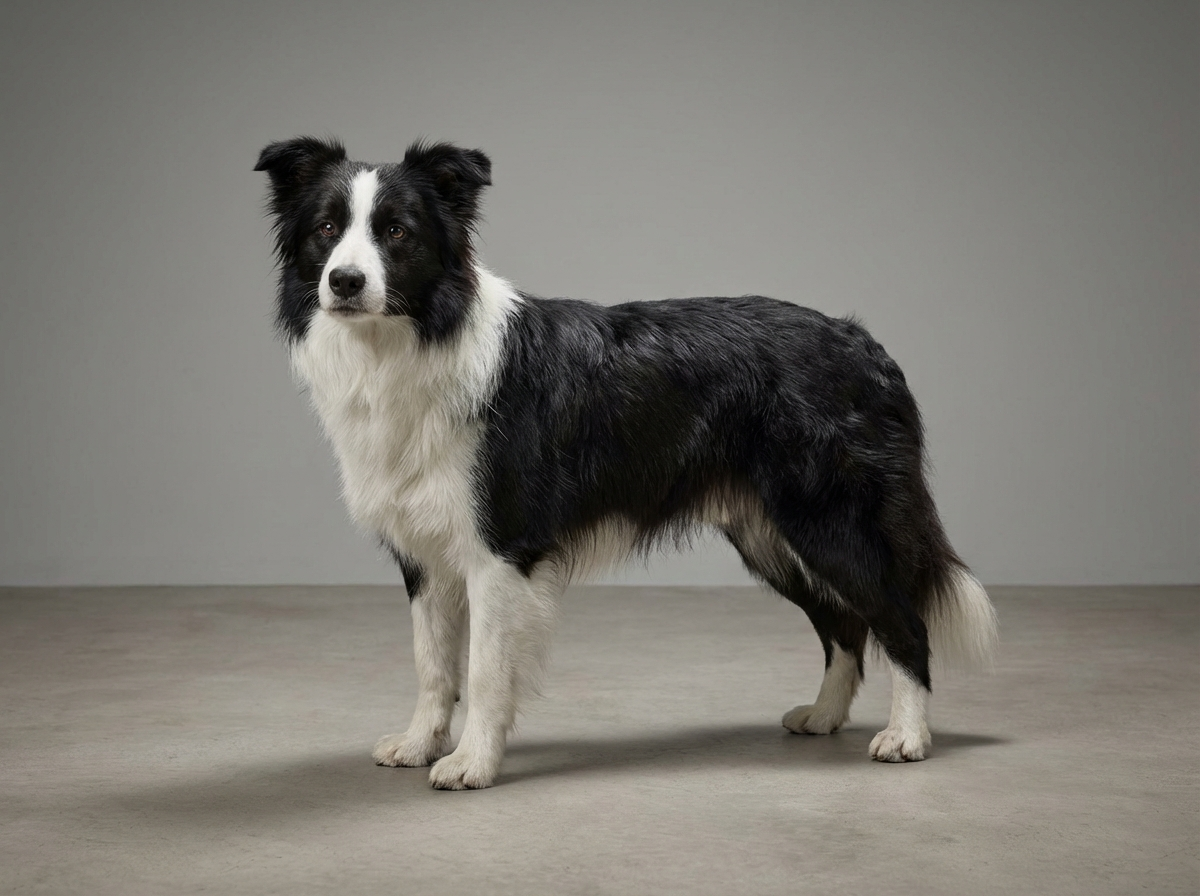
What are quick tips for managing Great Dane cardiomyopathy?
Regular vet check-ups, a heart-healthy diet, and controlled exercise are key to managing Great Dane cardiomyopathy. Always watch for symptoms and maintain open communication with your vet.
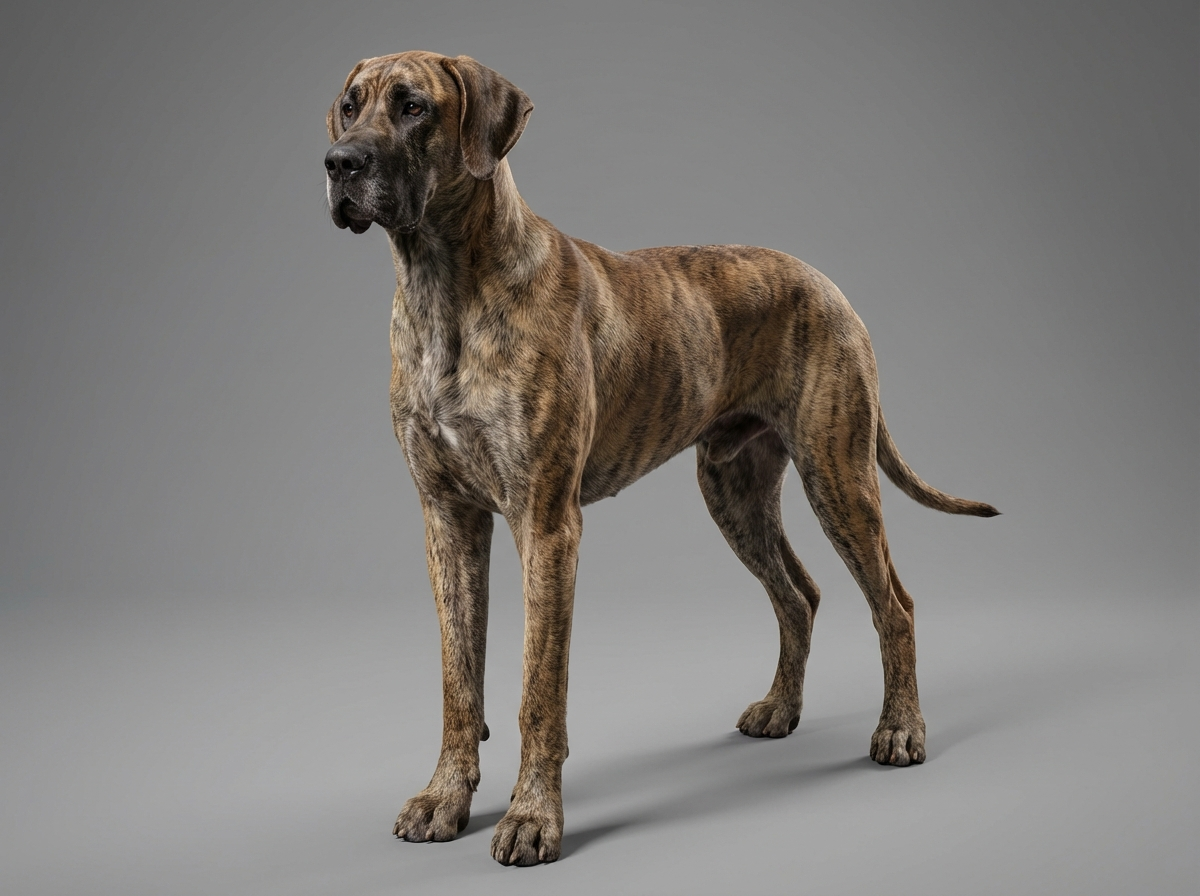
Great Dane cardiomyopathy is a serious heart condition that affects these gentle giants. It can lead to severe health issues if not addressed early.

Typically, first-time Great Dane owners or those unfamiliar with the breed's health concerns may struggle with recognizing cardiomyopathy. Busy pet parents might overlook early signs, leading to a more severe situation. It's essential to stay informed and proactive about your dog's health.
This guide is not medical advice. If your dog shows pain, sudden behavior change, or worsening symptoms, consult a licensed veterinarian.
Some links may be affiliate links. We may earn a commission at no extra cost to you. We only suggest products we believe are helpful for dog owners.
Great Dane cardiomyopathy is a serious heart condition that can significantly impact your dog's health. It often appears as lethargy, coughing, or difficulty breathing. Owners may notice their Great Dane struggling with exercise or showing signs of fatigue, which can be alarming.
This condition is relatively common in Great Danes, particularly as they age. Studies suggest that up to 30% of this breed may experience some form of cardiomyopathy during their lifetime.
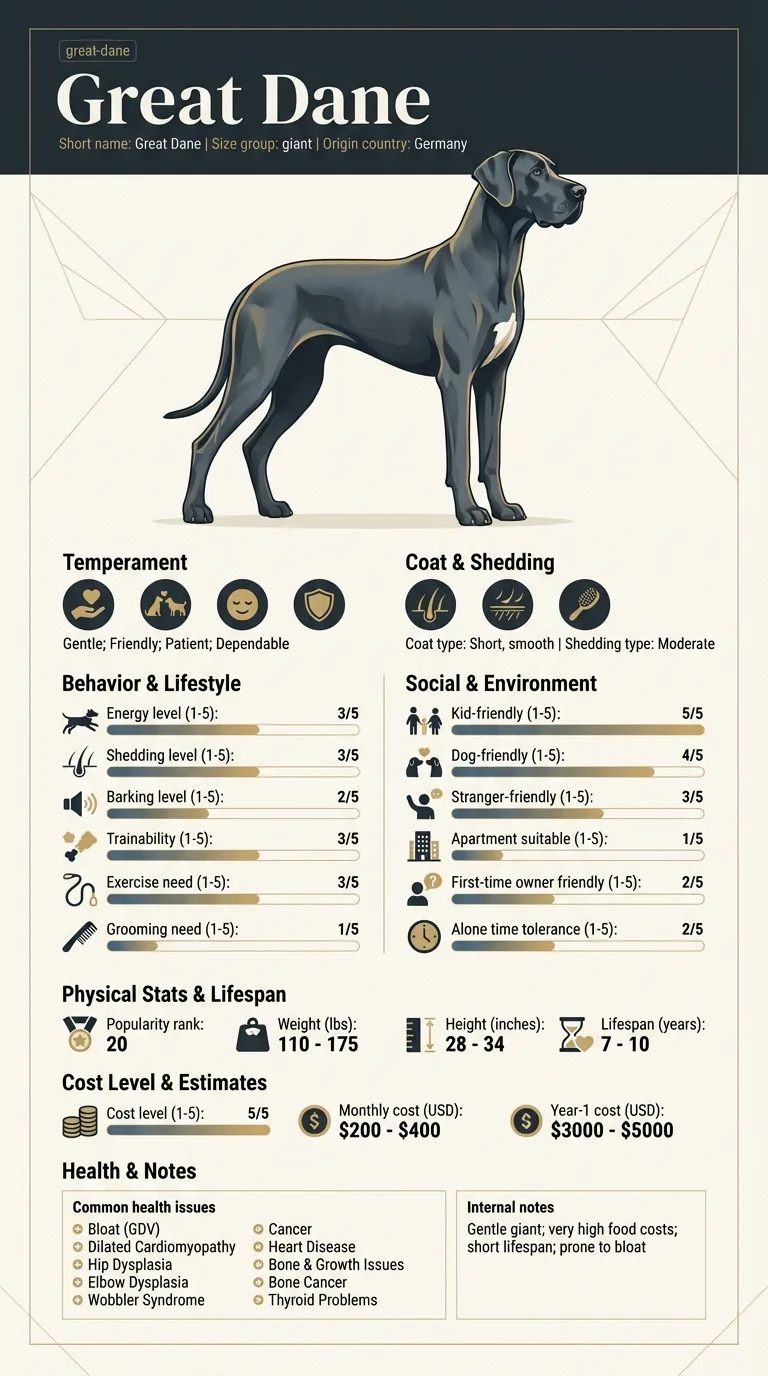
Great Danes are predisposed to cardiomyopathy due to their large size and specific genetic factors. This breed can experience heart muscle diseases more frequently than others, affecting their overall health. Additionally, their rapid growth and weight can put extra strain on their hearts.
Environmental factors can also contribute to cardiomyopathy in Great Danes. Poor diet, lack of exercise, and obesity can exacerbate heart issues. Stressful living conditions or exposure to toxins may further impact their heart health.
If your Great Dane exhibits anxiety-related behaviors or struggles with training, consider hiring a professional trainer. They can help with behavioral strategies to reduce stress and improve your dog's overall well-being.
It's important to consult a vet if you notice symptoms like coughing, lethargy, or difficulty breathing. Early intervention can significantly improve your dog's condition and quality of life.
Managing Great Dane cardiomyopathy typically takes several months of consistent care, including vet visits, medication, and lifestyle adjustments.
Success means stabilizing your dog's heart condition, improving their energy levels, and maintaining a good quality of life.
Avoid these common mistakes that can worsen your Great Dane's cardiomyopathy.
Recognizing when Great Dane cardiomyopathy becomes an emergency is crucial. If your dog shows signs of severe weakness, difficulty breathing, or fainting, you must contact your vet immediately. These symptoms can indicate a serious progression of the disease requiring urgent medical attention.
Other red flags include a sudden increase in coughing, lethargy, or swelling in the abdomen. These signs could mean your dog's heart is struggling to pump blood effectively. Don't delay; call your vet if you notice these symptoms.
On the other hand, if your Great Dane is experiencing mild symptoms like slight coughing or occasional lethargy, you can monitor the situation closely. Keep track of any changes in behavior or energy levels. Regular vet check-ups are essential to manage the condition effectively and adjust treatment plans as needed.

When Sarah adopted Charlie, her Great Dane, she was excited about the gentle giant. However, after a few months, Charlie showed signs of lethargy and occasional coughing. A visit to the vet confirmed the diagnosis of cardiomyopathy. Determined to help him, Sarah followed a strict medication schedule and adjusted his diet to include heart-healthy foods. She also incorporated gentle exercise into their routine, which helped Charlie regain some of his energy. Over time, he became more active and happier, showing that with the right care, life can continue to be joyful.
Key takeaway: With dedication and the right support, managing Great Dane cardiomyopathy can lead to a better quality of life for your furry friend.

Great Dane cardiomyopathy is a serious heart muscle disease that affects this breed. It can lead to heart failure and is often hereditary, meaning it can run in families. Regular check-ups with a vet are crucial for early detection.
Great Danes are genetically predisposed to cardiomyopathy due to their size and breed traits. Factors such as diet, exercise, and overall health can also contribute to the disease. If your dog shows symptoms, consult a veterinarian.
To manage Great Dane cardiomyopathy, regular veterinary check-ups are essential. A heart-healthy diet, controlled exercise, and medication prescribed by a vet can help slow disease progression. Always follow your vet’s recommendations closely.
Common symptoms include lethargy, coughing, difficulty breathing, and fainting. If you notice these signs, it’s crucial to see a vet immediately for diagnosis and treatment options. Early intervention can improve quality of life.
While training won't cure cardiomyopathy, it can help manage your dog's overall behavior and stress levels. Focus on gentle exercises that promote heart health and avoid overexertion. Consult a vet for a tailored training plan.
Yes, Great Dane cardiomyopathy can be hereditary. It's important to research a dog's lineage before purchasing to understand potential health risks. Regular health screenings for both parents can help reduce the risk of passing on the condition.
If your Great Dane is diagnosed with cardiomyopathy, work closely with your vet to create a management plan. This may include medication, dietary changes, and regular monitoring. Supportive care is essential to enhance your dog's quality of life.
Early signs can include lethargy, coughing, or difficulty breathing. If you notice these symptoms, it’s important to consult your vet as soon as possible to discuss potential tests or treatments.
Yes, diet can play a crucial role in managing heart issues. Feeding a balanced diet with the right nutrients can support heart health, but always check with your vet for specific dietary recommendations tailored to your dog's needs.
Dilated cardiomyopathy is known to have a genetic component in Great Danes. If you have concerns about your dog's lineage, speaking to a breeder or a vet can provide more clarity on the risks.
Older Great Danes may experience more severe symptoms due to the progression of the disease. Regular vet check-ups are important for older dogs to catch any changes in their heart health early.
Treatment options can vary, including medications to help manage symptoms and improve heart function. A vet can guide you through the best treatment plan based on your dog's specific condition and health status.
Regular vet check-ups, a heart-healthy diet, and controlled exercise are key to managing Great Dane cardiomyopathy. Always watch for symptoms and maintain open communication with your vet.
Your Great Dane should have veterinary check-ups every 6 to 12 months if diagnosed with cardiomyopathy. This allows for monitoring of their heart health and timely adjustments to their care plan.
Yes, a balanced, heart-healthy diet can significantly impact your Great Dane's condition. Consult your vet for specific dietary recommendations tailored to your dog's needs.
Currently, there is no cure for Great Dane cardiomyopathy, but management strategies can improve quality of life. Medications and lifestyle adjustments are crucial in managing the disease.
Support your Great Dane's heart health by ensuring they get regular, moderate exercise, a healthy diet, and routine vet visits. Reducing stress and providing a calm environment can also help.