Behavior
What are quick tips for Great Dane back/spine issues?
Keep your Great Dane at a healthy weight, provide low-impact exercise, and avoid jumping or rough play. Regular vet check-ups can help detect issues early.

Quick answer
What are quick tips for Great Dane back/spine issues?
Keep your Great Dane at a healthy weight, provide low-impact exercise, and avoid jumping or rough play. Regular vet check-ups can help detect issues early.
Great Dane back/spine issues can lead to serious health problems and affect your dog's quality of life.
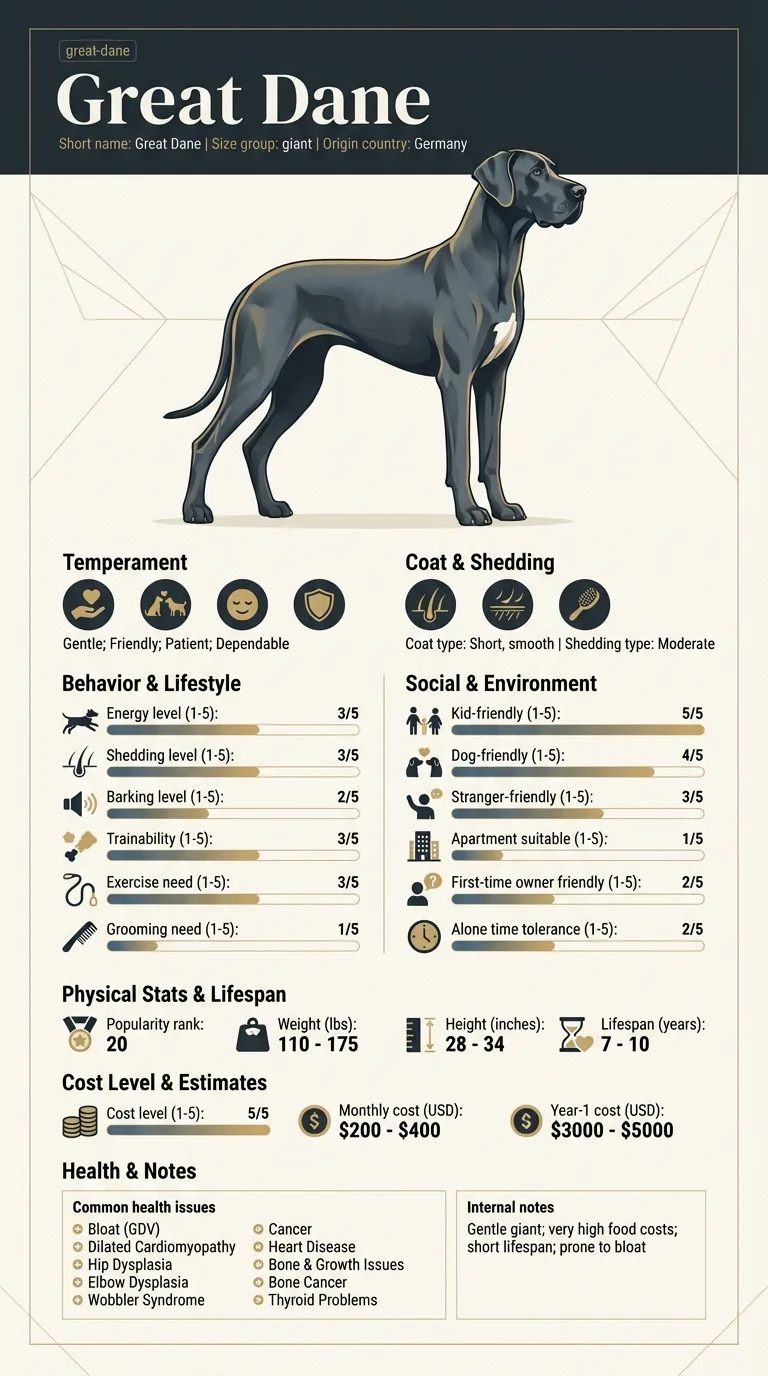
Owners of Great Danes, especially first-time owners, often struggle with recognizing and managing these back/spine issues. Many feel overwhelmed by the breed's unique needs and the potential for costly veterinary care.
This guide is not medical advice. If your dog shows pain, sudden behavior change, or worsening symptoms, consult a licensed veterinarian.
Some links may be affiliate links. We may earn a commission at no extra cost to you. We only suggest products we believe are helpful for dog owners.
We research and check what we publish, but we do not warrant that any figure, date, price, or statement is accurate, complete, or current, and we accept no liability for any loss, cost, injury, or other harm arising from the use of this site. Use it as one reference among several. You remain responsible for your own decisions and for your dog's care - confirm anything that matters with a licensed veterinarian or another qualified professional before you act on it. Full disclaimer.
Check this first
Emergency signs include sudden inability to walk or stand, severe pain when touched, and loss of bladder or bowel control. If your Great Dane is showing these symptoms, call your vet immediately. These could indicate serious conditions like intervertebral disc disease or spinal injuries that need quick intervention.
On the other hand, if your dog experiences mild discomfort, such as occasional limping or a slight reluctance to jump, you may choose to monitor the situation. In such cases, a home care plan can help. Observe your dog’s behavior, limit strenuous activities, and keep a journal of any changes you notice.
If the mild symptoms persist for more than a few days or worsen, it's time to consult your vet. Keeping a close eye on your Great Dane’s condition can help you catch any potential issues before they escalate into emergencies.
If any of these apply, call your vet or an emergency clinic now. The rest of this page is for the cases that are not an emergency.
Great Dane back/spine issues often manifest as difficulty moving, reluctance to jump, or signs of pain when touched. These gentle giants can experience severe discomfort due to their size and weight, leading to conditions like intervertebral disc disease. Owners may notice their Great Dane hesitating to engage in play or showing signs of stiffness after resting.
Back and spine issues are fairly common in Great Danes due to their large size and predisposition to specific health problems. Many owners report encountering these issues, especially as their dogs age, making awareness and preventive care essential.
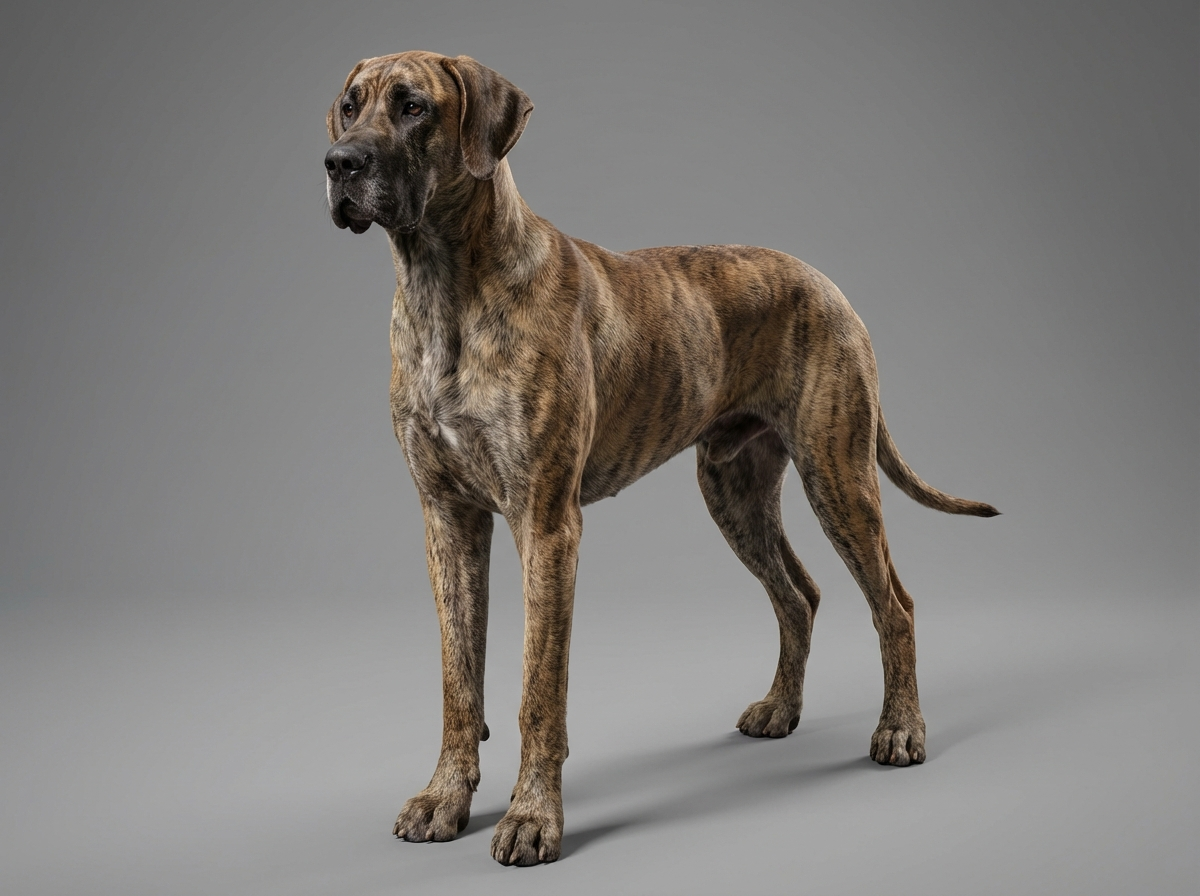
Great Danes are large and heavy dogs, which puts extra strain on their backs and spines. Their size can make them prone to conditions like intervertebral disc disease. Additionally, their rapid growth during puppyhood can lead to bone and growth issues that affect their spine.
Inadequate exercise or improper lifting techniques can exacerbate back/spine issues. A lack of supportive bedding can also lead to discomfort and worsen existing problems. Moreover, slippery floors in your home can increase the risk of injury to their back.
If your Great Dane experiences persistent pain, weakness in the hind legs, or any changes in their mobility, consult your veterinarian. They can assess the situation and recommend treatments such as physical therapy or pain management options. Early intervention can prevent more serious issues down the line.
Certain behaviors can make Great Dane back/spine issues even more challenging. Here are common mistakes to avoid, along with better alternatives.
Start here: Great Dane Most Common Genetic Disorders: What to Screen For
See all Great Dane health problems, which breeds are prone to backspine issues, or the full Great Dane breed guide for temperament, exercise needs and ownership costs.
You can expect to see improvements in your Great Dane's back or spine issues within 4 to 8 weeks of consistent care and follow-up with your vet.
Success means your Great Dane will show reduced discomfort, increased mobility, and improved overall behavior, allowing for a happier and more active life.
When Sarah adopted Max, a 2-year-old Great Dane, she quickly noticed he struggled to jump on the couch and seemed stiff after long walks. Concerned, she took him to the vet, who diagnosed him with mild intervertebral disc disease. With a combination of prescribed medication, gentle physical therapy, and a tailored exercise routine, Sarah committed to helping Max improve. After two months of consistent care, Max was not only jumping on the couch but also enjoying long walks without hesitation.
Key takeaway: With the right care and training, many Great Danes can manage back issues effectively, leading to a better quality of life.
Great Danes are prone to back and spine issues mainly due to their large size and rapid growth. Intervertebral disc disease can occur as a result of genetics, obesity, or improper exercise. Regular vet check-ups and weight management are key to preventing these issues.
To help prevent back and spine issues, ensure your Great Dane maintains a healthy weight and receives appropriate exercise. Avoid high-impact activities, especially during their growth phase. Consult your vet for tailored exercise plans and consider physical therapy if issues arise.
Signs of back or spine issues in Great Danes include difficulty standing, reluctance to jump or climb stairs, and noticeable pain when touched along the spine. If you notice any of these symptoms, consult your veterinarian immediately for an evaluation.
Yes, training techniques for Great Danes with back or spine issues should focus on low-impact exercises and gentle commands. Avoid aggressive training methods, and use positive reinforcement to encourage slow movements and proper posture.
Common treatments for back and spine issues in Great Danes include medication for pain relief, physical therapy, and in severe cases, surgery. Always consult your veterinarian to determine the best treatment plan based on your dog's specific needs.
Managing pain in Great Danes with back or spine issues often involves a combination of medication, rest, and appropriate physical therapy. A vet may also recommend weight loss or dietary adjustments to alleviate stress on the spine.
If your Great Dane shows signs of severe pain, difficulty moving, or changes in behavior, it's important to consult your veterinarian immediately. Prompt attention can prevent further complications and provide a clearer treatment path.
Great Danes are prone to back/spine issues due to their size and weight. Genetic factors, rapid growth, and improper nutrition can contribute to problems like intervertebral disc disease. Regular vet check-ups are essential.
To help prevent back/spine issues in Great Danes, ensure they maintain a healthy weight and avoid excessive jumping or rough play. Regular exercise and appropriate training can strengthen their muscles and support their spine.
If your Great Dane shows signs of pain, difficulty walking, or reluctance to move, it’s time to see a vet. Early intervention can help manage any back/spine issues effectively and may prevent further complications.
Yes, back/spine issues can become more common as Great Danes age. Older dogs may experience degeneration of the spine, making regular vet visits crucial to monitor their health and address any emerging problems.
Training can play a role in managing back/spine issues in Great Danes. Engaging in low-impact activities and avoiding intense exercises can help strengthen their muscles while protecting their spine. Always consult with a vet before starting any new training program.
Keep your Great Dane at a healthy weight, provide low-impact exercise, and avoid jumping or rough play. Regular vet check-ups can help detect issues early.
Ensure your Great Dane has a balanced diet and appropriate exercise routine. Avoid letting them overexert themselves and always consult a vet for exercise recommendations.
Treatment costs can vary widely, but expect to pay between $500 and $5,000 depending on the severity and treatment options. Regular vet visits can help manage costs long-term.
Yes, gentle training can help strengthen muscles and improve posture, which may alleviate some issues. Focus on positive reinforcement and low-impact commands.
Yes, Great Danes can face several health issues, including bloat, hip dysplasia, and heart disease. Regular veterinary care is crucial for early detection.
A one-page prep sheet for this condition: the signs, the questions to ask, what to get priced. Unlocks here.
You get: Vet visit prep sheet
No spam. One-click unsubscribe. See our privacy policy.
Preview page 1 before you decide.