Behavior
What are quick tips for managing Golden Retriever x-scid?
Keep your dog’s environment clean, avoid crowded places, and ensure regular vet visits to manage Golden Retriever x-scid effectively.

Quick answer
What are quick tips for managing Golden Retriever x-scid?
Keep your dog’s environment clean, avoid crowded places, and ensure regular vet visits to manage Golden Retriever x-scid effectively.
Golden Retriever x-scid is a severe immunodeficiency that can significantly impact your dog's health. Understanding this condition is crucial for any owner.
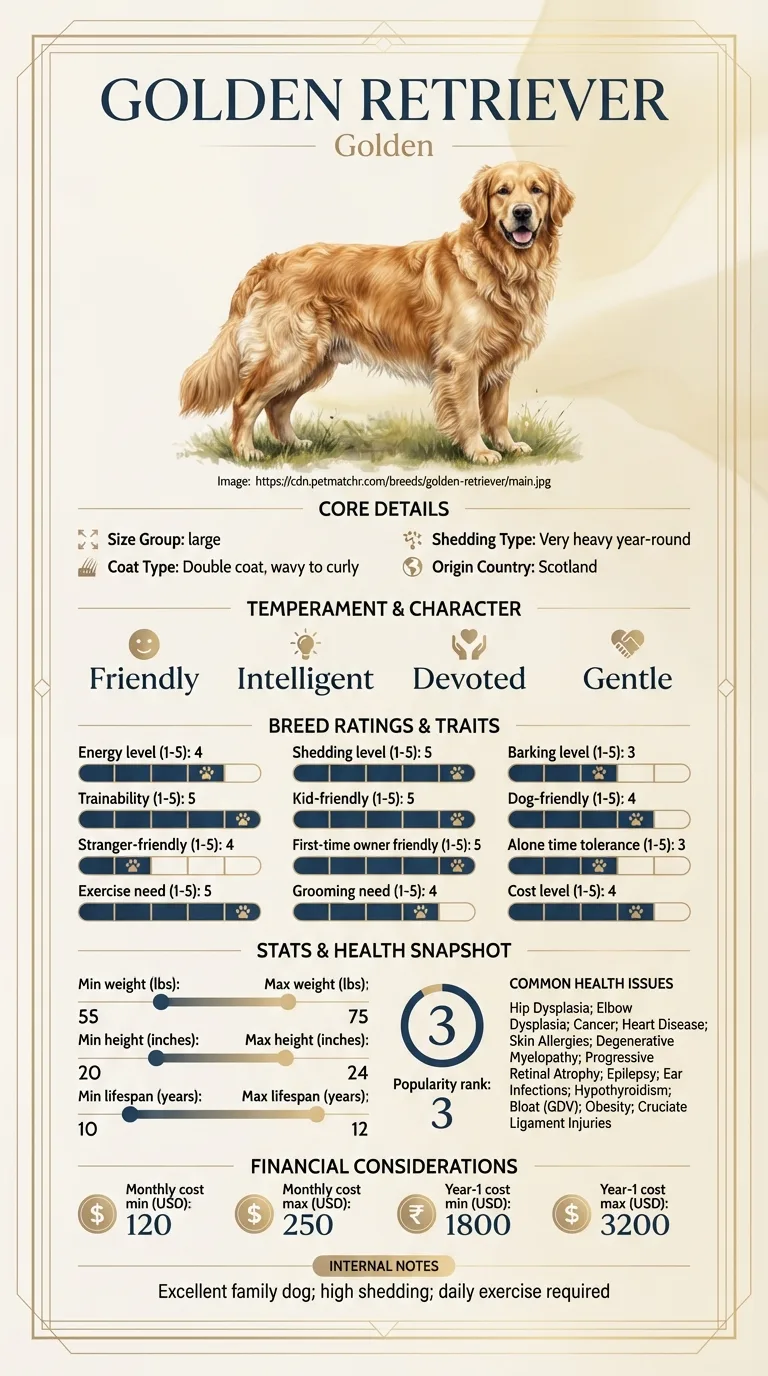
Typically, owners who have Golden Retrievers that are diagnosed with x-scid face unique challenges. These include managing frequent vet visits and understanding the implications of a compromised immune system.
This guide is not medical advice. If your dog shows pain, sudden behavior change, or worsening symptoms, consult a licensed veterinarian.
Some links may be affiliate links. We may earn a commission at no extra cost to you. We only suggest products we believe are helpful for dog owners.
We research and check what we publish, but we do not warrant that any figure, date, price, or statement is accurate, complete, or current, and we accept no liability for any loss, cost, injury, or other harm arising from the use of this site. Use it as one reference among several. You remain responsible for your own decisions and for your dog's care - confirm anything that matters with a licensed veterinarian or another qualified professional before you act on it. Full disclaimer.
Check this first
Understanding when Golden Retriever x-scid becomes an emergency is crucial for your dog's health. There are specific red flags that indicate you should seek immediate veterinary assistance. If your dog shows signs of severe lethargy, persistent vomiting, or difficulty breathing, these are serious symptoms that require urgent care.
Additionally, if your Golden Retriever experiences repeated infections or has a swollen abdomen, these could signal a life-threatening issue related to x-scid. Always err on the side of caution if your dog seems unusually unwell or fails to respond to treatment.
On the other hand, some signs can be monitored without immediate vet intervention. Mild symptoms like occasional sneezing, a slight cough, or minor digestive upset may not require urgent care. You can keep an eye on these symptoms and create a monitoring plan to track any changes.
However, if these mild symptoms persist or worsen, it’s best to consult your veterinarian to ensure your dog’s well-being.
If any of these apply, call your vet or an emergency clinic now. The rest of this page is for the cases that are not an emergency.
Golden Retrievers can sometimes face a serious health issue known as X-SCID, or Severe Combined Immunodeficiency. This condition leaves them vulnerable to infections and can significantly affect their quality of life. Owners may notice their dog frequently getting sick, having low energy, or showing signs of distress.
X-SCID is rare but can occur in Golden Retrievers, particularly those from specific breeding lines. While not every Golden will experience this issue, awareness and early detection are crucial for managing their health.
Golden Retrievers can be prone to genetic health issues like X-SCID, which is a rare but severe combined immunodeficiency. This means their immune system isn't functioning properly, making them more susceptible to infections.
Environmental factors can also contribute to stress and health problems in Golden Retrievers. Factors such as lack of socialization, insufficient exercise, and poor living conditions can exacerbate their health issues.
You should talk to your vet if your Golden Retriever exhibits signs of illness, such as fever, infections, or unusual behavior. Regular check-ups are vital, especially for breeds like Golden Retrievers that may have health concerns related to X-SCID.
Avoiding common pitfalls can help improve your Golden Retriever x-scid's condition. Here are some mistakes to steer clear of.
Start here: Golden Retriever Most Common Genetic Disorders: Screening
See all Golden Retriever health problems, which breeds are prone to x scid, or the full Golden Retriever breed guide for temperament, exercise needs and ownership costs.
With consistent care and support, you may start to see improvements in your Golden Retriever's x-scid behavior within 4 to 6 weeks. Ongoing adjustments may be needed for better results.
Success means your dog shows reduced symptoms of anxiety and improved adaptability to their environment. They should be able to engage positively with their surroundings and exhibit more confidence.
Emily, a busy nurse in Chicago, adopted Max, a Golden Retriever with x-scid. Initially, Max was anxious and fearful, making it difficult for Emily to bond with him. After consulting a trainer, Emily started a structured training program focused on building Max's confidence and social skills. She dedicated time each day to practice commands and expose him to different environments, slowly easing his anxiety. After several weeks, Max began to respond positively, playing with other dogs and enjoying outings to the park.
Key takeaway: Consistency and patience are key when working with a dog like Max. With the right training approach, even a dog with x-scid can thrive and build a loving connection with their owner.
X-SCID is a genetic disorder inherited from both parents. If you suspect your Golden has this condition, it’s essential to get a definitive diagnosis from your veterinarian to understand your options.
While x-scid cannot be cured, managing your dog's health is crucial. Regular vet check-ups, vaccinations, and a controlled environment can help minimize health risks.
Training can be beneficial for Golden Retrievers with x-scid, focusing on gentle, low-stress activities. Positive reinforcement can help build their confidence and social skills.
Yes, with proper care and management, a Golden Retriever with x-scid can have a fulfilling life. It’s important to provide a safe environment and regular veterinary care.
A balanced diet rich in nutrients is essential for Golden Retrievers with x-scid. Consult your vet for specific dietary recommendations to support their immune system.
Common signs of X-SCID in Golden Retrievers include recurrent infections, poor growth, and unusual lethargy. If your dog seems to be getting sick more often than normal, it's important to consult your vet.
X-SCID is a genetic condition that typically presents in puppies, so older Golden Retrievers are unlikely to develop it later in life. However, any sudden changes in health should always be discussed with your vet.
For Golden Retrievers with X-SCID, a clean environment, regular vet visits, and a special diet may help manage their health. Focus on minimizing exposure to infections and providing a stress-free home.
Currently, there is no cure for X-SCID, but management strategies can help improve your dog's quality of life. Working closely with your veterinarian is crucial for developing a care plan that suits your dog's needs.
Keep your dog’s environment clean, avoid crowded places, and ensure regular vet visits to manage Golden Retriever x-scid effectively.
Regular vet check-ups every 3 to 6 months are recommended for Golden Retrievers with x-scid to monitor their health status closely.
Yes, training is important. Focus on low-stress training techniques that reinforce positive behaviors in a gentle manner.
Minimize exposure to other dogs and stressful situations, and provide a calm home environment to help manage Golden Retriever x-scid.
Adoption is possible, but be prepared for the extra care and attention they will need due to their condition. It’s essential to work closely with your vet.
A one-page prep sheet for this condition: the signs, the questions to ask, what to get priced. Unlocks here.
You get: Vet visit prep sheet
No spam. One-click unsubscribe. See our privacy policy.
Preview page 1 before you decide.