Behavior
What are quick tips for Golden Retriever respiratory disease?
Keep your dog at a healthy weight and consult your vet for regular check-ups. Avoid exposing them to smoke and allergens to help improve their breathing.

Quick answer
What are quick tips for Golden Retriever respiratory disease?
Keep your dog at a healthy weight and consult your vet for regular check-ups. Avoid exposing them to smoke and allergens to help improve their breathing.
Golden Retriever respiratory disease can be a serious concern for pet owners. It affects their breathing and overall health, making it vital to recognize early signs.
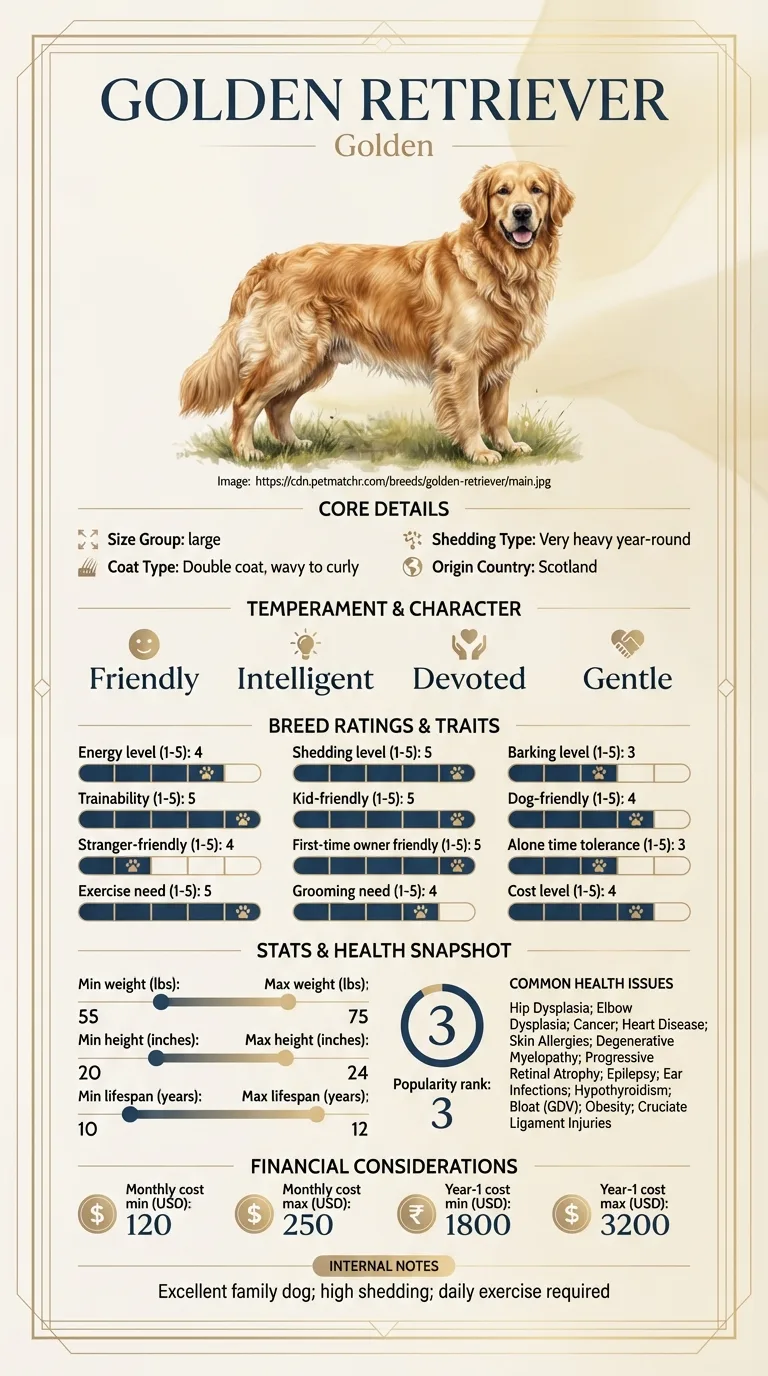
Owners of Golden Retrievers, especially those living in urban areas or those with high pollution levels, often struggle with respiratory disease. First-time dog owners may find it challenging to identify symptoms and manage their dog's health.
This guide is not medical advice. If your dog shows pain, sudden behavior change, or worsening symptoms, consult a licensed veterinarian.
Some links may be affiliate links. We may earn a commission at no extra cost to you. We only suggest products we believe are helpful for dog owners.
We research and check what we publish, but we do not warrant that any figure, date, price, or statement is accurate, complete, or current, and we accept no liability for any loss, cost, injury, or other harm arising from the use of this site. Use it as one reference among several. You remain responsible for your own decisions and for your dog's care - confirm anything that matters with a licensed veterinarian or another qualified professional before you act on it. Full disclaimer.
Check this first
It's crucial to recognize the signs of an emergency when dealing with Golden Retriever respiratory disease. Some symptoms indicate that you should call your vet immediately. These include difficulty breathing, persistent coughing, bluish gums or tongue, or extreme lethargy.
If your dog shows these signs, don’t wait—seek help right away.
Mild cases, however, can often be monitored at home. If your Golden is experiencing occasional coughing, mild wheezing, or slight nasal discharge, these may be manageable. Monitor their behavior closely and keep track of any changes.
To create a plan, ensure your dog is comfortable and limit their activity. Keeping them calm is essential. Consult your vet for advice on managing these symptoms and when to bring your dog in for an exam.
Regular check-ups can help catch any worsening conditions early.
If any of these apply, call your vet or an emergency clinic now. The rest of this page is for the cases that are not an emergency.
Golden Retriever respiratory disease can manifest through coughing, wheezing, or labored breathing. This condition often stems from genetic factors, obesity, or environmental triggers, making it a serious concern for this beloved breed. Owners may notice their Goldens struggling during exercise or showing signs of fatigue more quickly than usual.
Golden Retrievers are at a significantly increased risk for respiratory disease, with studies showing a 479% higher likelihood compared to non-brachycephalic breeds. This makes it essential for owners to monitor their dog's health closely and seek veterinary advice if symptoms arise.
Golden Retrievers are generally healthy, but certain genetic factors can increase their likelihood of respiratory issues. Their size and build can contribute to breathing problems, especially if they are overweight. Additionally, some Golden Retrievers may inherit conditions like allergies that affect their respiratory health.
Environmental factors also play a significant role. Exposure to pollutants, allergens, or smoke can aggravate respiratory conditions. Moreover, living in humid or very hot climates can make it harder for your Golden to breathe comfortably.
Consult your vet if your Golden exhibits persistent coughing, wheezing, or difficulty breathing. These could indicate a more serious respiratory condition that requires medical attention. Regular check-ups are also essential to monitor any potential health issues.
Avoiding these common mistakes can help improve your Golden Retriever's respiratory health.
Start here: Golden Retriever Most Common Genetic Disorders: Screening
See all Golden Retriever health problems, which breeds are prone to respiratory disease, or the full Golden Retriever breed guide for temperament, exercise needs and ownership costs.
Improvement in your Golden Retriever's respiratory health can take 1 to 3 months with consistent care and management.
Success means your dog can breathe easier, engage in more activities without tiring quickly, and show less discomfort during exercise.
When Sarah adopted Bella, her Golden Retriever, she noticed Bella struggled to catch her breath after short walks. Concerned, Sarah took Bella to the vet and learned that Golden Retrievers are prone to respiratory diseases. After following the vet's advice—implementing a weight management plan, adjusting exercise routines, and using a harness instead of a collar—Sarah saw Bella's breathing improve significantly. Now, Bella enjoys longer walks and plays with her kids without gasping for air.
Key takeaway: Regular vet check-ups and tailored exercise plans can greatly improve your Golden Retriever’s respiratory health.
Golden Retrievers can develop respiratory disease for several reasons, including genetic predisposition and environmental factors. Common issues include obesity, which can exacerbate breathing problems, and exposure to allergens or irritants. Regular vet check-ups are crucial for early detection and management.
To help manage Golden Retriever respiratory disease, maintain a healthy weight through diet and exercise. Regular vet visits can help monitor their condition and adjust treatments as needed. Additionally, keeping your home free from allergens can improve their breathing.
Signs may include coughing, wheezing, excessive panting, or difficulty breathing. You might also notice lethargy or a reduced interest in play. If you observe any of these symptoms, consult your vet promptly.
While training itself won't cure respiratory disease, it can help manage your dog's behavior. Teaching your Golden commands like 'settle' can encourage calmness during breathing difficulties. Focus on low-impact training activities to avoid overexertion.
Treatment options can vary based on the underlying cause. Your vet may recommend medications, lifestyle changes, or even surgery in severe cases. Always follow your vet's advice for the best outcomes.
Creating a comfortable environment is key. Ensure good ventilation, avoid smoke and strong scents, and keep your dog at a healthy weight. Regularly cleaning your home can also reduce allergens that may trigger respiratory issues.
A balanced diet that supports weight management is important for Golden Retrievers with respiratory issues. Discuss with your vet about high-quality dog foods that promote overall health and reduce obesity risk.
Yes, older Golden Retrievers are generally more susceptible to respiratory diseases due to age-related health decline. Regular vet check-ups can help catch any issues early.
Keep your dog in a calm environment, avoid exposure to smoke or allergens, and ensure they have regular, gentle exercise. Consult your vet for specific care instructions tailored to your dog's condition.
Some respiratory issues can be hereditary, especially in breeds like Golden Retrievers. It's crucial to choose a reputable breeder who tests for common health issues.
If you notice persistent coughing, difficulty breathing, or unusual fatigue, it's time to see the vet. Early intervention can prevent more serious issues from developing.
Keep your dog at a healthy weight and consult your vet for regular check-ups. Avoid exposing them to smoke and allergens to help improve their breathing.
Regularly clean your home, use air purifiers, and avoid smoking indoors. These steps can significantly reduce allergens that might aggravate respiratory issues.
Watch for coughing, wheezing, or rapid panting. If your Golden Retriever shows these signs, it's essential to seek veterinary help immediately.
Moderate exercise is beneficial, but avoid strenuous activities that could cause breathing difficulties. Consult with your vet to create a suitable exercise plan.
Stay calm and try to soothe your dog. If the coughing persists or worsens, seek veterinary assistance right away.
A one-page prep sheet for this condition: the signs, the questions to ask, what to get priced. Unlocks here.
You get: Vet visit prep sheet
No spam. One-click unsubscribe. See our privacy policy.
Preview page 1 before you decide.