Behavior
What are quick tips for managing Golden Retriever patellar luxation?
Ensure your Golden Retriever maintains a healthy weight, provide joint supplements, and engage in low-impact activities. Regular vet check-ups are essential.

Quick answer
What are quick tips for managing Golden Retriever patellar luxation?
Ensure your Golden Retriever maintains a healthy weight, provide joint supplements, and engage in low-impact activities. Regular vet check-ups are essential.
Golden Retriever patellar luxation is a painful condition where the knee cap dislocates. This problem can affect your dog's mobility and overall happiness.
Owners of Golden Retrievers, especially those who are first-time dog parents, often find themselves concerned about patellar luxation. This condition can be particularly frustrating for families with active dogs that require regular exercise.
This guide is not medical advice. If your dog shows pain, sudden behavior change, or worsening symptoms, consult a licensed veterinarian.
Some links may be affiliate links. We may earn a commission at no extra cost to you. We only suggest products we believe are helpful for dog owners.
We research and check what we publish, but we do not warrant that any figure, date, price, or statement is accurate, complete, or current, and we accept no liability for any loss, cost, injury, or other harm arising from the use of this site. Use it as one reference among several. You remain responsible for your own decisions and for your dog's care - confirm anything that matters with a licensed veterinarian or another qualified professional before you act on it. Full disclaimer.
Check this first
Understanding when Golden Retriever patellar luxation becomes an emergency can save your dog from severe pain or complications. If your Golden shows any of the following red-flag signs, it's crucial to contact your vet immediately. These signs indicate that your dog is in distress and may require urgent care.
If any of these apply, call your vet or an emergency clinic now. The rest of this page is for the cases that are not an emergency.
Golden Retriever patellar luxation is a common issue where the kneecap dislocates, causing pain and difficulty in walking. This condition can lead to limping, reluctance to exercise, and even joint problems if not addressed. Daily activities may be affected, making it hard for your Golden to join in family fun or walks.
This problem occurs frequently in Golden Retrievers, with estimates suggesting that around 15-20% may experience some form of patellar luxation during their lives. It's especially prevalent in younger dogs but can affect adults too.
Golden Retrievers are prone to patellar luxation due to their genetic predisposition. Their structure and weight can put extra stress on the knee, making dislocation more likely. Larger breeds like Golden Retrievers often face joint issues as they age, increasing the risk.
Environmental factors also play a role. Excessive jumping or rough play can lead to knee injuries. Lack of exercise can weaken the muscles that support the knee, making luxation more likely.
If your dog shows persistent limping, difficulty walking, or signs of pain, contact your vet. They can assess the severity of the luxation and recommend treatment options, which may include surgery in severe cases.
Avoiding certain behaviors can help in managing Golden Retriever patellar luxation. Here are common mistakes that can worsen the issue, along with safer alternatives.
Start here: Golden Retriever Most Common Genetic Disorders: Screening
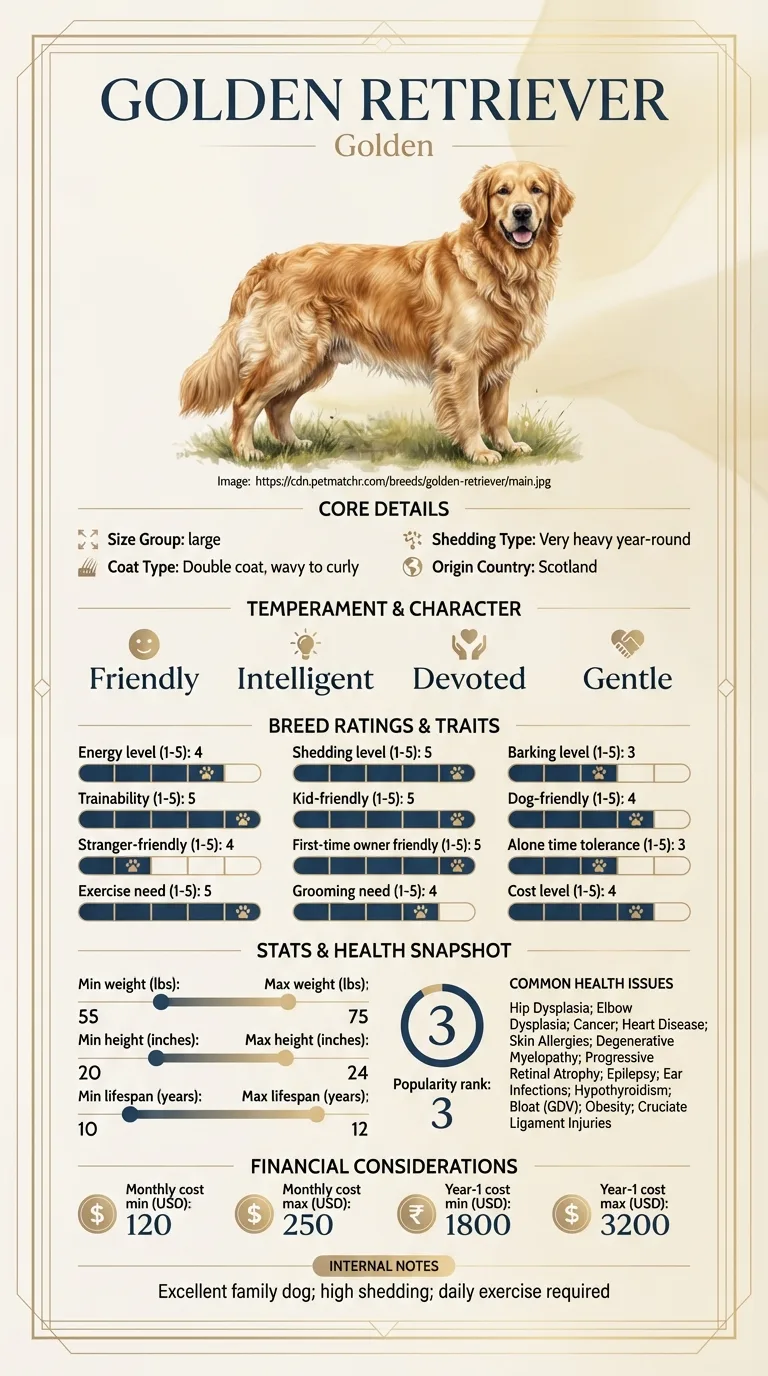
See all Golden Retriever health problems, which breeds are prone to patellar luxation, or the full Golden Retriever breed guide for temperament, exercise needs and ownership costs.
In many cases, improvement can be seen within a few weeks to a couple of months with consistent care and management.
Success looks like your Golden Retriever being able to move comfortably without frequent dislocations, engaging in normal activities, and enjoying walks without pain.
Not every instance of Golden Retriever patellar luxation is an emergency. If your dog shows mild symptoms, you can monitor their condition at home. Signs that may allow for monitoring include occasional limping, minor discomfort, or a reluctance to jump but still being able to walk normally.
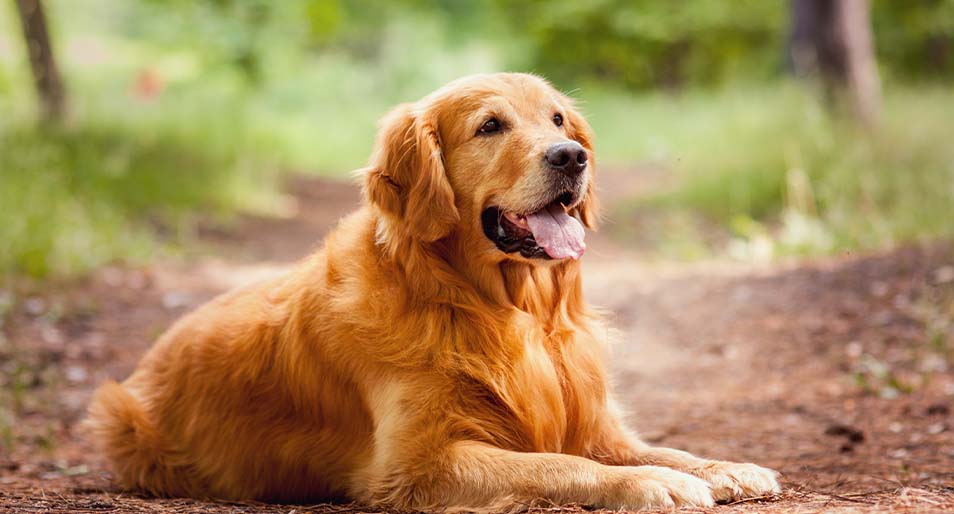
Sarah, a first-time dog owner, adopted Max, a lively Golden Retriever. Shortly after bringing him home, she noticed he would occasionally limp or skip on his back legs, especially after playtime. Concerned, she took him to the vet, who diagnosed him with patellar luxation. Sarah learned how to manage Max's condition through targeted exercises and proper training techniques. With patience and perseverance, Max's symptoms improved significantly over the next few months, allowing him to return to his playful self.
Key takeaway: With the right approach, it's possible to manage Golden Retriever patellar luxation effectively, ensuring a happier, healthier life for your dog.
Golden Retrievers can develop patellar luxation due to genetics, injury, or abnormal growth patterns. This condition occurs when the knee cap dislocates from its normal position, which can lead to discomfort or lameness. Regular vet check-ups can help identify early signs.
To help manage Golden Retriever patellar luxation, maintain a healthy weight and provide low-impact exercise. Strengthening exercises can support the knee joint. Consult your vet for specific training and rehabilitation recommendations.
Treatment for Golden Retriever patellar luxation may include physical therapy, pain management, or surgery in severe cases. Non-surgical options often involve weight management and exercise adjustments. Always discuss the best plan with your veterinarian.
Yes, patellar luxation is relatively common in Golden Retrievers, especially those who are overweight or have a history of knee issues. Early detection and appropriate care can significantly improve outcomes for affected dogs.
Patellar luxation can impact your Golden Retriever's mobility and comfort. With proper management and treatment, many dogs can lead active lives despite this condition. Regular vet visits are key to monitoring your dog's health.
Yes, patellar luxation can be hereditary in Golden Retrievers. If you have concerns about your dog's lineage, consider speaking to a breeder or vet about the potential for this condition within the breed.
Preventing patellar luxation involves maintaining a healthy weight and ensuring your Golden gets regular exercise. Avoid activities that put excessive strain on their knees, especially during their growth stages.
Patellar luxation can occur in older Golden Retrievers, especially if they have had previous knee injuries or other joint problems. Regular veterinary check-ups can help monitor any potential issues as your dog ages.
Signs of patellar luxation in your Golden Retriever may include limping, difficulty in jumping, or holding their leg up. If you notice any of these symptoms, it's crucial to consult a vet for a proper diagnosis.
Ensure your Golden Retriever maintains a healthy weight, provide joint supplements, and engage in low-impact activities. Regular vet check-ups are essential.
Not always. Many cases can be managed with non-surgical methods like weight control and physical therapy. Surgery is usually considered for severe cases.
Focus on strengthening exercises, limit jumping, and provide a comfortable resting area. Consult your vet for a tailored exercise plan.
A one-page prep sheet for this condition: the signs, the questions to ask, what to get priced. Unlocks here.
You get: Vet visit prep sheet
No spam. One-click unsubscribe. See our privacy policy.
Preview page 1 before you decide.

