DogBreedCompass
← Back to breed profile

Golden Retriever Osteochondritis Dissecans (OCD): What You Need to Know

Golden Retriever osteochondritis dissecans (OCD) is a joint issue that can cause significant discomfort for your pet.

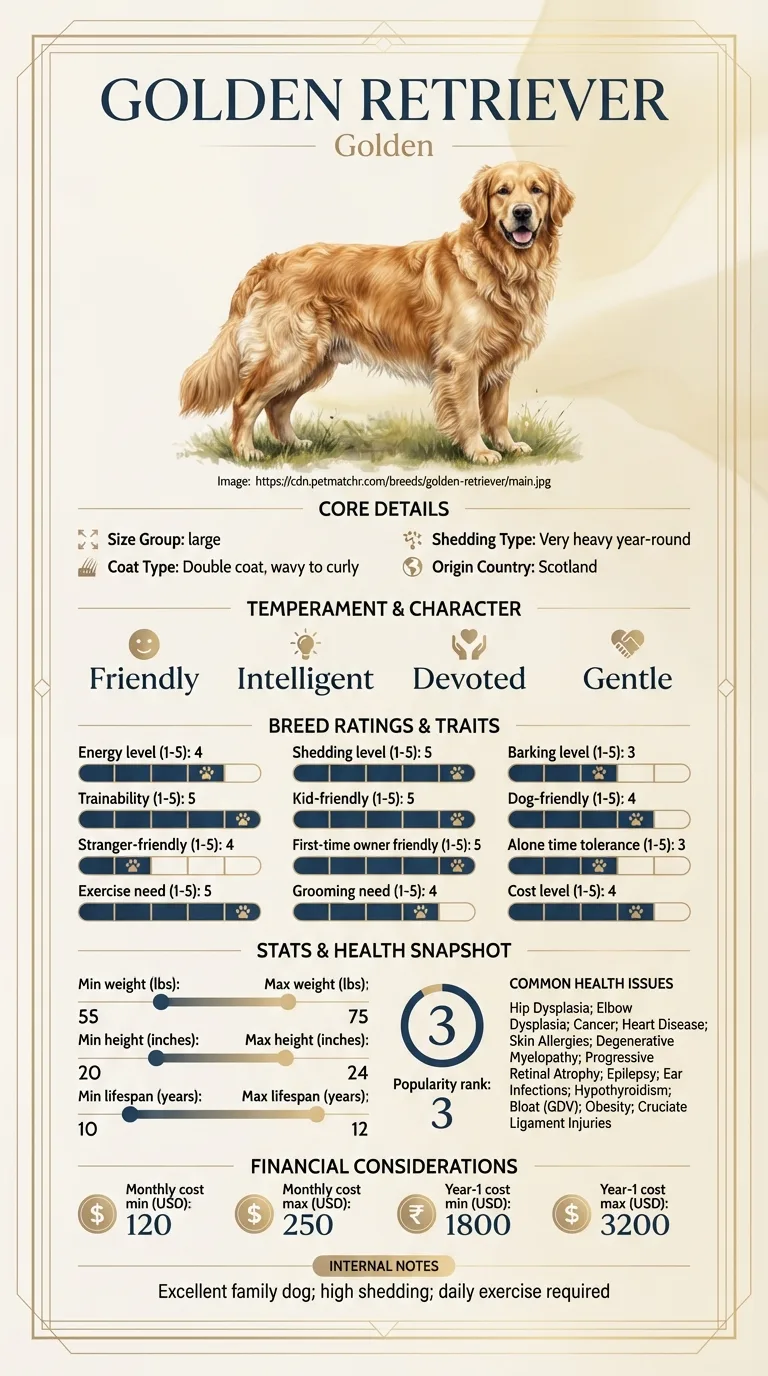
Golden Retriever Osteochondritis Dissecans (OCD): What You Need to Know infographic

Owners of Golden Retrievers, especially those who are active or have young dogs, often face this challenge. It can be particularly concerning for families who want their dogs to enjoy playtime without pain.

Important reminder

This guide is not medical advice. If your dog shows pain, sudden behavior change, or worsening symptoms, consult a licensed veterinarian.

Some links may be affiliate links. We may earn a commission at no extra cost to you. We only suggest products we believe are helpful for dog owners.

What this problem looks like

Golden Retriever osteochondritis dissecans (OCD) is a condition where abnormal cartilage development leads to joint discomfort. Day-to-day, this can manifest as limping, reluctance to play, or difficulty getting up after resting. Owners may notice their Golden struggling with stairs or being less active than usual.

Common triggers

  • Rapid growth in puppies, especially in large breeds.
  • Injury or trauma to the joint.
  • High-impact activities or excessive exercise.

Osteochondritis dissecans (OCD) is fairly common in Golden Retrievers, especially those within their first two years. Many owners report seeing signs of the condition, making it important to monitor their dog's activity and consult a vet if they notice any unusual behaviors.

Why this happens

Breed factors

Golden Retrievers are large, active dogs that can be prone to joint issues like osteochondritis dissecans (OCD). Their rapid growth and high energy levels may lead to stress on developing joints, increasing the risk of this condition. Genetics also play a role, as some lines are more susceptible to OCD than others.

Environment factors

The environment can significantly impact the likelihood of OCD. Factors such as excessive jumping, rough play, or uneven surfaces can exacerbate joint stress. Additionally, a lack of proper exercise can lead to weight issues, increasing strain on the joints.

What you can try

At-home strategies

  • Limit high-impact activities like jumping and running on hard surfaces, especially during growth periods.
  • Provide a balanced diet with proper nutrients to support joint health. Consult your vet for recommendations on dog food or supplements.
  • Incorporate gentle exercises like swimming or leash walks to maintain fitness without stressing the joints.

When to consider a trainer

If your Golden Retriever shows persistent limping or discomfort, consider consulting a professional trainer. They can help design a safe exercise routine suited for your dog’s condition. A trainer can also assist in teaching commands to manage your dog's activity level effectively.

When to talk to your vet

If you suspect your Golden Retriever has osteochondritis dissecans (OCD), it's crucial to consult a veterinarian. Signs like difficulty rising, reluctance to play, or swelling around joints warrant a vet visit. Early diagnosis and treatment can prevent further joint damage and improve your dog's quality of life.

Realistic expectations

With consistent training and veterinary care, you can expect to see improvement in your Golden Retriever's osteochondritis dissecans (OCD) symptoms within 3 to 6 months.

Success means your Golden is more comfortable, is able to engage in moderate activity, and shows fewer signs of pain during movement. Regular check-ups and a tailored exercise plan will be key.

Mistakes that make this worse

Avoiding certain behaviors can help improve your Golden Retriever's osteochondritis dissecans (OCD). Here are some common mistakes owners make and safer alternatives to consider.

  • Ignoring early signs of discomfort: Many owners overlook their dog's early signs of joint pain. Catching these signs early can help you consult a vet and prevent worsening of the condition.
  • Allowing excessive exercise: While Golden Retrievers need exercise, too much can aggravate OCD. Opt for shorter, frequent walks instead of long runs that put stress on their joints.
  • Skipping vet check-ups: Regular vet visits are crucial for monitoring your dog's joint health. Don’t skip these appointments, as they can help adjust treatments or medications as needed.
  • Overfeeding or improper diet: Excess weight can strain your dog's joints. Focus on a balanced diet and avoid giving too many treats to keep your Golden at a healthy weight.
  • Using harsh training methods: Techniques that involve punishment can increase anxiety and stress in your dog. Use positive reinforcement methods to encourage good behavior without causing fear.
  • Neglecting to provide joint supplements: Some owners may not consider adding supplements to their dog's diet. Talk to your vet about joint supplements that can help support your Golden's joint health.
  • Ignoring rest periods: Some owners might not recognize the need for rest. Make sure your dog has plenty of downtime to prevent overexertion and allow healing.

When Golden Retriever Osteochondritis Dissecans (OCD) is an Emergency

Recognizing when your Golden Retriever's osteochondritis dissecans (OCD) is an emergency is crucial. If your dog shows severe limping, swelling in the joints, or reluctance to move, these could be red flags. Additionally, if your pup is in apparent pain when touched or seems unusually lethargic, it's time to call your vet immediately.

In contrast, if your Golden is occasionally limping or showing mild discomfort after exercise, you might be able to monitor the situation at home. Keeping an eye on their activity level and adjusting their exercise routine can help. A gradual increase in gentle activity, combined with weight management, might be sufficient unless symptoms worsen.

Always trust your instincts as a pet owner. If something feels off, it’s better to err on the side of caution. Regular check-ups with your vet can also help you stay ahead of potential issues.

Golden Retriever Osteochondritis Dissecans (OCD): What You Need to Know - When Golden Retriever Osteochondritis Dissecans (OCD) is an Emergency

A Journey with Max the Golden Retriever

Emily, a first-time dog owner, noticed her Golden Retriever, Max, limping after playtime. Concerned, she took him to the vet and learned he had osteochondritis dissecans (OCD). After understanding the condition, she worked with a vet to create a specific exercise and training plan. Over several months, Emily gradually increased Max’s activity while ensuring he had plenty of rest. With patience and dedication, Max became more active and enjoyed his walks without pain.

Key takeaway: The key takeaway is that early intervention and a structured plan can significantly improve your dog's quality of life. Regular vet consultations and tailored exercise routines can make a big difference.

Frequently asked questions

What is Golden Retriever osteochondritis dissecans (OCD)?

Golden Retriever osteochondritis dissecans (OCD) is a joint condition caused by abnormal cartilage development. It can lead to pain and discomfort, particularly in the elbows and knees. Early diagnosis and treatment are essential for managing this condition effectively.

Why does my Golden Retriever have osteochondritis dissecans (OCD)?

This condition can arise from genetic factors, rapid growth during puppyhood, or excessive exercise. It’s more common in larger breeds like Golden Retrievers. If you suspect your dog has OCD, consult a veterinarian for proper evaluation.

How can I help my Golden Retriever with osteochondritis dissecans (OCD)?

To help your Golden Retriever, ensure they have a balanced diet and maintain a healthy weight. Controlled exercise and physical therapy can also alleviate symptoms. Always follow your vet's recommendations for treatment options.

What are the signs of osteochondritis dissecans (OCD) in Golden Retrievers?

Signs include limping, reluctance to play or exercise, and joint swelling. Your dog may also show discomfort when touched around the affected joint. If you notice these symptoms, schedule a vet visit promptly.

Can training help manage my Golden Retriever's osteochondritis dissecans (OCD)?

Yes, training can help by incorporating low-impact exercises that don’t strain the joints. Focus on obedience and mental stimulation, which can help reduce anxiety and keep your dog engaged without overexertion. Discuss training strategies with your vet.

What treatments are available for Golden Retriever osteochondritis dissecans (OCD)?

Treatment options may include medication, physical therapy, or surgery in severe cases. Anti-inflammatory drugs can help manage pain, while surgical intervention may be necessary to remove loose cartilage. Always consult with your veterinarian for the best treatment plan.

Is surgery always needed for osteochondritis dissecans (OCD) in Golden Retrievers?

Not always. Many dogs can manage OCD with conservative treatments like rest and medication. However, if symptoms persist or worsen, surgery might be recommended to alleviate pain and improve joint function.

What are the early signs of osteochondritis dissecans (OCD) in Golden Retrievers?

Early signs of Golden Retriever osteochondritis dissecans (OCD) can include limping, reluctance to play, or difficulty in getting up after resting. You might also notice them favoring one leg or showing signs of discomfort when you touch their joints.

Can osteochondritis dissecans (OCD) in Golden Retrievers be managed with training?

While training can help improve your dog's behavior and manage some symptoms, it won't cure osteochondritis dissecans (OCD). Focus on gentle exercises and consult your vet for a tailored approach that includes physical therapy or specific training techniques.

When should I see a vet for my Golden Retriever's joint pain?

If your Golden Retriever shows persistent limping, reluctance to move, or signs of pain, it's time to see a vet. Early diagnosis can lead to better management of osteochondritis dissecans (OCD) and improve your dog's quality of life.

Is surgery always necessary for Golden Retrievers with osteochondritis dissecans (OCD)?

Not all cases of osteochondritis dissecans (OCD) in Golden Retrievers require surgery. Many dogs can manage their symptoms with weight management, physical therapy, and medication. However, severe cases may need surgical intervention, so consult your vet for the best course of action.

How can I help my older Golden Retriever with osteochondritis dissecans (OCD)?

For older Golden Retrievers with osteochondritis dissecans (OCD), focus on low-impact activities and joint supplements. Ensuring a comfortable resting area and managing their weight can also alleviate pressure on their joints, making them feel more comfortable.

Quick answers

View more answers
Behavior

What are quick tips for managing Golden Retriever osteochondritis dissecans (OCD)?

To manage OCD, keep your dog at a healthy weight, limit high-impact activities, and provide regular vet check-ups. Controlled exercises like swimming can be beneficial.

Health

How can I tell if my Golden Retriever is in pain from OCD?

Look for limping, reluctance to move, or changes in behavior. If your dog seems uncomfortable or avoids using a leg, consult your vet.

Living

Are there specific foods that help with osteochondritis dissecans (OCD)?

A balanced diet rich in omega-3 fatty acids can help reduce inflammation. Consult your vet for recommendations tailored to your dog's needs.

Training

Can I train my Golden Retriever while managing OCD?

Yes, focus on low-impact, positive reinforcement training that keeps your dog engaged without stressing their joints. Avoid strenuous activities.

Costs

What is the average treatment cost for osteochondritis dissecans (OCD)?

Treatment costs can range from $500 to $3,000 depending on the severity and chosen treatment options. Always plan for follow-up care.

Related DogBreedCompass guides

  • Golden Retriever behavior problemsLearn more about the common health issues faced by Golden Retrievers.
  • Golden Retriever separation anxiety guideDiscover tips to manage anxiety in your Golden Retriever.
  • Golden Retriever cost breakdownUnderstand the costs associated with caring for a Golden Retriever.
  • Golden Retriever osteochondritis dissecans (ocd) trainingGet insights on effective training methods for Golden Retrievers.
  • Why does my Golden Retriever have osteochondritis dissecans (ocd)Find out why your Golden Retriever might have osteochondritis dissecans (ocd).

Related guides