Behavior
What are quick tips for managing Golden Retriever neurologic disease?
Regular vet check-ups, maintaining a balanced diet, and providing gentle mental stimulation can help manage symptoms effectively.

Quick answer
What are quick tips for managing Golden Retriever neurologic disease?
Regular vet check-ups, maintaining a balanced diet, and providing gentle mental stimulation can help manage symptoms effectively.
Golden Retriever neurologic disease can be a serious concern for pet owners. This condition affects the dog's nervous system and can lead to significant behavioral changes and health issues.
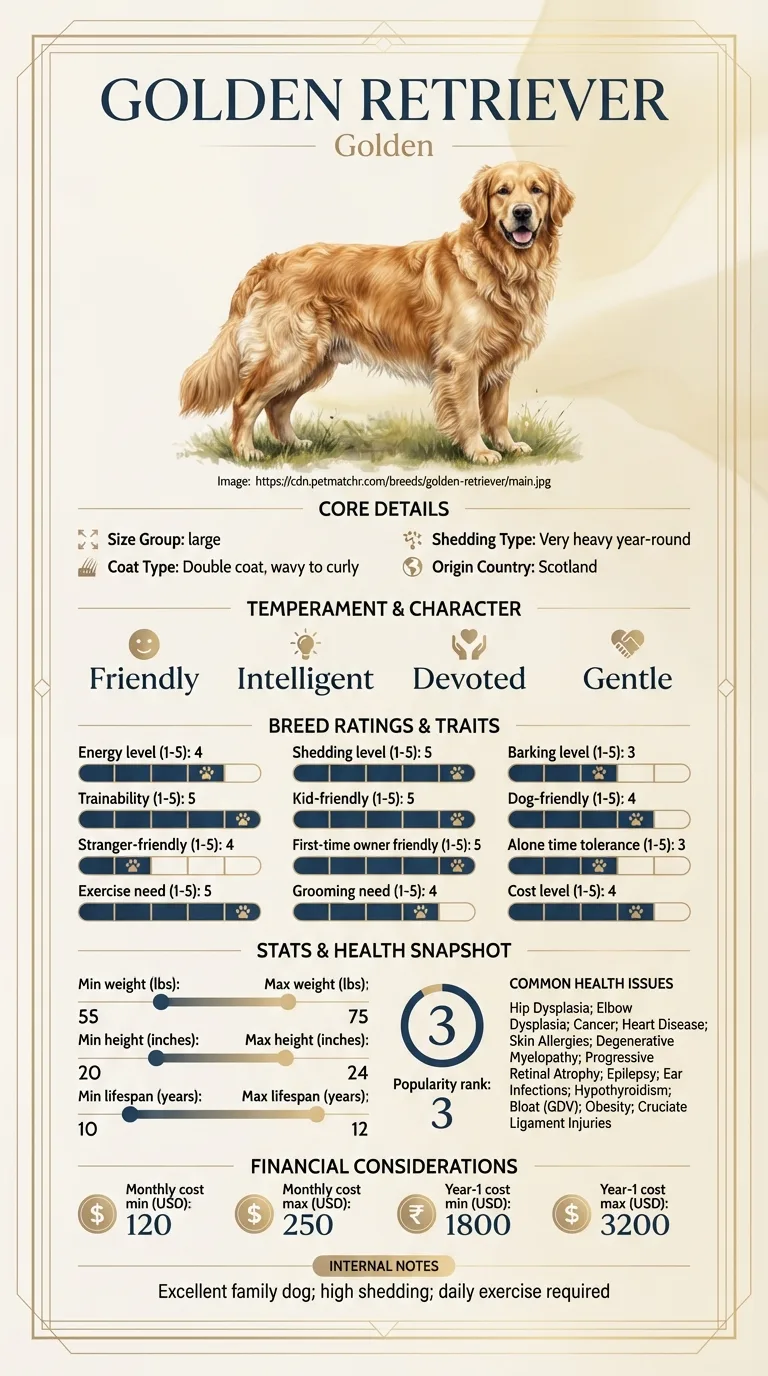
This issue mainly affects owners of Golden Retrievers, particularly those who are first-time dog parents or those with busy lifestyles. If you notice unusual behaviors in your dog, it might be time to consult a vet for guidance.
This guide is not medical advice. If your dog shows pain, sudden behavior change, or worsening symptoms, consult a licensed veterinarian.
Some links may be affiliate links. We may earn a commission at no extra cost to you. We only suggest products we believe are helpful for dog owners.
We research and check what we publish, but we do not warrant that any figure, date, price, or statement is accurate, complete, or current, and we accept no liability for any loss, cost, injury, or other harm arising from the use of this site. Use it as one reference among several. You remain responsible for your own decisions and for your dog's care - confirm anything that matters with a licensed veterinarian or another qualified professional before you act on it. Full disclaimer.
Check this first
Recognizing when neurologic disease in your Golden Retriever is an emergency can save their life. Certain symptoms should prompt immediate action, while others may be less urgent and can be monitored. Knowing the difference is crucial for your dog's health.
If any of these apply, call your vet or an emergency clinic now. The rest of this page is for the cases that are not an emergency.
Golden Retriever neurologic disease can manifest in various ways, affecting your dog's behavior and movement. Common signs include difficulty walking, coordination issues, and changes in personality. These symptoms can be distressing for both the dog and the owner, as they often indicate serious underlying health problems.
Neurologic diseases are notably common in Golden Retrievers, with studies indicating a 291% higher risk compared to other breeds. Early detection and intervention are crucial for managing these conditions effectively.
Golden Retrievers are prone to certain genetic conditions, which can lead to neurologic diseases. Their friendly and devoted nature can sometimes mask underlying health issues, making early detection difficult. Breeds like Golden Retrievers also have a history of conditions such as degenerative myelopathy and epilepsy, which are neurological disorders.
Environmental factors can also contribute to neurologic diseases in Golden Retrievers. Poor diet, lack of exercise, and exposure to toxins can negatively impact their overall health. Additionally, stressful environments can exacerbate symptoms, making it essential to provide a stable and enriching home.
It's crucial to consult a vet if you notice signs of neurologic disease, such as seizures, disorientation, or loss of coordination. Early intervention can make a significant difference in management and treatment.
Avoiding common mistakes can significantly help your Golden Retriever with neurologic disease. Here are some behaviors to steer clear of.
Start here: Golden Retriever Most Common Genetic Disorders: Screening
See all Golden Retriever health problems, which breeds are prone to neurologic disease, or the full Golden Retriever breed guide for temperament, exercise needs and ownership costs.
Managing a Golden Retriever with neurologic disease can take several months to see improvements. Regular vet visits and consistent care under your vet's plan will be key.
Success means your dog is more comfortable, has fewer symptoms, and responds positively to training and care routines.
If your Golden Retriever shows any of the following signs, don’t hesitate—call your vet immediately: - Sudden loss of coordination or balance - Severe seizures or repeated seizures - Weakness in the limbs that worsens over time - Unresponsive or lethargic behavior - Sudden changes in vision or blindness - Extreme agitation or confusion

In less severe cases, you can monitor your Golden Retriever with a plan. Keep an eye out for these symptoms: - Occasional weakness that does not worsen - Minor tremors or twitching - Slight changes in behavior or mood - Mild stiffness or difficulty getting up Consult your vet if any of these symptoms persist or worsen.

Sarah, a busy nurse in Chicago, noticed her Golden Retriever, Max, was having trouble with balance and coordination. After a vet visit confirmed a neurologic disease, she felt overwhelmed. With her vet's guidance, she set up a daily routine that included specialized training exercises and a balanced diet. Gradually, Max began to regain some stability and confidence, allowing him to enjoy their daily walks again.
Key takeaway: Early intervention, a structured routine, and patience can significantly improve your dog's quality of life when dealing with neurologic disease.
Golden Retrievers can develop neurologic disease due to genetic factors, dietary deficiencies, or environmental toxins. Conditions such as Degenerative Myelopathy and epilepsy are common. Regular vet check-ups can help catch these issues early. This answer relates to Golden Retriever neurologic disease.
Signs of neurologic disease may include loss of coordination, seizures, or changes in behavior. If you notice these symptoms, it’s crucial to consult your veterinarian for an accurate diagnosis and treatment plan.
If you suspect neurologic disease, schedule an appointment with your vet as soon as possible. They may recommend tests such as blood work or imaging to determine the underlying cause and appropriate treatment options.
Training can help maintain your Golden Retriever's mental engagement, which is vital for dogs with neurologic issues. Gentle exercises and mental stimulation can improve their quality of life, but always consult your vet before starting any new training regimen.
Yes, a balanced diet rich in Omega-3 fatty acids can support brain health. Discuss dietary options with your vet to ensure your Golden is receiving the nutrients needed for their condition.
Long-term effects can vary greatly depending on the specific disease. Some dogs can live comfortably with proper management, while others may experience progressive decline. Regular vet visits are essential for monitoring their health.
Creating a stable and familiar environment can help ease anxiety for dogs with neurologic disease. Regular routines, gentle exercise, and mental stimulation can make a significant difference in their well-being.
Early signs can include changes in behavior, such as increased aggression or withdrawal. You might also notice coordination issues, like stumbling or difficulty climbing stairs. If you observe any of these symptoms, it's crucial to consult your vet promptly.
Treatment options may vary depending on the specific neurologic disease. While some conditions can be managed with medication and lifestyle adjustments, others may require more intensive interventions. Always discuss treatment plans with your veterinarian to determine the best course of action.
As Golden Retrievers age, their risk of developing neurologic diseases can increase. Older dogs may exhibit different symptoms than younger ones, such as cognitive decline or mobility challenges. Regular check-ups become increasingly important as your dog ages.
Sudden behavioral changes can indicate various issues, including neurologic disease. If your Golden Retriever is acting strangely, such as being disoriented or having seizures, it's essential to seek veterinary care to identify the underlying cause.
Genetics can significantly influence the likelihood of neurologic diseases in Golden Retrievers. Some breeds have a higher predisposition to specific conditions due to hereditary factors. Responsible breeding practices aim to reduce these risks.
Regular vet check-ups, maintaining a balanced diet, and providing gentle mental stimulation can help manage symptoms effectively.
Yes, some neurologic diseases have a genetic component, making certain lines of Golden Retrievers more susceptible.
Focus on gentle, positive reinforcement training that encourages engagement without overwhelming your dog.
Yes, it can lead to complications such as mobility issues or behavioral changes, so consistent monitoring is crucial.
Costs can vary widely, typically ranging from $100 to $500 per visit, depending on tests and treatments recommended by your vet.
A one-page prep sheet for this condition: the signs, the questions to ask, what to get priced. Unlocks here.
You get: Vet visit prep sheet
No spam. One-click unsubscribe. See our privacy policy.
See a sample page before you decide.
Early access list
The free prep sheet covers the same-day warning signs, a symptom log and the questions to ask. We are considering a fuller kit that adds a cost worksheet for the usual tests and treatments (US price ranges with their sources) and a plain-English guide to ways of covering the bill. It is not built yet; this list tells us whether it is worth building.
One email, no spam, unsubscribe anytime. Information only, not veterinary advice.