Costs
What are quick tips for managing Golden Retriever insurance claims?
Focus on preventive care, regular vet check-ups, and a balanced diet to lower claims. Training helps prevent accidents, which can also reduce costs.

Quick answer
What are quick tips for managing Golden Retriever insurance claims?
Focus on preventive care, regular vet check-ups, and a balanced diet to lower claims. Training helps prevent accidents, which can also reduce costs.
Golden Retriever insurance claims can be a significant concern for owners. Understanding why these claims arise is crucial for responsible pet ownership.
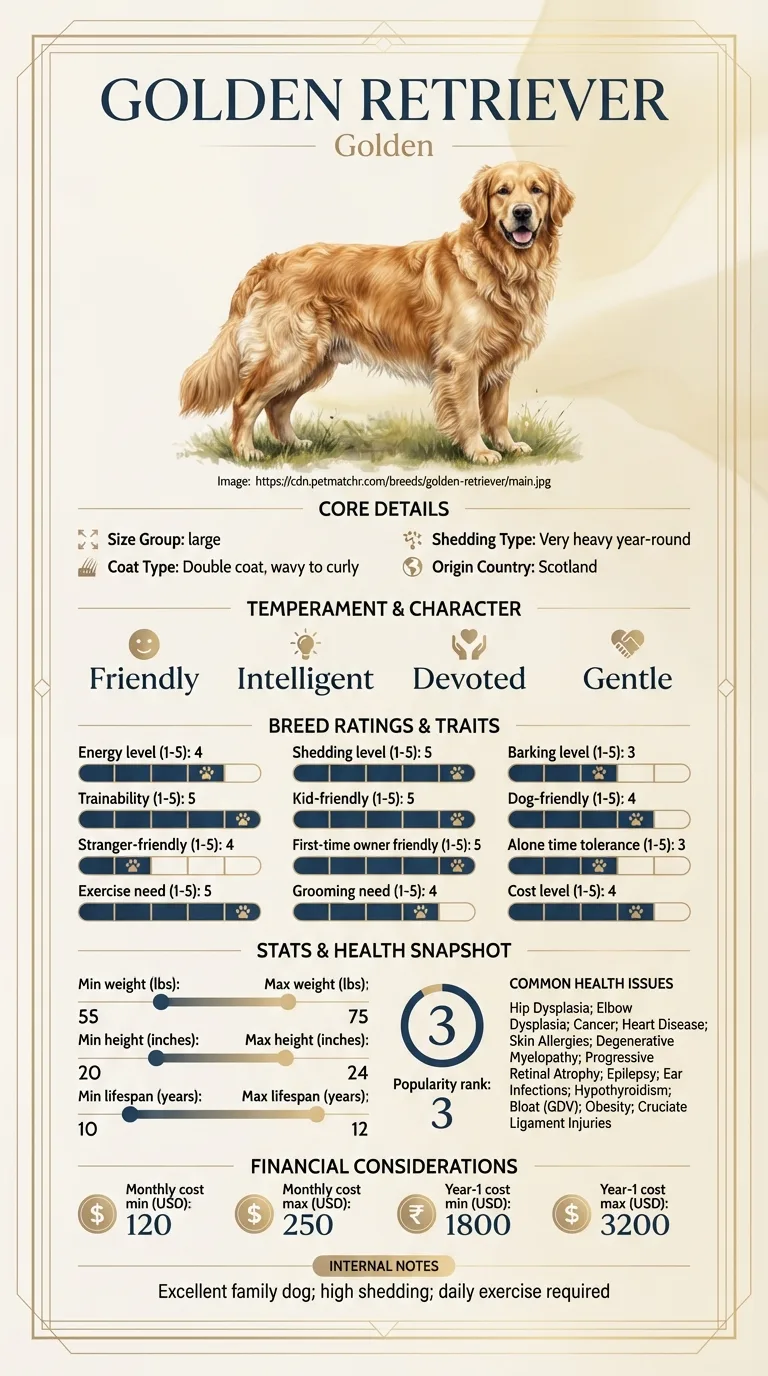
Typical owners facing this issue include families and individuals who love their Golden Retrievers but may be overwhelmed by unexpected medical expenses. First-time dog owners may also struggle to navigate insurance claims effectively, especially when faced with a health crisis.
This guide is not medical advice. If your dog shows pain, sudden behavior change, or worsening symptoms, consult a licensed veterinarian.
Some links may be affiliate links. We may earn a commission at no extra cost to you. We only suggest products we believe are helpful for dog owners.
We research and check what we publish, but we do not warrant that any figure, date, price, or statement is accurate, complete, or current, and we accept no liability for any loss, cost, injury, or other harm arising from the use of this site. Use it as one reference among several. You remain responsible for your own decisions and for your dog's care - confirm anything that matters with a licensed veterinarian or another qualified professional before you act on it. Full disclaimer.
Check this first
Understanding when to call your vet about Golden Retriever insurance claims can save your dog from serious health issues. It’s important to recognize the signs that indicate an emergency versus situations that can be monitored. If your Golden Retriever shows severe symptoms or changes in behavior, it’s time to act quickly.
If any of these apply, call your vet or an emergency clinic now. The rest of this page is for the cases that are not an emergency.
Golden Retriever insurance claims can be a frustrating issue for owners. These claims often arise from common health problems associated with the breed, including hip dysplasia and skin allergies. Day-to-day, this may manifest as frequent vet visits and unexpected expenses, leading to stress for pet owners.
Golden Retrievers are known for having relatively high insurance claims compared to some other breeds. Their active lifestyles can lead to injuries, and their common health issues often result in repeated claims throughout their lives.
Golden Retrievers are prone to certain health issues like hip dysplasia and skin allergies, which can lead to more frequent insurance claims. Their size and active nature also contribute to injuries that may require medical attention, increasing the likelihood of claims.
Stressful environments, such as those with loud noises or lack of exercise, can lead to anxiety and health problems in Golden Retrievers. Additionally, improper diet and lack of routine vet visits can exacerbate their health issues, leading to higher insurance claims.
If your Golden Retriever has frequent insurance claims or shows sudden changes in behavior or health, consult your vet. Regular check-ups can help catch potential health issues early and may reduce future claims.
Here are some common mistakes that can worsen the situation with Golden Retriever insurance claims, along with safer alternatives.
Start here: Golden Retriever Most Common Genetic Disorders: Screening
See all Golden Retriever health problems, which breeds are prone to insurance claims, or the full Golden Retriever breed guide for temperament, exercise needs and ownership costs.
It may take 3 to 6 months to see a significant reduction in claims through consistent care and behavior adjustments.
Success means fewer insurance claims due to improved health management and behavioral issues, leading to lower premiums and a happier, healthier Golden Retriever.
Maggie, a busy nurse in San Francisco, struggled with her Golden Retriever, Max. He had a tendency to chew furniture and had a few minor accidents, which led to multiple insurance claims. Frustrated, Maggie decided to invest time in training. She enrolled Max in a local obedience class and started implementing daily exercise routines. Over time, Max's behavior improved significantly, leading to fewer claims and a deeper bond between them.
Key takeaway: With patience and the right training, you can turn your Golden's behavior around and save on insurance claims.
Golden Retrievers are prone to certain health issues, which can lead to higher insurance claims. Common concerns include hip dysplasia and cancer. Regular vet check-ups and preventive care can help manage these risks.
To reduce insurance claims, focus on preventive care like regular vet check-ups, a balanced diet, and consistent exercise. Training your Golden to manage behavior issues can also help, as behavioral problems often lead to more claims.
Positive reinforcement training can address behavior issues leading to claims. Teach commands like 'leave it' to prevent your dog from getting into harmful situations. Consistent training helps build good habits.
Yes, individual health history and genetics play a significant role. A Golden Retriever with a family history of health issues may have a higher risk. Choose a reputable breeder to reduce these chances.
Common issues include hip and elbow dysplasia, cancer, and obesity-related diseases. Being aware of these can help you take preventive measures and manage your dog's health effectively.
Regular vet visits, a healthy diet, and exercise can help maintain your Golden's health. Keep an eye on weight and engage in joint-friendly activities to support their overall well-being.
Golden Retrievers often have insurance claims related to common health issues like hip dysplasia, skin allergies, and obesity. These breeds are also prone to certain hereditary conditions, which can lead to increased vet visits.
Yes, older Golden Retrievers tend to have more insurance claims due to age-related health issues. Regular veterinary care and monitoring can help catch problems early and potentially reduce claim frequency.
You should consider filing an insurance claim if your Golden Retriever requires significant medical treatment, such as surgery or long-term medication. Always check your policy for specific conditions and coverage limits.
The breed significantly impacts insurance claims due to genetic predispositions to certain health conditions. Understanding these breed-specific risks can help you make informed decisions about insurance coverage and preventive care.
Focus on preventive care, regular vet check-ups, and a balanced diet to lower claims. Training helps prevent accidents, which can also reduce costs.
Aim for at least one annual check-up, but more frequent visits may be needed for older dogs or those with health issues.
Basic obedience training is crucial. Consider specialized classes for issues like separation anxiety or socialization to prevent behavioral claims.
Provide regular exercise and monitor food intake to prevent obesity. Consult your vet for a tailored diet plan.
A one-page prep sheet for this condition: the signs, the questions to ask, what to get priced. Unlocks here.
You get: Vet visit prep sheet
No spam. One-click unsubscribe. See our privacy policy.
Preview page 1 before you decide.
