Behavior
What are quick tips for Golden Retriever heat sensitivity?
Provide plenty of shade, avoid walks during the hottest hours, and ensure they have access to fresh water. Consider cooling mats or vests for extra comfort.
Golden Retriever heat sensitivity can be a serious issue, especially in warmer months.
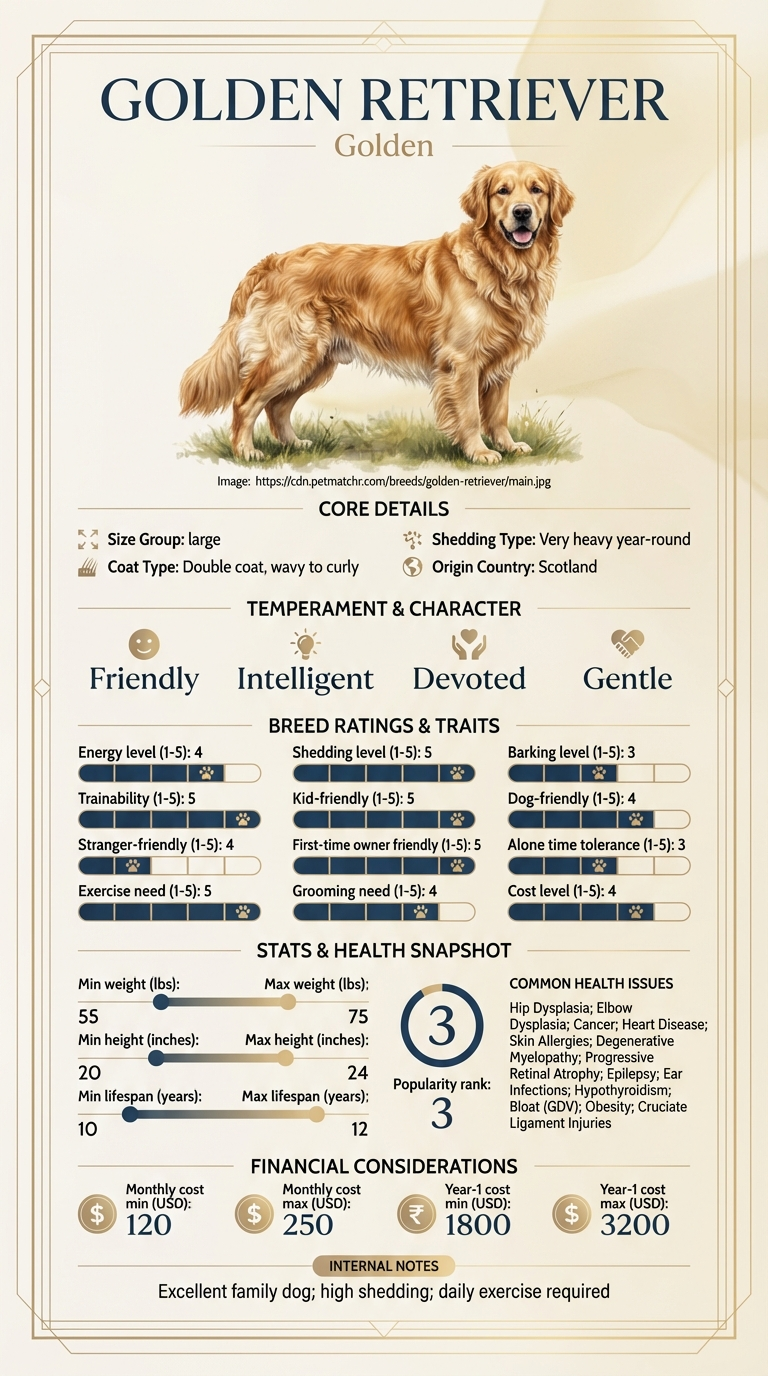
Owners of Golden Retrievers, particularly those living in hot climates or who enjoy outdoor activities, often face challenges managing their dog's heat sensitivity. Families with active lifestyles may find it difficult to balance exercise needs with their dog's comfort in high temperatures.
This guide is not medical advice. If your dog shows pain, sudden behavior change, or worsening symptoms, consult a licensed veterinarian.
Some links may be affiliate links. We may earn a commission at no extra cost to you. We only suggest products we believe are helpful for dog owners.
Golden Retriever heat sensitivity can be a serious issue, especially during hot weather. These dogs may show signs of discomfort, such as excessive panting, drooling, or lethargy. In extreme cases, it can lead to heatstroke, which is a medical emergency.
Heat sensitivity is quite common among Golden Retrievers due to their double coat, which can trap heat. Many owners notice their dogs struggle more during summer months, making it essential to monitor their comfort and safety.
Golden Retrievers have a double coat that insulates them, making them prone to overheating in warm weather. Their large size and high energy levels also contribute to their heat sensitivity, as they may overexert themselves during play.
Heat sensitivity can worsen in hot and humid conditions. A lack of air conditioning or shady areas in your home or yard can increase the risk of heat-related issues, especially during the summer months.
If your Golden Retriever struggles with heat sensitivity during training or exercise, consider working with a trainer. They can help you develop a customized exercise plan that keeps your dog safe.
If your dog shows severe signs of heat sensitivity, such as lethargy or vomiting, consult your vet immediately. Additionally, if you notice any unusual behavior during warm days, it’s wise to seek professional advice.
Most owners can see improvements in their Golden Retriever's heat sensitivity within 1 to 3 months of consistent training and care adjustments.
Success means your Golden Retriever can enjoy outdoor activities comfortably in warm weather, showing less stress and a willingness to engage in play without excessive panting or fatigue.
Avoiding these common mistakes can help improve your Golden Retriever's heat sensitivity.
Understanding when your Golden Retriever's heat sensitivity becomes an emergency is vital for their safety. Some signs require immediate action, while others can be managed at home with careful observation. Knowing the difference can save your dog's life.
**Call Your Vet Now If:** - Your Golden Retriever collapses or appears lethargic after being outside. - They are panting excessively or have difficulty breathing. - Their gums appear pale or bright red, indicating distress.
- They show signs of disorientation or confusion, such as stumbling or inability to stand. - Body temperature exceeds 104°F (40°C) for an extended period. This can lead to heatstroke, which can be fatal.
**Monitor and Plan If:** - Your dog seems uncomfortable but is still alert and active. - They are panting but able to cool down with water or shade. - Your Golden experiences mild discomfort after a warm day but shows no severe symptoms.
In these cases, you can help them recover with extra hydration and a cool environment.
Keep in mind that even mild cases of heat sensitivity should be taken seriously, especially for Golden Retrievers with existing health issues. Always have a plan for hot days, including shaded areas and water breaks. If symptoms worsen or persist, it's wise to consult your vet for further advice.
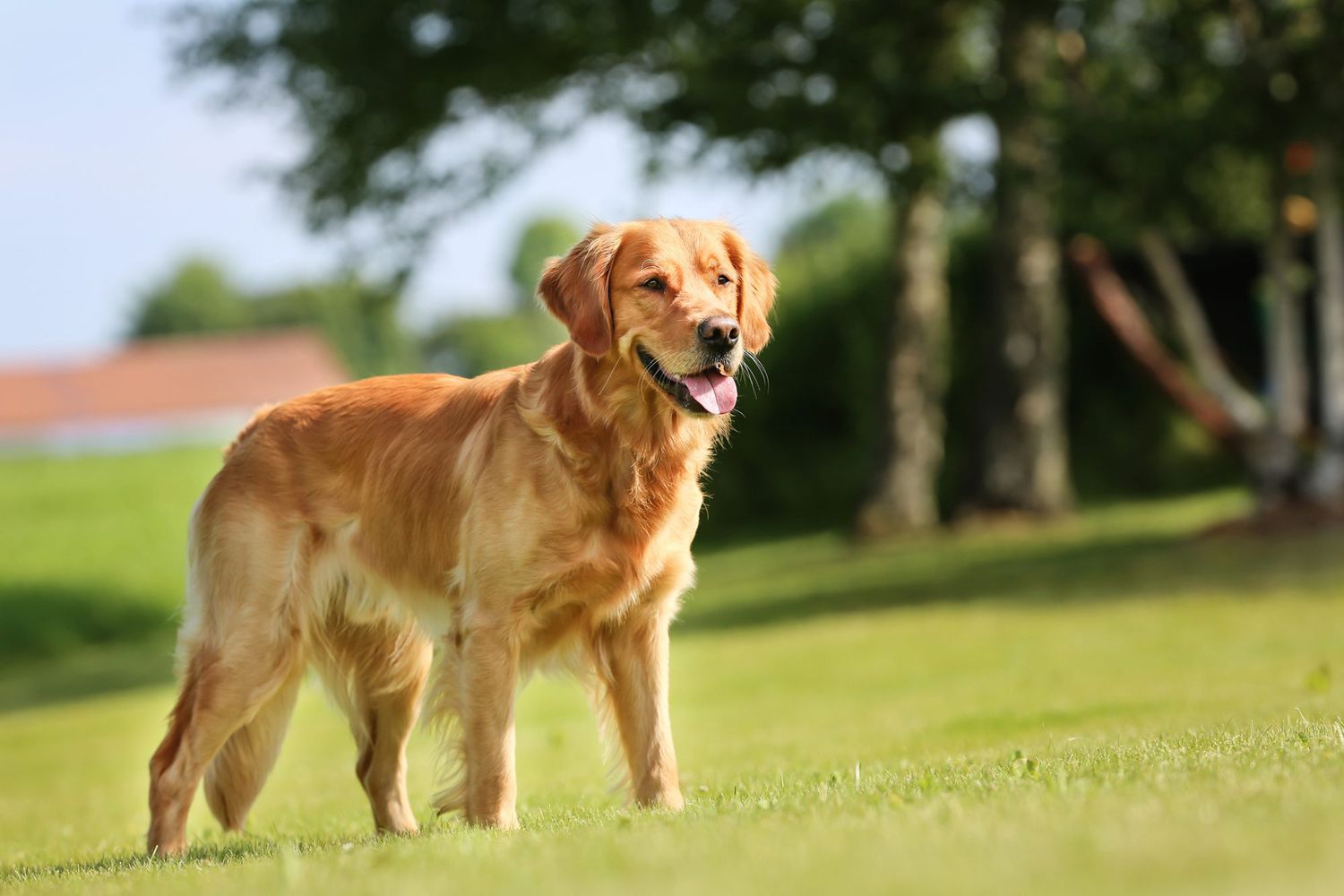
Sarah, a busy nurse in Texas, noticed her Golden Retriever, Max, struggled during the hot summer months. Max would pant heavily, refuse to go outside, and seemed anxious when the temperature rose. After consulting with a trainer, Sarah learned how to create a cool environment for Max and adjust their playtime to the early mornings or late evenings. She also incorporated short training sessions focused on hydration and acclimatization to heat. Within weeks, Max was more comfortable outdoors, enjoying his daily walks again.
Key takeaway: By understanding and adjusting to Max's needs, Sarah created a more enjoyable summer for both of them, proving that with the right approach, Golden Retriever heat sensitivity can be managed effectively.
Golden Retrievers are prone to heat sensitivity due to their double coat, which can trap heat. This breed has a higher risk of heat-related issues, especially in warmer climates. It's essential to monitor their behavior and provide a cool environment.
Signs of overheating include excessive panting, drooling, weakness, and a rapid heartbeat. If your Golden Retriever is acting lethargic or seems disoriented, it's crucial to cool them down immediately. Always keep fresh water available, especially during warm days.
To help manage heat sensitivity, provide plenty of shade and fresh water. Avoid exercising them during peak heat hours, and consider using cooling vests or mats. Regular grooming can also help reduce their heavy shedding and improve comfort.
While training won't eliminate heat sensitivity, it can help your dog recognize when to seek shade or rest. Teaching commands like 'leave it' can prevent them from overexerting themselves during hot weather. Always reward them for resting when it’s hot.
If you suspect heatstroke, move your dog to a cool area and offer water. Apply cool (not cold) water to their body and contact a vet immediately. Quick action is essential to prevent serious complications.
Signs of heat sensitivity in Golden Retrievers can include excessive panting, drooling, lethargy, and seeking cooler areas. If your dog shows signs of distress like vomiting or confusion, it's important to cool them down and consult a vet.
Older Golden Retrievers may be more prone to heat sensitivity. Make sure they have access to shade and fresh water, avoid exercise during peak heat hours, and consider cooling mats or vests to help manage their comfort.
Yes, some breeds, particularly brachycephalic (short-nosed) dogs like Bulldogs and Pugs, are more susceptible to heat sensitivity. However, Golden Retrievers can also struggle in high temperatures due to their thick double coat.
Changes in a Golden Retriever's heat sensitivity can occur due to age, health conditions, or weight gain. It’s advisable to consult your vet if you notice a sudden change in your dog's tolerance to heat.
To manage Golden Retriever heat sensitivity, ensure they stay hydrated, avoid outdoor activities during the hottest parts of the day, and provide plenty of cool, shaded areas. Regular brushing can also help minimize their heavy shedding, which can contribute to overheating.
Provide plenty of shade, avoid walks during the hottest hours, and ensure they have access to fresh water. Consider cooling mats or vests for extra comfort.
Limit exercise on hot days, keep them indoors during peak heat, and watch for signs of distress to prevent overheating.
Regular grooming during summer helps reduce shedding and keeps their coat healthy. Aim for at least once a week to manage loose fur.
No, it's not safe to leave them outside without shade and water during hot weather. Always bring them indoors to ensure their safety.