Behavior
What are quick tips for managing my Golden Retriever's weight?
Limit their food portions, provide regular exercise, and avoid giving table scraps. Use a measuring cup for accurate feeding amounts.

Quick answer
What are quick tips for managing my Golden Retriever's weight?
Limit their food portions, provide regular exercise, and avoid giving table scraps. Use a measuring cup for accurate feeding amounts.
Golden Retrievers are often prone to obesity due to a genetic predisposition. This can lead to serious health issues and affect their quality of life.
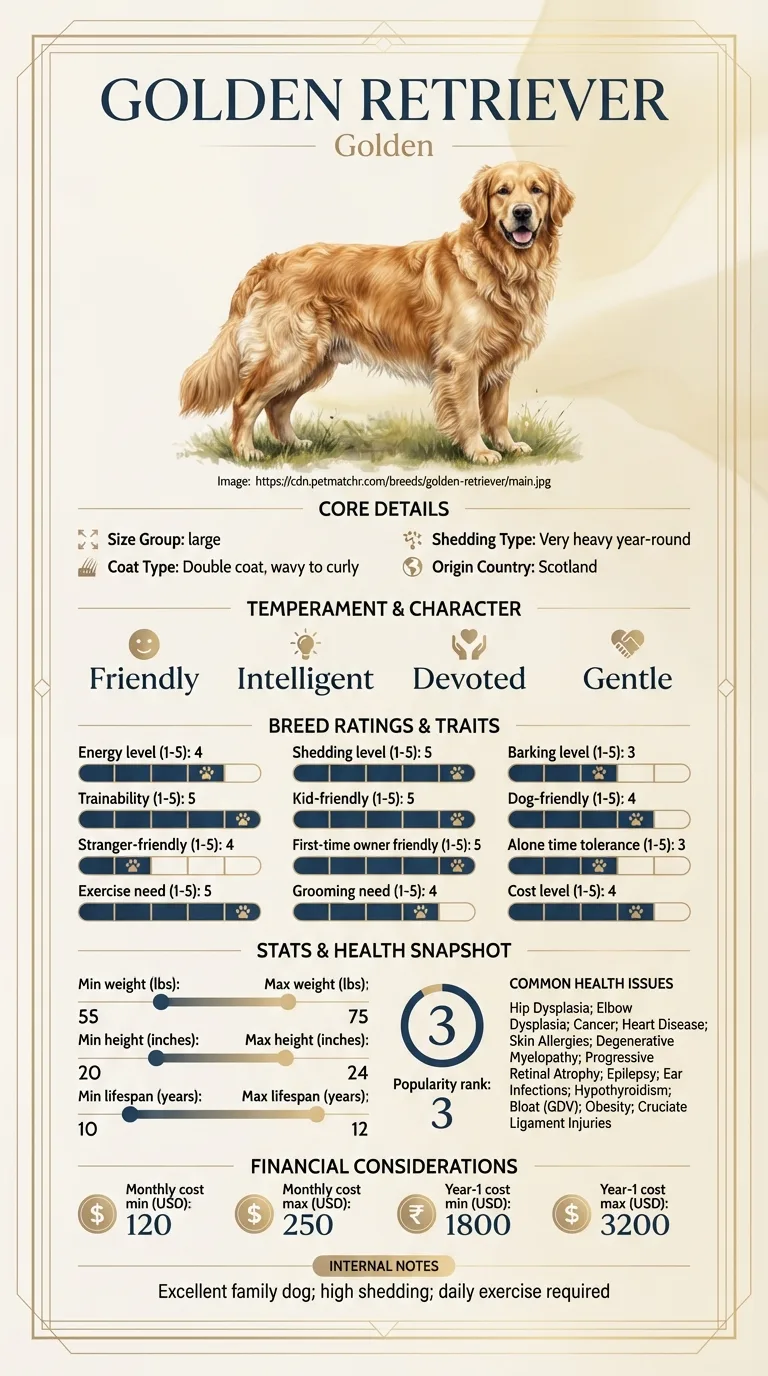
This issue commonly affects families who adore their Goldens and may not realize the importance of managing their diet and exercise. First-time dog owners may also struggle with understanding how to balance treats and meals effectively.
This guide is not medical advice. If your dog shows pain, sudden behavior change, or worsening symptoms, consult a licensed veterinarian.
Some links may be affiliate links. We may earn a commission at no extra cost to you. We only suggest products we believe are helpful for dog owners.
We research and check what we publish, but we do not warrant that any figure, date, price, or statement is accurate, complete, or current, and we accept no liability for any loss, cost, injury, or other harm arising from the use of this site. Use it as one reference among several. You remain responsible for your own decisions and for your dog's care - confirm anything that matters with a licensed veterinarian or another qualified professional before you act on it. Full disclaimer.
Check this first
Recognizing when your Golden Retriever’s weight issue is an emergency can be crucial for their health. If your dog shows signs of severe lethargy, difficulty breathing, or does not respond to you, these are red flags. Additionally, if they are unable to stand or walk properly, it’s time to call your vet immediately.
If any of these apply, call your vet or an emergency clinic now. The rest of this page is for the cases that are not an emergency.
Golden Retrievers are known for their friendly nature, but they also have a genetic predisposition to obesity. This often manifests as excessive weight gain, which can be a serious health concern. Daily life with an overweight Golden can include struggles with mobility, decreased energy levels, and increased risk of health issues like heart disease and diabetes.
Obesity is a prevalent issue among Golden Retrievers, with studies indicating that nearly 30% of them may face weight-related challenges during their lifetime. This breed's love for food combined with their less active days can lead to a higher risk of gaining unwanted pounds.
Golden Retrievers are prone to obesity due to a mutation in the POMC gene. This mutation can lead to an increased appetite and a tendency to gain weight easily. Their large size and friendly nature can also make them less active if not properly stimulated.
Environment plays a significant role in obesity. Factors such as overfeeding, lack of exercise, and high-calorie treats can contribute to weight gain. Additionally, a sedentary lifestyle, often seen in cozy homes, can exacerbate this issue.
If you notice significant weight gain or if your Golden Retriever has difficulty losing weight despite your efforts, it's time to consult a vet. They can assess your dog's overall health and may recommend a specialized diet or check for underlying health issues that contribute to obesity.
When managing your Golden Retriever's genetic predisposition to obesity, some common mistakes can hinder progress. Here are a few behaviors to avoid and safer alternatives to consider.
Start here: Golden Retriever Most Common Genetic Disorders: Screening
See all Golden Retriever health problems, which breeds are prone to genetic predisposition to obesity, or the full Golden Retriever breed guide for temperament, exercise needs and ownership costs.
Within 3 to 6 months, you can start seeing improvements in your Golden Retriever's weight and overall health through consistent management.
Success means maintaining a healthy weight for your Golden while enjoying regular exercise and a balanced diet. You should see your dog becoming more active, energetic, and happier.
In less severe cases, you can monitor your Golden Retriever’s behavior and weight over time. If they are slightly overweight but still active and engaged, consider implementing a structured diet and exercise plan. Keep an eye on their eating habits and energy levels, adjusting as necessary.

Maria, a busy nurse in Seattle, noticed her Golden Retriever, Max, was gaining weight despite their daily walks. After a vet visit, she learned about Max's genetic predisposition to obesity due to a POMC gene mutation. Determined to help him, Maria created a structured feeding schedule, swapped treats for healthier options, and enrolled in a fun agility class. Over several months, Max lost the extra pounds and gained a new zest for life, making walks more enjoyable for both of them.
Key takeaway: Understanding your dog's genetic predisposition to obesity is crucial. With the right diet and exercise plan, you can help your Golden Retriever live a healthier, happier life.
Golden Retrievers may inherit a mutation in the POMC gene, which can lead to increased appetite and weight gain. This genetic factor can make it harder for them to maintain a healthy weight without careful management of their diet and exercise. This answer relates to Golden Retriever genetic predisposition to obesity.
Watch for signs such as difficulty in feeling their ribs, a lack of a defined waist, or excessive panting. Regularly check their weight and consult with your vet if you're unsure.
To manage your Golden Retriever's weight, provide a balanced diet with controlled portions and engage in daily exercise. Aim for at least an hour of physical activity each day to help burn off extra calories.
Yes, avoid high-calorie treats and foods loaded with fillers. Stick to high-quality dog food and consider low-calorie treats to keep their weight in check.
Training can improve your Golden Retriever's behavior and help them stay active. Regular training sessions can also mentally stimulate them, making them less likely to seek food out of boredom.
Consult your vet if you notice significant weight gain, changes in appetite, or if you are unsure how to manage their weight. A vet can provide tailored advice and check for any underlying health issues.
Golden Retrievers can inherit genetic traits that affect their metabolism and appetite, especially related to the POMC gene mutation. This mutation can lead to increased hunger and a tendency to gain weight, making it important for owners to monitor their dog's diet and exercise.
For older Golden Retrievers, adjusting their diet to lower-calorie options and ensuring regular, gentle exercise can help manage weight. Always consult your veterinarian for tailored advice, especially since older dogs may have different health needs.
If your Golden Retriever is gaining weight despite a controlled diet and regular exercise, it’s time to consult your vet. They can evaluate for underlying health issues and help create a weight management plan tailored to your dog’s needs.
Yes, training methods that incorporate physical activity are essential for combating obesity. Activities like fetch, agility courses, or even daily walks not only burn calories but also provide mental stimulation, which is crucial for Golden Retrievers.
A change in environment, such as moving to a more active area with access to parks or trails, can encourage more exercise. Additionally, engaging them in outdoor activities with other dogs can motivate your Golden Retriever to stay active and help manage their weight.
Limit their food portions, provide regular exercise, and avoid giving table scraps. Use a measuring cup for accurate feeding amounts.
Aim for at least one hour of exercise each day, including walks, playtime, and mental stimulation activities.
Try varying the type of exercise, like playing fetch or swimming, and ensure they are healthy enough to exercise by checking with your vet.
Select high-quality, low-calorie dog food that meets their dietary needs and is appropriate for their age and activity level.
Look for a lack of a waist, difficulty in feeling their ribs, or a noticeable decrease in energy levels.
A one-page prep sheet for this condition: the signs, the questions to ask, what to get priced. Unlocks here.
You get: Vet visit prep sheet
No spam. One-click unsubscribe. See our privacy policy.
Preview page 1 before you decide.