Health
What are quick tips for managing Golden Retriever genetic load?
Regular vet check-ups, a balanced diet, and consistent exercise are key to managing Golden Retriever genetic load. Early detection of health issues can lead to better outcomes.

Quick answer
What are quick tips for managing Golden Retriever genetic load?
Regular vet check-ups, a balanced diet, and consistent exercise are key to managing Golden Retriever genetic load. Early detection of health issues can lead to better outcomes.
Golden Retriever genetic load refers to the accumulation of harmful genetic variants in this beloved breed. Understanding it is crucial for ensuring your dog's long-term health.
Many Golden Retriever owners, especially first-time pet parents, face challenges when dealing with genetic load. Those who want to ensure the best health outcomes for their dogs often find themselves questioning how to manage potential health issues related to genetics.
This guide is not medical advice. If your dog shows pain, sudden behavior change, or worsening symptoms, consult a licensed veterinarian.
Some links may be affiliate links. We may earn a commission at no extra cost to you. We only suggest products we believe are helpful for dog owners.
We research and check what we publish, but we do not warrant that any figure, date, price, or statement is accurate, complete, or current, and we accept no liability for any loss, cost, injury, or other harm arising from the use of this site. Use it as one reference among several. You remain responsible for your own decisions and for your dog's care - confirm anything that matters with a licensed veterinarian or another qualified professional before you act on it. Full disclaimer.
Check this first
Understanding when the genetic load of your Golden Retriever becomes an emergency is crucial for their health. Certain signs indicate immediate veterinary attention is necessary, while other situations can be monitored at home with a plan.
Red-flag signs that mean you should call your vet immediately include any sudden changes in behavior, such as extreme lethargy or unresponsiveness. If your Golden shows difficulty breathing, persistent vomiting, or signs of pain—like whining or reluctance to move—these are urgent situations. Additionally, if you notice any unusual swelling or bleeding, don't hesitate to reach out for professional help.
On the other hand, mild cases can be monitored at home. If your Golden Retriever occasionally seems less energetic but is still eating and drinking normally, it may not be an emergency. You can observe their behavior for a few days, keeping track of any changes.
If they show minor skin issues like irritation or a bit of shedding beyond their usual, these can often be managed with proper care and some home remedies.
Always trust your instincts. If you feel something is wrong, it's better to be safe than sorry. Keeping open communication with your veterinarian will help you navigate these situations effectively.
If any of these apply, call your vet or an emergency clinic now. The rest of this page is for the cases that are not an emergency.
The Golden Retriever genetic load refers to the presence of harmful genetic variants that can lead to health issues. Day-to-day, this might manifest as common health problems such as hip and elbow dysplasia, cancer, or skin allergies. Owners may notice their Golden seeming less energetic, having difficulty with mobility, or facing frequent vet visits due to these inherited conditions.
Unfortunately, the genetic load in Golden Retrievers is quite common. Many dogs in this breed are affected by one or more of the health issues associated with their genetic makeup. Responsible breeding can help mitigate some of these risks, but it remains a significant concern for many Golden owners.
Golden Retrievers are prone to a variety of genetic issues due to selective breeding. These can include conditions like hip dysplasia and certain cancers. The breed's popularity has unfortunately led to a concentration of harmful genetic variants.
Environmental factors can also contribute to the genetic load in Golden Retrievers. Stressful living conditions, lack of exercise, and poor nutrition can exacerbate genetic predispositions. Additionally, improper training and socialization can lead to behavioral issues.
If your Golden Retriever shows signs of health problems, such as limping, lethargy, or changes in appetite, consult your vet. Regular check-ups are also essential to monitor for genetic health issues common in the breed.
Avoiding common mistakes can significantly help manage your Golden Retriever's genetic load. Here are some behaviors to steer clear of.
Start here: Golden Retriever Most Common Genetic Disorders: Screening
See all Golden Retriever health problems, which breeds are prone to genetic load, or the full Golden Retriever breed guide for temperament, exercise needs and ownership costs.
You can expect to see improvements in your Golden Retriever's behavior within 4 to 6 months of consistent care and follow-up with your vet.
Success means your dog shows fewer behavioral issues and a more balanced temperament, leading to a happier, healthier life.
Emily, a first-time dog owner, adopted Max, a Golden Retriever, hoping for a loving companion. Soon, she noticed Max had anxiety and struggled with behavioral problems, which made her question why her Golden Retriever had genetic load issues. After consulting with a vet and a dog trainer, Emily learned about the importance of structured training and regular exercise. With patience and dedication, she implemented a training routine and provided Max with plenty of physical and mental challenges. Within months, Max became more relaxed and responsive, allowing them to enjoy their time together more fully.
Key takeaway: Understanding your dog's genetic predispositions and committing to a consistent training routine can significantly improve behavior and overall well-being.
Golden Retriever genetic load refers to the presence of harmful genetic variants that can lead to various health issues. Breeding practices can contribute to this genetic load, resulting in a higher risk of diseases such as hip dysplasia and certain cancers.
To reduce the effects of genetic load, focus on regular vet check-ups to catch potential health issues early. Additionally, consider a balanced diet and regular exercise to maintain overall health and consult with a veterinarian for specific health screenings.
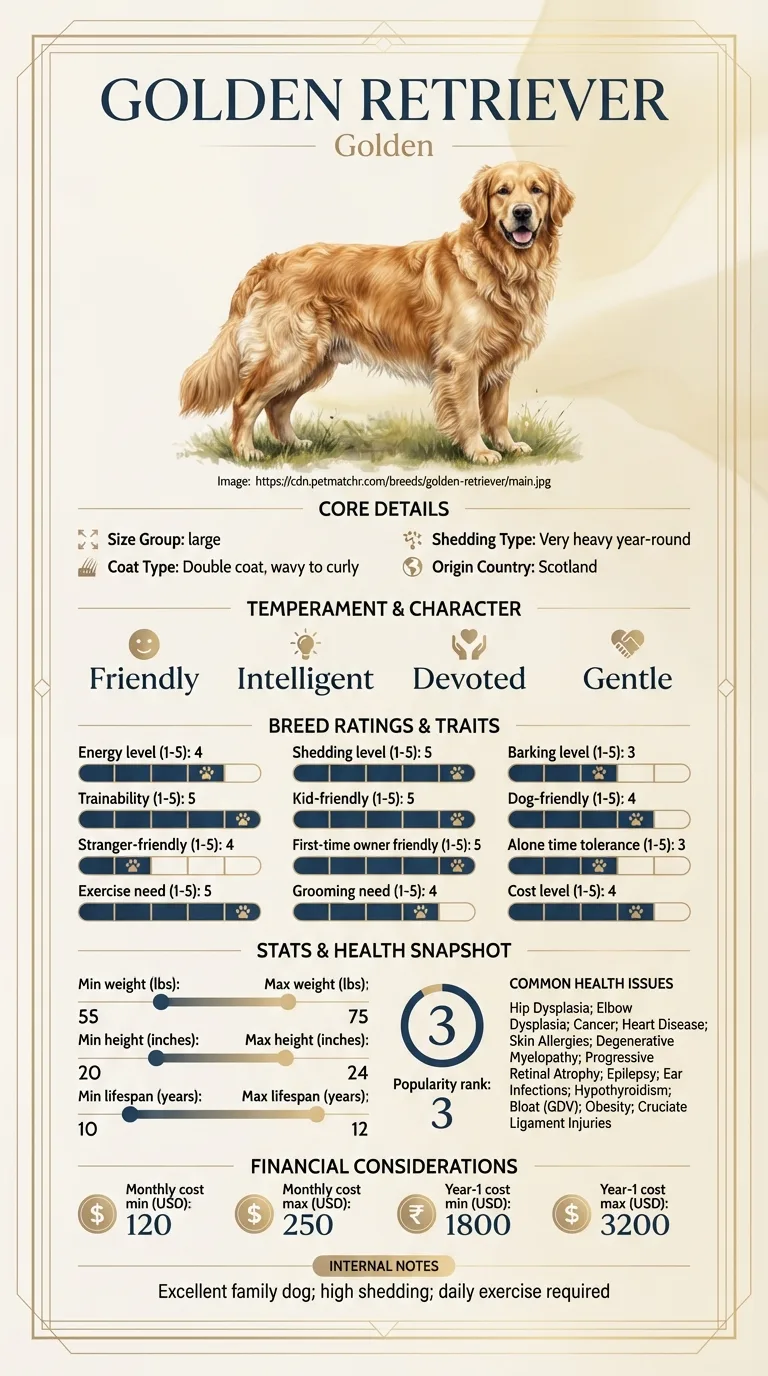
Common health issues linked to genetic load in Golden Retrievers include hip and elbow dysplasia, cancer, heart disease, and skin allergies. Awareness of these issues can help in early detection and management.
Yes, training can significantly help manage behavioral issues that arise due to genetic predispositions. Positive reinforcement techniques can enhance your Golden's behavior and strengthen the bond between you.
If your Golden Retriever shows signs of anxiety, consult a veterinarian for guidance. They may recommend training methods or medications to help manage anxiety effectively.
To ensure you're getting a healthy Golden Retriever, choose a reputable breeder who conducts health screenings for genetic issues. Ask for health clearances and consider adopting from rescue organizations that prioritize health.
If you notice health issues or behavioral problems in your Golden Retriever, it's important to consult a veterinarian. They can help diagnose any underlying genetic conditions and recommend appropriate treatments or interventions.
While you can't completely prevent genetic load, responsible breeding practices can minimize the risk. Choose breeders who conduct health screenings and prioritize genetic health in their breeding programs.
Yes, older Golden Retrievers may show more symptoms related to genetic load as age-related health issues can compound existing genetic problems. Regular vet check-ups are essential to catch and manage these issues early.
Genetic load can contribute to health conditions that may shorten a Golden Retriever's lifespan. By managing their health proactively, including regular vet visits and a healthy lifestyle, you can help increase their quality of life and longevity.
Signs of genetic load can include chronic health issues like hip dysplasia, skin allergies, or behavioral problems. If your Golden exhibits these signs, it’s best to consult with a veterinarian for a thorough evaluation.
Regular vet check-ups, a balanced diet, and consistent exercise are key to managing Golden Retriever genetic load. Early detection of health issues can lead to better outcomes.
Use positive reinforcement training methods to build confidence and reduce anxiety in your Golden Retriever. Consistency and patience are essential for success.
Look for breeders who provide health clearances and prioritize the well-being of their dogs. A good breeder should be willing to discuss genetic testing and health issues.
Daily walks, fetch games, and swimming are great exercises for Golden Retrievers. These activities can help maintain their physical and mental health.
Caring for a Golden Retriever typically costs between $120 and $250 per month. This includes food, vet visits, and other expenses.
A one-page prep sheet for this condition: the signs, the questions to ask, what to get priced. Unlocks here.
You get: Vet visit prep sheet
No spam. One-click unsubscribe. See our privacy policy.
Preview page 1 before you decide.
