Behavior
What are quick tips for Golden Retriever epilepsy?
Keep a seizure log, consult your vet for the best medication, and create a safe space for your dog to recover after seizures.

Quick answer
What are quick tips for Golden Retriever epilepsy?
Keep a seizure log, consult your vet for the best medication, and create a safe space for your dog to recover after seizures.
Golden Retriever epilepsy can be a frightening issue for dog owners. This condition involves recurrent seizures that can disrupt your dog's life and yours.
Many Golden Retriever owners face challenges when their dogs experience seizures. This issue can be particularly stressful for first-time owners or families with children who may not know how to react.
This guide is not medical advice. If your dog shows pain, sudden behavior change, or worsening symptoms, consult a licensed veterinarian.
Some links may be affiliate links. We may earn a commission at no extra cost to you. We only suggest products we believe are helpful for dog owners.
We research and check what we publish, but we do not warrant that any figure, date, price, or statement is accurate, complete, or current, and we accept no liability for any loss, cost, injury, or other harm arising from the use of this site. Use it as one reference among several. You remain responsible for your own decisions and for your dog's care - confirm anything that matters with a licensed veterinarian or another qualified professional before you act on it. Full disclaimer.
Check this first
Recognizing when Golden Retriever epilepsy is an emergency is crucial for your dog's health. If your Golden experiences a seizure that lasts more than five minutes, or if they have multiple seizures in a short time, you need to call your vet immediately. These are red-flag signs that can indicate a serious medical issue requiring immediate attention.
Other signs that warrant an emergency visit include difficulty breathing, severe disorientation, or any unusual behavior following a seizure. If your dog is injured during a seizure or shows signs of pain, do not hesitate to seek veterinary care right away. These situations are critical, and timely intervention can make a significant difference.
On the other hand, if your Golden Retriever has occasional mild seizures that last a short time and they quickly return to normal afterward, you might be able to monitor the situation. Keeping a detailed record of seizure frequency, duration, and any triggers can help you and your vet determine the best course of action. It's important to have a plan in place, but always prioritize your dog's safety and well-being.
If any of these apply, call your vet or an emergency clinic now. The rest of this page is for the cases that are not an emergency.
Golden Retriever epilepsy can manifest as sudden seizures, which may vary in intensity and duration. This condition is often alarming for owners, as it can disrupt daily life and lead to confusion and anxiety for both the dog and its family. Recognizing the signs of epilepsy is crucial so that you can respond quickly and effectively to your dog's needs.
Epilepsy is one of the more common health issues among Golden Retrievers, affecting around 1 in 100 dogs. While not every Golden will experience seizures, it's important for owners to be aware of this potential risk and to seek veterinary advice if seizures occur.
Golden Retrievers are prone to certain genetic conditions, including epilepsy. This breed's history and structure may predispose them to neurological issues, making them more susceptible to seizures.
Environmental factors can also trigger epilepsy in Golden Retrievers. Stress, exposure to toxins, and underlying health conditions can contribute to seizure activity. Keeping a stable and safe environment is crucial.
It's essential to talk to your vet if your Golden Retriever experiences seizures. They can rule out other medical conditions and may recommend medication or further testing to manage epilepsy effectively.
Avoid these common mistakes to help manage your Golden Retriever's epilepsy better.
Start here: Golden Retriever Most Common Genetic Disorders: Screening
See all Golden Retriever health problems, which breeds are prone to epilepsy, or the full Golden Retriever breed guide for temperament, exercise needs and ownership costs.
Managing Golden Retriever epilepsy often takes several months to establish a successful treatment plan. Owners should expect to see gradual improvement in seizure frequency and intensity as medication is adjusted.
Success looks like a noticeable reduction in seizure activity, with fewer and less severe episodes. Owners should also feel confident in their ability to manage their dog's condition and recognize early signs of a seizure.
When Sarah, a busy nurse from Seattle, adopted her Golden Retriever, Maggie, she never anticipated facing the challenge of epilepsy. After a few months, Sarah noticed Maggie having seizures, which left her feeling overwhelmed and scared. With guidance from her vet, Sarah implemented a tailored medication plan and began tracking Maggie's seizures in a journal. After several adjustments, they found the right dosage, and Maggie's seizures became less frequent. Sarah also learned to create a calm environment during episodes, which helped Maggie recover more quickly.
Key takeaway: With patience and the right support, it's possible to manage Golden Retriever epilepsy successfully. Staying organized and working closely with a vet can lead to a better quality of life for both the dog and the owner.
Epilepsy in Golden Retrievers can have various causes, including genetics, brain injuries, or underlying health issues. It's essential to consult your vet for a proper diagnosis and treatment plan tailored to your dog.
Managing Golden Retriever epilepsy typically involves medication prescribed by your vet. Regular check-ups are crucial to monitor your dog's condition and adjust medications as needed.
During a seizure, keep your Golden Retriever safe by moving any nearby objects away. Avoid putting your hands near their mouth, and stay calm. Time the seizure and contact your vet if it lasts longer than five minutes.
Yes, diet can play a role in managing epilepsy. Some owners report improvements with specialized diets, so discussing dietary options with your vet is a good idea.
Signs that may indicate a seizure include sudden twitching, loss of consciousness, or unusual behavior before or after an episode. Keeping a journal of these occurrences can help your vet in managing your dog's condition.
Creating a calm environment can help your Golden Retriever during and after seizures. Use soft bedding and minimize loud noises, ensuring they have a safe space to recover.
While training won’t cure epilepsy, it can help with obedience and managing anxiety. Incorporating positive reinforcement methods can create a more supportive environment for your dog.
Common triggers for seizures in Golden Retrievers can include stress, changes in routine, or exposure to certain toxins. It's crucial to monitor your dog's environment and any potential stressors that may provoke a seizure.
If your Golden Retriever has a seizure lasting more than five minutes or experiences multiple seizures within a short time, it’s essential to seek veterinary help immediately. Other signs of a serious issue can include difficulty breathing or loss of consciousness post-seizure.
Yes, epilepsy can have a genetic component, especially in specific breeds like Golden Retrievers. If you have concerns about your dog's lineage and epilepsy, discussing this with a reputable breeder or vet may provide insights.
Some dog owners find that certain diets or supplements, such as omega-3 fatty acids, can help manage epilepsy symptoms. However, it’s vital to consult with your veterinarian before making any dietary changes or adding supplements.
During a seizure, keep your Golden Retriever safe by moving any nearby objects and ensuring they have a clear space. Stay calm and time the seizure, and avoid placing anything in their mouth; let the seizure naturally run its course before providing comfort afterward.
Keep a seizure log, consult your vet for the best medication, and create a safe space for your dog to recover after seizures.
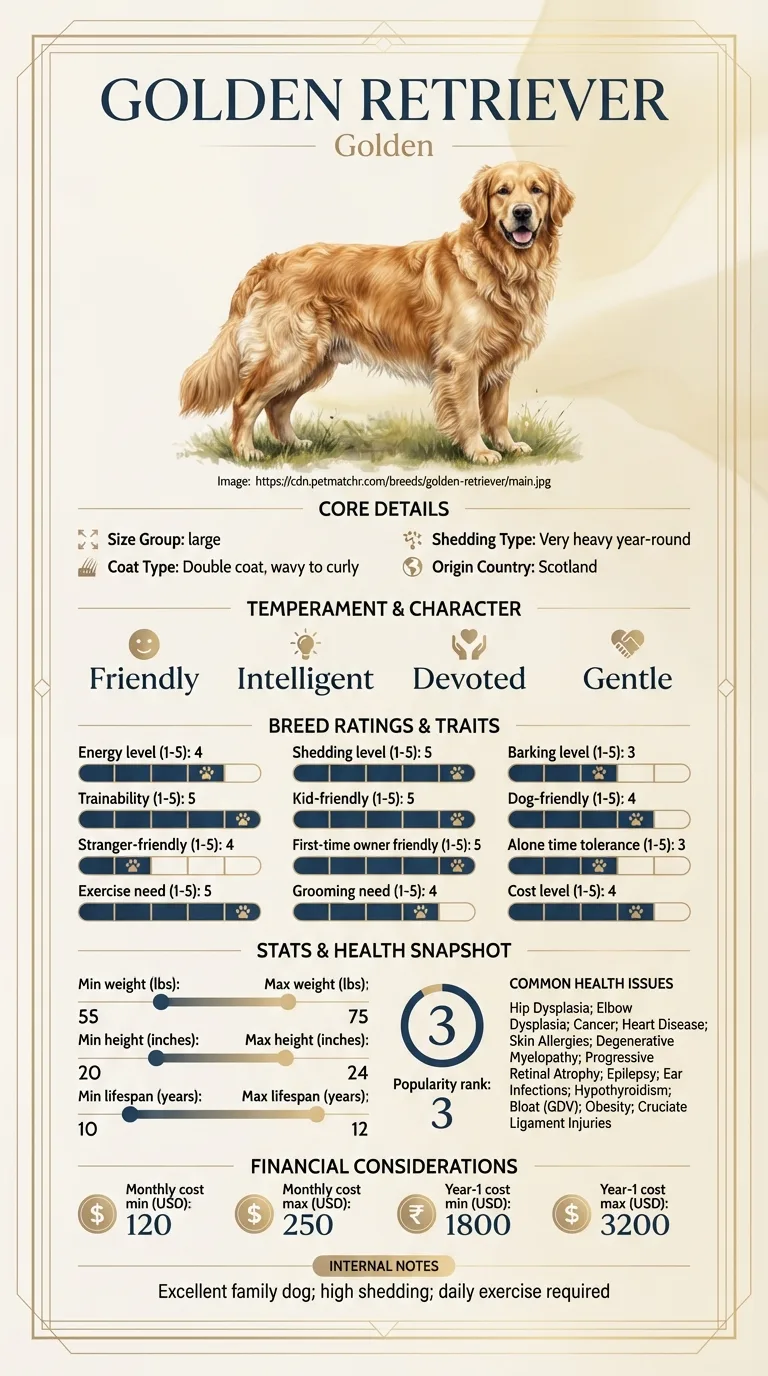
Monthly costs for medication and vet visits can range from $120 to $250. Be prepared for potential additional expenses for emergency care.
Yes, some specialized diets may help manage epilepsy. Consult your vet for recommendations tailored to your dog's needs.
Stay calm, ensure their surroundings are safe, and time the seizure. Contact your vet if it lasts longer than five minutes.
Yes, stress can be a trigger for seizures. Reducing anxiety through training and creating a calm environment is essential.
A one-page prep sheet for this condition: the signs, the questions to ask, what to get priced. Unlocks here.
You get: Vet visit prep sheet
No spam. One-click unsubscribe. See our privacy policy.
Preview page 1 before you decide.