Behavior
What are some quick tips for Golden Retriever elbow dysplasia?
Maintain a healthy weight and provide low-impact exercise options. Regular vet check-ups can help monitor the condition.

Quick answer
What are some quick tips for Golden Retriever elbow dysplasia?
Maintain a healthy weight and provide low-impact exercise options. Regular vet check-ups can help monitor the condition.
Golden Retriever elbow dysplasia is a common joint issue that can greatly affect your dog's quality of life. Understanding it is crucial for your pup's overall health.
Owners of Golden Retrievers often face this issue, especially those with active dogs or those who engage in regular exercise. If you're a first-time dog owner or someone who enjoys outdoor activities with your Golden, understanding elbow dysplasia is vital.
This guide is not medical advice. If your dog shows pain, sudden behavior change, or worsening symptoms, consult a licensed veterinarian.
Some links may be affiliate links. We may earn a commission at no extra cost to you. We only suggest products we believe are helpful for dog owners.
We research and check what we publish, but we do not warrant that any figure, date, price, or statement is accurate, complete, or current, and we accept no liability for any loss, cost, injury, or other harm arising from the use of this site. Use it as one reference among several. You remain responsible for your own decisions and for your dog's care - confirm anything that matters with a licensed veterinarian or another qualified professional before you act on it. Full disclaimer.
Check this first
Red flags for immediate vet visits include severe limping, inability to bear weight on the affected leg, or noticeable swelling around the elbow joint. If your Golden Retriever shows signs of extreme pain or distress, such as yelping when touched, these are also emergencies. These symptoms suggest a possible fracture or severe joint issue that needs urgent attention.
On the other hand, if your dog exhibits mild limping only after exercise or is slightly hesitant to jump but still plays and walks normally, you can monitor these symptoms. Keeping a close eye on their activity level and adjusting exercise accordingly can help manage mild cases. Regular check-ups with your vet can provide additional guidance on care and prevention.
Always trust your instincts as a pet owner. If something feels off, don’t hesitate to reach out to your veterinarian for advice. They can help determine the best course of action.
Remember, it’s better to be safe and get your Golden Retriever checked than to wait and risk worsening their condition.
If any of these apply, call your vet or an emergency clinic now. The rest of this page is for the cases that are not an emergency.
Golden Retriever elbow dysplasia is a common issue that affects the joint formation in a dog's elbows. This condition can cause pain, lameness, and difficulty with movement. Owners may notice their Golden struggling to play or go for walks, especially after exercise or during colder weather.
Elbow dysplasia is quite common in Golden Retrievers, affecting around 10-15% of the breed. This condition is often diagnosed in young adults, but symptoms can appear at any age.
Golden Retrievers are prone to elbow dysplasia due to their genetic makeup. This condition is often hereditary, caused by malformations in the elbow joint that can lead to arthritis and pain. Since Golden Retrievers are a large breed, their growth rate can also impact joint health.
Environmental factors can contribute as well. Over-exercising young Golden Retrievers or allowing them to jump excessively can strain their developing joints. Additionally, obesity can exacerbate joint problems, putting more stress on their elbows.
If your Golden Retriever displays persistent limping, reluctance to exercise, or signs of pain, it's essential to consult your vet. They can provide a proper diagnosis and recommend treatment options, including medication or physical therapy.
Avoiding common pitfalls is key when managing Golden Retriever elbow dysplasia. Here are some mistakes that can exacerbate the issue and safer alternatives to consider.
Start here: Golden Retriever Most Common Genetic Disorders: Screening
See all Golden Retriever health problems, which breeds are prone to elbow dysplasia, or the full Golden Retriever breed guide for temperament, exercise needs and ownership costs.
Managing Golden Retriever elbow dysplasia typically takes several months. With consistent care under your vet's plan, veterinary guidance, and proper care, you may see improvement in your dog's mobility and comfort within 3 to 6 months.
Success means your Golden Retriever shows reduced discomfort, improved mobility, and is able to enjoy daily activities without pain. Regular check-ups with your vet will help ensure your dog stays on the right track.
Sarah, a first-time dog owner in a busy city, adopted Max, her energetic Golden Retriever. Shortly after bringing him home, she noticed he was limping and hesitant to play. After a visit to the vet, Sarah learned that Max had elbow dysplasia. Determined to help him, she followed a treatment plan that included regular vet check-ups, anti-inflammatory medications, and a tailored exercise routine. With patience and dedication, Max's condition improved, and he was soon running around the park again, chasing after balls.
Key takeaway: With the right care and commitment, managing Golden Retriever elbow dysplasia can lead to significant improvements in your dog's quality of life.
Golden Retriever elbow dysplasia is often caused by genetic factors, which means it can run in families. Additionally, environmental factors such as rapid growth, obesity, and excessive exercise during puppyhood can contribute to the problem. It's essential to monitor their weight and activity levels to prevent stress on their joints.
While you can't completely prevent elbow dysplasia, you can manage it through proper care. Focus on maintaining a healthy weight, providing appropriate exercise, and avoiding high-impact activities. Regular vet check-ups can help catch issues early and tailor a treatment plan.
Treatment options range from weight management and physical therapy to medications for pain relief. In severe cases, surgery may be necessary to correct the elbow joint. Always consult your vet for the best plan based on your dog's specific needs.
Training can play a supportive role in managing elbow dysplasia. Teaching your Golden Retriever low-impact commands and tricks can keep them mentally stimulated without stressing their joints. Additionally, obedience training can promote proper behavior during walks and playtime.
Watch for signs like lameness, stiffness after resting, or difficulty climbing stairs. If your Golden Retriever seems reluctant to engage in activities they once enjoyed, it could indicate discomfort. Prompt veterinary attention is crucial for addressing any concerns.
Elbow dysplasia can lead to chronic pain and mobility issues, affecting your dog's overall quality of life. However, with proper management, many dogs can continue to enjoy a good quality of life. Your vet can provide guidance on pain management and lifestyle adjustments.
Yes, elbow dysplasia can be hereditary in Golden Retrievers. Genetics play a significant role in this condition, especially in breeds prone to joint issues. Responsible breeding practices can help reduce the incidence of elbow dysplasia in future generations.
Treatment options for Golden Retriever elbow dysplasia may include weight management, physical therapy, and anti-inflammatory medications. In severe cases, surgery might be recommended to correct the joint malformation. A veterinarian can help determine the best course of action based on your dog's specific needs.
While you can't completely prevent elbow dysplasia, you can reduce the risk by maintaining a healthy weight, providing proper exercise, and avoiding excessive strain on their joints during growth. Regular vet check-ups and following a balanced diet are also key to your dog's overall joint health.
Surgery for Golden Retriever elbow dysplasia is typically considered when conservative treatments fail to relieve pain or improve mobility. If your dog experiences severe symptoms or has difficulty performing daily activities, it's time to discuss surgical options with your veterinarian.
Maintain a healthy weight and provide low-impact exercise options. Regular vet check-ups can help monitor the condition.
Not always; many cases can be managed with weight control and medication. Surgery is typically a last resort for severe cases.
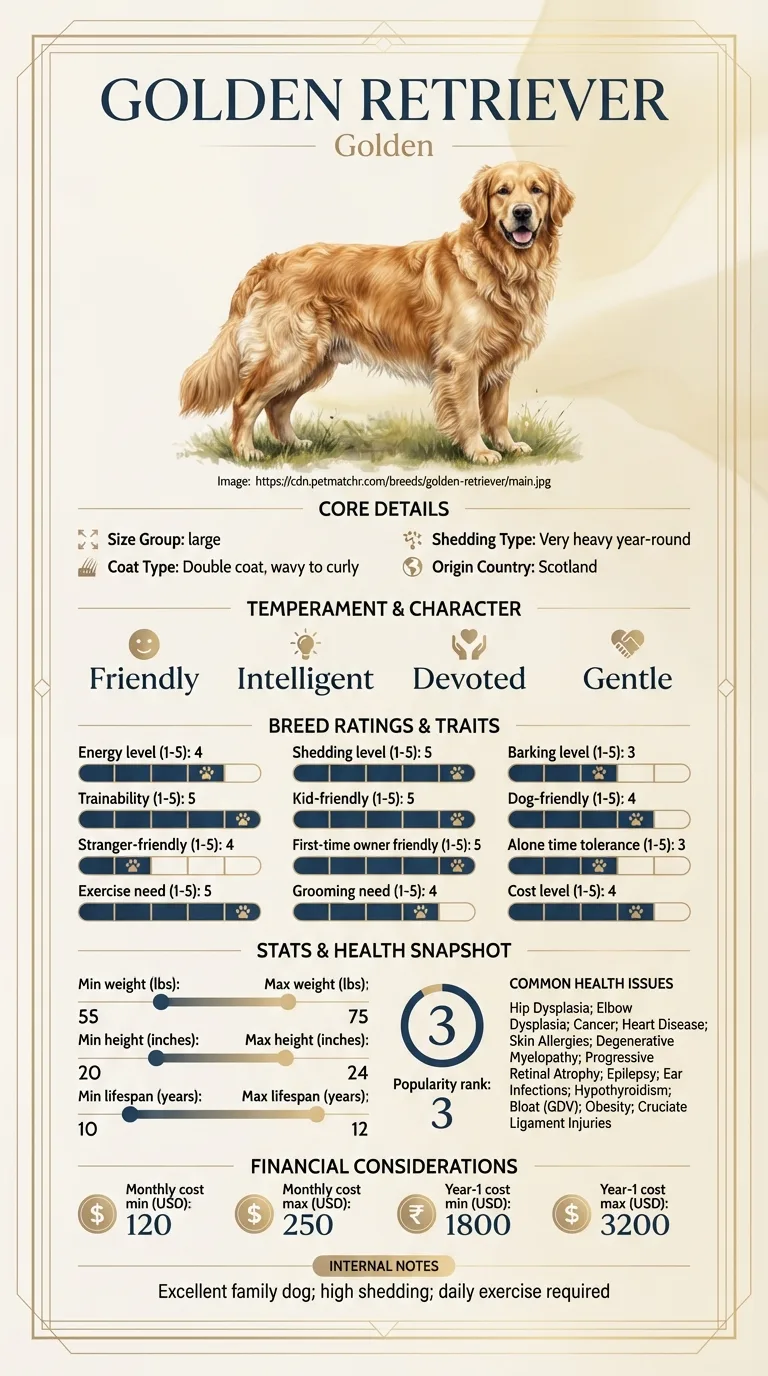
Treatment costs can vary widely, generally ranging from $120 to $250 monthly, depending on the severity and type of care needed.
Yes, physical therapy can improve mobility and reduce pain. A certified canine therapist can create a tailored program for your dog.
A one-page prep sheet for this condition: the signs, the questions to ask, what to get priced. Unlocks here.
You get: Vet visit prep sheet
No spam. One-click unsubscribe. See our privacy policy.
Preview page 1 before you decide.