DogBreedCompass
← Back to breed profile

Golden Retriever Chronic Active Hepatitis: What You Need to Know

Golden Retriever chronic active hepatitis is a serious liver condition that can affect your dog's health and happiness.

Golden Retriever Chronic Active Hepatitis: What You Need to Know infographic

Typical owners facing this issue are often first-time dog parents or busy families who may not be fully aware of their Golden's health needs. They may notice symptoms but feel overwhelmed or unsure about the next steps.

Important reminder

This guide is not medical advice. If your dog shows pain, sudden behavior change, or worsening symptoms, consult a licensed veterinarian.

Some links may be affiliate links. We may earn a commission at no extra cost to you. We only suggest products we believe are helpful for dog owners.

What this problem looks like

Golden Retriever chronic active hepatitis is a serious liver disease that can affect your dog's day-to-day life. Symptoms may include lethargy, loss of appetite, vomiting, and jaundice. It's crucial to recognize these signs early to provide the right care and treatment.

Common triggers

  • Genetic predisposition
  • Environmental factors
  • Poor diet
  • Infections or toxins

Chronic active hepatitis is not the most common issue for Golden Retrievers, but it can occur, especially in older dogs. Regular vet check-ups can help catch liver issues early.

Why this happens

Breed factors

Golden Retrievers are genetically predisposed to certain health issues, including liver diseases like chronic active hepatitis. Their larger size and high energy levels can also contribute to stress on their liver, especially if they are overactive or not given a balanced diet.

Environment factors

Environmental factors such as diet, exposure to toxins, and lack of regular vet check-ups play a significant role in the onset of chronic active hepatitis. Stressful living conditions or insufficient exercise can exacerbate liver problems, leading to this serious condition.

What you can try

At-home strategies

  • Provide a balanced diet that is low in fat and high in quality proteins. Consult with your vet for specific dietary recommendations.
  • Ensure your Golden Retriever gets regular, moderate exercise. Aim for at least an hour a day to keep them healthy without overexerting their liver.
  • Monitor your dog’s behavior for any signs of distress or discomfort, such as lethargy or jaundice. Keeping a diary can help you track symptoms over time.

When to consider a trainer

If your Golden Retriever is showing signs of anxiety or stress-related behaviors, a professional trainer can help you create a stable environment. Training can also help with obedience, which is crucial for managing their behavior if health issues arise.

When to talk to your vet

If you suspect your dog has symptoms of chronic active hepatitis, like vomiting, weight loss, or yellowing of the skin, contact your vet immediately. Regular check-ups are essential, especially if your dog has a history of liver issues or is a senior.

Realistic expectations

Managing Golden Retriever chronic active hepatitis can take several months to years. Regular vet visits and consistent care are essential.

Success means improved liver function and a better quality of life for your Golden. This may include reduced symptoms and an active lifestyle.

Mistakes that make this worse

Understanding common mistakes can help you manage your Golden Retriever's chronic active hepatitis better. Here are some behaviors to avoid.

  • Ignoring vet visits
  • Inconsistent medication
  • Feeding unhealthy snacks
  • Overexertion during play
  • Neglecting hydration
  • Not tracking symptoms

When Golden Retriever Chronic Active Hepatitis is an Emergency

Knowing when to act quickly with Golden Retriever chronic active hepatitis is crucial. Certain signs indicate an emergency that requires immediate veterinary attention. These include severe vomiting, persistent diarrhea, jaundice (yellowing of the eyes or skin), seizures, or loss of consciousness.

If you notice any of these symptoms, don’t wait—call your vet right away.

On the other hand, there are less severe symptoms that can often be monitored. If your dog shows mild lethargy, decreased appetite, or occasional vomiting, you might not need to rush to the vet. Instead, observe your Golden Retriever for a few days while keeping a close eye on their behavior and health.

A plan for monitoring might include keeping a diary of your dog’s symptoms, noting any changes in their eating habits or energy levels. If symptoms worsen, reach out to your vet for guidance. Always trust your instincts; if you feel something is wrong, it’s better to be safe than sorry.

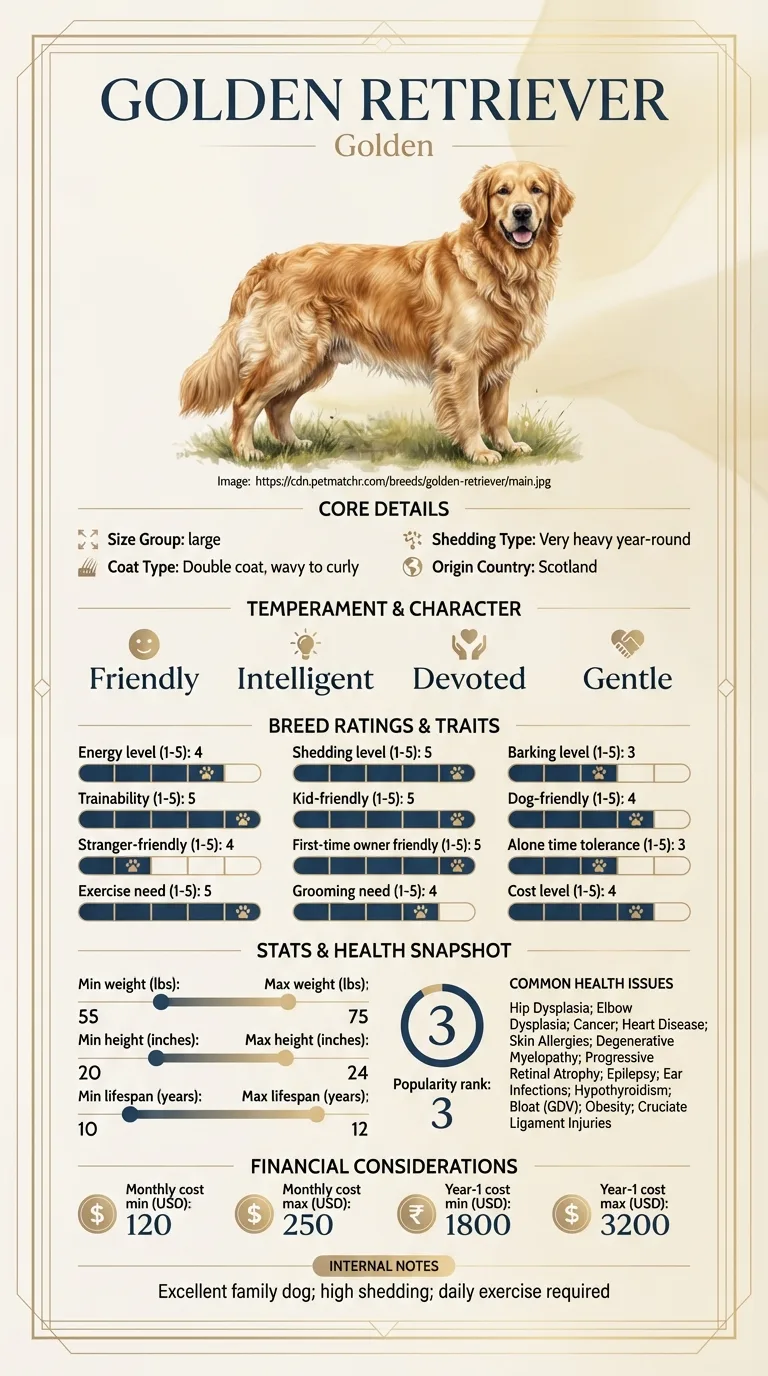
Golden Retriever Chronic Active Hepatitis: What You Need to Know - When Golden Retriever Chronic Active Hepatitis is an Emergency

Maggie's Journey with Chronic Active Hepatitis

When Sarah adopted Maggie, her Golden Retriever, she had no idea about the health challenges ahead. After a few months, Maggie started showing signs of fatigue and weight loss. A vet visit revealed chronic active hepatitis, leaving Sarah overwhelmed. Determined to help, she made dietary changes, incorporated supplements, and followed a strict medication schedule. Over time, Maggie regained her energy and joy, and their bond deepened through the journey.

Key takeaway: Understanding and managing chronic conditions like Golden Retriever chronic active hepatitis requires patience and commitment. With the right care, your dog can lead a happy life.

Frequently asked questions

Why does my Golden Retriever have chronic active hepatitis?

Chronic active hepatitis in Golden Retrievers can be caused by several factors, including autoimmune issues, infections, or exposure to certain toxins. Genetics may also play a role, as some breeds are more predisposed to liver diseases. It's important to consult your vet for an accurate diagnosis and treatment plan.

How can I manage my Golden Retriever's chronic active hepatitis?

Managing chronic active hepatitis often involves a combination of medication, a specialized diet, and regular vet check-ups. Your vet may recommend a diet low in copper and high in antioxidants to support liver health. It’s crucial to monitor your dog's symptoms and adjust their care as needed.

What are the symptoms of chronic active hepatitis in Golden Retrievers?

Symptoms can include loss of appetite, vomiting, diarrhea, jaundice, and lethargy. Some dogs may also experience increased thirst and urination. If you notice any of these signs, contact your vet promptly for evaluation.

Is chronic active hepatitis treatable in Golden Retrievers?

While chronic active hepatitis is a serious condition, it can often be managed with proper veterinary care. Treatment may involve medications to reduce inflammation and dietary changes to support liver function. Early detection and ongoing management are key to improving your dog's quality of life.

Can I prevent chronic active hepatitis in my Golden Retriever?

While you can't completely prevent chronic active hepatitis, you can reduce risks by providing regular vet check-ups and maintaining a healthy diet and lifestyle for your dog. Avoid exposing your Golden Retriever to toxins and ensure they receive routine vaccinations and parasite control.

What is the long-term outlook for Golden Retrievers with chronic active hepatitis?

The long-term outlook varies depending on the severity of the disease and how well it's managed. With proper care, many dogs can maintain a good quality of life. Regular monitoring and following your vet's recommendations are essential for managing this condition.

What are the early signs of Golden Retriever chronic active hepatitis?

Early signs of Golden Retriever chronic active hepatitis include lethargy, loss of appetite, and jaundice. You may also notice increased thirst and urination. If you observe these symptoms, it's crucial to consult your vet promptly.

Can chronic active hepatitis be managed in older Golden Retrievers?

Yes, chronic active hepatitis can be managed in older Golden Retrievers with a proper diet and medication. Regular vet check-ups will help monitor their liver function and adjust treatment as needed. Always work closely with your veterinarian for the best outcomes.

Does diet affect Golden Retriever chronic active hepatitis?

Absolutely! A balanced, liver-friendly diet can significantly impact your Golden Retriever's health. Foods that are low in fat and high in essential nutrients are recommended, so talk to your vet about the best diet plan for your dog.

How can I tell if my Golden Retriever's chronic active hepatitis is worsening?

Look for changes in your dog's behavior, such as increased lethargy, vomiting, or changes in appetite. If you notice any of these signs, contact your vet immediately. Regular monitoring and communication with your vet are key to managing this condition.

What are some common treatments for Golden Retriever chronic active hepatitis?

Common treatments for Golden Retriever chronic active hepatitis may include medications to reduce inflammation and dietary changes. In some cases, supplements to support liver function are also recommended. Always follow your vet's advice for the best treatment plan.

Quick answers

View more answers
Health

What are quick tips for managing Golden Retriever chronic active hepatitis?

Ensure your dog has a balanced, low-copper diet and keep up with vet visits for monitoring. Medications may be necessary to manage inflammation and support liver health.

Costs

How much does treatment for chronic active hepatitis cost?

Annual treatment costs for chronic active hepatitis can range from $500 to $2,500, depending on the severity and required care.

Living

Can my Golden Retriever still exercise with chronic active hepatitis?

Yes, but exercise should be moderate and adjusted based on your dog's energy levels and symptoms. Consult your vet for tailored exercise recommendations.

Health

What signs indicate a worsening condition in my Golden Retriever?

Look for increased lethargy, vomiting, or jaundice as signs of worsening health. Contact your vet if these symptoms occur.

Related DogBreedCompass guides

  • Golden Retriever chronic active hepatitis trainingLearn about the signs and symptoms of this serious health issue.
  • Golden Retriever behavior problemsExplore preventive care and management for liver-related issues.
  • Golden Retriever separation anxiety guideFind out how to help your Golden Retriever cope with stress and anxiety.
  • Golden Retriever cost breakdownUnderstand the costs associated with caring for a Golden Retriever.
  • Golden Retriever common health issuesDiscover the common health issues faced by Golden Retrievers.

Related guides
