Behavior
What are quick tips for managing Golden Retriever brachycephalic airway syndrome (boas)?
Ensure your Golden Retriever stays cool, avoid strenuous activities in heat, and consult your vet for regular check-ups.

Quick answer
What are quick tips for managing Golden Retriever brachycephalic airway syndrome (boas)?
Ensure your Golden Retriever stays cool, avoid strenuous activities in heat, and consult your vet for regular check-ups.
Golden Retriever brachycephalic airway syndrome (BOAS) can lead to serious breathing difficulties, particularly in hot weather.
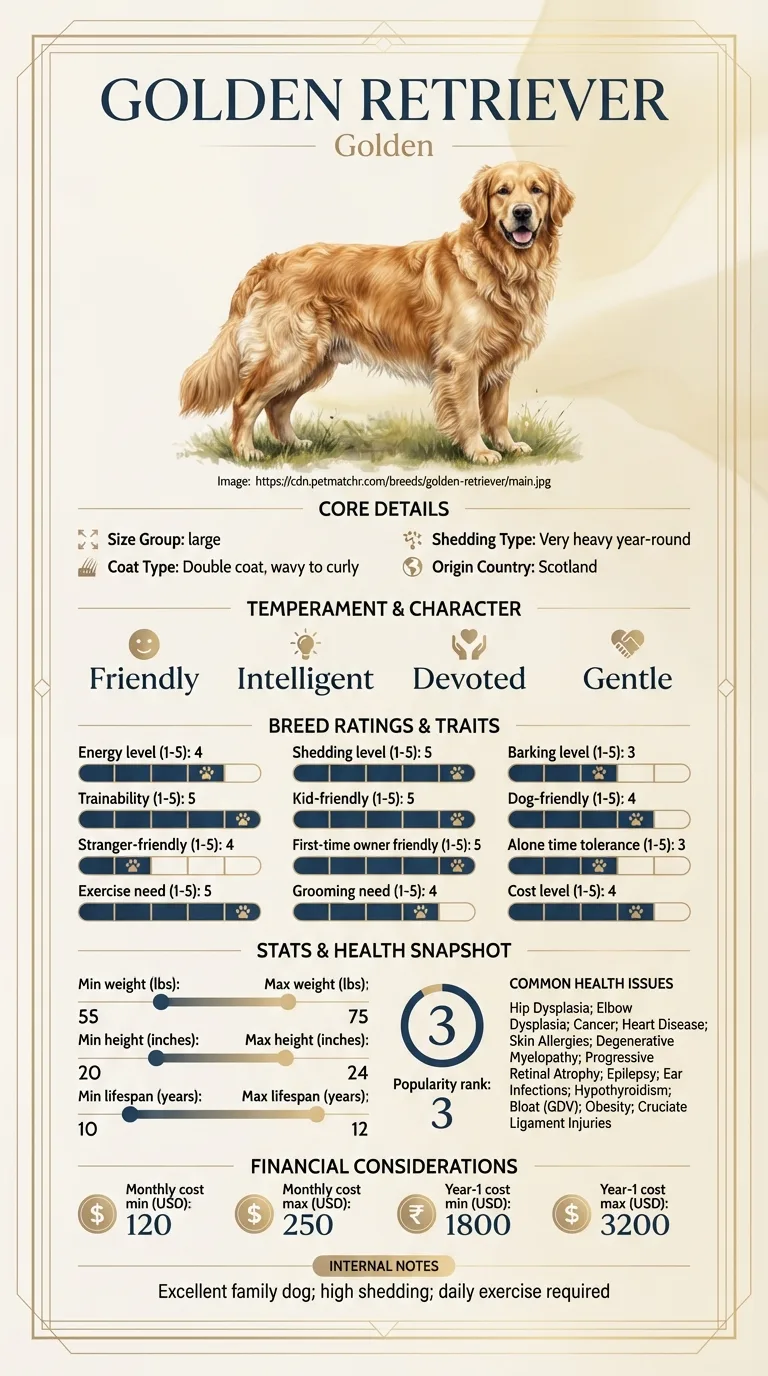
Owners of Golden Retrievers, especially those in warmer climates or those who are active, often face challenges managing this syndrome. New dog owners may feel overwhelmed, especially when their dog exhibits symptoms like excessive panting or difficulty exercising.
This guide is not medical advice. If your dog shows pain, sudden behavior change, or worsening symptoms, consult a licensed veterinarian.
Some links may be affiliate links. We may earn a commission at no extra cost to you. We only suggest products we believe are helpful for dog owners.
We research and check what we publish, but we do not warrant that any figure, date, price, or statement is accurate, complete, or current, and we accept no liability for any loss, cost, injury, or other harm arising from the use of this site. Use it as one reference among several. You remain responsible for your own decisions and for your dog's care - confirm anything that matters with a licensed veterinarian or another qualified professional before you act on it. Full disclaimer.
Check this first
Red-flag signs that mean you should call your vet immediately include: persistent heavy breathing, excessive panting even at rest, blue-tinged gums, or lethargy. If your Golden is experiencing these symptoms, don’t wait—seek help right away.
On the other hand, if your dog shows mild signs such as occasional snorting, slight difficulty breathing after exercise, or sleeping in unusual positions, you may monitor them at home. Establish a plan that includes keeping your Golden cool and avoiding strenuous activity during hot weather. Always keep your vet informed about any changes in your dog's condition.
It's also important to recognize that dogs with BOAS may struggle more in stressful situations or during exercise. If you notice changes in behavior or increased breathing difficulty during these times, consider reaching out to your vet for advice on how to manage these episodes more effectively.
If any of these apply, call your vet or an emergency clinic now. The rest of this page is for the cases that are not an emergency.
Golden Retriever brachycephalic airway syndrome (boas) causes breathing difficulties, especially in hot weather or during exercise. This condition can lead to snoring, wheezing, and excessive panting. Owners often notice their Golden struggling to catch their breath after light activity, which can be concerning.
While Golden Retrievers are not typically classified as brachycephalic breeds, some may still experience symptoms of BOAS. This condition is becoming more recognized among the breed, particularly in individuals with certain physical traits, making awareness important for owners.
Golden Retrievers are not typically classified as brachycephalic breeds. However, some may have facial structures that lead to airflow issues. Genetic predispositions in specific lines can result in breathing difficulties, especially under stress or heat.
Environmental factors can also contribute to Golden Retriever brachycephalic airway syndrome (boas). Higher temperatures, humidity, and allergens can exacerbate breathing issues. Additionally, lack of exercise or obesity can worsen these problems, making it harder for your dog to breathe.
If your dog exhibits severe breathing difficulties or shows signs of distress, consult your vet immediately. They can assess the severity of the condition and recommend treatments, which may include medication or, in rare cases, surgery.
Addressing Golden Retriever brachycephalic airway syndrome (BOAS) can be challenging. Here are common mistakes that owners make, along with safer alternatives to help improve your dog's situation.
Start here: Golden Retriever Most Common Genetic Disorders: Screening
See all Golden Retriever health problems, which breeds are prone to brachycephalic airway syndrome boas, or the full Golden Retriever breed guide for temperament, exercise needs and ownership costs.
Addressing Golden Retriever brachycephalic airway syndrome can take several weeks to months, depending on the severity of the condition. Regular care and management are crucial.
Success means your Golden can breathe easier and enjoy activities without excessive panting. A positive change in their energy levels and comfort during walks is a key indicator.
The Johnson family, who have a Golden Retriever named Max, noticed that he often struggled to breathe, especially during walks. They consulted their vet and learned about brachycephalic airway syndrome. With a mix of training, gradual exercise adjustments, and temperature management, they created a comfortable routine for Max. Over time, they saw him become more energetic and playful, enjoying their family outings much more.
Key takeaway: Early identification and management of Golden Retriever brachycephalic airway syndrome can lead to a happier, healthier dog.
Brachycephalic airway syndrome (boas) can occur in Golden Retrievers due to their physical traits. Some individuals may be predisposed to this condition due to genetics and their facial structure. Look for signs like snoring, difficulty breathing, or overheating, especially in hot weather.
To help your Golden Retriever, ensure they have a cool environment and avoid strenuous exercise in heat. Regular vet check-ups can help monitor their breathing and overall health. Training your dog to take calm, controlled walks can also reduce stress on their airway.
Signs of boas include loud snoring, difficulty breathing, excessive panting, and coughing. You may also notice your Golden Retriever struggling to exercise or becoming lethargic. If you see these signs, consult your vet for advice.
Yes, treatment options for boas include lifestyle adjustments and, in severe cases, surgical interventions. Your vet may recommend surgery to open airways if the condition is serious. Early intervention can lead to better outcomes.
To improve breathing, keep your Golden Retriever calm and avoid exercising during hot days. Ensure they maintain a healthy weight to reduce pressure on their airways. Regular vet visits can help manage any ongoing issues.
Brachycephalic airway syndrome can significantly impact your Golden Retriever's quality of life by causing discomfort and limiting physical activity. It can also lead to serious health issues if not managed properly. With the right care and adjustments, many dogs can live happily despite this condition.
Yes, older Golden Retrievers can develop brachycephalic airway syndrome (boas) even if they didn't show symptoms when younger. As they age, their airways can become more obstructed, leading to increased breathing difficulties.
Brachycephalic airway syndrome (boas) can have a hereditary component in Golden Retrievers. Breeding practices can influence the likelihood of this condition, so it's essential to choose reputable breeders who prioritize health.
If your Golden Retriever is diagnosed with brachycephalic airway syndrome (boas), work closely with your vet to create a management plan. This may include lifestyle changes, training techniques, and possibly surgery to improve their breathing.
Ensure your Golden Retriever stays cool, avoid strenuous activities in heat, and consult your vet for regular check-ups.
Look for snoring, difficulty breathing, excessive panting, and lethargy, especially during hot weather.
Yes, training can help your dog learn calm behaviors and controlled walking to reduce stress on their airways.
A one-page prep sheet for this condition: the signs, the questions to ask, what to get priced. Unlocks here.
You get: Vet visit prep sheet
No spam. One-click unsubscribe. See our privacy policy.
Preview page 1 before you decide.
