German Wirehaired Pointer Heat Sensitivity: What You Need to Know
German Wirehaired Pointer heat sensitivity can be a serious concern for owners. This breed struggles to tolerate heat well, making them vulnerable to heatstroke.
Owners of German Wirehaired Pointers, especially those living in warmer climates, often face challenges managing their dog's heat sensitivity. First-time dog owners may find this particularly daunting, as they may not yet fully understand their pet's needs.
Important reminder
This guide is not medical advice. If your dog shows pain, sudden behavior change, or worsening symptoms, consult a licensed veterinarian.
Some links may be affiliate links. We may earn a commission at no extra cost to you. We only suggest products we believe are helpful for dog owners.
What this problem looks like
German Wirehaired Pointers are known for their energetic and alert nature, but they can struggle with heat sensitivity. This means they may become uncomfortable or even distressed in hot weather, leading to potential heatstroke. Owners often notice their GWP panting excessively, seeking shade, or refusing to exercise in high temperatures.
Common triggers
High outdoor temperatures
Humidity
Strenuous exercise during hot weather
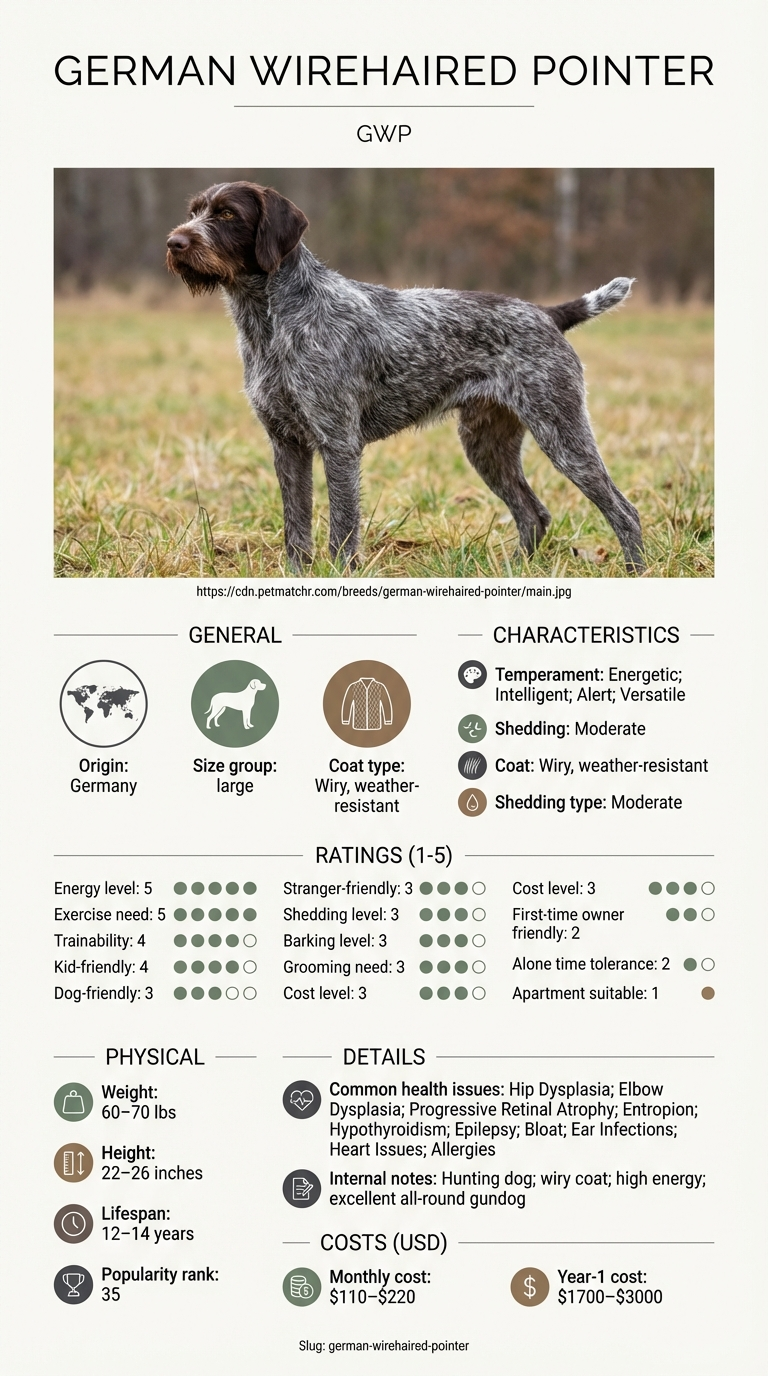
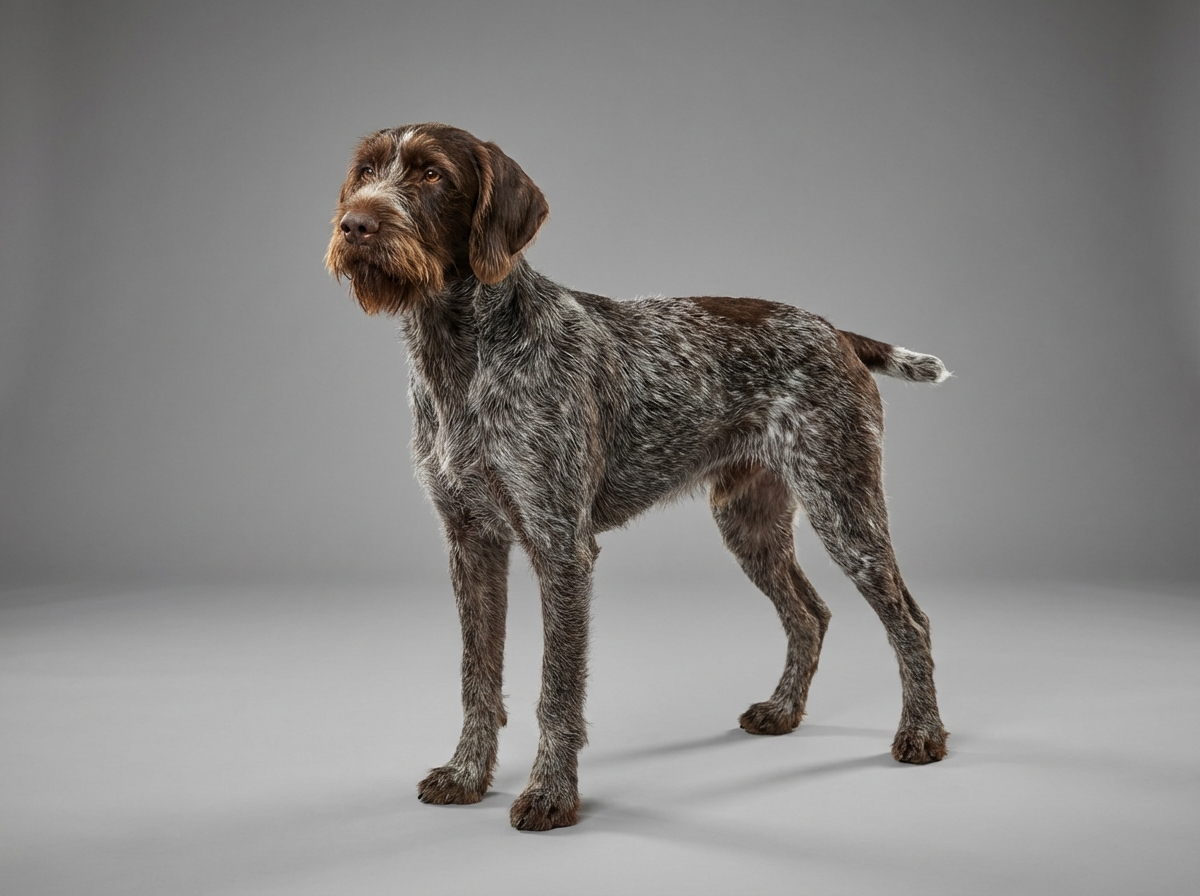
Heat sensitivity is quite common among German Wirehaired Pointers. Their wiry coat, while weather-resistant, can trap heat, making them more susceptible to heat-related issues. This is especially true for active individuals who require regular outdoor activities.
Why this happens
Breed factors
German Wirehaired Pointers (GWPs) are large, energetic dogs with wiry coats. While their coats are weather-resistant, they can still struggle with heat sensitivity. Their high energy levels mean they often need to be active, but this can lead to overheating if not managed properly.
Environment factors
Heat sensitivity can also be influenced by the environment. Dogs that are kept indoors without proper ventilation or those that are exercised during the hottest parts of the day may be more prone to overheating. Additionally, inadequate access to shade and water can further exacerbate heat sensitivity.
What you can try
At-home strategies
Keep your GWP indoors during peak heat hours, typically between 10 AM and 4 PM.
Provide plenty of fresh water and ensure they have access to cool, shaded areas outdoors.
Utilize cooling mats or vests designed for dogs to help regulate their body temperature.
Monitor your dog closely for signs of overheating, such as excessive panting, drooling, or lethargy.
When to consider a trainer
If your GWP continuously struggles with heat sensitivity, consider consulting a professional dog trainer. They can help adjust your dog's exercise routine and train them to recognize when it's too hot to play.
When to talk to your vet
Consult your vet if your GWP shows severe signs of heat sensitivity, such as vomiting, confusion, or difficulty breathing. These can be signs of heatstroke, which requires immediate medical attention.
Realistic expectations
You can expect to see improvements in your German Wirehaired Pointer's heat sensitivity within 3 to 6 months of consistent training and management.
Success means your dog is more comfortable in warmer temperatures, can enjoy outdoor activities without distress, and shows fewer signs of overheating, like excessive panting or lethargy.
Mistakes that make this worse
Here are some common mistakes that can worsen your German Wirehaired Pointer's heat sensitivity. Avoiding these can help ensure your dog stays comfortable and safe.
Ignoring hydration: Not providing enough water can lead to dehydration. Always ensure your GWP has access to fresh water, especially in warm weather.
Exercising during peak heat: Taking your dog for walks during the hottest part of the day can be dangerous. Opt for early morning or late evening strolls instead.
Using restrictive clothing: Putting your dog in heavy or tight clothing can trap heat. Stick to lightweight, breathable fabrics when necessary.
Forgetting to monitor symptoms: Not paying attention to signs of overheating can be risky. Learn to recognize symptoms like excessive panting or lethargy.
Neglecting shade and cooling: Leaving your dog outside without shade or cooling options can lead to heat stress. Create shaded areas or provide cooling mats for outdoor time.
Overlooking proper grooming: A matted or dirty coat can trap heat. Regular grooming helps maintain a healthy coat and keeps your dog cooler.
Not adjusting activities: Continuing with high-energy activities in warm weather can be harmful. Scale back on exercise when temperatures rise.
When German Wirehaired Pointer Heat Sensitivity is an Emergency
Heat sensitivity in your German Wirehaired Pointer can range from mild discomfort to serious health risks. It's crucial to recognize when to act quickly and when you can monitor the situation. If your dog shows signs of severe heat stress, such as excessive panting, weakness, or confusion, it's time to call your vet immediately.
Look for these red flags: if your dog collapses or has trouble breathing, these are clear signs of heat exhaustion or heatstroke. You should also be concerned if your dog’s gums turn pale or bright red. These symptoms require urgent veterinary attention.
On the other hand, if your German Wirehaired Pointer is simply showing mild signs of heat sensitivity, like drooling or seeking shade, you can take steps at home. Ensure your dog has access to fresh water and a cool place to rest. Monitor their behavior closely, and if things don’t improve, consult your vet. Remember, staying informed about your dog's heat sensitivity can help prevent emergencies.
German Wirehaired Pointer Heat Sensitivity: What You Need to Know - When German Wirehaired Pointer Heat Sensitivity is an Emergency
A Summer of Change for Max the GWP
Sarah, a busy nurse in Phoenix, noticed her German Wirehaired Pointer, Max, struggled during the hot summer months. He would refuse to go outside and seemed anxious when temperatures soared. Determined to help him, Sarah researched German Wirehaired Pointer heat sensitivity and began implementing gradual acclimatization techniques. She planned early morning walks and invested in cooling vests. After several weeks, Max became more active during the day and even started enjoying playtime in the yard. By the end of summer, he was happily participating in outdoor activities again.
Key takeaway: With patience and the right strategies, managing heat sensitivity in your German Wirehaired Pointer can lead to a happier, more active dog.
Frequently asked questions
Why does my German Wirehaired Pointer have heat sensitivity?
German Wirehaired Pointers are large, active dogs that can struggle in high temperatures. Their wiry coat, while weather-resistant, may not provide enough cooling in hot weather. It's crucial to monitor their behavior and provide plenty of water and shade. This answer relates to German Wirehaired Pointer heat sensitivity.
How can I help my German Wirehaired Pointer with heat sensitivity?
To help your German Wirehaired Pointer, ensure they have access to cool areas during hot days. Limit exercise to cooler parts of the day, like early morning or late evening. Keep them hydrated and consider dog cooling products like vests or mats.
What are the signs of heat sensitivity in my German Wirehaired Pointer?
Signs of heat sensitivity include excessive panting, drooling, lethargy, or difficulty standing. If you notice these symptoms, take immediate action to cool them down. In severe cases, heatstroke can occur, which requires urgent veterinary care.
Can heat sensitivity lead to serious health issues?
Yes, heat sensitivity can lead to serious health issues like heatstroke, which can be life-threatening. It's important to recognize the signs early and act quickly to cool them down. Regular vet check-ups can help monitor their overall health.
What training can help manage my German Wirehaired Pointer's heat sensitivity?
Training your German Wirehaired Pointer to recognize cooler areas and encouraging them to rest can be beneficial. Use positive reinforcement to reward them for seeking shade or returning indoors. Consistency during training is key.
What are the signs of heat sensitivity in my German Wirehaired Pointer?
Common signs of heat sensitivity include excessive panting, lethargy, drooling, and difficulty breathing. If your GWP is showing these signs, it's important to move them to a cooler area immediately.
How can I help my German Wirehaired Pointer during hot weather?
Keep your GWP hydrated and provide plenty of shade. Avoid strenuous activities during peak heat hours, and consider using cooling mats or vests to help regulate their temperature.
Is heat sensitivity more common in older German Wirehaired Pointers?
Yes, older GWPs may be more prone to heat sensitivity due to decreased physical resilience. It's essential to monitor their temperature and adjust routines to keep them comfortable.
What should I do if my German Wirehaired Pointer shows signs of heatstroke?
If you suspect heatstroke, cool your dog down gradually with cool (not cold) water and contact your vet immediately. Signs include excessive panting, vomiting, and confusion.
Can training help reduce my German Wirehaired Pointer's heat sensitivity?
While training won't eliminate heat sensitivity, it can help your GWP learn to seek shade and water when necessary. Regular exposure to hot conditions should be avoided to protect their health.
What are some quick tips for managing heat sensitivity in German Wirehaired Pointers?
Keep your German Wirehaired Pointer hydrated and provide shady spots to rest. Limit outdoor activities during peak heat and consider using cooling tools like vests or mats.
Health
How can I tell if my German Wirehaired Pointer is overheating?
Look for signs like excessive panting, drooling, or weakness. If your dog shows these symptoms, move them to a cooler area immediately.
Living
Is it safe to take my German Wirehaired Pointer for walks in hot weather?
It's best to avoid walks during peak heat hours. Opt for early mornings or evenings when temperatures are cooler.
Health
What should I do if my German Wirehaired Pointer shows signs of heatstroke?
If you suspect heatstroke, cool your dog down with water or wet towels and seek veterinary help immediately. Time is critical.
Related DogBreedCompass guides
why does my German Wirehaired Pointer have heat sensitivity – Understanding the root causes of heat sensitivity can help you manage your German Wirehaired Pointer's needs more effectively.
German Wirehaired Pointer heat sensitivity training – Training can help alleviate some behavior issues related to heat sensitivity, leading to a happier dog.
German Wirehaired Pointer behavior problems – Explore common behavior problems in German Wirehaired Pointers to see if heat sensitivity is linked to other issues.
German Wirehaired Pointer cost breakdown – Learn about the costs associated with owning a German Wirehaired Pointer to better prepare for their needs.
German Wirehaired Pointer separation anxiety guide – Separation anxiety can exacerbate heat sensitivity, making it important to address both issues together.