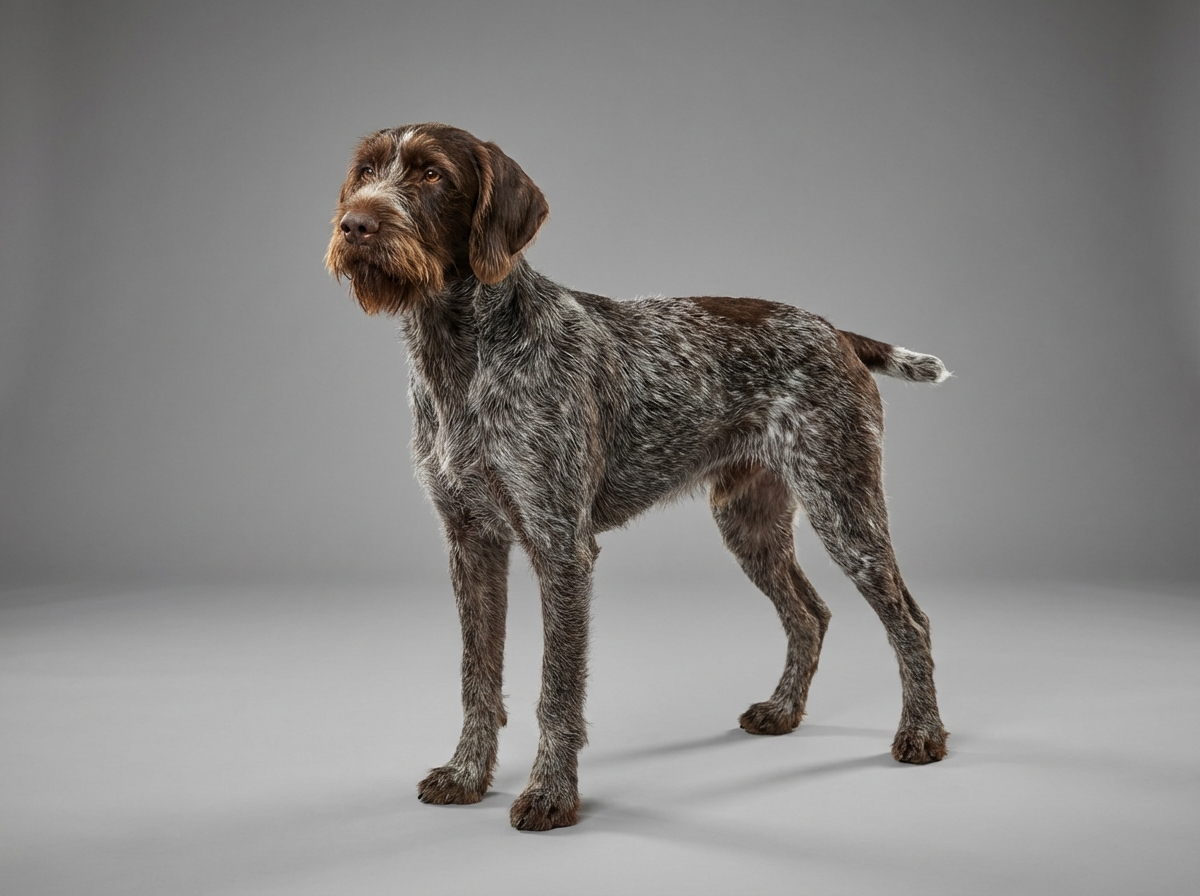
Living
How much exercise does a German Wirehaired Pointer need?
A German Wirehaired Pointer requires at least 60 minutes of exercise daily to maintain a healthy weight and energy levels.

Quick answer
How much exercise does a German Wirehaired Pointer need?
A German Wirehaired Pointer requires at least 60 minutes of exercise daily to maintain a healthy weight and energy levels.
The German Wirehaired Pointer is at risk for obesity due to genetic factors. This can lead to serious health issues if not managed properly.
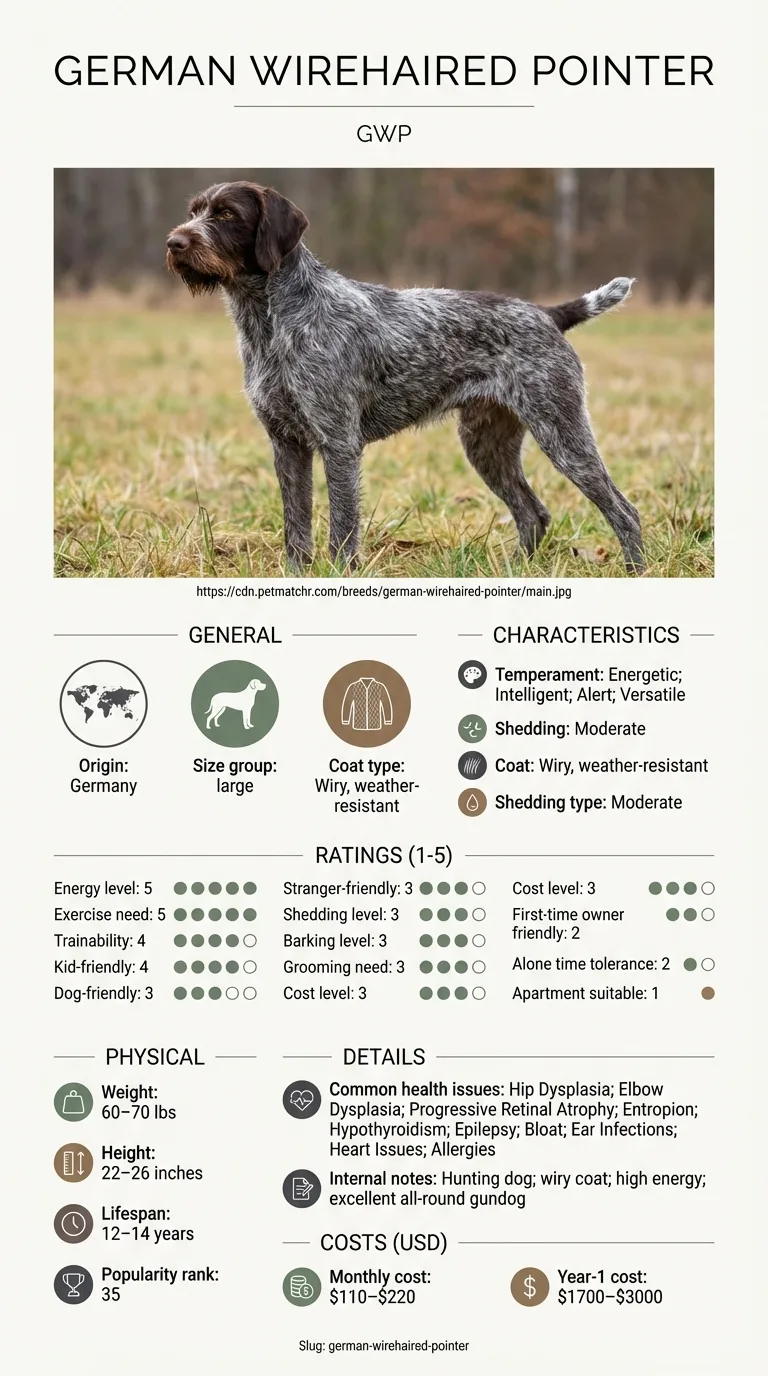
New dog owners or those unfamiliar with the breed may struggle to manage their German Wirehaired Pointer's weight. Busy families and individuals with a hectic lifestyle might also find it hard to provide the consistent exercise needed to keep their dog healthy.
This guide is not medical advice. If your dog shows pain, sudden behavior change, or worsening symptoms, consult a licensed veterinarian.
Some links may be affiliate links. We may earn a commission at no extra cost to you. We only suggest products we believe are helpful for dog owners.
We research and check what we publish, but we do not warrant that any figure, date, price, or statement is accurate, complete, or current, and we accept no liability for any loss, cost, injury, or other harm arising from the use of this site. Use it as one reference among several. You remain responsible for your own decisions and for your dog's care - confirm anything that matters with a licensed veterinarian or another qualified professional before you act on it. Full disclaimer.
Check this first
Recognizing when your German Wirehaired Pointer's genetic predisposition to obesity becomes an emergency is crucial. Some signs indicate you should call your vet immediately, while others can be monitored at home with a plan. It's essential to differentiate between these two scenarios to ensure your dog's health and well-being.
You should seek immediate veterinary attention if you notice any of the following red-flag signs: - Rapid weight gain or sudden changes in appetite. - Difficulty breathing or extreme lethargy, indicating possible serious health issues. - Signs of pain or discomfort, such as whining or reluctance to move.
On the other hand, milder cases can often be managed at home. If your dog shows a gradual increase in weight or is slightly less active, you can monitor their diet and exercise. Consider creating a structured feeding schedule and incorporating regular walks or playtime. Keeping an eye on their weight and overall behavior can help you address potential issues before they escalate.
Always consult your vet if you have concerns, as they can provide tailored advice based on your dog's specific needs. Remember, early intervention can make a significant difference in managing your German Wirehaired Pointer's genetic predisposition to obesity.
If any of these apply, call your vet or an emergency clinic now. The rest of this page is for the cases that are not an emergency.
The German Wirehaired Pointer (GWP) can face a significant challenge with obesity due to a genetic predisposition. This issue arises from a mutation in the POMC gene, which leads to an increased appetite. If not managed properly, this can result in a variety of health problems, making it crucial for owners to understand and address this risk.
Obesity is a common concern among German Wirehaired Pointers, particularly if they are not given regular exercise and a balanced diet. Many owners may notice weight gain in their dogs, especially as they age or if their activity levels drop.
The German Wirehaired Pointer (GWP) has a genetic predisposition to obesity due to a mutation in the POMC gene. This mutation can increase appetite, making it easier for them to gain weight if not managed properly. As a large breed with high energy needs, they require consistent exercise and a balanced diet to maintain a healthy weight.
Environmental factors play a significant role as well. Lack of exercise, overfeeding, and high-calorie treats can contribute to weight gain. Additionally, if they are not provided with enough mental stimulation and activity, they may become sedentary, further increasing their risk of obesity.
Consult your vet if your GWP has significant weight gain or if you are unsure about their diet and exercise needs. They can provide tailored advice based on your dog's health and help rule out any medical conditions that may contribute to weight issues.
Here are common mistakes that can worsen your German Wirehaired Pointer's genetic predisposition to obesity. Recognizing these behaviors can help you make better choices for your dog's health.
Start here: German Wirehaired Pointer Most Common Genetic Disorders: Guide
See all German Wirehaired Pointer health problems, which breeds are prone to genetic predisposition to obesity, or the full German Wirehaired Pointer breed guide for temperament, exercise needs and ownership costs.
Expect to see gradual changes over 3 to 6 months with consistent effort.
Success means maintaining a healthy weight for your German Wirehaired Pointer, improved energy levels, and a more active lifestyle.
Sarah, a busy vet tech, noticed her German Wirehaired Pointer, Max, was gaining weight. She learned that his genetic predisposition to obesity could be managed with diet and exercise. Sarah started by consulting her vet for a tailored meal plan and began taking Max for daily walks and play sessions. With her dedication, Max lost weight over several months, becoming more energetic and playful. Their bond deepened as they explored new activities together, like hiking and swimming.
Key takeaway: With patience and the right approach, managing a German Wirehaired Pointer's genetic predisposition to obesity is possible, leading to a healthier, happier pet.
The genetic predisposition to obesity in German Wirehaired Pointers is often linked to a mutation in the POMC gene. This mutation can cause an increase in appetite, making it harder for your dog to maintain a healthy weight. Understanding this will help you create a tailored diet and exercise plan. This answer relates to German Wirehaired Pointer genetic predisposition to obesity.
To manage your German Wirehaired Pointer's weight, provide a balanced diet with controlled portions. Regular exercise is crucial, aiming for at least 60 minutes of activity each day. Consider consulting your vet for a specific weight management plan.
Training your German Wirehaired Pointer using positive reinforcement can encourage healthy behaviors. Incorporate activities that stimulate both the mind and body, such as agility training or fetch. Consistency is key to establishing good habits.
Avoid high-calorie treats and table scraps, as these can contribute to weight gain. Look for dog food specifically formulated for weight management and ensure it meets your dog’s nutritional needs. Always check ingredient lists before making a purchase.
If your German Wirehaired Pointer is visibly overweight, it's time to consult your vet. Signs include difficulty in breathing, reluctance to play, or an inability to feel their ribs. Early intervention can prevent serious health issues related to obesity.
Signs of obesity in your German Wirehaired Pointer include difficulty exercising, a lack of energy, and an inability to feel their ribs. You might also notice that they have a rounder belly and a thicker neck. Regular vet check-ups can help monitor their weight.
To help your German Wirehaired Pointer lose weight, focus on a balanced diet and regular exercise. You may need to adjust portion sizes and switch to a weight management dog food. Consulting your vet for a tailored weight loss plan is always a good idea.
Yes, engaging training techniques that encourage physical activity can help manage obesity. Consider activities like agility training or scent work, which utilize their natural instincts and keep them active. Positive reinforcement is key to making training enjoyable.
Older German Wirehaired Pointers can still exercise but may require modified activities. Low-impact exercises like gentle walks or swimming can be beneficial. Always consult your vet before starting a new exercise routine, especially for older dogs.
A genetic predisposition to obesity in your German Wirehaired Pointer may stem from a mutation in the POMC gene, which is linked to increased appetite. This means they might be more prone to overeating compared to other dogs. Understanding this can help you manage their diet more effectively.
A German Wirehaired Pointer requires at least 60 minutes of exercise daily to maintain a healthy weight and energy levels.
Monitor food portions, provide low-calorie treats, and keep an eye on their weight regularly to catch any changes early.
Look for difficulty in movement, excessive panting, and a lack of interest in play as signs that your dog may be overweight.
Yes, positive reinforcement training can encourage healthy habits and physical activity, which are vital for weight management.
A one-page prep sheet for this condition: the signs, the questions to ask, what to get priced. Unlocks here.
You get: Vet visit prep sheet
No spam. One-click unsubscribe. See our privacy policy.
Preview page 1 before you decide.