Living
How to clean my German Wirehaired Pointer's eyes?
Use a damp, soft cloth to gently wipe around the eyes, removing any discharge or debris. Do this regularly to keep their eyes clean and healthy.

Quick answer
How to clean my German Wirehaired Pointer's eyes?
Use a damp, soft cloth to gently wipe around the eyes, removing any discharge or debris. Do this regularly to keep their eyes clean and healthy.
German Wirehaired Pointer eye disorders can affect your dog's vision and overall health. These issues include conditions like cataracts and eyelid disorders.
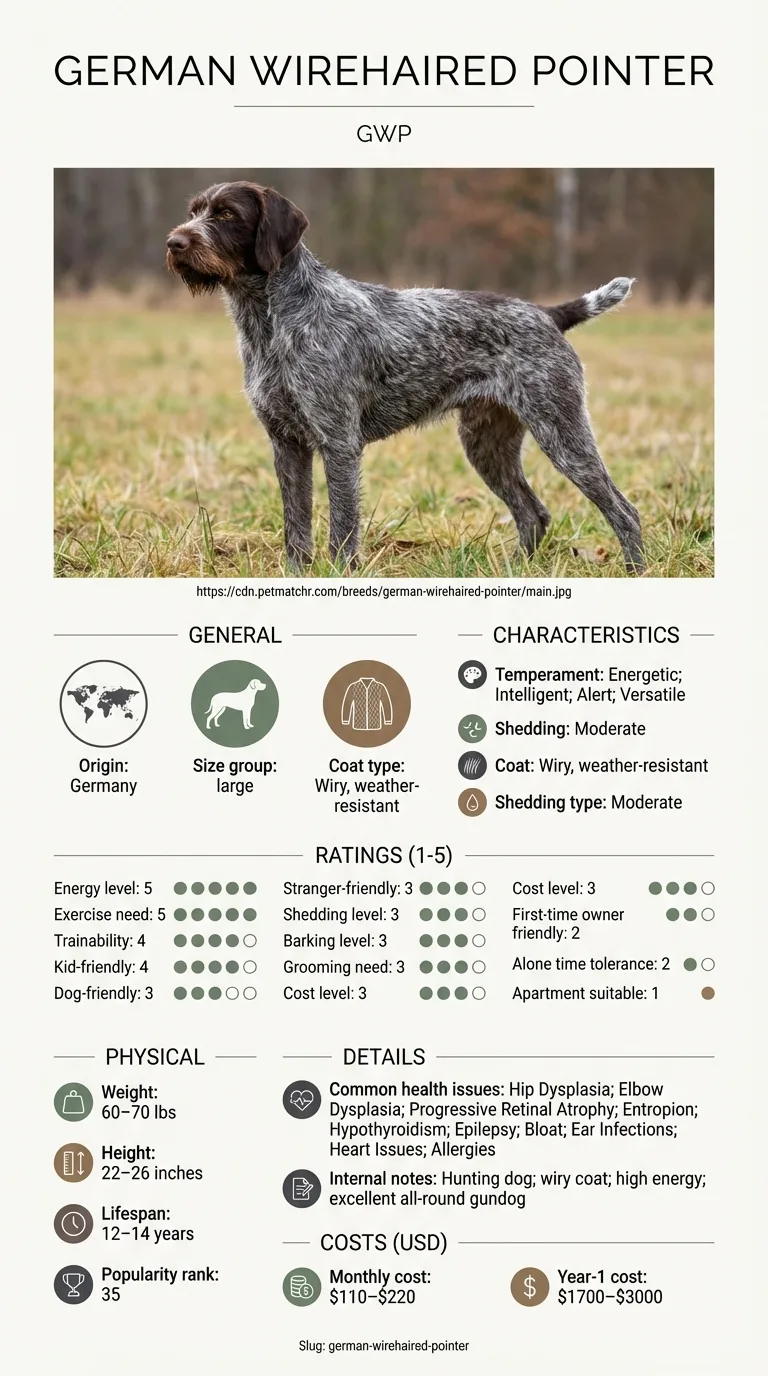
Many owners of German Wirehaired Pointers face challenges with these eye disorders, particularly those who are new to the breed or don't have prior experience with dog health issues.
This guide is not medical advice. If your dog shows pain, sudden behavior change, or worsening symptoms, consult a licensed veterinarian.
Some links may be affiliate links. We may earn a commission at no extra cost to you. We only suggest products we believe are helpful for dog owners.
We research and check what we publish, but we do not warrant that any figure, date, price, or statement is accurate, complete, or current, and we accept no liability for any loss, cost, injury, or other harm arising from the use of this site. Use it as one reference among several. You remain responsible for your own decisions and for your dog's care - confirm anything that matters with a licensed veterinarian or another qualified professional before you act on it. Full disclaimer.
Check this first
Emergency signs include sudden vision loss, extreme redness, swelling, or discharge from the eye. If your dog is squinting, pawing at their eyes, or showing signs of pain, it's time to call your vet immediately. These symptoms could indicate serious conditions like corneal ulcers or severe infections that need prompt treatment.
On the other hand, mild issues such as occasional tearing or slight redness might not require an immediate vet visit. You can observe these symptoms for a few days while implementing a basic care plan, like keeping their eyes clean and ensuring they are not exposed to irritants. If these mild symptoms persist or worsen, however, it’s best to consult your vet.
Always trust your instincts. If you feel something is wrong, don’t hesitate to seek professional help. Your German Wirehaired Pointer’s eyes are vital to their quality of life, and timely intervention can make a significant difference.
If any of these apply, call your vet or an emergency clinic now. The rest of this page is for the cases that are not an emergency.
German Wirehaired Pointer eye disorders can manifest in various ways, including cataracts, eyelid disorders, and corneal ulcers. These conditions can lead to discomfort and vision issues, impacting your dog's quality of life. Owners might notice their GWP squinting, rubbing their eyes, or showing signs of pain when exposed to bright light.
Eye disorders are relatively common in German Wirehaired Pointers, especially as they age. While not every GWP will experience these issues, many owners report some form of eye concern during their dog's lifetime.
German Wirehaired Pointers can be prone to specific eye disorders due to their genetic background. Conditions like Progressive Retinal Atrophy and Entropion are more common in this breed. These hereditary issues can affect their vision and overall eye health.
Environmental factors also play a significant role in eye disorders. Exposure to allergens, harsh weather conditions, or injuries can lead to problems like corneal ulcers or allergic reactions. Keeping their environment clean and safe can help reduce these risks.
If your dog shows persistent signs of eye discomfort, such as squinting, excessive tearing, or changes in behavior, it’s essential to talk to your vet. Eye disorders can worsen quickly, and early intervention can prevent more severe problems.
Avoiding certain behaviors can significantly help your German Wirehaired Pointer's eye disorders. Here are some common mistakes owners make and safer alternatives to consider.
Start here: German Wirehaired Pointer Most Common Genetic Disorders: Guide
See all German Wirehaired Pointer health problems, which breeds are prone to eye disorders, or the full German Wirehaired Pointer breed guide for temperament, exercise needs and ownership costs.
You may notice improvements in your German Wirehaired Pointer's eye disorders within 4 to 8 weeks of consistent care and follow-up with your vet.
Success means your dog shows fewer signs of discomfort, improved eye health, and better behavior related to their eye issues.
Meet Sarah, a busy nurse from Denver who adopted a German Wirehaired Pointer named Max. Shortly after bringing him home, she noticed Max squinting and rubbing his eyes often. Concerned, she consulted her vet and learned he had progressive retinal atrophy, which could lead to blindness. Sarah felt overwhelmed but committed to helping Max. She followed a training program focused on managing his environment and learned to recognize signs of discomfort. With time, Max adapted well to his new routine, and Sarah learned to spot issues early, improving his quality of life significantly.
Key takeaway: With patience and the right approach, you can effectively manage your German Wirehaired Pointer's eye disorders, leading to a happier, healthier pet.
German Wirehaired Pointers can develop eye disorders due to genetic factors, age, or environmental influences. Common issues include cataracts, eyelid disorders, and corneal ulcers. Regular vet check-ups can help catch these conditions early. This answer relates to German Wirehaired Pointer eye disorders.
Preventing eye disorders in your German Wirehaired Pointer involves regular veterinary care and monitoring for any signs of discomfort. Keeping their eyes clean and ensuring a healthy diet can also contribute to eye health. Consult your vet for specific recommendations based on your dog's needs.
Watch for signs like excessive tearing, redness, squinting, or cloudiness in the eyes. If your dog is frequently rubbing their eyes or showing discomfort, it may indicate an issue. Early detection is crucial for effective treatment.
Yes, many eye disorders can be treated with medication, surgery, or other interventions. The treatment will depend on the specific condition and its severity. Always consult your veterinarian for the best course of action.
Provide a nutritious diet, regular exercise, and routine veterinary visits to support your dog's overall health, including eye health. Additionally, consider using protective eyewear when outdoors in harsh conditions to prevent injuries.
Older German Wirehaired Pointers may develop more eye disorders due to age. Regular veterinary check-ups can help catch issues early, and maintaining a healthy diet can support overall eye health.
Yes, some eye disorders like Progressive Retinal Atrophy may have a genetic component. If you’re considering breeding, it’s important to screen for these conditions to prevent passing them on.
If you notice any sudden changes in your dog's vision, or if they show signs of pain or discomfort, it’s best to consult a vet immediately. Quick intervention can often lead to better outcomes.
While training cannot cure eye disorders, it can help your dog learn to cope with their condition. Positive reinforcement training may also reduce stress, which can be beneficial for their overall health.
Use a damp, soft cloth to gently wipe around the eyes, removing any discharge or debris. Do this regularly to keep their eyes clean and healthy.
Ensure regular vet check-ups, maintain a healthy diet, and keep their living environment clean. Early detection is key to managing eye health.
Treatment costs can vary widely, typically ranging from $200 to $2,000 depending on the condition and severity. Always discuss options and costs with your vet.
If your German Wirehaired Pointer has red eyes, consult your vet immediately. This could be a sign of infection or other serious issues.
Foods rich in omega-3 fatty acids, antioxidants, and vitamins A and C can support eye health. Discuss dietary options with your vet for the best choices.
A one-page prep sheet for this condition: the signs, the questions to ask, what to get priced. Unlocks here.
You get: Vet visit prep sheet
No spam. One-click unsubscribe. See our privacy policy.
Preview page 1 before you decide.