DogBreedCompass
← Back to breed profile

German Wirehaired Pointer Elbow Dysplasia: What You Need to Know

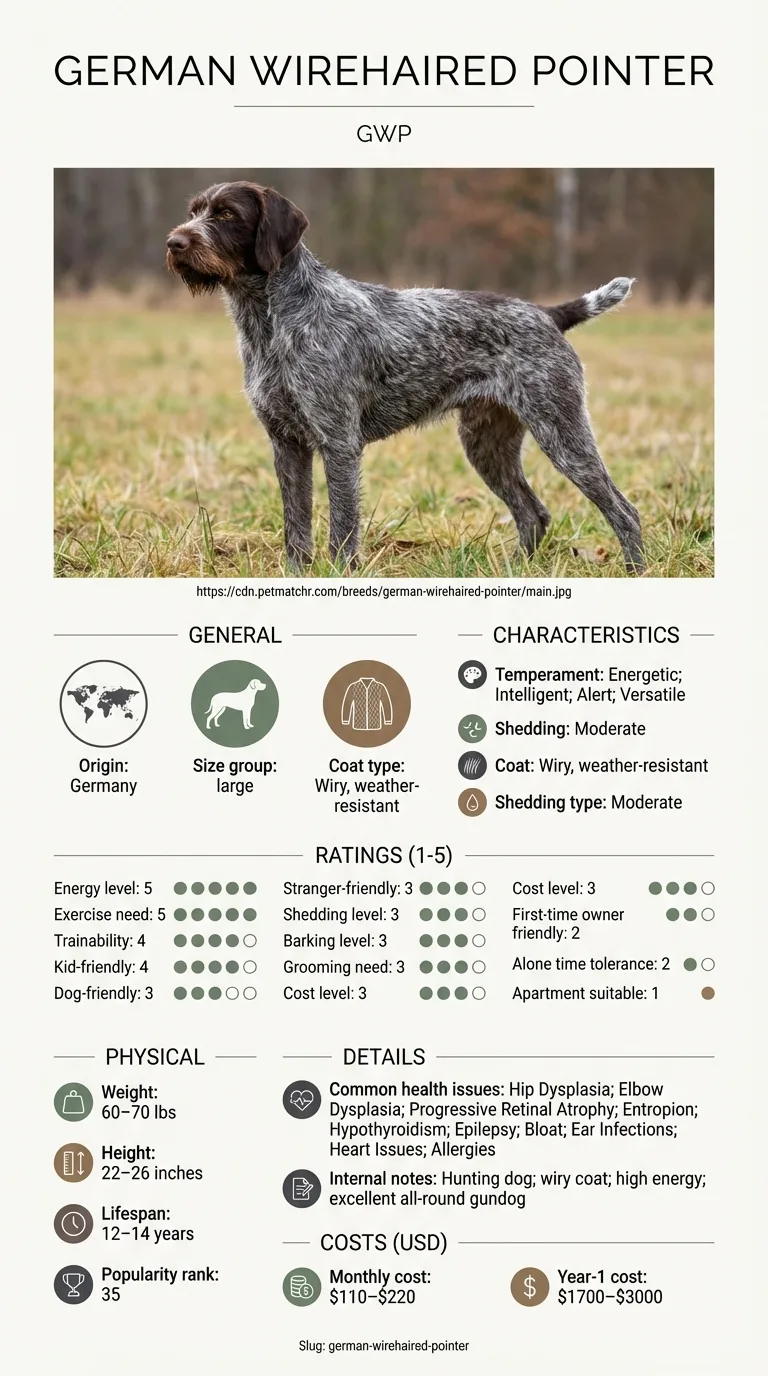
German Wirehaired Pointer elbow dysplasia is a painful joint condition that can affect your dog's mobility.

German Wirehaired Pointer Elbow Dysplasia: What You Need to Know infographic

Owners of German Wirehaired Pointers, especially those who lead active lifestyles or have high-energy dogs, often face this challenge. It can be frustrating when your dog can't keep up during outdoor activities or playtime.

Important reminder

This guide is not medical advice. If your dog shows pain, sudden behavior change, or worsening symptoms, consult a licensed veterinarian.

Some links may be affiliate links. We may earn a commission at no extra cost to you. We only suggest products we believe are helpful for dog owners.

What this problem looks like

German Wirehaired Pointer elbow dysplasia is a common joint issue that affects these energetic dogs. It manifests as pain, limping, or difficulty in movement, especially after exercise. Owners may notice their dog being less active or hesitant to jump or run due to discomfort.

Common triggers

  • Genetic predisposition
  • Rapid growth during puppyhood
  • Excessive exercise or strain on joints
  • Inadequate nutrition or obesity

This condition is fairly common among German Wirehaired Pointers, with many experiencing some form of elbow dysplasia during their lives. Regular check-ups and being mindful of exercise can help manage this risk.

Why this happens

Breed factors

German Wirehaired Pointers tend to be prone to elbow dysplasia due to their large size and rapid growth during puppyhood. This condition can be influenced by genetic factors, particularly in breeds known for high energy and physical activity. If your GWP has a family history of joint issues, they may be more susceptible to developing this problem.

Environment factors

Environmental factors also play a significant role in elbow dysplasia. Over-exercising young pups or allowing them to jump and run on hard surfaces can contribute to joint stress. Additionally, improper nutrition during their growth phase can lead to obesity, further exacerbating joint problems.

What you can try

At-home strategies

  • Provide a balanced diet that supports healthy growth. Consult with your vet about appropriate food and portion sizes.
  • Limit high-impact activities for young dogs. Instead, focus on low-impact exercises like walking or swimming to strengthen their muscles without stressing their joints.
  • Introduce joint supplements as recommended by your vet. Glucosamine and chondroitin can help support joint health.
  • Regularly monitor your dog's weight to prevent obesity, which can worsen elbow dysplasia. Use a scale or consult with your vet for guidance.
  • Engage in gentle, controlled play to help build strength without overexertion. Short sessions with toys that encourage movement can be beneficial.

When to consider a trainer

If your German Wirehaired Pointer shows signs of discomfort or abnormal movement, a professional trainer can help create a tailored exercise and training plan. They can also provide guidance on managing your dog's energy levels to prevent further joint strain.

When to talk to your vet

If you notice persistent limping, swelling, or difficulty in moving, it’s essential to consult your vet. Early intervention can lead to better outcomes in managing elbow dysplasia. Regular vet check-ups are crucial for monitoring joint health, especially for active breeds like the GWP.

Realistic expectations

You should start noticing improvements in your German Wirehaired Pointer's elbow dysplasia symptoms within 4 to 6 weeks of implementing a consistent management plan.

Success means your dog shows less discomfort during movement, improved mobility, and a more active lifestyle. Regular vet check-ups and adherence to a management routine will help ensure the best outcomes.

Mistakes that make this worse

Avoiding these common mistakes can help improve your German Wirehaired Pointer's elbow dysplasia.

  • Ignoring early signs of discomfort: Many owners miss subtle cues of pain or discomfort in their dog. Instead, pay attention to any changes in activity level or reluctance to play.
  • Over-exercising without guidance: Too much exercise can strain your dog's joints. Focus on moderate, vet-approved activity and adjust as needed.
  • Skipping vet check-ups: Regular veterinary visits ensure your dog’s condition is monitored. Missing appointments can lead to worsening symptoms that could have been managed early.
  • Using improper training techniques: Harsh training methods can lead to stress and anxiety, making the condition worse. Utilize positive reinforcement techniques instead.
  • Failing to maintain a healthy weight: Excess weight can exacerbate elbow dysplasia. Keep your dog at a healthy weight with proper diet and exercise.
  • Neglecting joint supplements: Some owners overlook the benefits of joint health supplements. Consult your vet about appropriate options that can support joint function.
  • Not providing a comfortable resting area: Dogs with elbow dysplasia need a comfortable place to rest. Ensure they have soft, supportive bedding to alleviate joint pressure.

When German Wirehaired Pointer Elbow Dysplasia is an Emergency

Understanding when German Wirehaired Pointer elbow dysplasia requires immediate attention is crucial for your dog's well-being. If your dog shows severe signs of pain, such as whining when moving or being unable to bear weight on a leg, you should call your vet right away. Other red flags include swelling around the elbow, a noticeable limp, or if your dog is unwilling to play or engage in regular activities they usually enjoy.

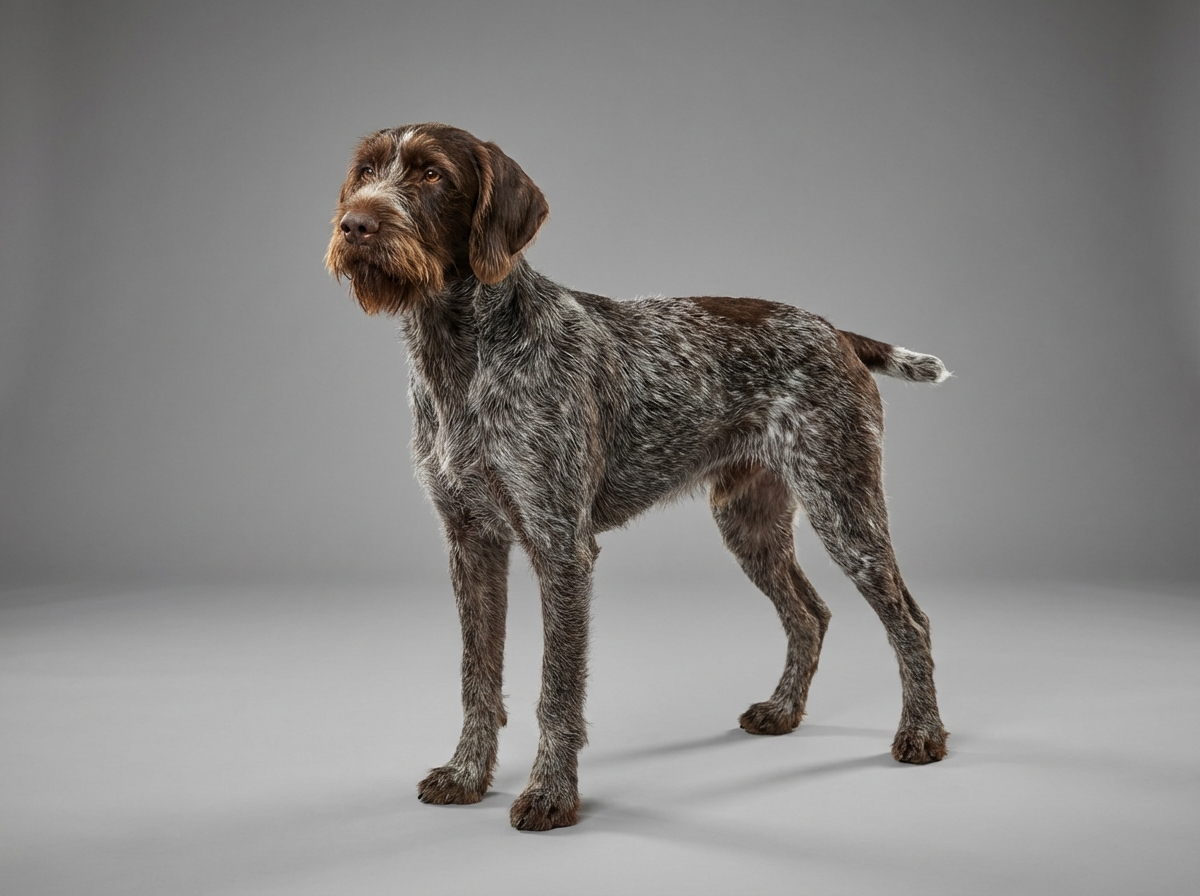
German Wirehaired Pointer Elbow Dysplasia: What You Need to Know - When German Wirehaired Pointer Elbow Dysplasia is an Emergency

When to Watch and Wait

In less severe cases of elbow dysplasia, you can monitor your German Wirehaired Pointer at home. If your dog seems to be mildly limping but still engages in light play and walks, consider keeping track of their activity and pain levels. A gradual increase in rest and limited activity may help, but always follow up with your vet for guidance to ensure you're not missing any important symptoms.

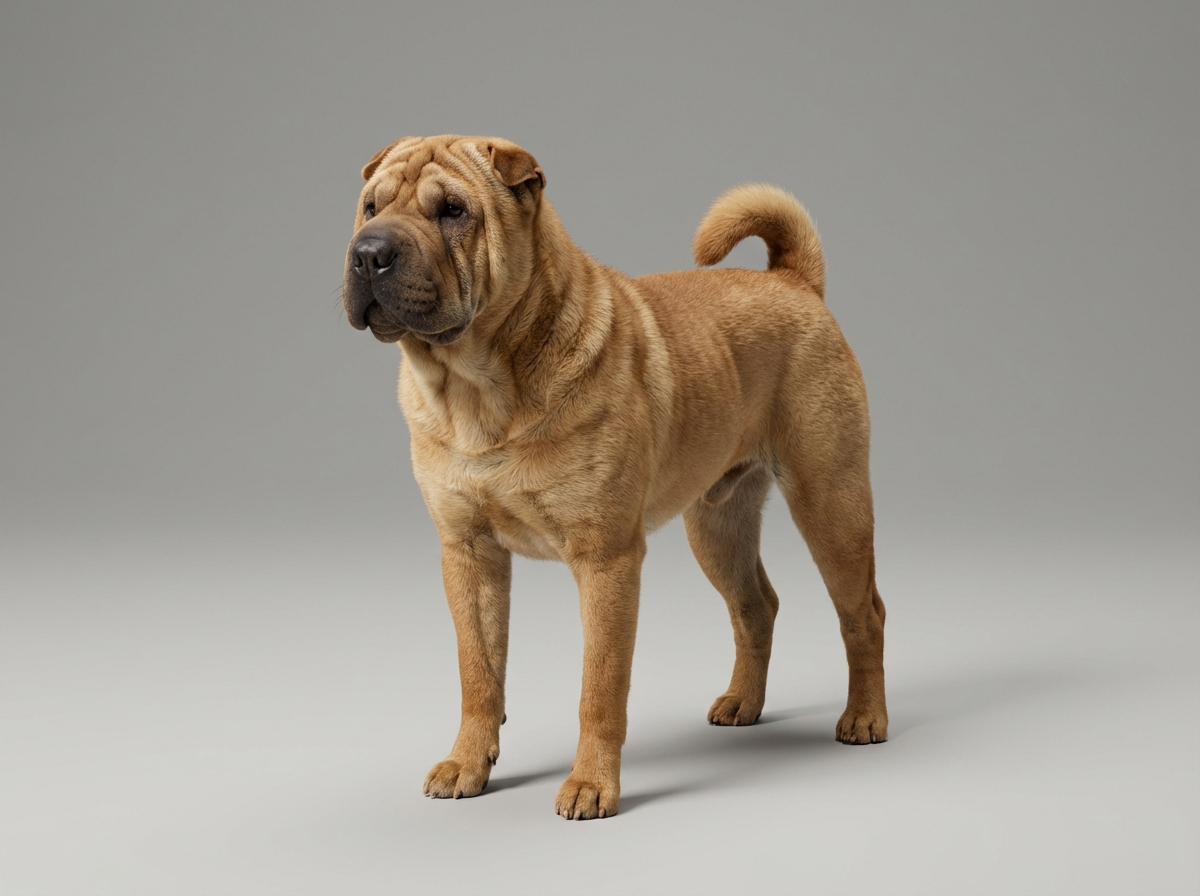
German Wirehaired Pointer Elbow Dysplasia: What You Need to Know - When to Watch and Wait

Overcoming Elbow Dysplasia with Care

Meet Sarah, a dedicated dog owner living in a small town. Her German Wirehaired Pointer, Max, was diagnosed with elbow dysplasia at just two years old. Initially, Sarah was devastated and worried that Max would never be able to run and play like he used to. After consulting with her vet, she developed a management plan that included a special diet, joint supplements, and a tailored exercise routine. Over the next few months, Sarah gradually introduced low-impact activities and focused on maintaining Max's healthy weight. To her delight, Max's mobility improved significantly, and he was back to enjoying long walks and playtime with fewer signs of pain.

Key takeaway: With the right management and care, many dogs with elbow dysplasia can lead happy, active lives. Consistency in treatment and regular vet consultations are key to success.

Frequently asked questions

Why does my German Wirehaired Pointer have elbow dysplasia?

Elbow dysplasia in German Wirehaired Pointers is often caused by genetic factors. It can also result from rapid growth, which stresses the joints. Regular vet check-ups and maintaining a healthy diet can help manage this condition.

How can I stop my German Wirehaired Pointer from suffering with elbow dysplasia?

To help your German Wirehaired Pointer manage elbow dysplasia, ensure they maintain a healthy weight and get low-impact exercise. Consulting a vet for a tailored exercise plan and possible physical therapy can also be beneficial. Early intervention can make a significant difference.

What are the signs of elbow dysplasia in German Wirehaired Pointers?

Common signs include limping, difficulty in getting up, and reluctance to play or exercise. You might also notice swelling around the elbow joint. If you observe these symptoms, it's essential to see a vet for a proper diagnosis.

Can training help with elbow dysplasia in German Wirehaired Pointers?

Yes, training can help by providing mental stimulation and promoting controlled movements. Focus on gentle obedience training and avoid jumping or intense activities. This can help reduce joint strain and keep your dog engaged.

Are there treatments available for German Wirehaired Pointer elbow dysplasia?

Treatment options include weight management, physical therapy, and in some cases, surgery. Medications like anti-inflammatories may also be prescribed by your vet to alleviate pain. Always consult your veterinarian for the best treatment plan.

What lifestyle changes can help my German Wirehaired Pointer with elbow dysplasia?

Incorporate regular, low-impact exercise such as swimming or walking on soft surfaces. Provide a comfortable resting area to reduce joint stress and consider joint supplements as recommended by your vet. These changes can significantly improve your dog's quality of life.

What are the signs of elbow dysplasia in my German Wirehaired Pointer?

Common signs of elbow dysplasia in your German Wirehaired Pointer include limping, difficulty in getting up or lying down, and reluctance to play or exercise. You might also notice swelling around the elbow joint or unusual barking when moving.

Can elbow dysplasia affect older German Wirehaired Pointers?

Yes, elbow dysplasia can affect older German Wirehaired Pointers, often leading to arthritis as they age. Regular veterinary check-ups are important, as early intervention can improve their quality of life.

How can I help my German Wirehaired Pointer with elbow dysplasia at home?

To help your German Wirehaired Pointer at home, provide a comfortable resting area, maintain a healthy weight, and offer low-impact exercise like short walks. Additionally, consider joint supplements after discussing them with your vet.

Is surgery necessary for elbow dysplasia in German Wirehaired Pointers?

Surgery may be necessary for severe cases of elbow dysplasia in German Wirehaired Pointers. Your veterinarian can recommend the best course of action based on your dog's specific condition and age.

What training methods are effective for a German Wirehaired Pointer with elbow dysplasia?

Positive reinforcement training is effective for German Wirehaired Pointers with elbow dysplasia. Focus on gentle commands and encourage calm behavior to avoid further strain on their joints.

Quick answers

View more answers
Behavior

What are quick tips for managing German Wirehaired Pointer elbow dysplasia?

Focus on maintaining a healthy weight, provide low-impact exercise, and consult your vet for a tailored management plan.

Health

How can I help my German Wirehaired Pointer during flare-ups?

Limit their activity during flare-ups and provide a warm, comfortable resting place. Consult your vet for appropriate pain relief options.

Health

Is elbow dysplasia common in German Wirehaired Pointers?

Yes, elbow dysplasia is one of the common health issues in German Wirehaired Pointers, often due to genetic factors.

Living

Can I prevent elbow dysplasia in my German Wirehaired Pointer?

While you can't prevent it entirely, responsible breeding and maintaining a healthy lifestyle can reduce the risk of developing elbow dysplasia.

Related DogBreedCompass guides

  • German Wirehaired Pointer elbow dysplasia trainingLearn about training techniques to help manage elbow dysplasia in your German Wirehaired Pointer.
  • Common health issues in German Wirehaired PointersUnderstand common health issues that may affect your German Wirehaired Pointer, including elbow dysplasia.
  • German Wirehaired Pointer separation anxiety guideExplore the signs of separation anxiety in German Wirehaired Pointers and how to address them.
  • German Wirehaired Pointer cost breakdownGet a cost breakdown for owning a German Wirehaired Pointer, including potential medical expenses.
  • German Wirehaired Pointer behavior problemsFind out how to prevent and manage behavior problems in German Wirehaired Pointers.

Related guides