Behavior
What are quick tips for managing cherry eye in German Wirehaired Pointers?
Keep the area clean and dry, and watch for signs of irritation. Seek veterinary advice if you notice any changes in your dog's eyes.

Quick answer
What are quick tips for managing cherry eye in German Wirehaired Pointers?
Keep the area clean and dry, and watch for signs of irritation. Seek veterinary advice if you notice any changes in your dog's eyes.
German Wirehaired Pointer cherry eye is a common issue where the eyelid gland prolapses, making your pup's eyes look rather unusual.
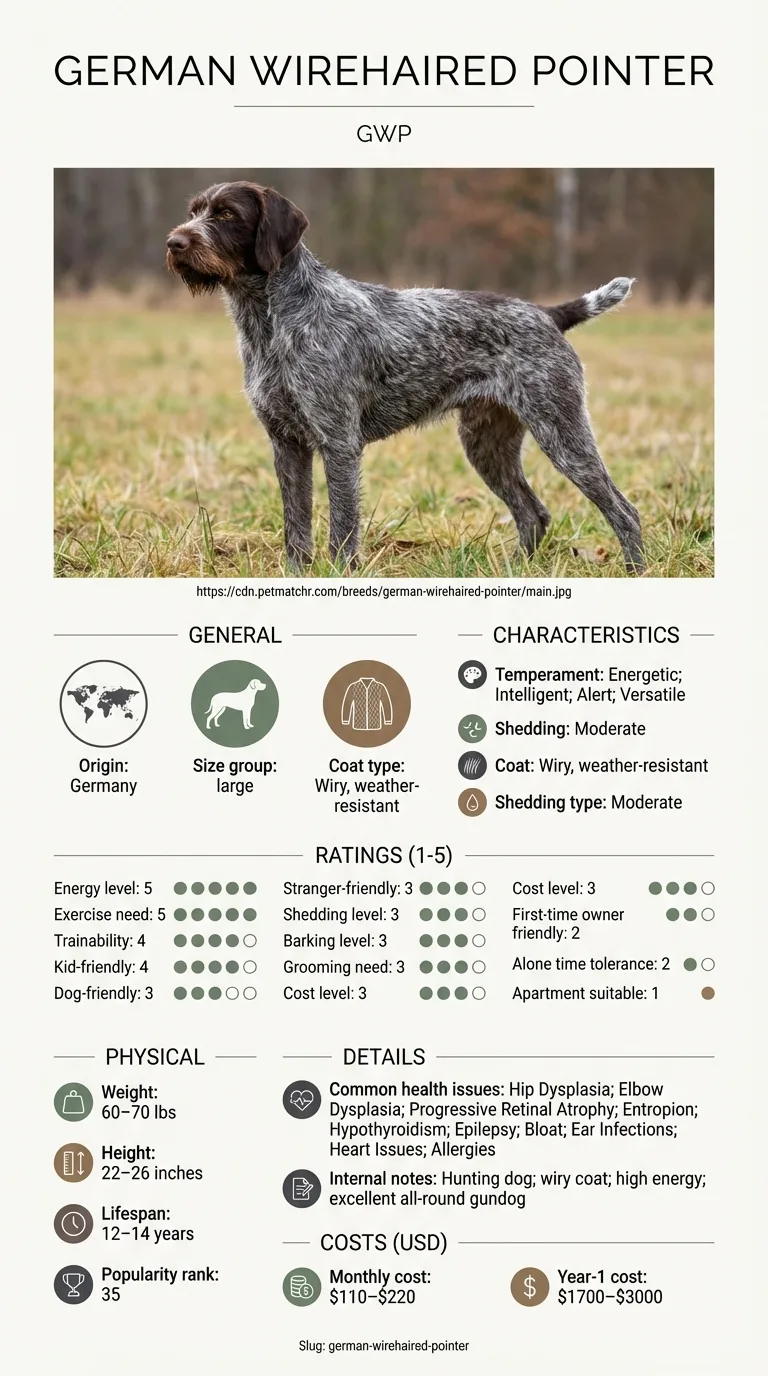
Typically, owners of German Wirehaired Pointers may notice cherry eye, especially if their dog is prone to health issues. Those who are first-time dog owners or those unfamiliar with common breed problems may find this situation particularly challenging.
This guide is not medical advice. If your dog shows pain, sudden behavior change, or worsening symptoms, consult a licensed veterinarian.
Some links may be affiliate links. We may earn a commission at no extra cost to you. We only suggest products we believe are helpful for dog owners.
We research and check what we publish, but we do not warrant that any figure, date, price, or statement is accurate, complete, or current, and we accept no liability for any loss, cost, injury, or other harm arising from the use of this site. Use it as one reference among several. You remain responsible for your own decisions and for your dog's care - confirm anything that matters with a licensed veterinarian or another qualified professional before you act on it. Full disclaimer.
Check this first
Cherry eye in your German Wirehaired Pointer can be concerning. It's important to know when to act quickly and when you can monitor the situation. If you notice any of the following red flags, you should call your vet immediately.
Signs that require urgent attention include: - Severe swelling or redness around the eye. - Signs of pain, such as excessive tearing or pawing at the eye. - Changes in vision, like bumping into objects or reluctance to move. - If the cherry eye is accompanied by discharge or persistent squinting.
In these cases, prompt treatment can prevent further complications.
On the other hand, if your German Wirehaired Pointer has a mild case of cherry eye without any of the above symptoms, you can manage it with a watchful eye. You might consider monitoring the eye for changes and keeping the area clean. Simple treatments like applying a cold compress can help soothe irritation. It’s also wise to consult your vet for a personalized monitoring plan. Always remember, it’s better to be safe than sorry when it comes to your dog's health.
If any of these apply, call your vet or an emergency clinic now. The rest of this page is for the cases that are not an emergency.
German Wirehaired Pointer cherry eye is a condition where the gland of the eyelid prolapses and becomes visible as a red, swollen mass. It can cause discomfort, irritation, and even lead to further eye health issues if left untreated. This problem is particularly common among large breeds like the German Wirehaired Pointer, and it can be distressing for both the dog and the owner.
Cherry eye is relatively common in German Wirehaired Pointers, with many owners reporting it during the dog's first few years. While it can occur at any age, younger dogs are more frequently affected, especially if they have a family history of eye problems.
Cherry eye in German Wirehaired Pointers (GWPs) often stems from genetic predisposition. This breed can be more prone to eyelid problems due to their unique anatomy. Their wiry coat and facial structure might also contribute to the likelihood of developing this condition.
Environmental factors can also play a role in cherry eye. Allergies, irritants in the environment, or even excessive rubbing at the eyes can exacerbate the issue. Stress or anxiety in a GWP can lead to eye problems, as these dogs can be sensitive to changes in their surroundings.
If the cherry eye persists or worsens, it's crucial to consult your vet. They can provide treatments, including possible surgical options if necessary. Don't wait too long, as untreated cherry eye can lead to more serious eye issues.
Avoiding these common mistakes can help you manage your German Wirehaired Pointer's cherry eye more effectively.
Start here: German Wirehaired Pointer Most Common Genetic Disorders: Guide
See all German Wirehaired Pointer health problems, which breeds are prone to cherry eye, or the full German Wirehaired Pointer breed guide for temperament, exercise needs and ownership costs.
Most cases of German Wirehaired Pointer cherry eye can be managed within a few weeks to months, depending on the severity and treatment approach.
Success looks like a comfortable dog with reduced symptoms, and potentially a stable eye condition without the need for surgery. Owners should feel confident in managing their dog's health.
Emily, a busy nurse in Seattle, noticed that her German Wirehaired Pointer, Max, had a swollen, red eye. After researching, she discovered it was likely cherry eye. Initially overwhelmed, Emily consulted her vet, who suggested a combination of warm compresses and anti-inflammatory medication. Over the next few weeks, Emily diligently followed the vet's advice. Gradually, Max's condition improved, and they were able to avoid surgery altogether. Emily felt relieved and more informed about her dog's health needs.
Key takeaway: With the right care and guidance, many cases of German Wirehaired Pointer cherry eye can be managed effectively without invasive procedures.
Cherry eye occurs when the gland in the third eyelid prolapses, becoming visible as a red mass in the corner of your dog's eye. This can happen due to genetic factors or stress, and it's more common in certain breeds, including the German Wirehaired Pointer. If you notice this, it's best to consult your vet for proper diagnosis and treatment options. This answer relates to German Wirehaired Pointer cherry eye.
While you can't always prevent cherry eye, ensuring your dog is not overly stressed can help. Maintain a stable environment and avoid extreme activities that could strain their eyes. Regular vet check-ups can also help monitor any early signs of eye issues.
Treatment for cherry eye typically involves surgical correction to reposition the gland. In some cases, your vet may suggest a topical treatment to reduce inflammation before surgery. Always follow your vet's advice on the best course of action.
Cherry eye itself is not usually a serious condition, but it can lead to more significant eye issues if left untreated. Additionally, your dog may experience discomfort. It's crucial to seek veterinary care to avoid potential complications.
Yes, cherry eye can reoccur even after surgical treatment. Factors like genetics and overall health can influence this. Regular check-ups and monitoring your dog's eye health can help catch any issues early.
After surgery for cherry eye, keep your dog's eyes clean and monitor for any signs of infection, such as redness or discharge. Follow your vet's instructions for care, including any prescribed medication. Limit physical activity during the recovery period to ensure proper healing.
Cherry eye occurs when the gland in the dog's third eyelid prolapses. This can happen due to genetics, stress, or injury. It's important to monitor your dog for any signs of discomfort.
While not all cases of cherry eye can be prevented, keeping your dog stress-free and avoiding rough play can help. Regular veterinary check-ups are also crucial for early detection.
Cherry eye is generally not life-threatening but can lead to discomfort or chronic issues if left untreated. If you notice symptoms, consult your vet for advice on treatment options.
Yes, cherry eye can recur even after surgical treatment. Monitoring your pet's eye health and following your vet's recommendations can help reduce the chances of recurrence.
If you notice swelling or a red mass in your dog's eye area, it's best to see a vet promptly. Early intervention can prevent complications and ensure your dog receives the necessary treatment.
Keep the area clean and dry, and watch for signs of irritation. Seek veterinary advice if you notice any changes in your dog's eyes.
Provide a calm environment, regular exercise, and mental stimulation to reduce stress levels. Avoid sudden changes in routine.
Contact your vet immediately if you see cherry eye symptoms. Early intervention can help prevent further complications.
A one-page prep sheet for this condition: the signs, the questions to ask, what to get priced. Unlocks here.
You get: Vet visit prep sheet
No spam. One-click unsubscribe. See our privacy policy.
Preview page 1 before you decide.