Health
What are quick tips for managing German Wirehaired Pointer cardiomyopathy?
Ensure a balanced diet, regular vet check-ups, and moderate exercise. Monitor for symptoms like coughing or lethargy.

Quick answer
What are quick tips for managing German Wirehaired Pointer cardiomyopathy?
Ensure a balanced diet, regular vet check-ups, and moderate exercise. Monitor for symptoms like coughing or lethargy.
German Wirehaired Pointer cardiomyopathy is a serious heart condition that can affect your dog's health and happiness.
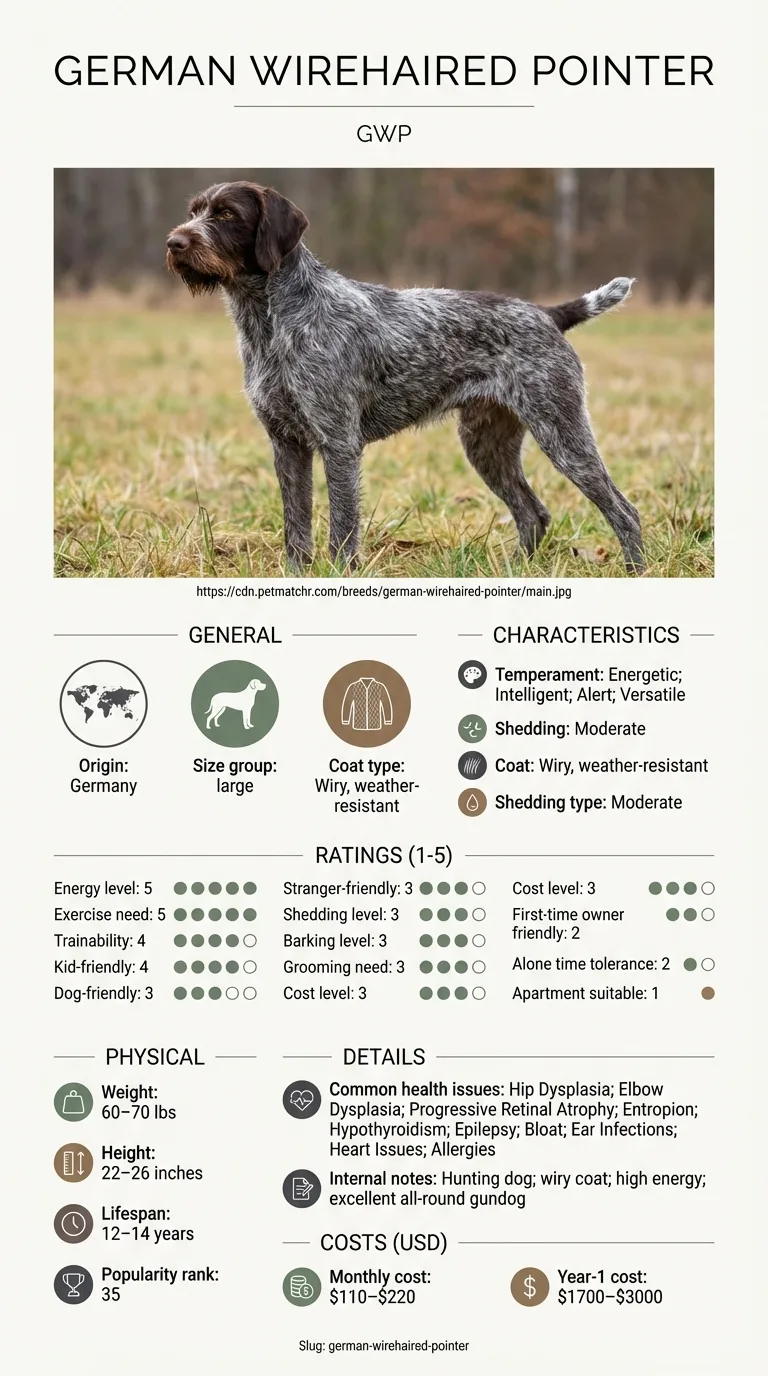
Dog owners, especially those with active German Wirehaired Pointers, may find themselves facing this challenge. It's particularly concerning for owners who may not know how to spot early signs or manage the condition effectively.
This guide is not medical advice. If your dog shows pain, sudden behavior change, or worsening symptoms, consult a licensed veterinarian.
Some links may be affiliate links. We may earn a commission at no extra cost to you. We only suggest products we believe are helpful for dog owners.
We research and check what we publish, but we do not warrant that any figure, date, price, or statement is accurate, complete, or current, and we accept no liability for any loss, cost, injury, or other harm arising from the use of this site. Use it as one reference among several. You remain responsible for your own decisions and for your dog's care - confirm anything that matters with a licensed veterinarian or another qualified professional before you act on it. Full disclaimer.
Check this first
Recognizing when German Wirehaired Pointer cardiomyopathy is an emergency can save your dog's life. It's crucial to know the signs that require immediate veterinary attention versus those that can be monitored over time. If you notice any of the following red flags, call your vet right away: sudden lethargy, difficulty breathing, persistent coughing, or fainting spells. These symptoms could indicate a severe worsening of heart function.
On the other hand, if your German Wirehaired Pointer is showing mild signs, such as occasional coughing or slight fatigue after exercise, you may have time to observe and manage their condition at home. Create a plan with your vet to monitor these symptoms carefully. Note any changes in your dog's behavior or energy levels and report these during check-ups.
It's essential to maintain regular vet visits, especially if your dog has a known heart issue. You should also be aware of any changes in appetite or weight, as these can signal a need for intervention. This dual approach—being vigilant for emergencies while managing mild cases—will help you provide the best care for your beloved German Wirehaired Pointer.
If any of these apply, call your vet or an emergency clinic now. The rest of this page is for the cases that are not an emergency.
German Wirehaired Pointer cardiomyopathy is a serious heart condition that can develop in this breed. Owners may notice signs like lethargy, difficulty breathing, or a sudden decrease in exercise tolerance. Being a large breed, GWP is particularly susceptible to this heart muscle disease, which can lead to significant health issues if not managed properly.
Cardiomyopathy is relatively common in German Wirehaired Pointers compared to other breeds. While not every GWP will develop this condition, it's important for owners to be aware of the signs and maintain regular vet check-ups.
German Wirehaired Pointers are prone to genetic heart issues, including cardiomyopathy. This breed's active lifestyle can strain their hearts if not properly managed. Additionally, their high energy levels may lead to stress on the cardiovascular system.
Environmental factors like poor diet, lack of exercise, and obesity can contribute to heart disease in dogs. Stressful living conditions, such as noisy or chaotic environments, can also negatively impact their heart health. Regular vet check-ups are crucial to monitor and manage these risks.
If you notice symptoms like coughing, lethargy, or difficulty breathing, contact your vet immediately. Regular check-ups are essential for early detection and management of cardiomyopathy.
Avoiding these common mistakes can help you better manage your German Wirehaired Pointer's cardiomyopathy.
Start here: German Wirehaired Pointer Most Common Genetic Disorders: Guide
See all German Wirehaired Pointer health problems, which breeds are prone to cardiomyopathy, or the full German Wirehaired Pointer breed guide for temperament, exercise needs and ownership costs.
Addressing German Wirehaired Pointer cardiomyopathy typically takes several weeks to months, depending on the severity of the condition and the owner's commitment to treatment.
Success means improved heart health, better energy levels, and a noticeable reduction in symptoms like coughing or fatigue during play.
When Sarah adopted Max, a German Wirehaired Pointer, she was excited to have a loyal companion. However, after a few months, Max started showing signs of cardiomyopathy, like excessive coughing during walks. Sarah felt overwhelmed but reached out to her vet, who helped create a treatment plan including medication and a tailored exercise routine. Over time, Max's symptoms improved, and Sarah learned how to manage his condition effectively. Now, they enjoy longer walks together, and Max seems much happier.
Key takeaway: With the right guidance and support, managing German Wirehaired Pointer cardiomyopathy is possible, leading to a happier, healthier life for your dog.
German Wirehaired Pointer cardiomyopathy can occur due to genetic predispositions, nutritional imbalances, or underlying health issues. Regular vet check-ups and a balanced diet can help manage these risks.
Preventing German Wirehaired Pointer cardiomyopathy involves maintaining a healthy diet, regular exercise, and routine veterinary care. Ensure your dog has a balanced diet rich in essential nutrients and engage them in physical activities.
Signs of cardiomyopathy may include lethargy, coughing, difficulty breathing, and fainting. If you notice any of these symptoms, consult your vet immediately for a proper diagnosis.
Treatment for German Wirehaired Pointer cardiomyopathy may include medications, dietary changes, and lifestyle modifications. Your vet will provide a tailored plan based on your dog's condition.
Yes, cardiomyopathy can be hereditary in German Wirehaired Pointers. Responsible breeding practices and genetic testing can help reduce the risk of passing this condition on to future generations.
For optimal heart health, take your German Wirehaired Pointer to the vet at least once a year. More frequent visits may be needed if your dog shows any symptoms of heart issues.
Managing cardiomyopathy involves providing a low-sodium diet, regular but gentle exercise, and stress reduction techniques. Consider engaging in calming activities and ensuring a comfortable living environment.
Yes, cardiomyopathy can have a genetic component in German Wirehaired Pointers. If you have a dog from a lineage with known heart issues, it's wise to discuss potential screening options with your vet.
Supporting a dog with cardiomyopathy often involves medication, a special diet, and regular vet check-ups. Keeping your dog calm and avoiding strenuous exercise can also help manage their condition.
The outlook for a German Wirehaired Pointer with cardiomyopathy can vary based on the severity of the condition and how well it's managed. With proper care, some dogs can live a good quality of life for years after diagnosis.
If you suspect your German Wirehaired Pointer may have cardiomyopathy or if they show any unusual behavior, it's best to schedule a vet visit. Early detection can help manage the disease more effectively.
Ensure a balanced diet, regular vet check-ups, and moderate exercise. Monitor for symptoms like coughing or lethargy.
Create a stress-free environment and avoid extreme activities. Offer love and patience as they adjust to lifestyle changes.
Treatment costs can vary widely, typically ranging from $100 to $500 monthly, depending on medications and vet visits.
While training won't cure cardiomyopathy, it can improve your dog's quality of life by providing mental stimulation and support.
Consider heart-healthy supplements and calming tools, like anxiety wraps, to support your dog’s well-being.
A one-page prep sheet for this condition: the signs, the questions to ask, what to get priced. Unlocks here.
You get: Vet visit prep sheet
No spam. One-click unsubscribe. See our privacy policy.
Preview page 1 before you decide.