Behavior
What are quick tips for preventing back problems in German Wirehaired Pointers?
Keep your dog at a healthy weight, provide regular low-impact exercise, and avoid high jumps. Consider using ramps for easier access to cars and furniture.

Quick answer
What are quick tips for preventing back problems in German Wirehaired Pointers?
Keep your dog at a healthy weight, provide regular low-impact exercise, and avoid high jumps. Consider using ramps for easier access to cars and furniture.
German Wirehaired Pointer back problems can be a significant concern for owners. These issues often arise due to their long spine and short legs.
Owners of German Wirehaired Pointers, especially those who are active or have older dogs, often face this issue. New dog parents may also feel overwhelmed trying to figure out how to address these concerns effectively.
This guide is not medical advice. If your dog shows pain, sudden behavior change, or worsening symptoms, consult a licensed veterinarian.
Some links may be affiliate links. We may earn a commission at no extra cost to you. We only suggest products we believe are helpful for dog owners.
We research and check what we publish, but we do not warrant that any figure, date, price, or statement is accurate, complete, or current, and we accept no liability for any loss, cost, injury, or other harm arising from the use of this site. Use it as one reference among several. You remain responsible for your own decisions and for your dog's care - confirm anything that matters with a licensed veterinarian or another qualified professional before you act on it. Full disclaimer.
Check this first
Recognizing when your German Wirehaired Pointer's back problems are an emergency can save their life. If your dog shows signs of severe pain, inability to stand or walk, or has lost control of their bladder or bowels, call your vet immediately. These symptoms suggest serious issues like a herniated disc or spinal injury that require urgent care.
On the other hand, mild back problems might include occasional stiffness or reluctance to jump. If your German Wirehaired Pointer seems slightly uncomfortable but is still active, you can monitor their condition. Create a plan to limit strenuous activities and observe any changes in behavior or pain levels over the next few days.
Always trust your instincts: if something feels off, it’s better to consult a veterinarian. They can provide guidance on whether immediate action is needed or if a watchful waiting approach is appropriate.
If any of these apply, call your vet or an emergency clinic now. The rest of this page is for the cases that are not an emergency.
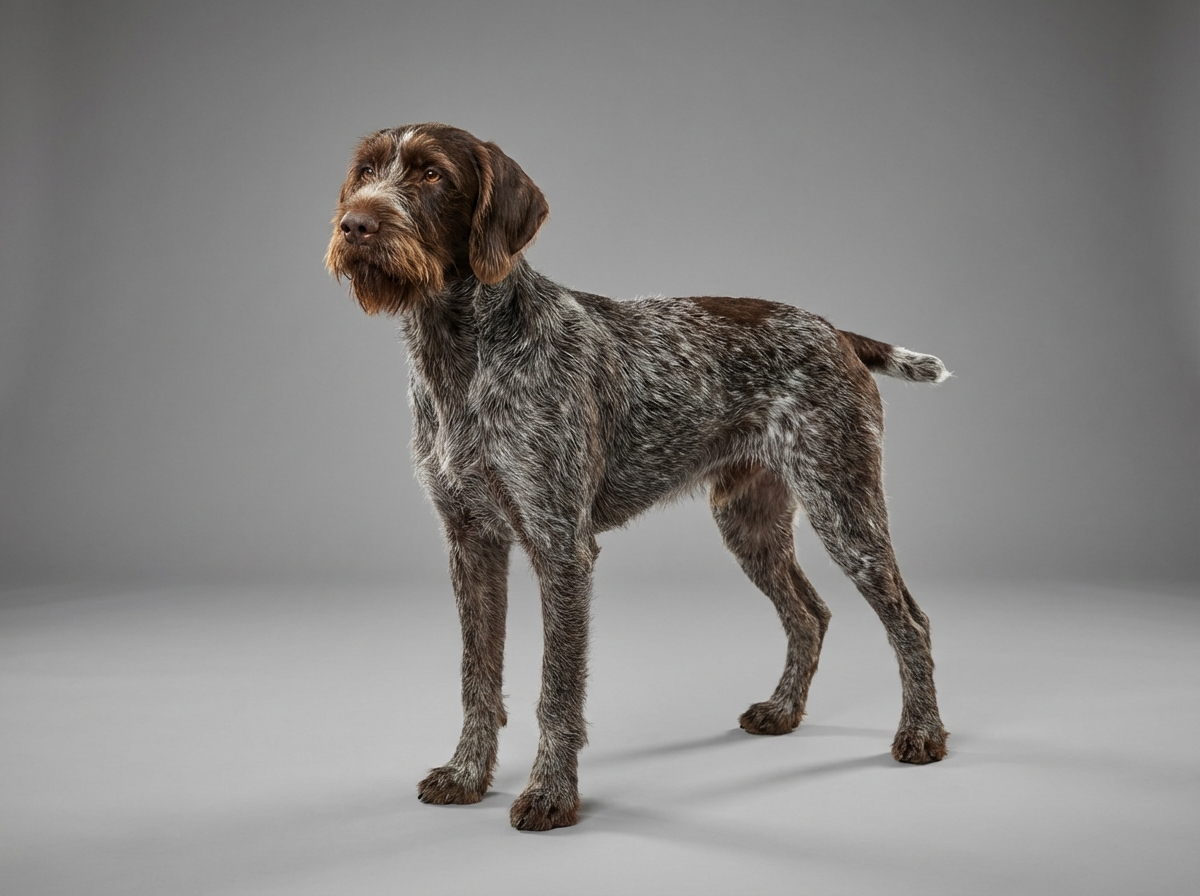
German Wirehaired Pointer back problems can manifest as difficulty moving, stiffness, or discomfort when playing or exercising. These issues often arise due to their long spine and short legs, which make them more susceptible to back strain. Owners may notice their dog hesitating to jump, showing reluctance during walks, or even favoring one side.
Back problems are relatively common in German Wirehaired Pointers, especially as they age. Many owners report issues beginning around 6 to 8 years old. Early intervention and proper training can help reduce the severity and frequency of these problems.
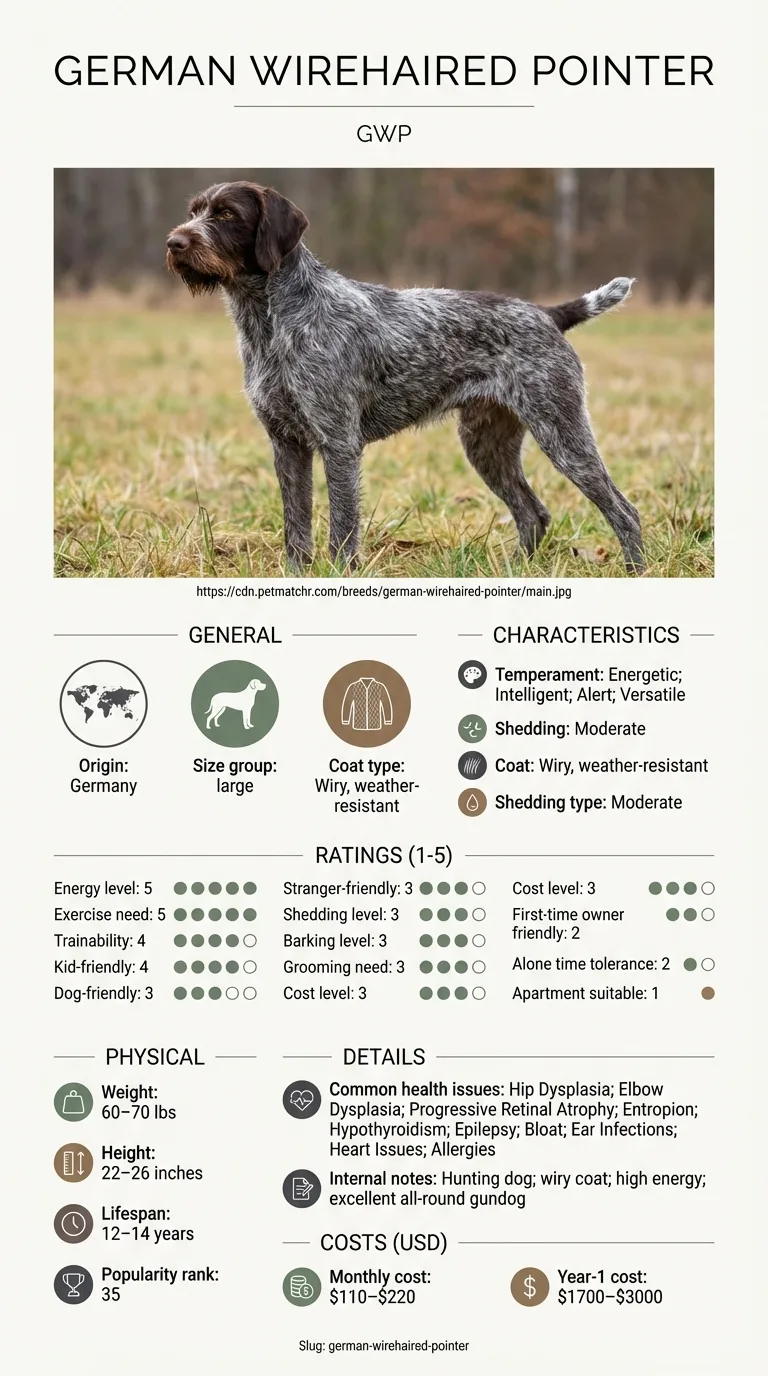
German Wirehaired Pointers (GWPs) have a long spine and short legs, which can increase the risk of back problems. Additionally, their high energy levels lead them to engage in vigorous activities that may strain their backs. This breed is also prone to specific genetic health issues, like hip dysplasia, which can indirectly affect their spinal health.
Environmental factors such as improper exercise, slippery floors, and inadequate support during play can contribute to back problems. If a GWP frequently jumps or twists inappropriately, it can exacerbate any existing back issues. A lack of proper rest and recovery can also lead to chronic back pain.
If your GWP displays persistent signs of pain, such as reluctance to move or yelping when touched, it's time to consult a vet. Early intervention can prevent further injury and help manage any underlying conditions contributing to back problems.
Here are common mistakes that can worsen German Wirehaired Pointer back problems, along with safer alternatives.
Start here: German Wirehaired Pointer Most Common Genetic Disorders: Guide
See all German Wirehaired Pointer health problems, which breeds are prone to back problems, or the full German Wirehaired Pointer breed guide for temperament, exercise needs and ownership costs.
With consistent care and follow-up with your vet, you can expect noticeable improvements in your German Wirehaired Pointer's back problems within 4 to 6 weeks. However, ongoing management may be necessary throughout their life.
Success means your dog can move comfortably, engage in regular activities, and show less discomfort. Improved posture and reduced signs of pain are key indicators.
Emily, a busy nurse, adopted Max, her energetic German Wirehaired Pointer, from a local shelter. After a few months, she noticed Max limping and struggling to jump onto the couch. Concerned, Emily took him to the vet, who diagnosed him with back problems due to his long spine and short legs. The vet recommended a combination of weight management, gentle exercise, and specific training to help strengthen Max's back. Emily committed to regular walks and started teaching Max low-impact tricks that didn't strain his back. Over the next few weeks, Max's comfort level improved, and he became more playful and active. Emily felt relieved to see him happy again.
Key takeaway: With patience, proper training, and vet guidance, owners can significantly improve their German Wirehaired Pointer's back problems, leading to a happier and healthier dog.
German Wirehaired Pointers often have back problems due to their long spines and relatively short legs. This body structure can lead to stress on the spine, especially in active dogs. Regular exercise and proper weight management can help reduce the risk.
To prevent back problems, focus on maintaining a healthy weight and providing consistent exercise. Avoid jumping from high places and consider using ramps for vehicles. Regular vet check-ups can also help catch issues early.
Training methods like gentle leash walking and avoiding strenuous activities can help manage back issues. Obedience training can also ensure your dog doesn't engage in risky behaviors that may worsen back problems. Consider consulting a professional trainer familiar with physical limitations.
Yes, a balanced diet is crucial for maintaining your German Wirehaired Pointer's overall health, including their back. A diet rich in nutrients can help maintain a healthy weight, reducing stress on the spine. Always consult your vet for specific dietary recommendations.
Yes, older German Wirehaired Pointers are more susceptible to back problems due to age-related wear and tear on their spine. Regular check-ups with a vet can help catch these issues early and provide proper management.
You can help by ensuring they have a comfortable, supportive bed and avoiding high-impact activities. Gentle exercises like leash walks can maintain their strength without straining their back.
Not all back problems require surgery. Many issues can be managed with physical therapy, medication, and lifestyle changes. Consult your vet for the best treatment plan tailored to your dog's needs.
Preventive measures include maintaining a healthy weight, providing regular low-impact exercise, and avoiding activities that strain their back, like jumping off furniture. Staying proactive can help reduce the risk of back problems.
Keep your dog at a healthy weight, provide regular low-impact exercise, and avoid high jumps. Consider using ramps for easier access to cars and furniture.
Aim for at least 60 minutes of exercise daily to keep your German Wirehaired Pointer fit and healthy. Split this into multiple sessions to avoid overexertion.
Watch for limping, reluctance to move, or yelping when touched. These may indicate back problems or other discomforts.
Yes, if you notice any signs of back problems, consult your vet for an evaluation. Early diagnosis can lead to more effective treatment.
A one-page prep sheet for this condition: the signs, the questions to ask, what to get priced. Unlocks here.
You get: Vet visit prep sheet
No spam. One-click unsubscribe. See our privacy policy.
Preview page 1 before you decide.