Behavior
What are quick tips for managing schnauzer comedo syndrome?
Regular grooming and bathing with appropriate shampoos can help manage schnauzer comedo syndrome effectively. Consult your vet for personalized advice.

Quick answer
What are quick tips for managing schnauzer comedo syndrome?
Regular grooming and bathing with appropriate shampoos can help manage schnauzer comedo syndrome effectively. Consult your vet for personalized advice.
German Shepherd schnauzer comedo syndrome is a skin condition that can be frustrating for both dogs and their owners.
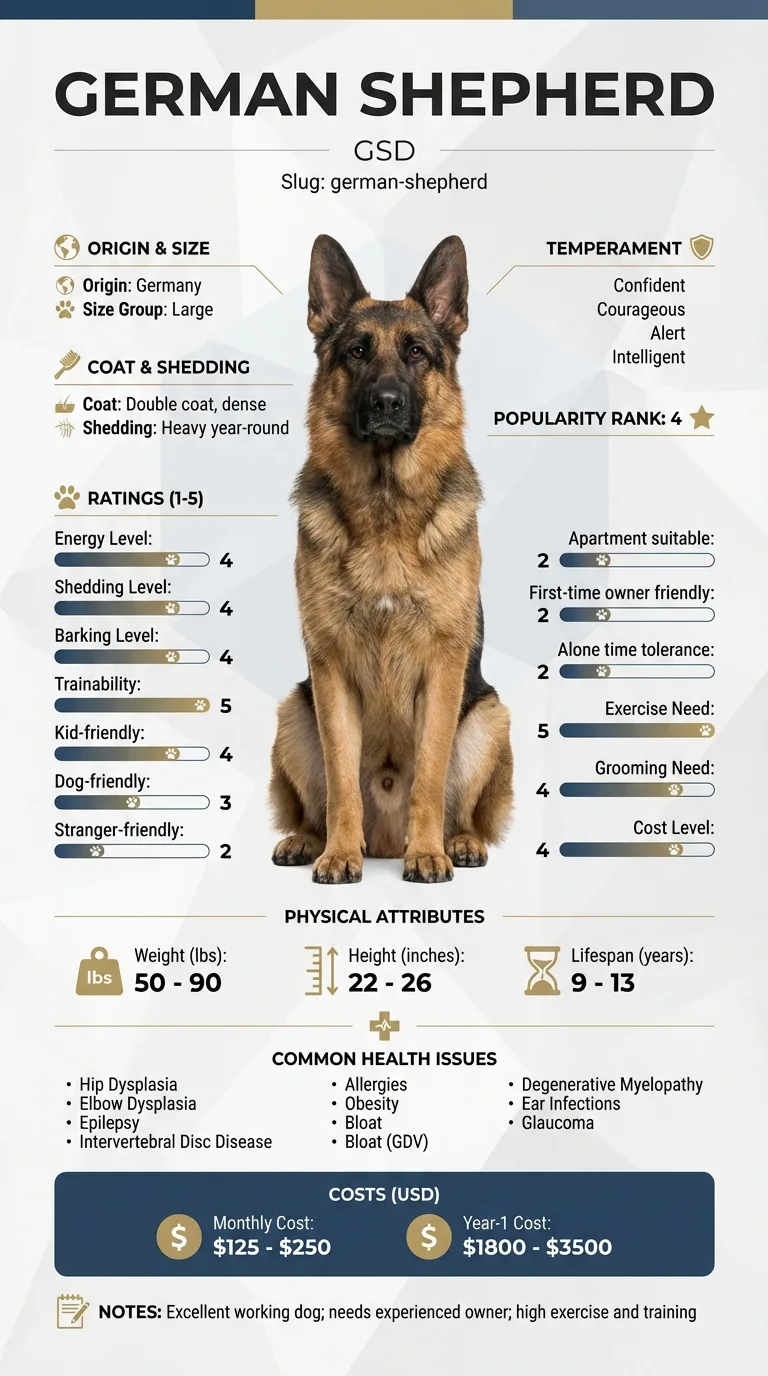
Typically, owners of German Shepherds may face this challenge, particularly those who are first-time dog parents or those unaware of how to manage their dog's skin health.
This guide is not medical advice. If your dog shows pain, sudden behavior change, or worsening symptoms, consult a licensed veterinarian.
Some links may be affiliate links. We may earn a commission at no extra cost to you. We only suggest products we believe are helpful for dog owners.
We research and check what we publish, but we do not warrant that any figure, date, price, or statement is accurate, complete, or current, and we accept no liability for any loss, cost, injury, or other harm arising from the use of this site. Use it as one reference among several. You remain responsible for your own decisions and for your dog's care - confirm anything that matters with a licensed veterinarian or another qualified professional before you act on it. Full disclaimer.
Check this first
Understanding when German Shepherd schnauzer comedo syndrome becomes an emergency is crucial. Certain signs indicate that immediate veterinary care is needed. Look for symptoms like excessive itching, open sores, or severe swelling.
If your dog is in pain or has difficulty breathing, call your vet right away.
On the other hand, mild cases can often be monitored at home. If your dog has minor bumps or occasional itching, it may not be an emergency. You can keep track of the condition with a plan to manage it.
Regular grooming and using prescribed topical treatments can help soothe the skin without rushing to the vet each time.
Always trust your instincts. If something feels off with your German Shepherd, don't hesitate to seek professional advice. Early intervention can prevent more serious issues down the line.
If any of these apply, call your vet or an emergency clinic now. The rest of this page is for the cases that are not an emergency.
German Shepherd schnauzer comedo syndrome is a skin condition characterized by blackheads, often affecting the back and sides of the dog. This issue can lead to irritation and discomfort, causing your dog to scratch or bite at the affected areas. Many German Shepherds experience this problem, especially during their younger years.
Schnauzer comedo syndrome is relatively common in German Shepherds, with many dogs showing signs by the age of 2. While it may not affect every GSD, owners should be aware and monitor their dogs for symptoms.
German Shepherds are prone to Schnauzer Comedo Syndrome due to their genetic makeup. This condition often shows up as blackheads or skin lesions, which can be linked to their dense double coat. Additionally, the breed's overall skin sensitivity can make them more susceptible to this skin issue.
Environmental factors can also contribute to Schnauzer Comedo Syndrome. Poor grooming habits, such as infrequent brushing, can lead to clogged pores. Furthermore, allergens in the environment, like pollen or dust, may irritate their skin and exacerbate the condition.
If your dog's condition worsens or if you notice persistent lesions, consult your vet. They can provide a definitive diagnosis and recommend treatments such as medicated shampoos or other therapies.
Avoiding common mistakes can help manage German Shepherd schnauzer comedo syndrome more effectively. Here are some behaviors to steer clear of.
Start here: German Shepherd Most Common Genetic Disorders: Screening
See all German Shepherd health problems, which breeds are prone to schnauzer comedo syndrome, or the full German Shepherd breed guide for temperament, exercise needs and ownership costs.
Managing German Shepherd schnauzer comedo syndrome typically requires a few weeks to several months of consistent care and treatment. With dedication, you may start to see improvements in your dog's skin condition within the first month.
Success means your German Shepherd has healthier skin with fewer blackheads and irritations. Regular grooming and appropriate treatments will lead to a noticeable reduction in symptoms and a happier, more comfortable dog.
Max, a five-year-old German Shepherd, struggled with schnauzer comedo syndrome. His owner, Sarah, noticed blackheads forming on his skin, which made him itchy and uncomfortable. After consulting a vet, Sarah learned that regular grooming and a specialized shampoo could help. She committed to grooming Max twice a week and using the recommended products. Over the next two months, Max's skin condition improved significantly, and he became much more energetic and playful.
Key takeaway: With proper grooming and treatment, you can effectively manage schnauzer comedo syndrome in your German Shepherd, leading to a happier and healthier pet.
Symptoms of German Shepherd schnauzer comedo syndrome typically include the presence of blackheads or comedones on the skin, particularly around the belly and groin. You may also notice hair loss or skin irritation in affected areas. If you see these signs, consult your vet for proper diagnosis and treatment.
To manage this condition, regular bathing with medicated shampoos can be beneficial. Additionally, maintaining a healthy diet and ensuring your dog gets enough exercise can improve their skin health. Always consult your vet for the best treatment options tailored for your dog.
While it may not be fully preventable, you can reduce the risk by keeping your dog's coat clean and well-groomed. Regular vet check-ups can also help catch any skin issues early. If your dog has allergies, addressing those can further help prevent breakouts.
While the condition itself may not be intensely painful, it can lead to irritation and discomfort if left untreated. If your dog is scratching excessively or showing signs of distress, it’s essential to seek veterinary advice. Your vet can recommend treatments that alleviate discomfort.
Diagnosis usually involves a physical examination by a veterinarian. They may also conduct skin scrapings or allergy tests to determine the underlying cause. Early diagnosis is crucial for effective treatment.
Treatment may include medicated shampoos, topical treatments, and dietary adjustments. In some cases, your vet might recommend oral medications to manage inflammation or infections. A tailored approach is best for your dog's specific needs.
Older German Shepherds may experience more severe symptoms due to decreased skin elasticity and slower healing. Additionally, other underlying health issues could exacerbate the condition. Regular check-ups with your vet are essential for older dogs to manage any potential complications.
To manage German Shepherd schnauzer comedo syndrome, maintain a regular grooming routine, use vet-recommended shampoos, and ensure a healthy diet. Keeping your dog's skin clean and hydrated can help minimize blackheads. Consult your vet for tailored advice based on your dog's specific needs.
Preventive measures include maintaining a healthy diet, regular grooming, and monitoring for skin issues early on. Keeping your dog's environment clean and free of irritants can also help. Always consult your vet for the best practices to prevent this condition based on your dog's health profile.
Regular grooming and bathing with appropriate shampoos can help manage schnauzer comedo syndrome effectively. Consult your vet for personalized advice.
Yes, a balanced diet can improve your dog's skin health. Consider discussing dietary options with your vet to help manage the condition.
While blackheads can be common, they may indicate a skin issue that needs attention. Regular vet check-ups will help keep your dog healthy.
Yes, medicated shampoos designed for skin conditions can help. Ask your vet for recommendations that suit your dog's needs.
Grooming your German Shepherd at least once a week is ideal. This helps to keep their coat clean and reduces skin issues.
A one-page prep sheet for this condition: the signs, the questions to ask, what to get priced. Unlocks here.
You get: Vet visit prep sheet
No spam. One-click unsubscribe. See our privacy policy.
See a sample page before you decide.
Early access list
The free prep sheet covers the same-day warning signs, a symptom log and the questions to ask. We are considering a fuller kit that adds a cost worksheet for the usual tests and treatments (US price ranges with their sources) and a plain-English guide to ways of covering the bill. It is not built yet; this list tells us whether it is worth building.
One email, no spam, unsubscribe anytime. Information only, not veterinary advice.