German Shepherd Respiratory Disease: What You Need to Know
Quick answer
What are quick tips for German Shepherd respiratory disease?
Monitor your dog's weight, keep them cool, and ensure they have regular vet check-ups. Avoid strenuous activities in hot weather and provide a clean living space to minimize allergens.
German Shepherd respiratory disease can be a serious issue for your furry friend. This condition affects their breathing and overall health.
Owners of German Shepherds, especially first-time dog parents, often face confusion and concern when their pet shows signs of respiratory distress. Busy families or active individuals may struggle to recognize symptoms early, leading to potential health risks.
Important reminder
This guide is not medical advice. If your dog shows pain, sudden behavior change, or worsening symptoms, consult a licensed veterinarian.
Some links may be affiliate links. We may earn a commission at no extra cost to you. We only suggest products we believe are helpful for dog owners.
We research and check what we publish, but we do not warrant that any figure, date, price, or statement is accurate, complete, or current, and we accept no liability for any loss, cost, injury, or other harm arising from the use of this site. Use it as one reference among several. You remain responsible for your own decisions and for your dog's care - confirm anything that matters with a licensed veterinarian or another qualified professional before you act on it. Full disclaimer.
Check this first
When German Shepherd Respiratory Disease is an Emergency
It’s crucial to know when German Shepherd respiratory disease becomes an emergency. Some signs indicate you should contact your vet immediately, while others may allow for monitoring at home with a plan.
Red flags that require immediate vet attention include: severe difficulty breathing, blue-tinged gums or tongue, persistent coughing or gagging, lethargy, and any signs of distress or pain. If your German Shepherd is struggling to breathe or is unable to exercise normally, don’t wait. Call your vet right away.
On the other hand, mild cases may not need urgent care. If your dog has occasional coughing, sneezing, or slight wheezing without distress, you can monitor them at home. Keep track of their activity level, appetite, and symptoms over a few days.
If things improve, great! If not, it’s time for a vet visit. Always trust your instincts; you know your dog best.
If any of these apply, call your vet or an emergency clinic now. The rest of this page is for the cases that are not an emergency.
What this problem looks like
German Shepherd respiratory disease can manifest as coughing, wheezing, or difficulty breathing. These symptoms may become noticeable during exercise or in stressful situations. Owners often see their German Shepherd struggling for breath, which can be alarming and distressing.
Common triggers
High levels of physical activity or exercise
Stressful situations, such as thunderstorms or loud noises
Exposure to allergens like pollen or dust
Obesity, which can strain the respiratory system
Heat and humidity, which can exacerbate breathing issues
Respiratory diseases are relatively common in German Shepherds, particularly due to their physical structure. They are at a higher risk for respiratory issues compared to non-brachycephalic breeds, making awareness and early detection crucial for their health.
Why this happens
Breed factors
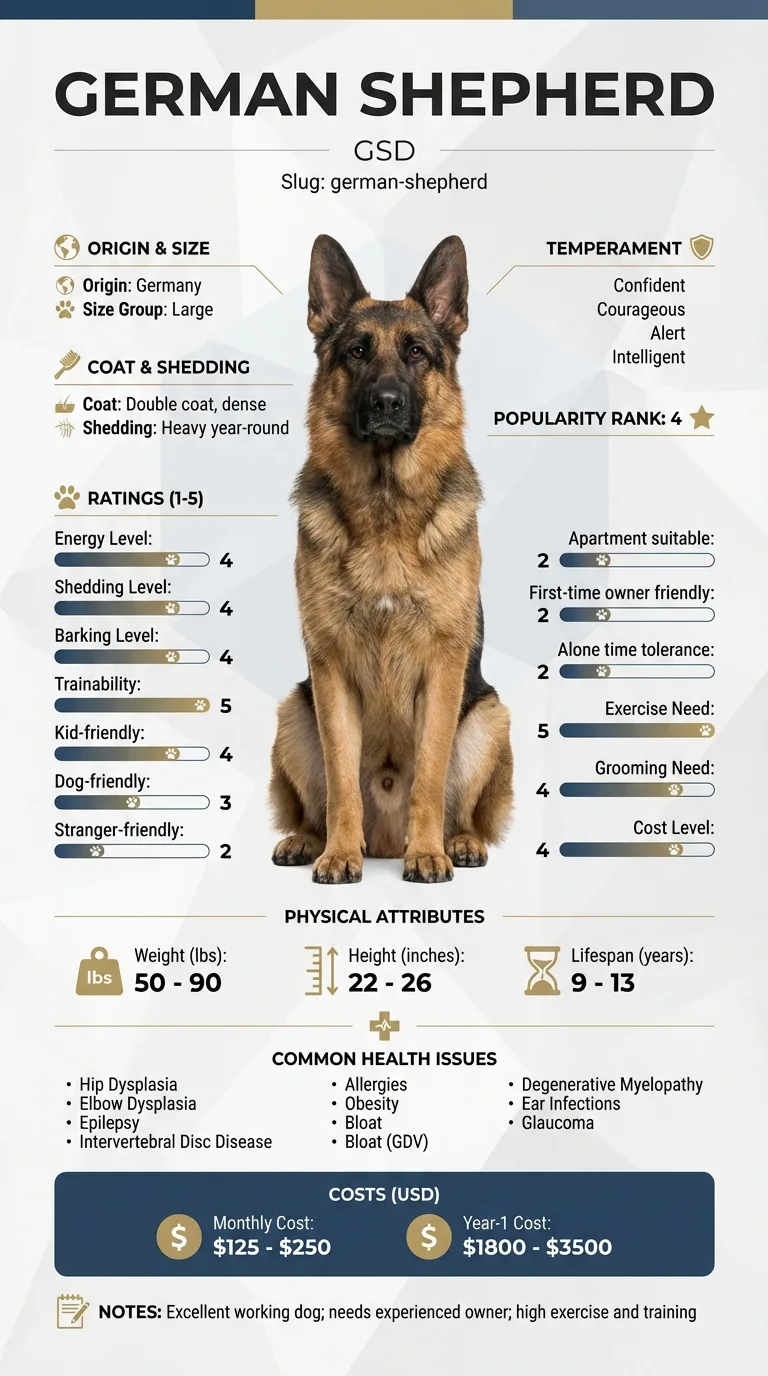
German Shepherds are prone to certain genetic conditions that can affect their respiratory health. Their anatomy, including a large chest and deep-set lungs, can make them more susceptible to respiratory diseases compared to other breeds. Additionally, their exercise needs might lead to overexertion, which can exacerbate any underlying health issues.
Environment factors
Environmental factors like poor air quality, exposure to allergens, or living in a humid climate can contribute to respiratory problems in German Shepherds. Stressful situations, such as loud noises or crowded spaces, may also trigger respiratory distress. Ensuring a calm and clean living environment is crucial for their well-being.
What you can do at home (once it is not an emergency)
When to talk to your vet
If you notice persistent coughing, labored breathing, or any sudden changes in your dog's respiratory patterns, it's time to see a vet. Early diagnosis can prevent more serious complications.
At home, alongside your vet's plan
Monitor your dog's breathing. Take note of any unusual sounds, such as wheezing or coughing, and track how often they occur.
Keep your home clean. Regularly vacuum and dust to minimize allergens. Consider using an air purifier to improve air quality.
Limit exercise during high pollen or smog days. Opt for short, gentle walks in cooler times of the day to avoid overexertion.
Create a calm environment. Use soothing music or calming sprays to reduce stress, which can help ease respiratory issues.
Consider dietary changes. Consult your vet about anti-inflammatory diets or supplements that promote respiratory health.
Mistakes that Make German Shepherd Respiratory Disease Worse
Managing your German Shepherd's respiratory disease can be challenging. Here are common mistakes that can worsen the situation, along with better alternatives.
Ignoring early symptoms: Many owners miss subtle signs of respiratory distress, delaying treatment. Instead, pay attention to coughing, wheezing, or labored breathing and consult a vet promptly.
Overexercising the dog: While German Shepherds are active, too much exercise can exacerbate respiratory issues. Opt for shorter, more frequent walks instead of long runs.
Using harsh training methods: Punitive training can increase stress and worsen anxiety, leading to more respiratory problems. Use positive reinforcement techniques to encourage better behavior.
Neglecting regular vet check-ups: Skipping vet visits can lead to undetected health issues. Schedule regular check-ups to monitor your dog's respiratory health.
Allowing weight gain: Excess weight can put additional strain on your dog's respiratory system. Maintain a healthy diet and exercise routine to keep your German Shepherd fit.
Exposing to extreme temperatures: German Shepherds can struggle in extreme heat or cold, worsening respiratory issues. Provide a comfortable environment with climate control.
Most cases of German Shepherd respiratory disease can show improvement within 4 to 6 weeks with proper care and follow-up.
Success means your German Shepherd breathes easily, is active without excessive coughing, and enjoys daily walks without distress.
Emily and Max's Journey
Emily, a first-time dog owner, adopted Max, a German Shepherd, who often struggled with breathing during walks. After a vet visit, Emily learned that Max had a respiratory disease, likely due to his breed's predisposition. Determined to help him, she adjusted their walks to cooler times of day, reduced the length, and invested in a training program focused on calming exercises.
Over weeks, Max became more comfortable during walks, and Emily felt relieved seeing him thrive again.
Key takeaway: With patience and the right adjustments, you can significantly improve your German Shepherd's quality of life despite respiratory challenges.
Frequently asked questions
Why does my German Shepherd have respiratory disease?
German Shepherds can develop respiratory diseases due to various factors, including genetics, environmental conditions, and obesity. Their dense double coat can also contribute to overheating, which may exacerbate respiratory issues. Regular vet check-ups and a healthy lifestyle can help manage these risks.
This answer relates to German Shepherd respiratory disease.
How can I stop my German Shepherd from having respiratory issues?
To prevent respiratory issues in your German Shepherd, ensure they maintain a healthy weight and get regular exercise without overexertion. Avoid exposing them to extreme heat or allergens, and provide a clean, well-ventilated living environment. Regular vet visits are crucial for early detection and management.
What are the signs of respiratory disease in German Shepherds?
Common signs of respiratory disease in German Shepherds include coughing, wheezing, excessive panting, and difficulty breathing. If your dog shows these symptoms, it’s essential to consult a veterinarian promptly for diagnosis and treatment options. Early intervention can significantly improve outcomes.
What training methods help with respiratory disease management?
Training your German Shepherd to follow commands can help manage their exercise levels and prevent overexertion. Incorporating short, frequent training sessions can also keep them engaged without straining their respiratory system. Always consult your vet before starting any new training or exercise regimen.
Are certain environments better for German Shepherds with respiratory disease?
Yes, environments with moderate temperatures and low humidity are better for German Shepherds prone to respiratory issues. Avoid areas with heavy pollution or allergens, as these can exacerbate their condition. Providing a comfortable indoor space with good air circulation can also help.
How can I prevent respiratory disease in my German Shepherd?
Preventing respiratory disease involves regular vet check-ups and maintaining a healthy environment. Ensure your German Shepherd is not exposed to smoke, allergens, or extreme temperatures, and keep them active to strengthen their lungs.
Is respiratory disease in German Shepherds hereditary?
Yes, some respiratory diseases can be hereditary, particularly in breeds like the German Shepherd. If you are considering getting a German Shepherd, choose a reputable breeder who tests for common health issues.
When should I take my German Shepherd to the vet for respiratory issues?
If your German Shepherd shows persistent coughing, difficulty breathing, or any sudden changes in behavior, you should take them to the vet. Early intervention can prevent more serious health problems.
Can older German Shepherds develop respiratory disease more easily?
Yes, older German Shepherds may be more susceptible to respiratory diseases due to weakened immune systems and other age-related health issues. Regular veterinary check-ups are essential for monitoring their health as they age.
What are quick tips for German Shepherd respiratory disease?
Monitor your dog's weight, keep them cool, and ensure they have regular vet check-ups. Avoid strenuous activities in hot weather and provide a clean living space to minimize allergens.
Living
How can I exercise my German Shepherd safely?
Opt for shorter walks and play sessions in cooler parts of the day. Use interactive toys to keep them entertained without heavy exercise, especially if they have respiratory concerns.
Health
What should I feed my German Shepherd to maintain their health?
Provide a balanced diet rich in nutrients to help maintain a healthy weight. Consult your vet for specific dietary recommendations tailored to your dog's needs.
A fuller vet-visit kit for German Shepherd Respiratory Disease
The free prep sheet covers the same-day warning signs, a symptom log and the questions to ask. We are considering a fuller kit that adds a cost worksheet for the usual tests and treatments (US price ranges with their sources) and a plain-English guide to ways of covering the bill. It is not built yet; this list tells us whether it is worth building.
One email, no spam, unsubscribe anytime. Information only, not veterinary advice.