Behavior
What are quick tips for managing German Shepherd progressive retinal atrophy (pra-rcd3)?
Create a consistent home layout, use verbal cues for commands, and ensure safe outdoor spaces. Regular vet visits are also crucial.
German Shepherd progressive retinal atrophy (PRA-RCD3) is a serious condition that leads to vision loss in these intelligent dogs.
Typically, owners of German Shepherds, especially those who are unaware of genetic health issues, may face this challenge. First-time dog owners or those lacking experience with breed-specific conditions can feel overwhelmed when dealing with this diagnosis.
This guide is not medical advice. If your dog shows pain, sudden behavior change, or worsening symptoms, consult a licensed veterinarian.
Some links may be affiliate links. We may earn a commission at no extra cost to you. We only suggest products we believe are helpful for dog owners.
German Shepherd progressive retinal atrophy (pra-rcd3) is a genetic condition leading to gradual vision loss. This occurs due to degeneration of the retina, often starting with night blindness and progressing to complete blindness. Owners may notice their German Shepherd struggling to navigate familiar environments or becoming anxious in new ones.
This condition is relatively common in German Shepherds, especially those with a family history of eye issues. While not every German Shepherd will experience pra-rcd3, it is a significant concern within the breed.
German Shepherds are prone to genetic conditions, including Progressive Retinal Atrophy (PRA-rcd3). This inherited disorder affects their vision over time. The breed's strong genetic predisposition makes them particularly vulnerable.
Environmental factors may contribute, such as exposure to excessive sunlight or injuries to the eyes. Poor nutrition can also play a role, potentially increasing the risk of developing vision issues. Ensuring a safe and healthy environment is essential for their overall well-being.
If your German Shepherd shows significant behavioral changes or struggles with basic commands, a professional trainer can offer tailored strategies. They can help adjust training techniques to suit your dog's needs as their vision changes.
Consult your vet if you notice any signs of progressive vision loss. They can provide guidance on managing PRA-rcd3 and may recommend specialized treatments or therapies to help your dog adapt.
Expect to see signs of progressive retinal atrophy (PRA-rcd3) in your German Shepherd within the first few years of life, with gradual vision loss occurring over time. Regular veterinary check-ups can help track the progression, and you may notice significant changes within 3 to 5 years after diagnosis.
Success means maintaining your dog's quality of life through adaptations and training. This could involve creating a safe home environment that accommodates their vision loss and using consistent commands to help them navigate effectively.
Avoiding these common mistakes can help manage your German Shepherd's progressive retinal atrophy (PRA-rcd3) more effectively.
If your German Shepherd shows signs of sudden vision loss, disorientation, or difficulty navigating familiar spaces, these are red flags. Other emergencies include excessive eye discharge, signs of pain (like pawing at the face), or if your dog seems unusually anxious or fearful. If you notice any of these symptoms, it's essential to call your vet right away.
On the other hand, if your dog is showing mild signs, like occasional bumping into objects or hesitating in low light, these may not be immediate concerns. Monitoring these behaviors over time while keeping a close eye on any changes can be an appropriate approach. Make sure to keep a log of any symptoms and share them with your vet during your next visit, as this can help with the diagnosis and management of PRA-RCD3.

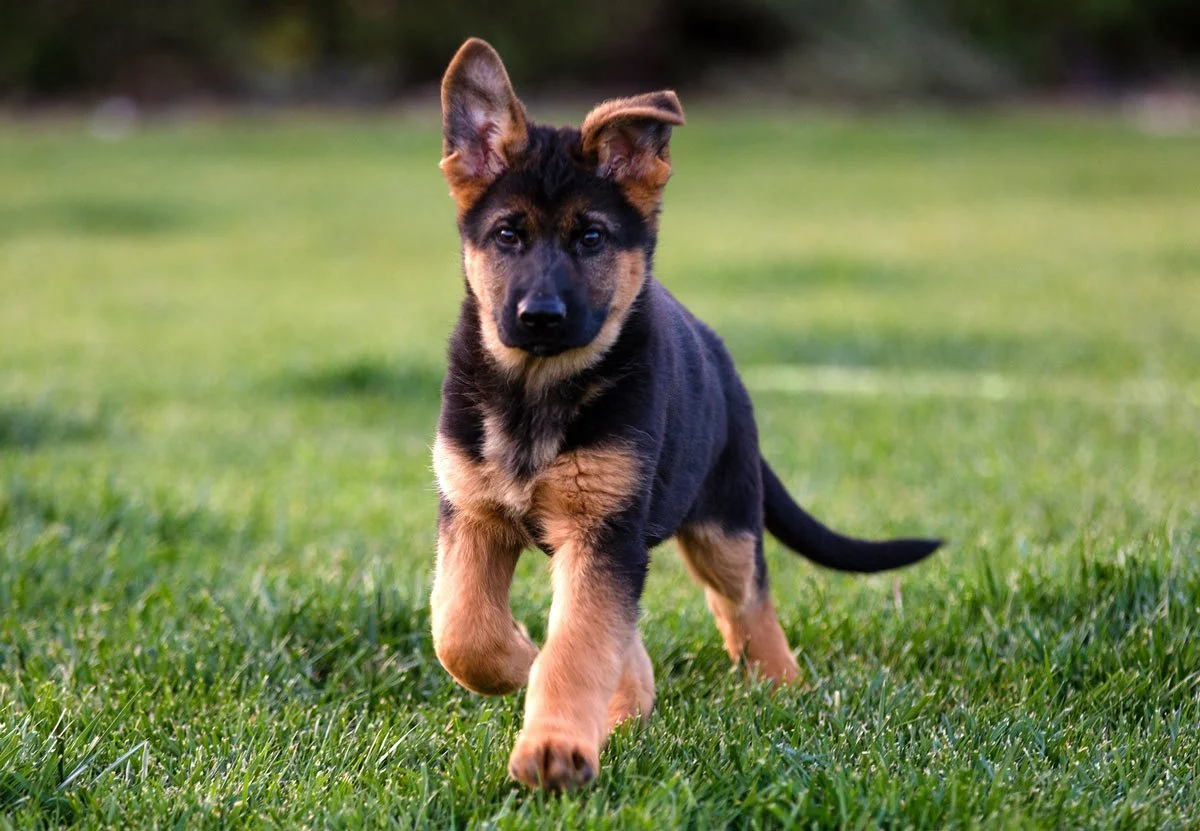
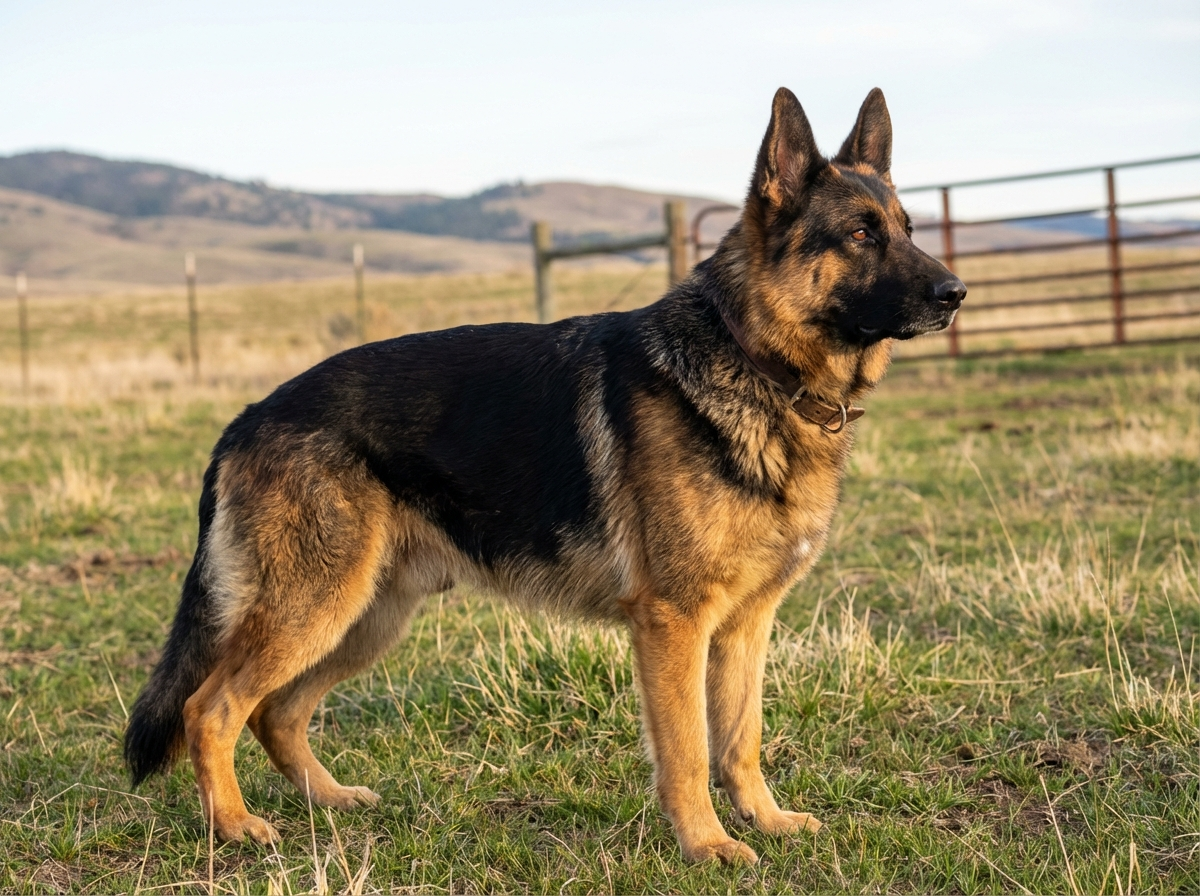
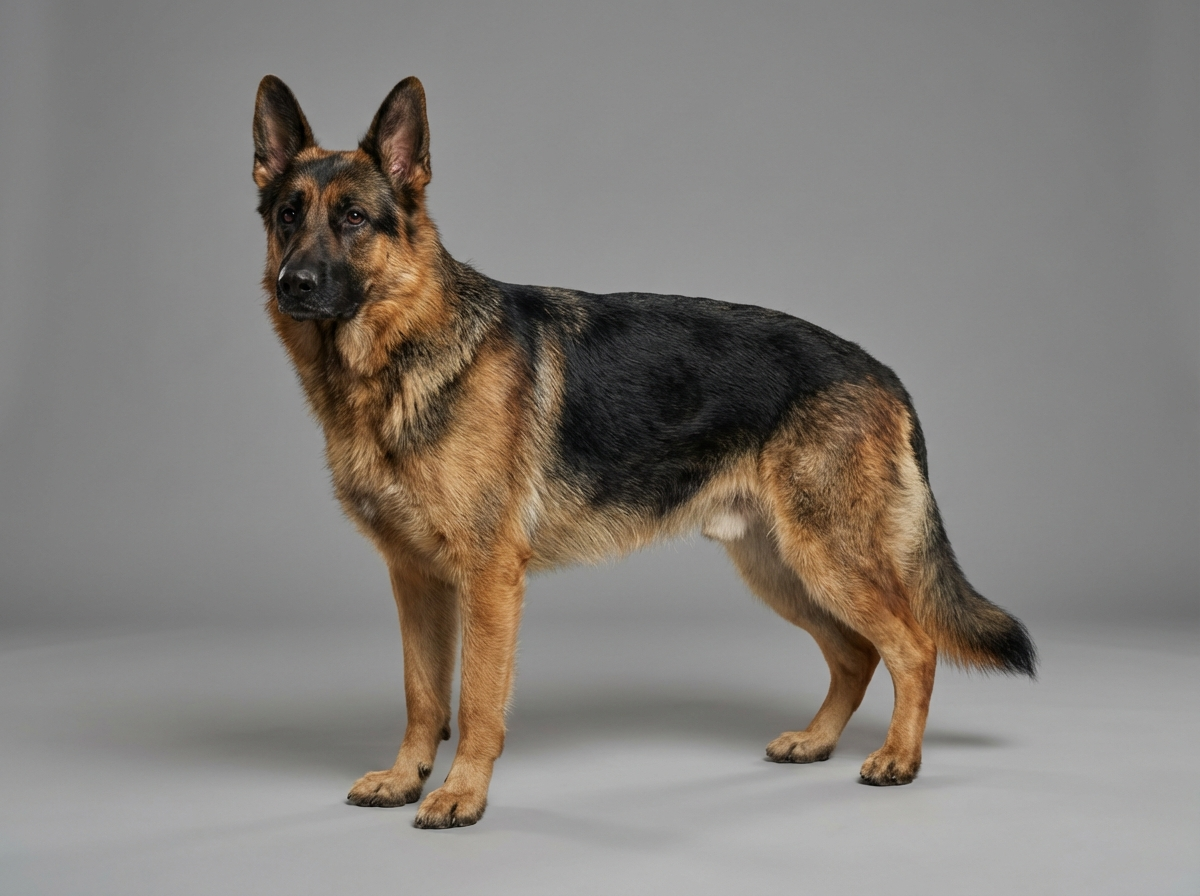
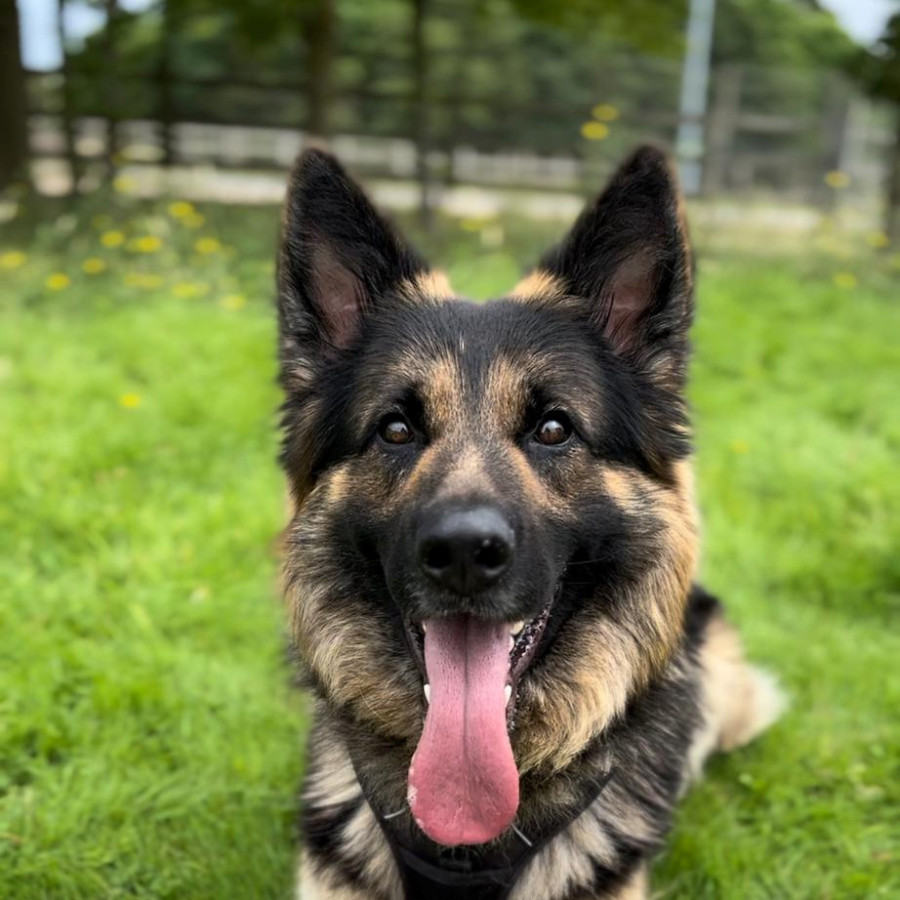
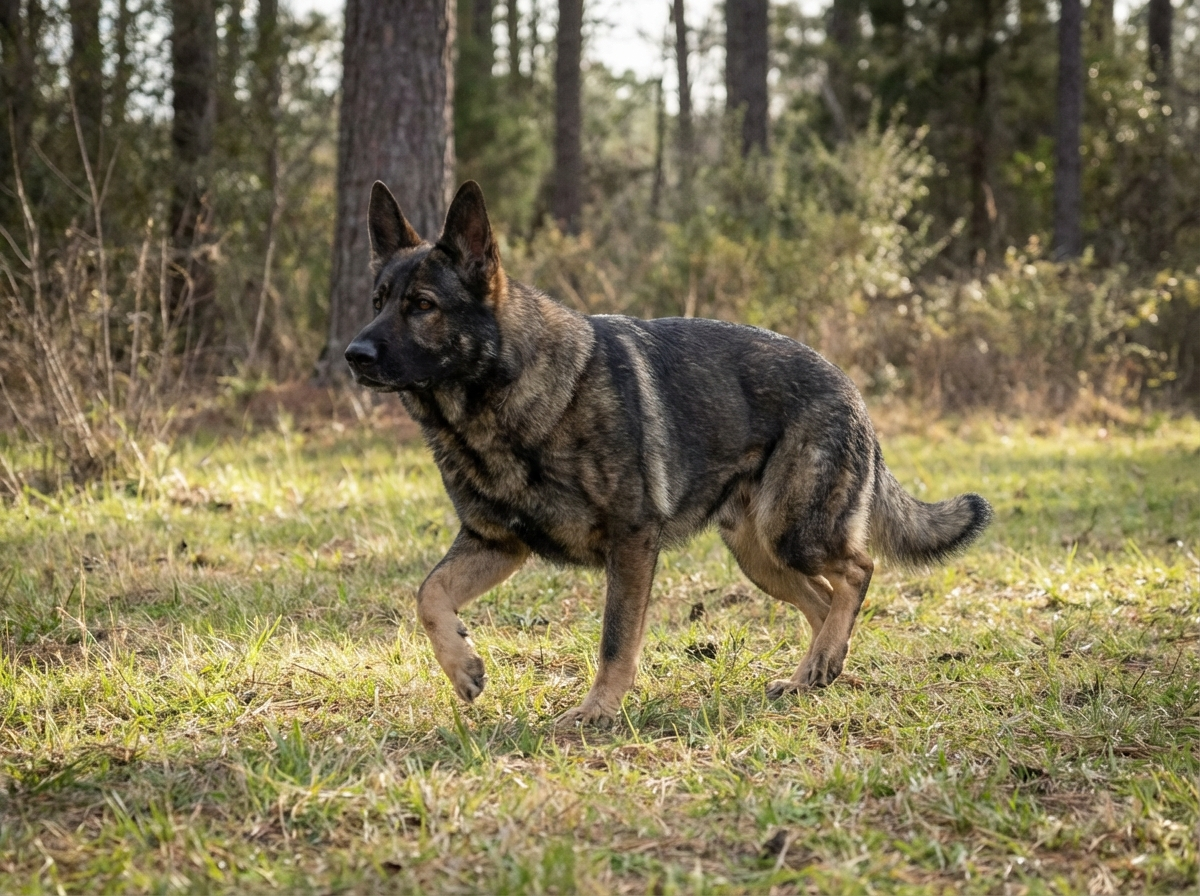
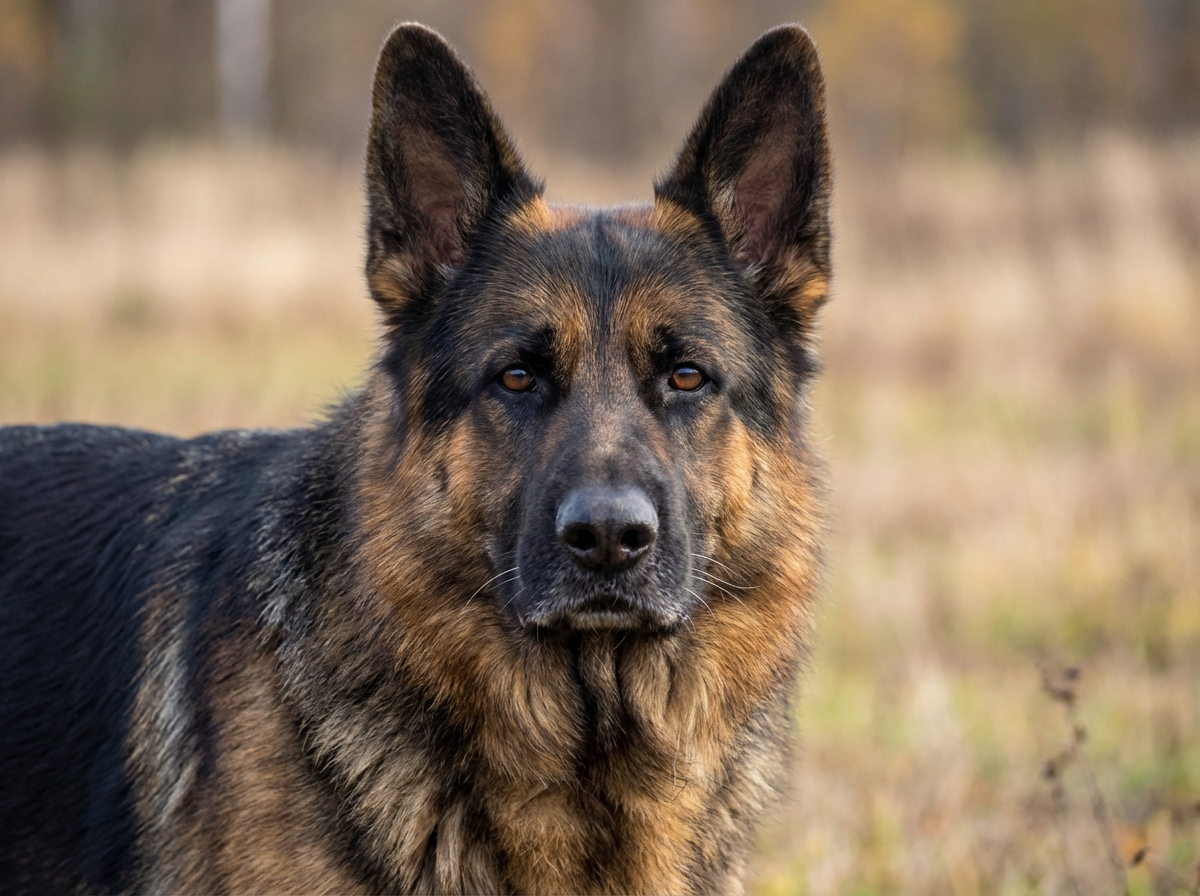
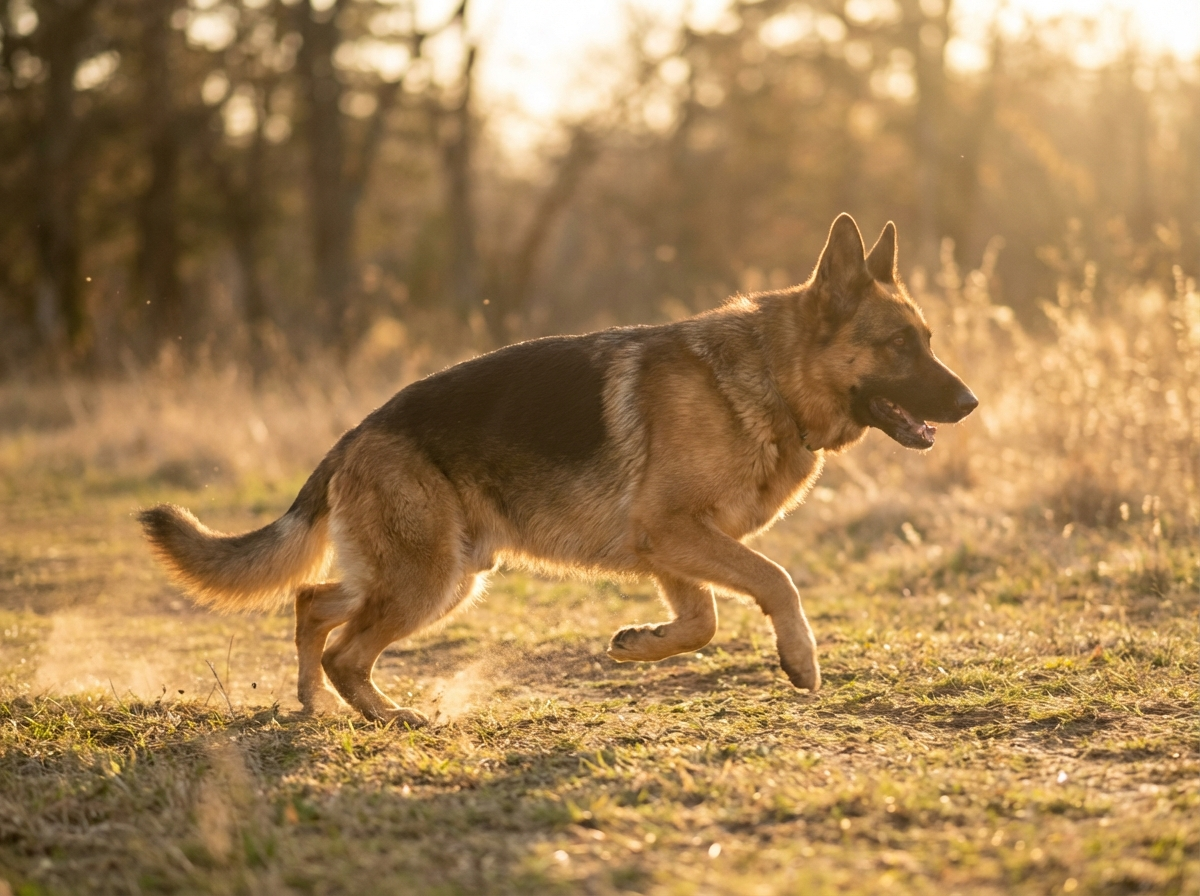
Sam, a first-time dog owner, noticed his German Shepherd, Max, had trouble finding his toys and bumping into furniture. After a vet's visit, he learned that Max had PRA-rcd3. Initially overwhelmed, Sam researched ways to help Max adjust. He created a consistent layout at home, used verbal cues, and set up tactile markers for Max to follow. Over time, Max adapted well, and their bond grew stronger as they learned to communicate in new ways.
Key takeaway: With patience and creativity, you can help your German Shepherd navigate life with progressive retinal atrophy (PRA-rcd3), ensuring they feel secure and loved despite their vision challenges.
German Shepherd progressive retinal atrophy (pra-rcd3) is a genetic eye condition that leads to gradual vision loss. It affects the retina, making it difficult for your dog to see in low light and eventually causing blindness.
This condition is often inherited and is caused by genetic mutations. If your German Shepherd has a family history of eye problems, they may be at higher risk for developing pra-rcd3.
While there's no cure for pra-rcd3, creating a safe environment helps your dog adapt. Use consistent layouts at home, and consider using harnesses for walks to prevent collisions.
Early signs include bumping into objects, reluctance to go outside at night, and changes in behavior. If you notice these signs, consult your vet for a proper diagnosis.
Yes, training can provide valuable support. Teaching commands and using verbal cues can help your dog navigate their environment more confidently.
Since this condition is genetic, prevention is challenging. Responsible breeding practices can help reduce the risk of passing on the genes associated with pra-rcd3.
Regular vet check-ups are essential for monitoring your dog's condition. Aim for at least once a year, or more frequently if your dog shows signs of worsening vision.
Early signs of German Shepherd progressive retinal atrophy (pra-rcd3) may include difficulty seeing in low light, bumping into objects, or changes in their behavior. You might notice your dog hesitating to navigate familiar spaces or showing increased anxiety when moving around.
Currently, there is no cure for German Shepherd progressive retinal atrophy (pra-rcd3). However, supportive care, including environmental modifications and training, can help your dog adapt to their vision loss and maintain a good quality of life.
If you notice any signs of vision loss, such as difficulty seeing or changes in behavior, it's important to see a vet promptly. Early diagnosis can help manage the condition and improve your dog's comfort and safety.
Yes, older German Shepherds can develop progressive retinal atrophy (pra-rcd3). While this condition is often genetic, age-related changes in the eyes can also contribute to vision loss in senior dogs.
To help your German Shepherd cope with progressive retinal atrophy (pra-rcd3), focus on creating a safe, consistent environment. Use verbal cues, maintain familiar routines, and consider mobility aids to support them as they adjust to their vision changes.
Create a consistent home layout, use verbal cues for commands, and ensure safe outdoor spaces. Regular vet visits are also crucial.
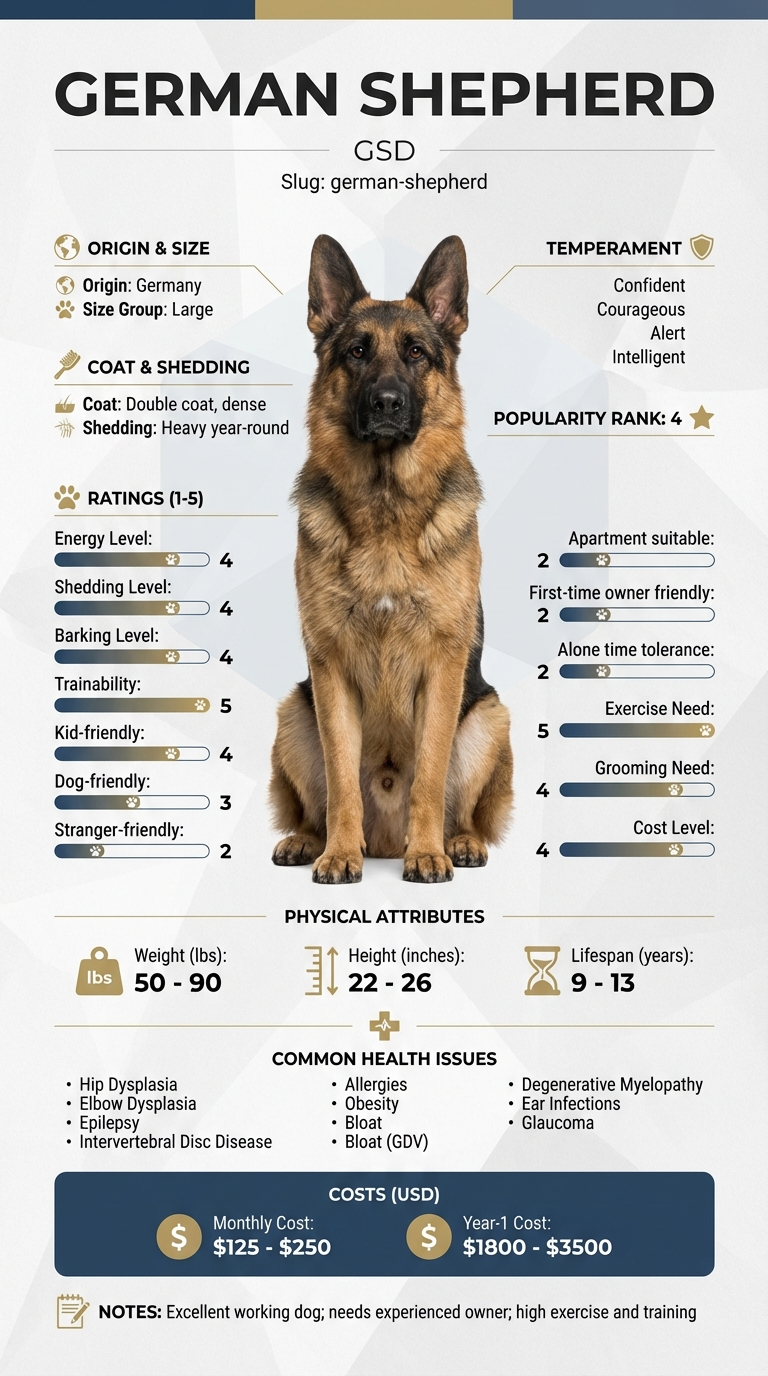
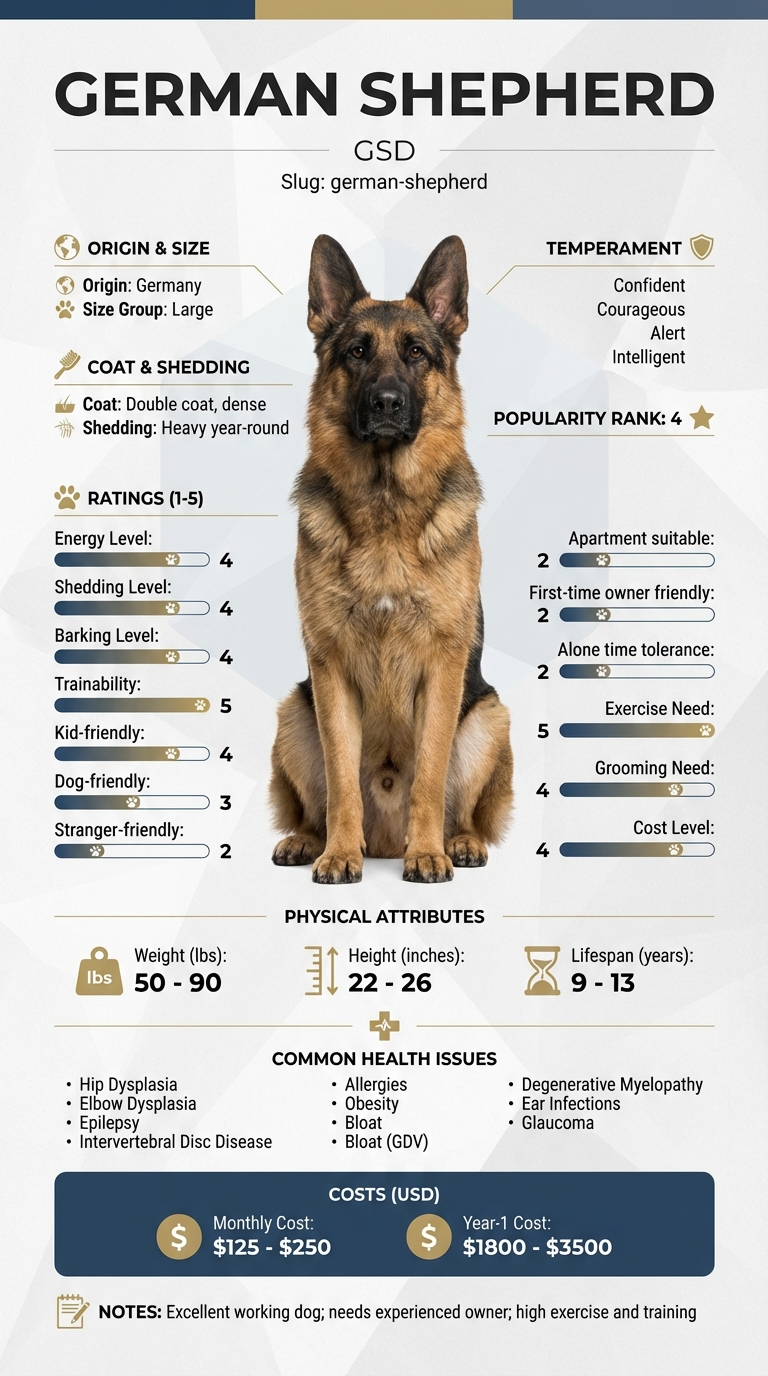
Monthly costs can range from $125 to $250, including vet visits and special needs for your dog's condition.
Absolutely! Training can help enhance your dog's confidence and safety. Focus on auditory signals and consistent commands.


