Problem

German Shepherd Hypothyroidism: A Guide for Owners

German Shepherd hypothyroidism is a condition caused by a deficiency of thyroid hormones. This can lead to various health issues, affecting your dog's energy and overall well-being.

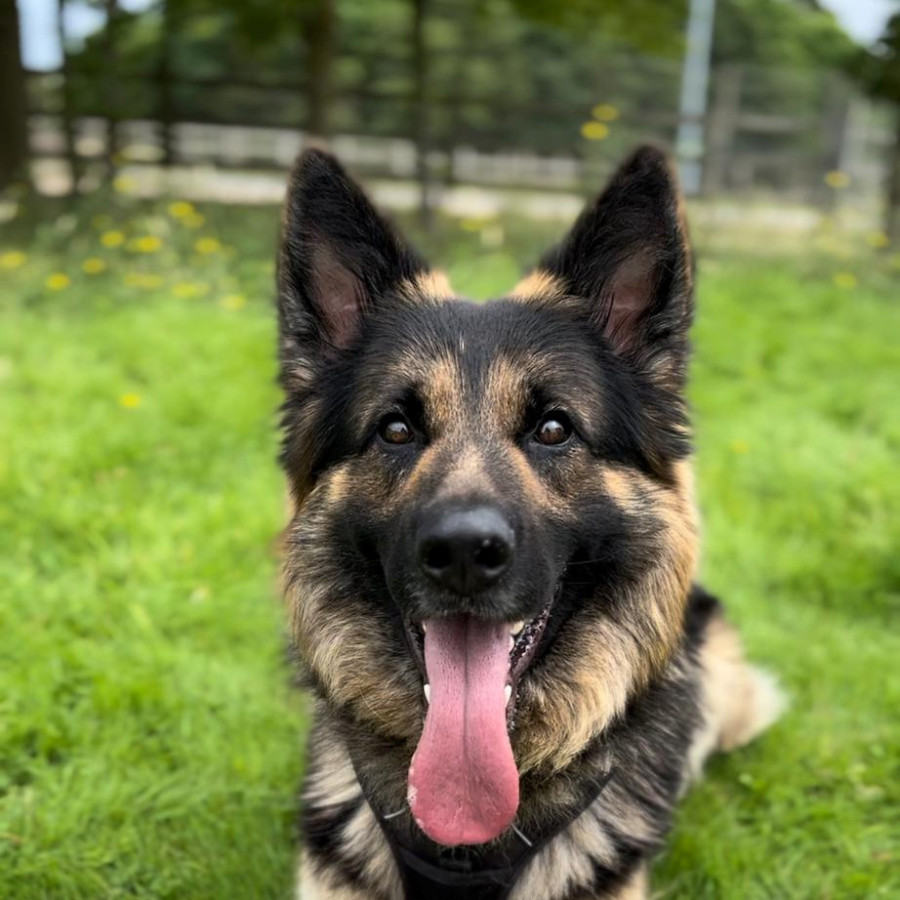
German Shepherd Hypothyroidism: A Guide for Owners photo

What you can try

Mistakes that make this worse

Avoiding these common mistakes can help you manage your German Shepherd's hypothyroidism more effectively.

When German Shepherd Hypothyroidism is an Emergency

Recognizing when German Shepherd hypothyroidism becomes an emergency is crucial. If your dog shows severe symptoms like extreme lethargy, difficulty breathing, or sudden weight gain, it's time to call your vet immediately. These signs may indicate a serious condition that requires urgent treatment.

On the other hand, if your German Shepherd has mild symptoms such as slight lethargy, occasional weight changes, or changes in coat quality, you might not need to panic. These cases can often be monitored with a plan. Keep an eye on your dog's behavior and note any changes.

Regular vet check-ups can help catch issues before they escalate.

In summary, call your vet if you notice red-flag signs like:<br/>- Extreme lethargy or weakness<br/>- Difficulty breathing or rapid breathing<br/>- Uncontrollable weight gain or loss<br/>- Severe skin issues or infections

For mild symptoms, monitor your dog closely and consider scheduling a vet appointment for a check-up. Keeping a close eye on your German Shepherd's health can help prevent emergencies and ensure they lead a happy, healthy life.

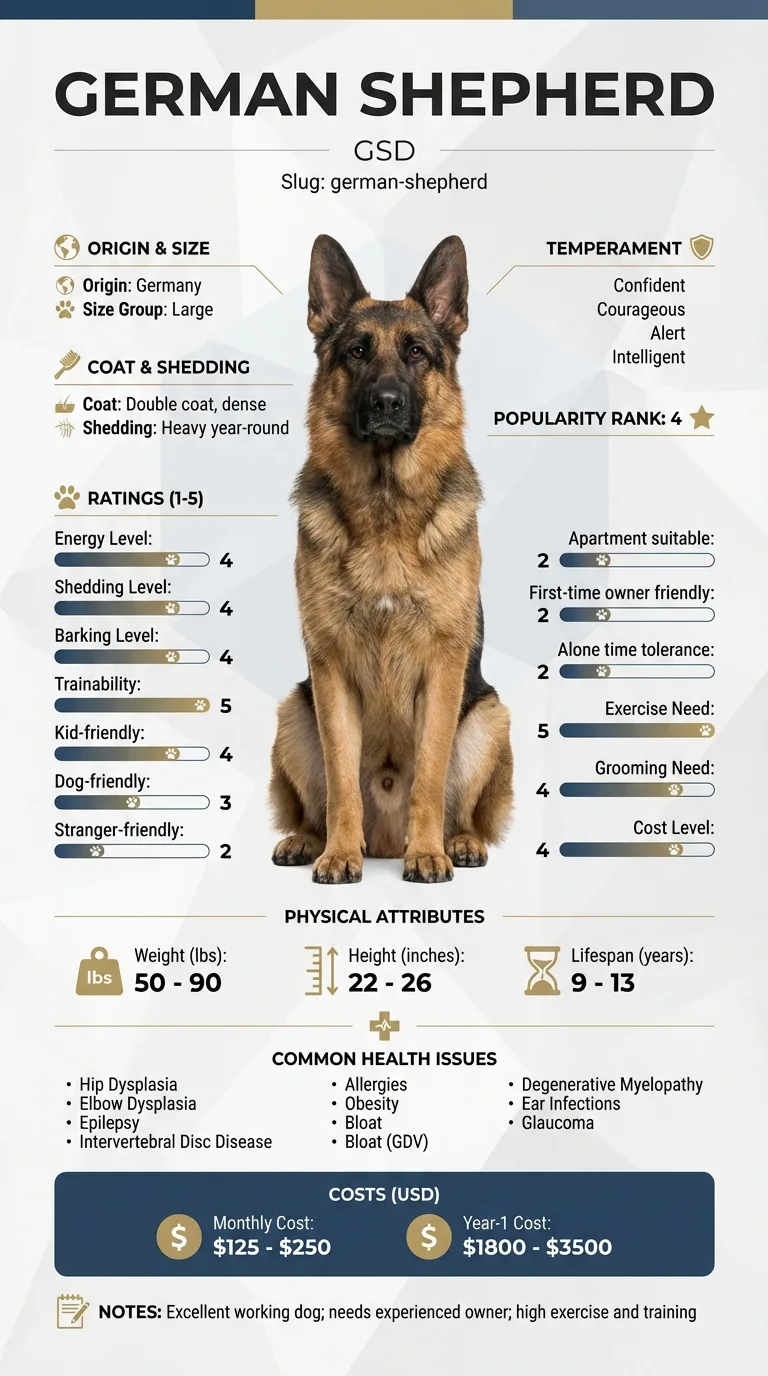
German Shepherd Hypothyroidism: A Guide for Owners - When German Shepherd Hypothyroidism is an Emergency

Frequently asked questions

Why does my German Shepherd have hypothyroidism?

German Shepherd hypothyroidism is often caused by an autoimmune disorder where the immune system attacks the thyroid gland. This can lead to a deficiency in thyroid hormones, affecting your dog's metabolism and overall health. Genetics may also play a role, as this condition is more common in certain breeds.

What are the symptoms of hypothyroidism in German Shepherds?

Common symptoms of German Shepherd hypothyroidism include weight gain, lethargy, and a dull coat. You may also notice increased shedding, skin infections, or behavioral changes like depression. If you see these signs, it’s important to consult your veterinarian for an accurate diagnosis.

How is hypothyroidism diagnosed in German Shepherds?

Your veterinarian will perform a physical exam and blood tests to measure hormone levels. A low level of thyroid hormones, particularly T4, typically indicates hypothyroidism. Sometimes additional tests may be needed to rule out other conditions.

How to stop German Shepherd hypothyroidism?

While you can't stop hypothyroidism, it can be effectively managed with daily medication. Synthetic thyroid hormone replacement is commonly prescribed and can help restore normal hormone levels. Regular follow-up appointments with your vet ensure proper dosage and health monitoring.

Can hypothyroidism affect my German Shepherd's behavior?

Yes, hypothyroidism can lead to behavioral changes in German Shepherds. Dogs may become less active or show signs of depression due to the lack of thyroid hormones. Addressing the condition with medication usually helps improve their mood and energy levels.

What is the long-term prognosis for a German Shepherd with hypothyroidism?

With proper treatment, German Shepherds with hypothyroidism can lead normal, healthy lives. Lifelong medication is often required, but many owners report that their dogs thrive once stabilized. Regular vet check-ups are essential to adjust medication as needed.

How often should I monitor my German Shepherd's condition?

After diagnosis, your veterinarian will likely recommend monitoring your German Shepherd's thyroid levels every 6 to 12 months. Regular check-ups help ensure the dosage of medication is effective and that your dog remains healthy.

What are the symptoms of hypothyroidism in German Shepherds?

Common symptoms of German Shepherd hypothyroidism include weight gain, lethargy, and changes in coat condition. You may also notice skin issues or behavioral changes, such as increased anxiety or aggression.

How is hypothyroidism diagnosed in German Shepherds?

A veterinarian can diagnose German Shepherd hypothyroidism through blood tests that check hormone levels. If your dog shows symptoms, it's important to consult your vet for an accurate diagnosis and treatment plan.

Can older German Shepherds develop hypothyroidism?

Yes, older German Shepherds are more prone to developing hypothyroidism. Regular vet check-ups are essential to monitor hormone levels and catch any issues early.

Why does my German Shepherd have hypothyroidism?

German Shepherd hypothyroidism can be caused by autoimmune diseases, genetic factors, or certain medications. Understanding the underlying cause is crucial for effective management and treatment.

What lifestyle changes can help manage my German Shepherd's hypothyroidism?

To manage German Shepherd hypothyroidism, ensure a balanced diet, regular exercise, and weight control. Additionally, following your vet's recommendations for medication and monitoring is vital for your dog's health.